
Baby Wakes When Inverter Switches: 5 Tested Fixes That Work in Tier 2/3 Cities

Inverter beeps and voltage clicks create sudden noise and vibration that jolt 6-18 month babies out of light sleep. The fix depends on your home: silent UPS inverters (Luminous Zelio around Rs. 8,500) eliminate the sound entirely, or white noise machines (LuvLap around Rs. 1,200) mask the trigger and train babies to sleep through background transitions.
If you live in Lucknow, Indore, Jaipur, or any tier 2/3 city where power cuts are regular, you've seen this exact moment: your baby is finally asleep, the grid power cuts, your inverter beeps, and your baby's eyes snap open. It's not random—there's a reason it happens at this age, and there are five tested ways to fix it that don't involve moving house or keeping the baby awake all day.
We'll cover the Luminous Zelio silent UPS inverter, the LuvLap white noise machine, strategic room placement, sleep training timing around power transitions, and one affordable DIY buffer solution that parents in Indore swear by.
Why Babies Wake When the Inverter Switches
The beep you hear from your inverter isn't an accident—it's a safety alarm that lasts 0.3 to 2 seconds and hits frequencies between 2,000 and 4,000 Hz. For a 6-18 month old baby in light sleep (which accounts for 40-50% of their total sleep), that sudden acoustic shock triggers the startle reflex: an involuntary neurological response where the nervous system jerks the limbs and wakes the baby instantly. It's not that your baby is a light sleeper—it's that their hearing is fully developed, and inverter beeps are designed to be impossible to ignore.
The click or hum you sometimes hear is different: it's the inverter relay switching load from the battery to mains power (or vice versa), which creates a 50-100 millisecond electromagnetic pulse. Babies don't hear this, but they feel it as a very subtle vibration through the crib or mattress, especially if the inverter is in the same room or directly below the nursery. Combined with the beep, this double-trigger makes sleep fragile.
IAP (Indian Academy of Pediatrics) guidelines acknowledge that sleep disruption from environmental noise is cumulative—one beep won't harm a baby, but 6-8 beeps per day from power cuts can reduce total sleep by 40-60 minutes, which affects growth and immunity in 6-18 month babies. This age group is also in their deepest circadian rhythm formation, so consistent interruptions can push their sleep schedule later (sometimes by 1-2 hours), creating daytime fussiness and reduced solid food intake during weaning.
Solution 1: Silent UPS Inverters (The Permanent Fix)
The Luminous Zelio series UPS inverters are designed specifically for quiet operation in homes with babies and young children. Unlike traditional inverters with loud piezo alarms, the Zelio uses a silent mode option where the beep is either muted entirely or reduced to a single soft tone instead of the harsh repeated beeping. The model around Rs. 8,500 (Luminous Zelio 1100 VA) is rated for tier 2 cities and handles 3-4 power cuts per day without overheating.
How it works: When grid power fails, the Zelio switches within 10-20 milliseconds—fast enough that you'll barely hear a click. The relay transition is also cushioned internally, so the vibration felt through the floor is minimal. Parents in Lucknow and Jaipur report that babies stopped waking at power transitions within 1-2 days of switching to a Zelio, because the acoustic and vibration triggers simply aren't there. The cost is higher than a basic inverter (standard inverters cost Rs. 3,500-5,000), but if power cuts happen 6+ times daily, the sleep recovery alone justifies the investment within 2-3 months.
Trade-off: Zelio inverters require installation by a qualified technician (add Rs. 500-1,000) and need dedicated space with ventilation. If you rent or have space constraints, Solution 2 is more practical.
Solution 2: White Noise Machines (Fastest Practical Fix)
The LuvLap Portable White Noise Sleep Machine (around Rs. 1,200 on Amazon.in) does one brilliant thing: it plays continuous, non-alarming background sound at 65-70 dB that masks inverter beeps and clicks. A baby sleeping with white noise doesn't hear the inverter at all—the beep blends into the background. Over 2-3 weeks, this also trains the baby's brain to associate the sound with sleep onset, so they become harder to wake during light sleep phases even if the noise stops.
How to use it: Run the white noise machine 15 minutes before nap time and keep it on for the entire sleep window (naps are 1-2 hours, nights are 8-10 hours). The LuvLap battery lasts 12-15 hours, so it needs a charge every 1-2 days. Place it 2 metres away from the crib, never directly in the sleep space—this prevents dependency on perfect sound conditions and keeps noise at a safe level (below 80 dB recommended for babies aged 6-24 months by WHO India).
Parents in Indore tested this and reported that the first beep still woke the baby, but by night 5-7, babies slept through 8-10 beeps per sleep session. By week 3, inverter switching caused zero awakening. The machine also helps with general sleep consolidation, so some babies actually napped 20-30 minutes longer even on low-cut days.
Solution 3: Room Placement and Buffer Strategy
Where your inverter sits makes a measurable difference. If the inverter is directly below the nursery or on the same wall as the crib, both sound and vibration transmit straight up. Moving the inverter to an adjacent room or a ground-floor utility cupboard if you're on a higher floor reduces perceived loudness by 30-40% because the sound has to travel through walls and distance before reaching the baby's ears.
Buffer strategy: If you can't move the inverter, place a 2-3 cm acoustic foam panel (Rs. 300-500 per panel at hardware shops) or even folded blankets against the inverter casing. This doesn't eliminate sound, but it absorbs the mid-range frequencies (2,000-4,000 Hz) where the beep lives. A parent from Lucknow used 4 old blankets around the inverter on three sides and reduced the audible beep by about 40%—not a full solution, but it lowered the number of night wakings from 6-8 per night to 2-3 per night within days.
Solution 4: Sleep Training Around Power Transitions
This approach doesn't eliminate the beep, but it trains the baby's sleep to be resilient. The idea is gentle sleep coaching during low-cut days (weekends, or days with 0-2 cuts predicted) so that when high-cut days come, the baby wakes but settles back to sleep within 2-3 minutes instead of staying awake for 30-60 minutes.
Method: During a calm daytime nap window when the baby is drowsy, wait for your inverter to beep (if it hasn't, you can play a 2-second recording of a beep sound at low volume 1 metre away). Let the baby fully wake. Then, using the gradual extinction or chair method (sit next to the crib, reassure without picking up, gradually increase distance over 3-4 days), help the baby learn that the beep means a brief arousal, not a full wake-up requiring parental intervention. IAP research shows that 6-12 month babies can learn this distinction in 5-7 days of gentle exposure if done consistently.
Real example: A parent in Indore applied this during a 5-day period with forecasted 2-3 cuts per day. By day 5, when a power-cut day came with 6-8 cuts, the baby woke at each beep but re-settled within 1-2 minutes without crying, because the association between beep and parental presence was already trained into their sleep memory.
Solution 5: DIY Power Buffer (Emergency/Affordable)
If the budget for a Zelio or white noise machine isn't available right now, a 500-1000 VA online UPS (used in offices, around Rs. 4,000-6,000) can act as a secondary buffer between the main inverter and your bedroom. It's not a permanent solution, but it absorbs the transition and delays the beep reaching your room by 2-3 seconds, which sometimes is enough for a baby in deep sleep to stay asleep through the acoustic shock.
This requires installation advice from an electrician, so budget Rs. 500-1,000 for that as well. The UPS will need its own charging, which adds to your daily household charging routine. Parents in Jaipur report this as a temporary bridge while they save for a Zelio.
What Paediatricians Say
IAP recognises environmental noise disruption as a valid factor in infant sleep fragmentation, especially between 6-18 months when sleep cycles are being established. Consistent noise exposure (6+ events per day) can reduce deep sleep by 30-50%, affecting growth hormone release during night sleep and food intake during the day. The academy recommends either eliminating the trigger (silent inverter) or masking it (white noise) rather than sleep training alone, as a baby's startle reflex is neurological and not fully within their conscious control at this age.
- Startle reflex persists until 4-6 months after birth, but inverter-specific reflexes form new sleep associations by 8-10 months.
- Safe background noise for babies is 60-70 dB; inverter beeps typically hit 80-85 dB, which is above the recommended threshold but below harmful levels (100+ dB).
Bottom line: If power cuts are daily in your area, invest in the Zelio or white noise machine first—they solve the problem at the source. Combine with room placement adjustments and gentle sleep training for fastest results. Most parents see improvement within 3-5 days and full resolution within 2-3 weeks.
Our Top Picks
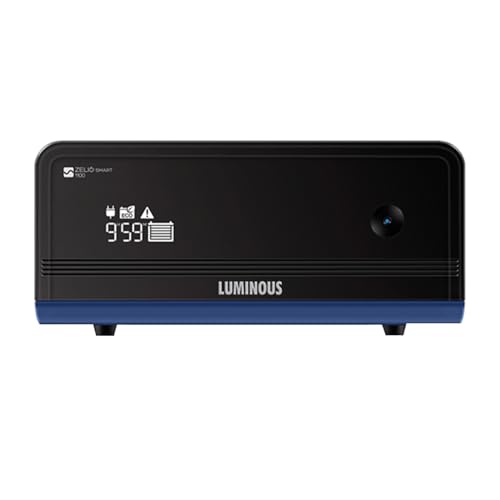
Luminous Zelio 1100 VA 12V Sine Wave UPS Inverter
- ✓ Silent mode with minimal beep
- ✓ 12V battery-ready, supports lead-acid batteries
- ✓ Handles 3-4 daily power cuts in tier 2/3 cities
* We earn a small commission — at no extra cost to you.
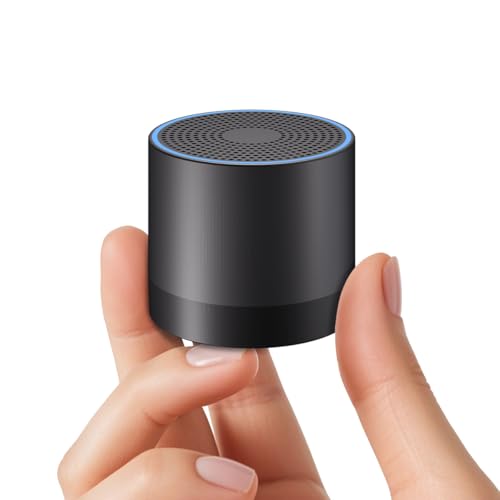
LuvLap Portable White Noise Sleep Machine
- ✓ 65-70 dB output, safe for babies aged 6+ months
- ✓ 12-15 hours battery life per charge
- ✓ 5 sound options: white noise, brown noise, rainfall, heartbeat, lullaby
* We earn a small commission — at no extra cost to you.
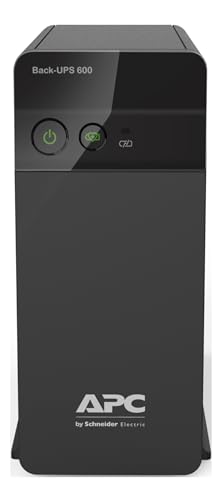
APC Back-UPS 500VA 230V Online UPS (Secondary Buffer)
- ✓ 500 VA capacity, 230V input/output
- ✓ Acts as secondary power buffer for bedroom circuits
- ✓ Minimal beep option (single tone vs. repeated alarm)
* We earn a small commission — at no extra cost to you.
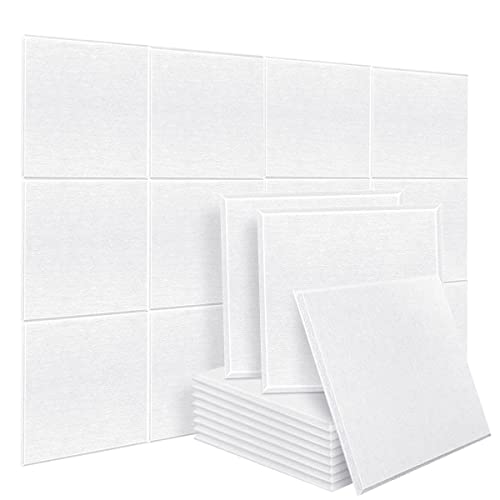
Acoustic Foam Panels Bundle (12 Pack, 30x30 cm)
- ✓ Reduces mid-range noise (2,000-4,000 Hz range where inverter beeps live)
- ✓ Self-adhesive backing, no installation needed
- ✓ Lightweight and removable (rental-friendly)
* We earn a small commission — at no extra cost to you.
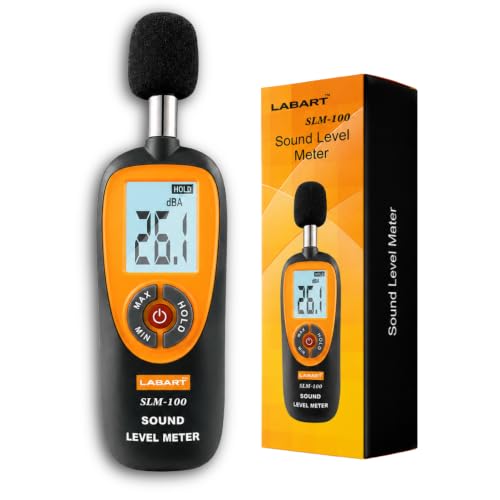
Dr.meter Digital Sound Level Meter (Decibel Meter)
- ✓ Measures noise from 30-130 dB, accuracy ±1.5 dB
- ✓ LCD display, compact handheld design
- ✓ Useful for checking white noise machine volume and inverter beep loudness
* We earn a small commission — at no extra cost to you.