
Baby Sleep Schedule for Summer: How to Beat the May-June Heat in India
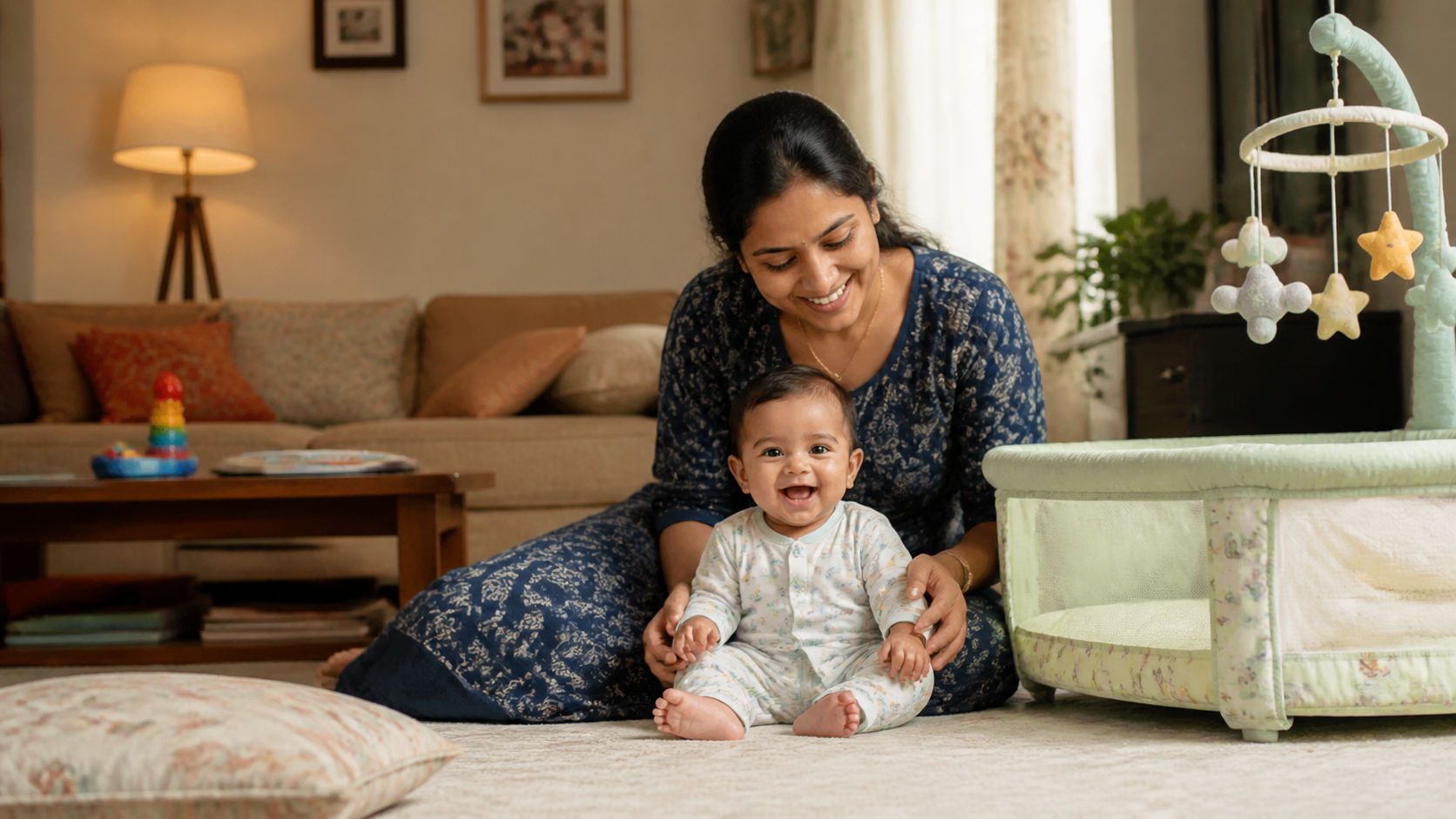
For summer months (May-June), shift your baby's sleep schedule earlier by 30-45 minutes to avoid peak heat hours. Aim for a 7:00-7:30 PM bedtime, schedule naps during cooler morning (8:00-9:30 AM) and late afternoon (4:00-5:30 PM) slots, and use breathable cotton bedding with room temperatures maintained at 24-26°C. Cooling baths 30 minutes before sleep and blackout curtains during 12:00-4:00 PM help regulate body temperature for better rest.
Last week, my friend Priya from Pune called me at 11 PM, exhausted. Her 6-month-old hadn't slept more than 45 minutes at a stretch for three days straight. The culprit? Mumbai's early summer heat had turned her usual 8:30 PM bedtime into a sweaty, cranky disaster. If you're reading this in late April or early May, you know exactly what's coming: that suffocating pre-monsoon heat that makes even adults toss and turn, let alone babies who can't regulate their body temperature yet.
Creating a baby sleep schedule for summer isn't just about shifting times on paper. It's about understanding how heat affects infant sleep cycles, which products actually keep your little one cool (not just claim to), and how to adapt routines based on whether you're dealing with Delhi's dry 45°C or Bengaluru's humid 35°C. The Indian Academy of Pediatrics notes that infants under 12 months are particularly vulnerable to heat stress during sleep because their sweat glands aren't fully developed, making temperature control critical for both safety and sleep quality.
Sleep regression: A temporary period (usually 3-6 weeks) when a baby who previously slept well suddenly wakes frequently, often triggered by developmental milestones or environmental changes like seasonal temperature shifts.
Thermoregulation: An infant's ability to maintain stable body temperature, which develops gradually over the first year and is significantly impaired by ambient temperatures above 26°C during sleep hours.
Why Summer Ruins Your Baby's Sleep Schedule (And What's Actually Happening)
Before we dive into schedules, let's talk science for a minute. Babies produce melatonin-the sleep hormone-when their body temperature drops slightly. In winter, this happens naturally around 7-8 PM. But in summer, especially in cities like Ahmedabad or Lucknow where temperatures stay above 38°C until 8 PM, that temperature drop doesn't happen until much later. Your baby's body is literally waiting for the cool-down signal that never comes at the right time.
I learned this the hard way with my daughter during our first Delhi summer. We kept her usual 8 PM routine, but she'd be awake until 10 PM, sweating through her onesie. A pediatrician friend explained that we were fighting her biology. The room was 29°C at 8 PM-too warm for her body to trigger sleep mode.
Here's what changes in Indian summer months:
- Room temperature: Even with AC, most homes fluctuate between 26-30°C in evening hours due to power costs and inconsistent cooling
- Humidity levels: Coastal cities like Mumbai and Chennai see 70-85% humidity, making it feel 3-4°C hotter than the thermometer reads
- Daylight hours: Longer days mean more light exposure, which suppresses melatonin production if curtains aren't blackout-grade
- Parental stress: Tired, hot parents = shorter patience = rushed bedtime routines = worse sleep associations
Age-Specific Baby Sleep Schedule for Summer: 4-6 Months
At this age, most babies are transitioning from 4 naps to 3 naps, and their circadian rhythm is just starting to solidify. Summer is actually a good time to establish this because early mornings are naturally cooler and brighter.
Recommended Summer Schedule (4-6 Months)
| Time | Activity | Summer Adjustment |
|---|---|---|
| 6:30-7:00 AM | Wake + Feed | Open windows for cool morning air (before 8 AM in most cities) |
| 8:00-9:30 AM | Morning Nap | Ideal cool-temperature nap window; use muslin swaddle only |
| 12:30-2:00 PM | Afternoon Nap | Close all curtains by 11:30 AM; pre-cool room to 25°C if possible |
| 4:30-5:30 PM | Late Afternoon Nap | Short 30-45 min catnap; avoid after 6 PM to preserve bedtime |
| 6:45 PM | Cooling Bath | Water at 28-30°C (slightly cooler than winter's 32°C) |
| 7:15 PM | Feed + Bedtime Routine | Dress in single layer cotton; room at 24-25°C |
| 7:30 PM | Asleep | 30-45 minutes earlier than winter schedule |
City-specific tweaks: In Bengaluru, you can often skip AC until 9 PM if you have good cross-ventilation. In Pune, the evening temperatures drop faster after sunset (around 7 PM in May), so you can push bedtime to 7:45 PM. For Ahmedabad parents, invest in a good AC or cooler-there's no way around it when it's 40°C at bedtime.
The Afternoon Blackout Period Strategy
Between 12 PM and 4 PM, your home should become a cave. I'm not exaggerating. Those peak heat hours are when most babies fight sleep hardest because rooms heat up, and their bodies sense danger. Here's what works:
- Close all curtains by 11:30 AM, before the sun angle changes
- Run AC or cooler at least 20 minutes before nap time to bring room to 25°C
- Use a Mee Mee breathable mattress (Rs. 1,899) with their cooling gel layer-it genuinely stays 2-3°C cooler than regular foam
- Skip heavy sleep sacks; a single muslin swaddle from haus&kinder (Rs. 799 for 3) is enough
- Place a small bowl of ice near (not directly at) the AC vent for extra cooling if your AC struggles
Age-Specific Baby Sleep Schedule for Summer: 7-12 Months
Older babies are transitioning to 2 naps and can handle slightly longer wake windows. But they're also more mobile, which means they generate more body heat during play. Summer schedules for this age need more emphasis on cooling down before sleep.
Recommended Summer Schedule (7-12 Months)
| Time | Activity | Summer Adjustment |
|---|---|---|
| 6:30-7:00 AM | Wake + Feed | Morning walk possible in Bengaluru/Pune before 7:30 AM |
| 9:00-10:30 AM | Morning Nap | Post-breakfast nap; room should still be naturally cool |
| 2:00-3:30 PM | Afternoon Nap | Longer nap during hottest hours; ensure room is pre-cooled |
| 6:30 PM | Cooling Bath + Quiet Play | Water at 28°C; let baby air-dry partially before dressing |
| 7:00 PM | Feed + Books | Dim lights; use BabyGo cooling pillow (Rs. 599) during feed |
| 7:30 PM | Asleep | Consistent early bedtime prevents overtiredness in heat |
At this age, my daughter started fighting the afternoon nap hard-until we moved it to a Chicco Next2Me bedside crib (Rs. 13,999) positioned near the AC vent. The mesh sides allowed for better air circulation than her wooden cot, and the adjustable height meant I could check on her without getting up. In Jaipur's 43°C afternoons, that crib was a lifesaver.
The Cooling Bath Technique
This isn't just a regular bath. Timing and temperature matter enormously in summer:
- Start bath time exactly 45 minutes before target sleep time
- Water temperature: 28-30°C (test with your elbow; should feel slightly cool, not warm)
- Duration: 10-12 minutes, allowing baby to play and cool down gradually
- After bath: Pat dry but leave baby slightly damp; let them air-dry for 5 minutes in a cool room before dressing
- Dress in single-layer 100% cotton or muslin-no synthetic blends that trap heat
The WHO recommends maintaining infant skin temperature between 36.5-37.5°C during sleep. A cooling bath can drop skin temperature by 0.5-1°C, which is enough to trigger that melatonin release we talked about earlier.
Summer Sleep Products That Actually Work (And What's Just Marketing)
I've tested a lot of "cooling" baby products over two summers, and most are gimmicks. Here's what genuinely made a difference:
Worth Every Rupee
Chicco Next2Me Bedside Crib (Rs. 13,999): The mesh panels aren't just for visibility-they create actual airflow. In our 26°C room, the internal crib temperature stayed 1°C cooler than our wooden cot. The tilt function also helps with reflux, which gets worse in heat for some babies.
Mee Mee Breathable Mattress (Rs. 1,899): The cooling gel layer isn't magic, but it does prevent that sweat-patch situation you get with regular foam. After 2 hours of sleep, the difference is noticeable-especially for tummy sleepers who generate more heat.
haus&kinder Muslin Swaddles (Rs. 799/3-pack): Genuine muslin, not the cheap cotton marketed as muslin. These are 120 GSM, which is light enough for summer but still provides the containment younger babies need. We used these until 8 months for all naps.
Nice to Have
BabyGo Cooling Pillow (Rs. 599): Note that IAP recommends no pillows until 12 months for SIDS prevention. We used this during supervised floor time and feeding sessions to keep her head cool, not in the crib. It's basically a gel pack wrapped in cotton-works for 30-45 minutes before it warms up.
Skip These
Cooling sheets with "Arctic technology": Tested three brands between Rs. 1,200-2,400. They feel cool for exactly 5 minutes, then they're just expensive regular sheets.
Battery-operated crib fans: Unsafe for unsupervised sleep, and they don't move enough air to matter in Indian humidity. Use a proper ceiling fan or AC instead.
Room Temperature and Air Circulation: The Science
The ideal room temperature for infant sleep is 20-22°C according to international standards. In Indian summer, that's laughably unrealistic unless you're running AC 24/7 at significant cost. Here's the practical target: 24-26°C with good air circulation.
Air circulation matters more than you think. A 26°C room with a ceiling fan on medium speed feels equivalent to a 24°C still room because moving air helps evaporate sweat. For cities like Chennai and Mumbai with high humidity, this is critical-stagnant humid air prevents evaporative cooling entirely.
Here's what worked in our Delhi home without bankrupting us on electricity:
- Strategic AC use: Cool the room to 24°C 30 minutes before sleep, then switch to fan-only mode overnight
- Cross-ventilation: Open windows on opposite sides of the house before 7 AM and after 7 PM to flush out hot air
- Ceiling fan direction: Ensure your fan is set to spin counter-clockwise (when looking up at it) to push air down
- Door positioning: Keep nursery door slightly ajar to prevent heat buildup, but not wide enough for hallway light to enter
A study by ICMR found that infant core body temperature rises by approximately 0.3°C for every 1°C increase in room temperature above 26°C, which significantly disrupts REM sleep cycles-the deep sleep babies need for development.
What Paediatricians Say
Dr. Ravi Kumar, pediatrician at Cloudnine Hospital Bengaluru, sees a spike in sleep-related consultations every April-May. His advice is practical, not preachy: treat summer sleep schedule adjustments as temporary-don't stress about creating "bad habits" when you're just trying to survive the heat. He emphasizes three non-negotiables for summer infant sleep:
- Hydration before heat management: Ensure adequate feeding, especially for exclusively breastfed babies. Dehydration mimics overtiredness and makes sleep nearly impossible. For babies over 6 months, offer small amounts of cooled boiled water between feeds during peak heat hours.
- Watch for heat rash, not just discomfort: Red bumps on neck, chest, or diaper area indicate the room is too warm or clothing is too heavy. IAP guidelines recommend a single layer of clothing when room temperature exceeds 25°C-many parents overdress out of habit from winter months.
- Early bedtime prevents overtiredness: Counterintuitively, moving bedtime earlier (7:00-7:30 PM) often results in later morning wake times because babies achieve deeper sleep in cooler nighttime hours. Fighting for an 8:30 PM bedtime in 30°C heat usually backfires by 11 PM with an overtired, overheated baby who won't settle.
Troubleshooting Common Summer Sleep Problems
Problem: Baby wakes up drenched in sweat at 11 PM.
This means your room is too warm during the first sleep cycle (usually 9-11 PM). That's when outdoor temperatures are still radiating into buildings. Solution: Run AC until midnight, then switch to fan. Yes, it costs more, but chronic sleep deprivation costs more in sanity. Alternatively, use a desert cooler if you're in a low-humidity city like Jaipur or Ahmedabad.
Problem: Refuses afternoon nap completely in May-June.
Your blackout game isn't strong enough, or the room feels stuffy even if it's cool. Babies are smart-if a room feels oppressive, they won't sleep. Solution: Install proper blackout curtains (not just dark curtains-actual blackout with white backing). We use Amazon Basics blackout curtains (Rs. 1,299 for 2 panels) and they drop room temperature by 2-3°C just by blocking sunlight. Add a dehumidifier if you're in a humid city.
Problem: Wakes up at 5:30 AM instead of 7:00 AM.
This is seasonal sunrise shift. In May-June, dawn breaks around 5:30-6:00 AM across most Indian cities, and even with curtains, babies sense the light. Solution: White noise machine to mask early morning sounds, and don't rush in at first peep. Give them 10-15 minutes to self-settle. If they're genuinely awake, adjust the whole schedule 30 minutes earlier and embrace it. By July, you can shift back.
City-Specific Summer Schedules
Bengaluru: You're lucky-your summer is everyone else's spring. Temperatures rarely exceed 35°C, and nights cool to 22-24°C. You can often skip AC entirely with good fans. Focus on morning outdoor time before 9 AM and keep windows open until 10 AM. Bedtime can stay at 8 PM without issues.
Pune: Similar to Bengaluru but with sharper afternoon heat spikes. Close windows by 11 AM, and plan that afternoon nap with AC or cooler running. Evening temperatures drop nicely after 7 PM, so outdoor walks from 7:30-8:00 PM work well before bedtime routine.
Delhi/Lucknow: You're in survival mode from mid-May to mid-July. AC isn't optional-it's safety equipment. Shift everything earlier: 6:30 AM wake, 7:00 PM bedtime. No outdoor time between 10 AM and 6 PM. Period. Invest in UV-blocking window film if AC costs are brutal; it genuinely reduces indoor temperature by 3-4°C.
Mumbai/Chennai: Humidity is your enemy, not just heat. A 33°C humid day feels worse than a 40°C dry day. Dehumidifiers help more than coolers. Focus on cotton everything-sheets, clothing, swaddles. Synthetic fabrics are suffocating in your climate. Afternoon naps need AC; there's no way around it when it's 80% humidity.
Ahmedabad/Jaipur: Extreme dry heat. Desert coolers work brilliantly here and cost 70% less to run than AC. Dampen muslin cloths and drape over crib rails (not near baby's face) for evaporative cooling. Night temperatures drop more than humid cities, so you can often switch off AC by 2 AM and rely on fans.
The key across all cities: flexibility. Your baby's summer schedule will look different from their winter one, and that's not just okay-it's smart parenting. You're working with their biology, not against it.
Our Top Picks
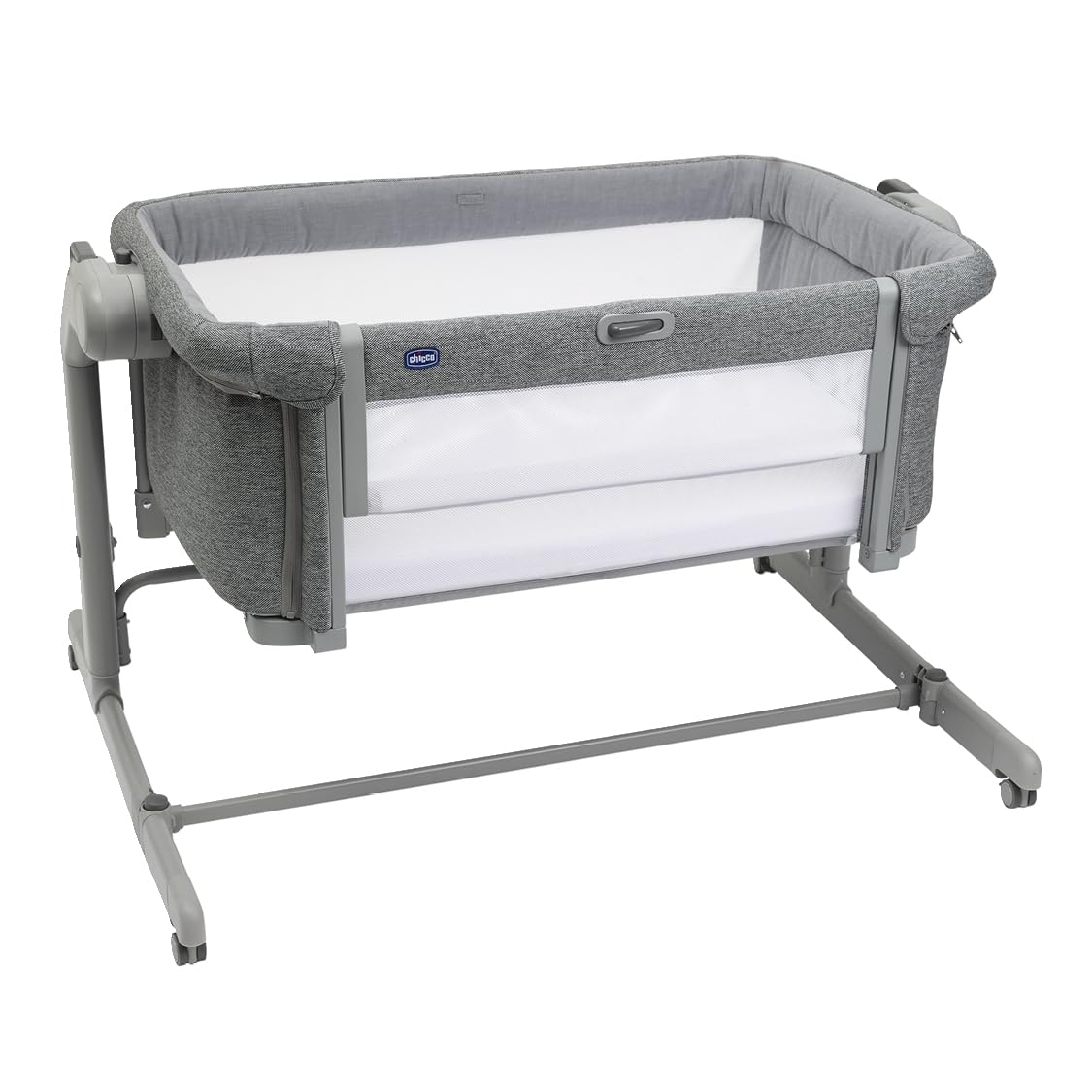
Chicco Next2Me Bedside Crib
- ✓ Mesh side panels for air circulation
- ✓ Adjustable height (6 positions)
- ✓ Tilt function for reflux
* We earn a small commission — at no extra cost to you.

Mee Mee Breathable Baby Mattress with Cooling Gel
- ✓ Cooling gel layer technology
- ✓ Anti-microbial fabric cover
- ✓ Firm support for infant spine
* We earn a small commission — at no extra cost to you.

haus&kinder Organic Muslin Swaddle Blankets (3-Pack)
- ✓ 120 GSM genuine muslin cotton
- ✓ 120x120cm large size
- ✓ Pre-washed and softened
* We earn a small commission — at no extra cost to you.
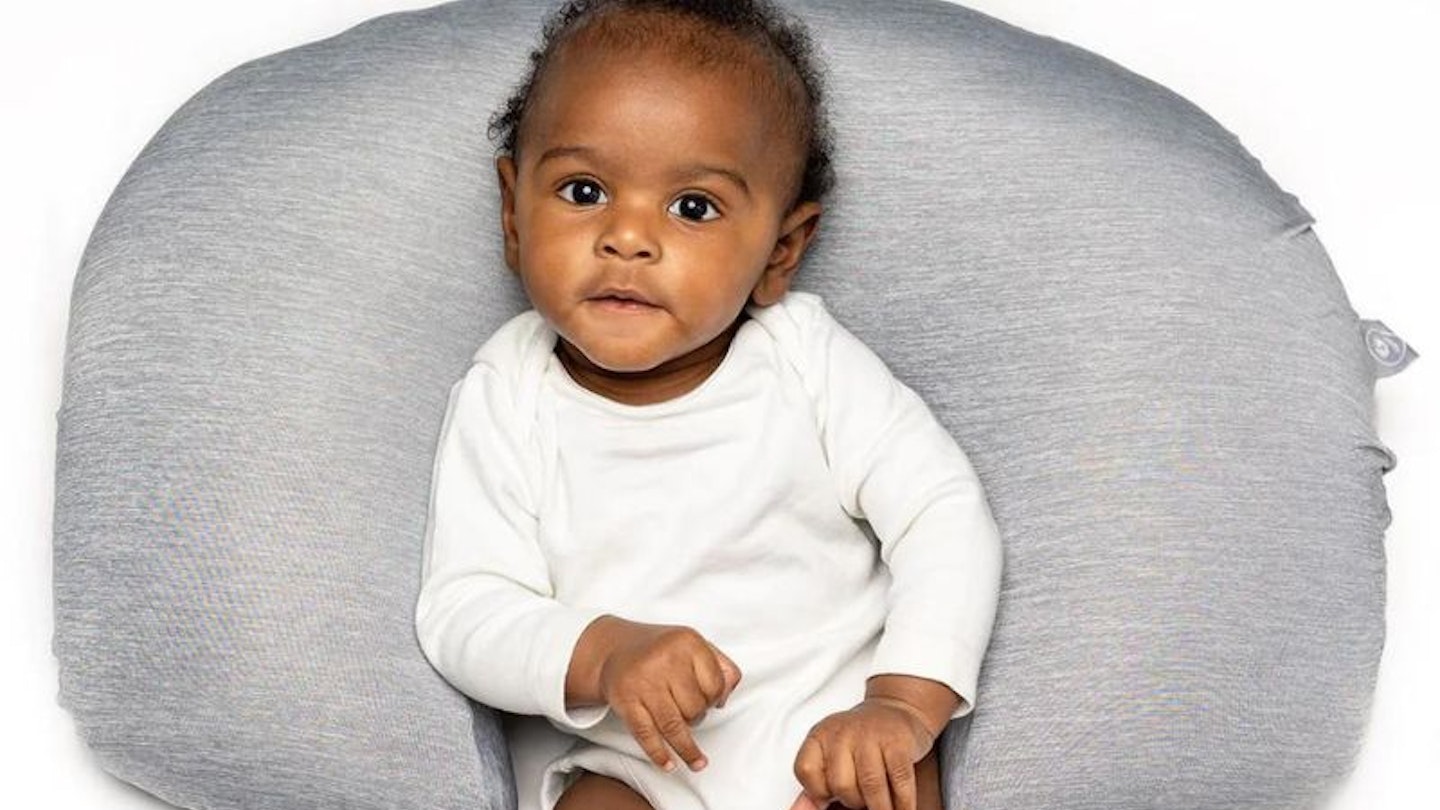
BabyGo Cooling Pillow for Infants
- ✓ Gel-based cooling technology
- ✓ 100% cotton cover
- ✓ For supervised use only
* We earn a small commission — at no extra cost to you.