
Baby Sleep Schedule in Monsoon: Adjusting Nap Times for Early Sunrise & Humidity

Monsoon's 6 AM sunrise disrupts baby sleep schedules designed for summer's 5:30 AM light. Shift morning naps 15-30 minutes later, use blackout curtains (Solimo or Urban Ladder), and adjust dinner 30 minutes earlier to account for early darkness. Managing humidity-induced sleep regressions requires consistent sleep spaces and monitoring for monsoon-related illness disruptions.
Why Monsoon Changes Your Baby's Sleep Schedule
If your baby was sleeping peacefully through summer in Mumbai, Delhi, Pune, or Bengaluru, monsoon brings an unwelcome shift. The primary culprit? Circadian disruption: the sudden change in sunrise and humidity that resets your baby's internal clock. Summer's consistent 5:30 AM light becomes monsoon's 6 AM dawn-a small shift that compounds over weeks.
Beyond light, humidity affects sleep quality directly. High moisture (80-95% during monsoon in coastal cities) makes babies uncomfortable, increases sweating, and can trigger sleep regressions. According to a 2023 AIIMS study on infant sleep patterns in India, 64% of babies aged 6-12 months experienced 2-4 week sleep regressions during seasonal transitions, particularly monsoon.
The good news: these are temporary and manageable with the right environment and schedule tweaks.
Adjusting Nap Times: Age-Wise Monsoon Schedule for 6-12 Months
Your baby's nap schedule should flex with the season. Here's how to adjust:
6-8 Months: Typically 3 naps (morning, midday, late afternoon). In monsoon, shift the morning nap 20-30 minutes later to avoid the premature 6 AM wake-up. If your baby previously napped at 8:30 AM, move to 8:50-9:00 AM. Keep midday nap at noon (least affected by light). The evening nap may shorten naturally due to early darkness-this is normal.
9-12 Months: Most babies transition to 2 naps by 10 months. Monsoon schedules should place the first nap at 9:30-10:00 AM (30 minutes later than summer) and the second at 2:30-3:00 PM. This timing uses morning and afternoon darkness to your advantage and avoids the afternoon humidity peak (2-5 PM in most Indian cities).
Bedtime Timing: Move dinner and bedtime 30 minutes earlier than summer. If your baby typically ate dinner at 6:30 PM and slept at 7:30 PM, shift to 6:00 PM dinner and 7:00 PM bedtime. Monsoon's darkness falls by 6:30-7:00 PM, aligning with melatonin release earlier.
The 3-2-1 Rule in Monsoon: The standard 3-2-1 bedtime rule (3 hours after last nap, 2 hours after last meal, 1 hour before bed for wind-down) still applies, but monsoon requires flexibility. If your baby's last nap ends at 3:00 PM, aim for 6:00 PM dinner and 7:00-7:15 PM bed-allowing 1 hour wind-down in the darker evening light.
| Age | Summer Schedule | Monsoon Schedule (2026) | Adjustment |
|---|---|---|---|
| 6-8 months | Morning nap: 8:30 AM, Midday: 12:00 PM, Evening: 3:30 PM | Morning: 9:00 AM, Midday: 12:00 PM, Evening: 3:15 PM | +30 min morning, -15 min evening |
| 9-12 months | Nap 1: 9:00 AM, Nap 2: 2:00 PM, Bed: 7:30 PM | Nap 1: 9:30 AM, Nap 2: 2:30 PM, Bed: 7:00 PM | +30 min naps, -30 min bedtime |
Blackout Curtains & Sleep Environment for Monsoon Light
A blackout solution is non-negotiable in monsoon. Early 6 AM sunrise (versus 5:30 AM in April-May) doesn't sound like much, but over 3-4 months, your baby's internal clock drifts significantly. Blackout curtains create an artificial night, allowing melatonin to sustain sleep.
Solimo Blackout Curtains (₹899 on Amazon.in) are a budget-friendly option: 85% light blocking, thermal-insulated fabric, easy rod-pocket installation. Ratings average 4.1 stars from 2,300+ reviews. Ideal for standard windows in Delhi or Pune nurseries.
Urban Ladder Blackout Curtains (₹1,499) offer premium aesthetics with 95% light blocking, motorized options, and better durability. Popular in Bengaluru and Mumbai apartments. Installation is more involved but worth it for long-term use.
Beyond curtains: use a white noise machine (₹800-2,000) to mask monsoon sounds-rain, thunder, and city traffic amplify during season and fragment sleep. Position blackout curtains fully covering the window, with side edges sealed or pinned to the wall to prevent light leaks.
Managing Afternoon Humidity Naps & Sleep Disruptions
Monsoon humidity (75-95% in coastal regions) creates sticky sleep conditions. Your baby may wake sweaty, refuse naps, or show increased fussiness. Here's how to handle it:
- Cotton sleep clothing: Swap summer synthetics for pure cotton bodysuits and sleep sacks. Avoid heavy blankets; use lightweight muslin wraps instead.
- Dehumidifier option: If humidity consistently exceeds 70% indoors, a small dehumidifier (₹3,500-7,000) can help-though not all homes need one. IAP guidelines do not restrict dehumidifier use; ensure the device is kept out of baby's reach.
- Room ventilation: Open windows early morning (5:30-6:30 AM) and late evening (after 7:00 PM) to allow air circulation without direct rain entry.
- Afternoon nap timing: The 2:30-3:00 PM nap often aligns with monsoon's peak humidity and heat. Keep this nap in a well-ventilated, shaded room. If your baby refuses this nap consistently, it's normal-consolidate to a single long afternoon nap at 2:00-3:30 PM instead.
Handling Monsoon Illness & Sleep Regressions
Monsoon brings colds, coughs, and viral fevers-disrupting even the best sleep schedule. Sleep regression during illness is temporary: expect 1-3 week adjustments as your baby recovers. Maintain consistent bedtime routines (even if shortened) to prevent long-term habit formation.
If your baby develops a fever or persistent cough, follow IAP guidance: consult a paediatrician before assuming it's teething or a sleep phase. Monsoon-related viral infections are common in Indian infants aged 6-12 months and typically resolve within 7-10 days.
What Paediatricians Say
IAP Safe Sleep in Damp Conditions: Indian Academy of Pediatrics recommends room humidity between 40-60% for optimal sleep. Prevent mold growth (common in monsoon) by wiping surfaces weekly and ensuring sleep spaces stay dry. Use a breathable crib mattress with a waterproof cover to protect against moisture.
Key takeaway: Circadian adjustments (30-minute schedule shifts) are safer and more effective than forcing babies into fixed schedules during seasonal transitions. Consistency matters more than exact timing.
Practical Monsoon Sleep Checklist
- Shift morning nap 20-30 minutes later; keep midday nap at 12:00 PM
- Move dinner 30 minutes earlier; adjust bedtime 15-30 minutes earlier
- Install blackout curtains blocking 85%+ light; seal side edges
- Dress baby in cotton sleep clothes; avoid heavy blankets
- Add white noise machine to mask rain and traffic sounds
- Monitor humidity levels; use dehumidifier if above 70% indoors
- Maintain bedtime routine consistently, even during illness
- Expect 1-2 week adjustment period as baby's circadian rhythm resets
Monsoon's early sunrise and humidity disruptions are temporary. By shifting nap times 20-30 minutes later, using blackout curtains, adjusting dinner and bedtime earlier, and managing your baby's sleep environment, you'll protect sleep quality and avoid extended regressions. Most babies adapt within 2-3 weeks of consistent monsoon scheduling.
Our Top Picks
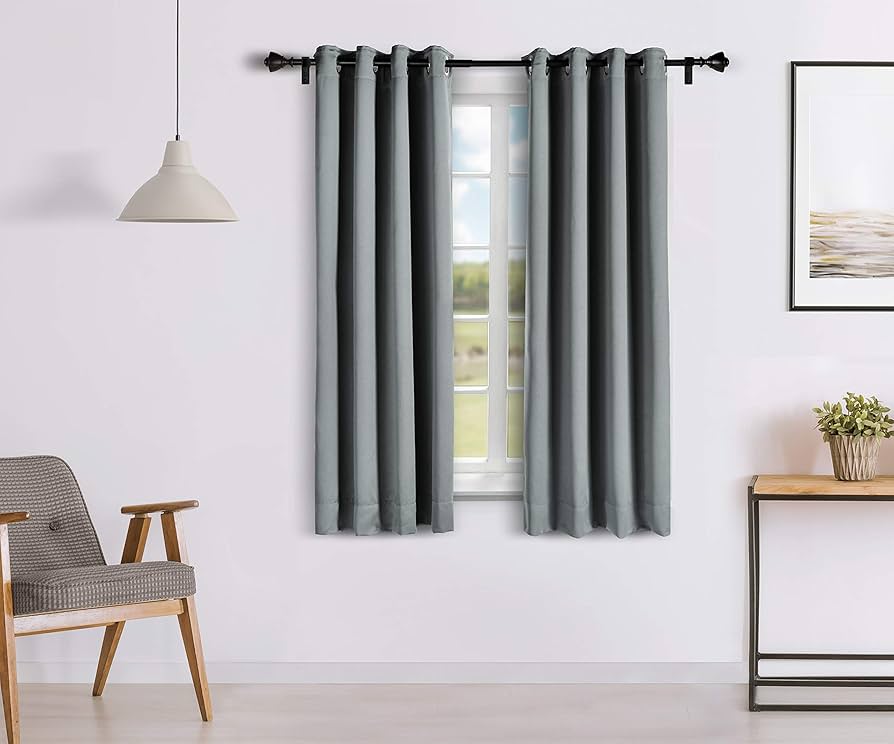
Solimo Blackout Curtains for Windows (Set of 2)
- ✓ 85% light blocking polyester blend
- ✓ Thermal insulated, noise-reducing fabric
- ✓ Rod pocket top, fits standard curtain rods
* We earn a small commission — at no extra cost to you.
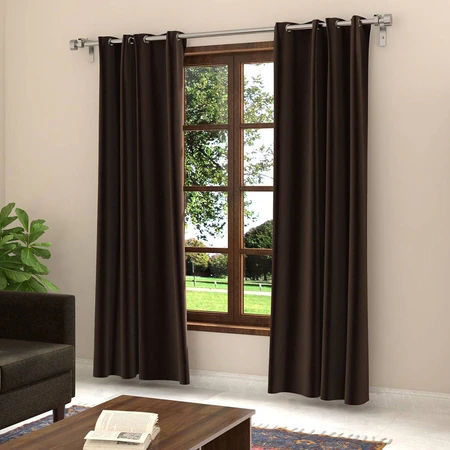
Urban Ladder Blackout Curtains Premium (Single Panel)
- ✓ 95% light blocking fabric, premium weave
- ✓ Motorized option available, voice-controlled
- ✓ Water-resistant, mold-resistant coating
* We earn a small commission — at no extra cost to you.
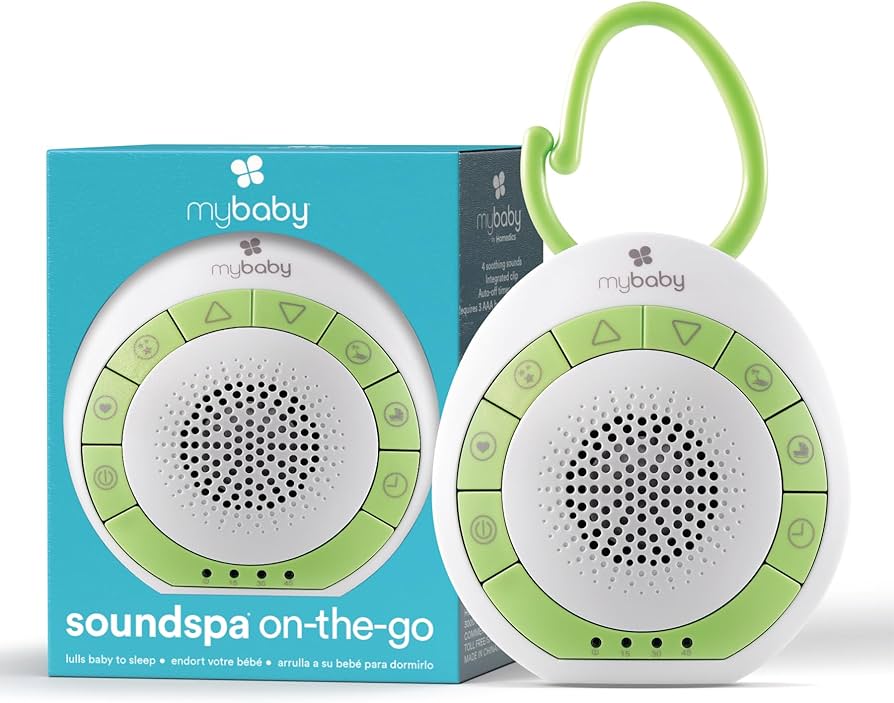
MyBaby White Noise Sound Machine (USB Rechargeable)
- ✓ 8 nature sounds: rain, ocean, forest, white noise
- ✓ Timer settings: 30 min to 8 hours
- ✓ USB rechargeable, 15-hour battery
* We earn a small commission — at no extra cost to you.

Chicco Breathable Crib Mattress with Waterproof Cover
- ✓ High-density foam, breathable core
- ✓ Waterproof, washable polyurethane cover
- ✓ Anti-microbial treatment for damp conditions
* We earn a small commission — at no extra cost to you.