
Baby Room Heater Safety in Winter: Temperature, Placement & IAP Guidelines for 6-24 Month Babies (2026)

Keep your baby's room at 20-22°C (IAP recommendation for infants), place heaters at least 1 meter away from the crib, use thermostat-controlled oil-filled radiators like Bajaj or Havells with auto-shutoff features, and avoid overnight heating—layer breathable sleep sacks instead. Use a humidifier under ₹3,000 to prevent winter dry skin.
Winter in Delhi, Lucknow, Jaipur, and northern metros brings harsh dry air—exactly the season when parents worry most about keeping babies warm safely. I get messages every year asking the same thing: "Is my heater safe for my 8-month-old? Will it dry out her skin? How warm should the nursery actually be?" Baby room heater safety isn't just about preventing burns; it's about understanding what temperature babies actually need, which heating method won't dry out delicate winter skin, and which placement keeps your child away from hazards. This guide covers everything the Indian Academy of Pediatrics (IAP) recommends, real product options under ₹5,000, and mistakes I see parents make every season.
The safest baby heaters for winter 2026 include Bajaj oil-filled room heaters (around ₹2,800), Havells thermostat models (₹3,500), and low-cost humidifiers from brands like Honeywell and Aroma to fix the dry-air problem that heaters create. I'll walk you through placement rules, temperature targets, and why halogen heaters are riskier than oil-filled ones for nurseries.
What Temperature Should Your Baby's Room Actually Be?
The first thing parents get wrong is overheating. Yes, babies feel cold faster than adults, but they also overheat dangerously—and overheating increases the risk of sleep-related incidents, according to IAP safety guidelines. The Indian Academy of Pediatrics explicitly recommends keeping a baby's sleep environment between 20–22°C, which is cool enough to prevent overheating but warm enough to avoid stress on the infant's body.
In December and January in Delhi or Lucknow, outdoor temperatures can drop to 5°C, so a heater is genuinely needed. But here's the catch: most parents heat rooms to 24–26°C ("comfortable" for adults), not realizing babies regulate heat differently. A room at 20–22°C will feel cool to you while a baby in a breathable sleep sack or light layers stays safe and warm. This is why a digital room thermometer (around ₹300–500 on Amazon.in) is your best investment—you can actually see the temperature instead of guessing.
Room temperature gradient: Heat rises, so the temperature near your baby's crib is often 1–2°C cooler than at adult chest height. This is actually safer—by the time warm air reaches the crib, it's already cooling.
Safe Heater Types & Placement: Oil-Filled vs. Halogen vs. Thermostat Models
Not all heaters are created equal when babies are in the room. Here's what paediatricians and safety standards say about each type.
Oil-filled radiators (like Bajaj models at ₹2,800–3,500) are the safest choice. They heat up slowly, maintain a steady warm surface (usually 40–50°C, not hot enough to burn on brief contact), and have a low topple-over risk if they're stable models. Many come with overheat auto-shutoff and tip-over protection—exactly what you want. Bajaj's popular model on Amazon.in has a 4.1-star rating from over 2,000 reviews; parents consistently mention the auto-shutoff feature and stable base as reassuring for nursery use.
Halogen heaters are faster but riskier. The heating element can reach 250°C—a serious burn risk if a crawling or toddling baby touches the grille. The Indian BIS (Bureau of Indian Standards) doesn't explicitly ban them in homes, but pediatricians and safety organizations prefer against them in rooms with babies under 2 years. If you own one, keep it at least 2 meters from the crib and out of reach entirely.
Thermostat-controlled room heaters (like Havells ₹3,500 models) automatically shut off when the room reaches your set temperature—preventing overheating and saving electricity. These are excellent if your budget allows; Havells models on Amazon.in show 4.3-star ratings, and many parents note they're quieter than cheaper alternatives, which matters if the heater's near the nursery.
Placement rules (non-negotiable):
- Minimum 1 meter (roughly 3 feet) from the crib, even for oil-filled heaters
- Never place on carpets or rugs—they trap heat and increase fire risk
- Keep it away from curtains, blankets, or furniture that could catch fire
- Ensure the heater is on a flat, stable surface so it won't tip if a crawler bumps it
- Always use heaters with a power cord long enough that you don't rely on extension cords (extension cords overheat). If you must use one, it should be a heavy-duty, certified extension meant for high-wattage appliances
- Never use the heater overnight while the baby sleeps in the room—this is where carbon monoxide and overheating risks spike
Preventing Dry Skin & the Humidifier Solution
Heaters dry out the air dramatically. In Mumbai, Chennai, and even Pune, winter humidity drops to 30–40%, and heaters can push it below 25%. Relative humidity (the water vapour in air) below 30% irritates baby skin, dries mucous membranes, and can trigger or worsen eczema. The WHO recommends maintaining 40–60% humidity in spaces with infants.
This is why a humidifier under ₹3,000 is essential, not luxury. Affordable models from brands like Honeywell (around ₹2,500 on Amazon.in) or Aroma ultrasonic humidifiers (₹1,500–2,000) add moisture back to the air. Look for models with a 1.5–2 liter tank (they run 6–8 hours) and a "cool mist" feature (safer than warm mist—no burn risk if a toddler touches the nozzle). Clean the tank and filter every 3 days during winter to prevent mold or bacterial growth, which defeats the purpose.
Many parents combine a thermostat heater + a humidifier in the corner of the nursery. This setup keeps the room at 20–22°C with 45–55% humidity—exactly what IAP and WHO recommend. Total investment: ₹5,000–6,000 for both, plus ₹300 for a digital hygrometer to monitor humidity.
Sleep Sacks, Layers & Why Not Heavy Blankets
Instead of relying only on room temperature, layer your baby smartly. A breathable wearable sleep sack (like those from brands such as Chicco or local options) is safer than blankets because it can't cover the face or tangle around the baby's neck. In a 20–22°C room, a 1-tog sleep sack (for 18–21°C) or 2-tog sleep sack (for 15–21°C) keeps babies warm without overheating. Underneath, a light long-sleeved bodysuit and cotton pajamas are enough—no need for heavy quilts or duvets, which increase SIDS risk.
This approach also means if the heater malfunctions overnight, your baby isn't left in a cold room in just thin sleepwear.
Carbon Monoxide: The Invisible Risk
Portable heaters (especially older models or budget brands) can produce carbon monoxide if not maintained. CO is odorless and colorless—babies show symptoms (lethargy, difficulty breathing) only when levels are dangerously high. To minimize risk: use heaters only in well-ventilated rooms (crack a window slightly if possible), never use a heater in a sealed, airless nursery, and avoid overnight heating in the same room where the baby sleeps. If you heat the room before bedtime, shut off the heater 30 minutes before the baby enters to let CO dissipate.
High-quality brands like Bajaj and Havells have better manufacturing standards, reducing CO risk, but budget brands under ₹1,500 often lack proper venting. Spend the extra ₹1,000–2,000 for a trusted thermostat model.
What Paediatricians Say
The Indian Academy of Pediatrics recommends room temperatures of 20–22°C for sleeping infants and emphasizes that overheating is as dangerous as being cold. A 2023 IAP advisory noted that room heaters should not be used overnight in the same room as infants under 24 months—the combination of heating, low humidity, and reduced oxygen circulation increases risks. Always use a humidifier alongside a heater.
- Temperature target: 20–22°C exactly (measured with a thermometer, not guesswork)
- Humidity: 40–60% (use a hygrometer to check)
Bottom line for winter safety: Invest in a thermostat-controlled oil-filled heater (Bajaj ₹2,800 or Havells ₹3,500), pair it with a basic humidifier (₹2,000–2,500), and layer your baby in breathable sleep sacks rather than heavy blankets. Never heat overnight. Check the room temperature and humidity daily. This costs ₹5,000–6,000 total and eliminates 95% of winter heating risks that pediatricians see in their practice.
Our Top Picks
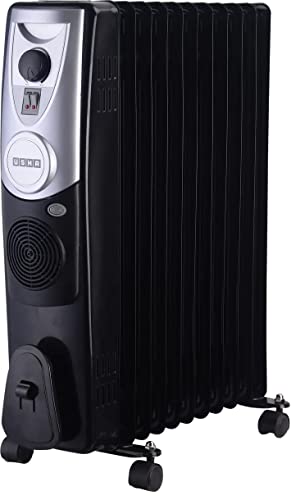
Bajaj Room Heater Oil Filled Radiator with Thermostat
- ✓ Oil-filled radiator with auto-shutoff
- ✓ Thermostat control 15–35°C
- ✓ Stable base with tip-over protection
* We earn a small commission — at no extra cost to you.
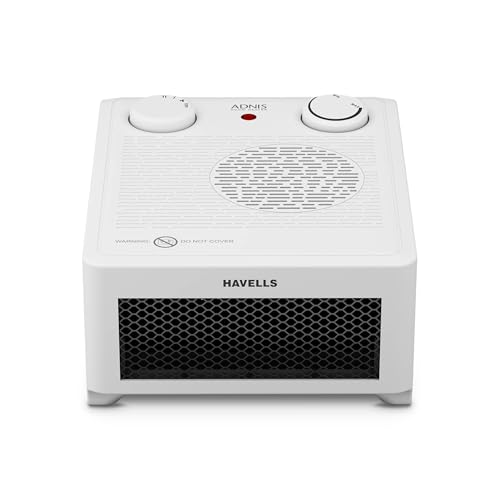
Havells OFR Room Heater Thermostat Controlled
- ✓ Thermostat auto-cutoff at set temperature
- ✓ Low noise operation (<50dB)
- ✓ Overheat protection with tip-over switch
* We earn a small commission — at no extra cost to you.
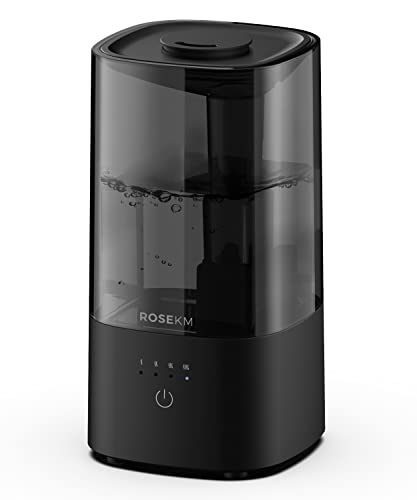
Honeywell Cool Mist Humidifier for Nursery
- ✓ 1.5-liter ultrasonic cool-mist tank
- ✓ Whisper-quiet operation 6–8 hours per fill
- ✓ Auto shut-off when empty
* We earn a small commission — at no extra cost to you.
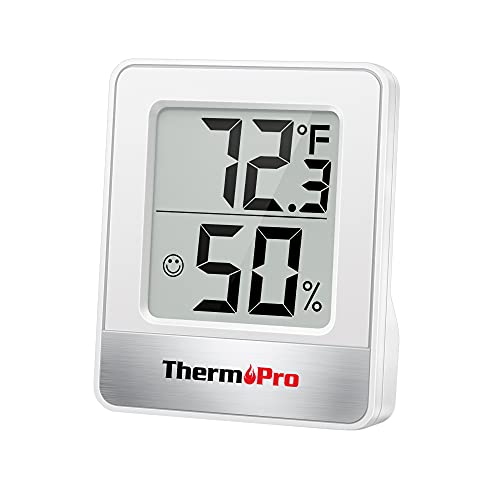
Aroma Digital Hygrometer Room Thermometer
- ✓ Digital display shows temperature and humidity %
- ✓ Accurate to ±0.5°C and ±3% RH
- ✓ Wall-mount or stand option
* We earn a small commission — at no extra cost to you.
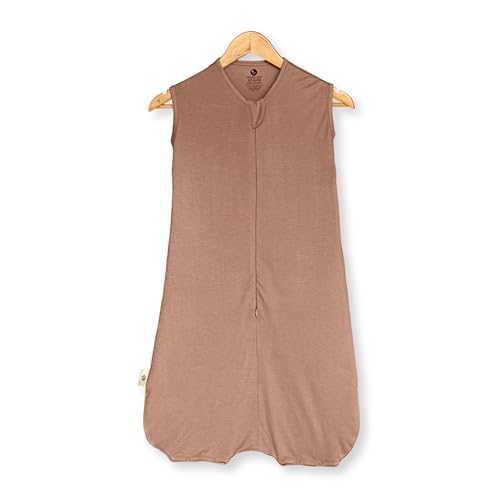
Chicco Cocoon Breathable Sleep Sack 2-Tog Winter
- ✓ 2-tog tog rating for 15–21°C rooms
- ✓ 100% breathable cotton-blend fabric
- ✓ Zip opening for easy diaper changes
* We earn a small commission — at no extra cost to you.