
Baby Room Setup for Summer Heat: Complete Checklist for Indian Homes (Updated 2026)
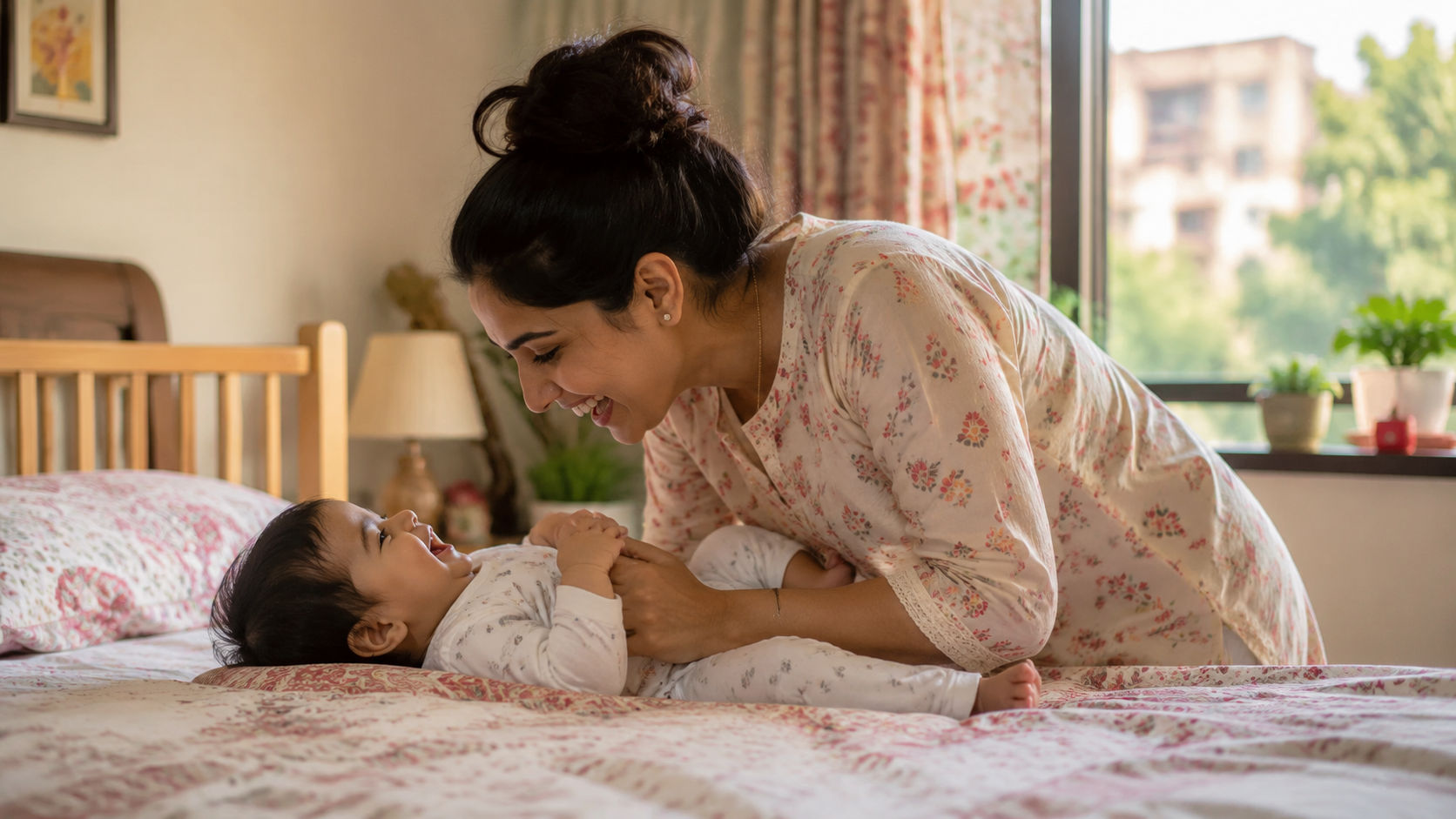
Set up your baby's summer room by positioning the AC away from direct airflow onto the crib, keeping the room at 22–26°C (use a digital thermometer), ensuring a breathable mattress protector (₹800–1500), using light cotton sheets, maintaining 40–60% humidity, and avoiding fans that blow directly on the baby. Follow IAP safe sleep guidelines: crib placement away from windows and heat sources, firm mattress, and no loose bedding.
I know this feeling — it's 42°C outside, your baby is restless at night, and you're worried they're too hot. We spent our first summer after my daughter was born adjusting and readjusting her room setup. After talking to our paediatrician and reading IAP guidelines, we created a practical checklist that actually works in Indian homes, whether you have a central AC, split units, or even a cooler.
This guide walks you through every aspect of baby room setup for summer heat, from AC and cooler placement to the right mattress protectors and temperature monitoring — all tested in real Indian homes across tier-1, tier-2, and tier-3 cities.
Summer Baby Room Checklist: Room-by-Room Setup
- AC Placement & Airflow Direction
Position your AC unit so cool air does not blow directly onto the crib. Angle the output toward the opposite wall, allowing the room to cool evenly. If you have a split AC, set it 0.5–1 metre away from the baby's sleeping area and use a deflector if available. Install the unit at least 1.5 metres high to prevent cold air from settling at baby level. Why it matters: Direct cold airflow can cause bronchial irritation and discomfort; indirect cooling maintains a steady, safe temperature. - Cooler Positioning (if you use a water cooler)
Place the cooler in a corner opposite the crib, with the outlet facing away. Keep the cooler at least 1 metre from the sleeping area. Ensure water changes daily to prevent mould and bacterial growth. Why it matters: Water coolers add moisture to the room; proper positioning prevents direct humidity swings that can worsen breathing issues. - Crib Location Away from Windows & Heat Sources
Move the crib to an interior wall, at least 1–1.5 metres away from windows and external walls that absorb daytime heat. Never place the crib directly under a ceiling fan or AC vent. Keep the crib away from heaters, radiators, or direct sunlight. Why it matters: Sunlight heats the crib mattress rapidly; exterior walls retain heat even at night, creating temperature inconsistency. - Breathable Mattress Protector (₹800–1500)
Invest in a certified breathable mattress protector made from moisture-wicking fabric (often polyurethane or bamboo-blend materials). Check the product label for certification marks indicating it meets Indian BIS standards for infant sleep products. Brands like Moms Home, Babyhug, and Chicco offer options in this price range on Amazon.in. Why it matters: Standard plastic protectors trap heat and moisture; breathable versions reduce the risk of overheating and allow air circulation around the mattress. - Light Cotton Sheets & Bedding
Use 100% cotton, light-coloured sheets (white, pale yellow, pale blue) for the crib. Avoid dark colours that absorb heat. Ensure sheets fit snugly to meet IAP safe sleep standards — loose sheets are a sudden infant death syndrome (SIDS) risk. Wash sheets in cool water 2–3 times per week during summer. Why it matters: Light cotton breathes; dark fabrics absorb up to 30% more heat. Frequent washing removes sweat and bacteria that thrive in humid conditions. - Digital Thermometer (₹300–600)
Place a reliable digital thermometer at crib height (not on the mattress, but on a shelf or wall mount 30 cm above the sleeping area). Check the temperature every 2–3 hours during the day and once during night feeds. Brands like Dr. Morepen, Amplify, and Omron have basic digital thermometers within this budget on Amazon.in. Why it matters: Room temperature should stay between 22–26°C for safe infant sleep; consistent monitoring prevents dangerous overheating or overcooling. - Humidity Control (40–60% Range)
A hygrometer (humidity meter) costs ₹400–800 on Amazon.in and helps you track moisture levels. If humidity exceeds 70% (common in coastal cities like Mumbai or Chennai), run the AC for 30 minutes in dehumidify mode or open a window for 10 minutes in early morning when outdoor air is cooler. If it drops below 30%, place a bowl of water near (but not touching) the crib, or use a small ultrasonic humidifier set to 50% output. Why it matters: High humidity worsens heat stress and mould growth; low humidity dries airways and increases cough risk in babies. - Fan Usage (Safe Positioning)
If you use a ceiling fan, ensure it's set to the lowest speed and positioned at least 2 metres away from the crib. Never use a table or wall fan directly on the baby. Ceiling fans improve overall air circulation without creating a direct cold draft. Why it matters: Direct fan airflow can cause body temperature to drop suddenly and increase SIDS risk; indirect circulation helps evaporate moisture without cold stress. - Light-Coloured Curtains & Blackout Option
Use light cotton or linen curtains in white or cream to reflect sunlight rather than absorb it. Keep one lightweight blackout panel on hand (₹600–1000) to darken the room during naps if exterior temperatures spike above 40°C. Why it matters: Reflected sunlight keeps room temperature down by 3–5°C; darkening during peak heat (2–4 PM) reduces the cooling load on your AC. - Moisture-Wicking Sleep Clothing
Dress your baby in single-layer, light cotton rompers or thin vests during the day. At night, use cotton sleep sacks (if available; brands like Babyhug and Moms Home offer summer versions for ₹800–1200) instead of quilts. Avoid nylon or polyester blends that trap sweat. Why it matters: Layering or synthetic fabrics increase core body temperature; light, breathable clothing allows sweat evaporation and heat dissipation.
Temperature Monitoring: What Paediatricians Say
What Paediatricians Say
IAP (Indian Academy of Pediatrics) Safe Sleep Guidelines for Summer: Keep baby's room between 22–26°C and maintain relative humidity at 40–60%. An infant's body cannot regulate temperature as efficiently as adults — they overheat quickly and cool down slowly. Monitor skin temperature (should feel warm, not hot) rather than relying on room temperature alone. If your baby's neck or back feels damp with sweat, the room is too warm or the baby is overdressed.
- SIDS Risk Increases: Overheating increases sudden infant death syndrome risk by 21–25% according to WHO data; proper room temperature and breathable bedding are primary preventive measures.
- Hydration Matters: Offer frequent feeds (breast milk or formula) to maintain hydration; summer increases fluid loss through sweat and faster respiration.
Real Price Guidance for Summer Room Setup
Here's a realistic breakdown for Indian parents setting up a summer-safe baby room in 2026:
| Item | Price Range (Rs.) | Priority |
|---|---|---|
| Breathable Mattress Protector | 800–1500 | Essential |
| Digital Thermometer | 300–600 | Essential |
| Hygrometer (Humidity Meter) | 400–800 | High |
| Cotton Sleep Sacks (Summer) | 800–1200 | High |
| Light Cotton Sheets (Pack of 3) | 600–1000 | Essential |
| Lightweight Blackout Panel | 600–1000 | Medium |
| Hyaluronic Acid Humidifier | 1500–2500 | Optional |
Total for essential setup: ₹2700–3500. Most Indian parents already have an AC and fan; these additions ensure safe, comfortable sleep without major investment.
Setting up your baby's room for summer isn't just about comfort — it's about safety. A 42°C room combined with overheating increases SIDS risk significantly, and improper AC placement can cause respiratory issues. The checklist above follows IAP safe sleep principles adapted for Indian climate conditions and budget. Test the setup for 2–3 nights, adjust based on your baby's comfort (watch for sweating, restlessness, or rapid breathing), and don't hesitate to contact your paediatrician if your baby shows signs of heat stress like persistent fever, lethargy, or rashes.
Our Top Picks
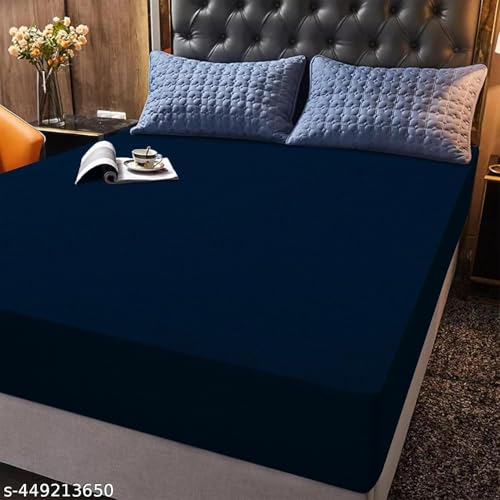
Moms Home Breathable Crib Mattress Protector 100% Cotton Waterproof Layer
- ✓ 100% cotton top layer with polyurethane backing
- ✓ Fits standard crib mattress (70x140 cm)
- ✓ Machine washable, hypoallergenic
* We earn a small commission — at no extra cost to you.
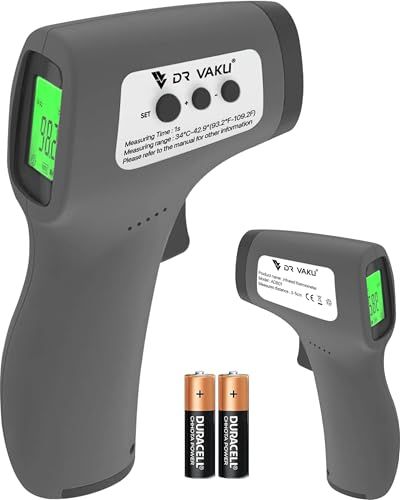
Dr. Morepen Instant Digital Thermometer MT-101 Non-Contact Forehead
- ✓ Quick 1-second reading
- ✓ Large LCD display
- ✓ Memory storage for 10 readings
* We earn a small commission — at no extra cost to you.
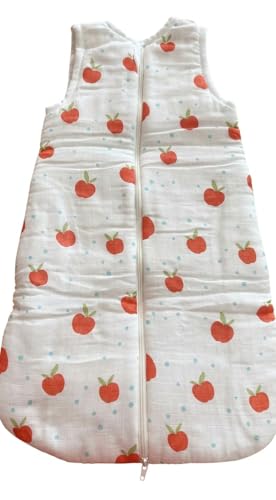
Babyhug Summer Collection Cotton Muslin Sleep Sack Thin Weight
- ✓ 100% cotton muslin fabric
- ✓ Lightweight design for hot climates
- ✓ Fits 0–12 months, weighted neck opening for safety
* We earn a small commission — at no extra cost to you.
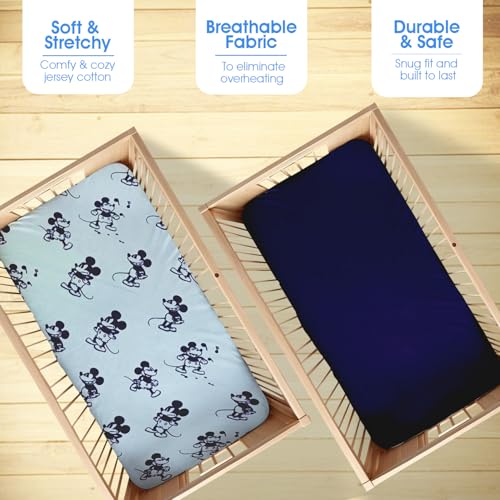
Chicco Cotton Fitted Crib Sheets Set of 3 Light Colours
- ✓ 100% pure cotton, summer weight
- ✓ Fits 70x140 cm standard cribs
- ✓ Pack of 3 white and pale yellow
* We earn a small commission — at no extra cost to you.
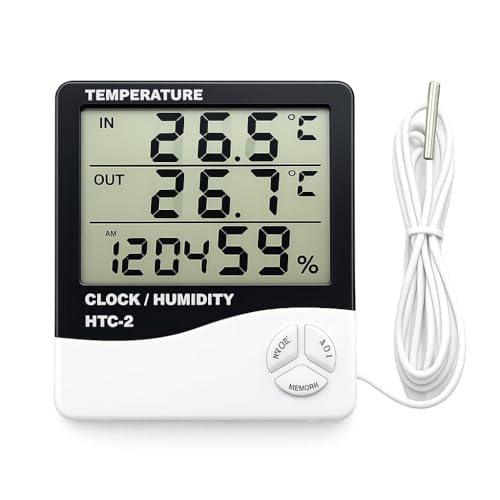
Amplify Digital Humidity and Temperature Monitor Hygrometer
- ✓ Dual display: temperature and humidity
- ✓ Indoor mounting with 3M adhesive
- ✓ 0–100% humidity range, -10 to 50°C temperature
* We earn a small commission — at no extra cost to you.