
Are Baby Sleep Positioners Safe in India? IAP Ban & Why Pediatricians Say No
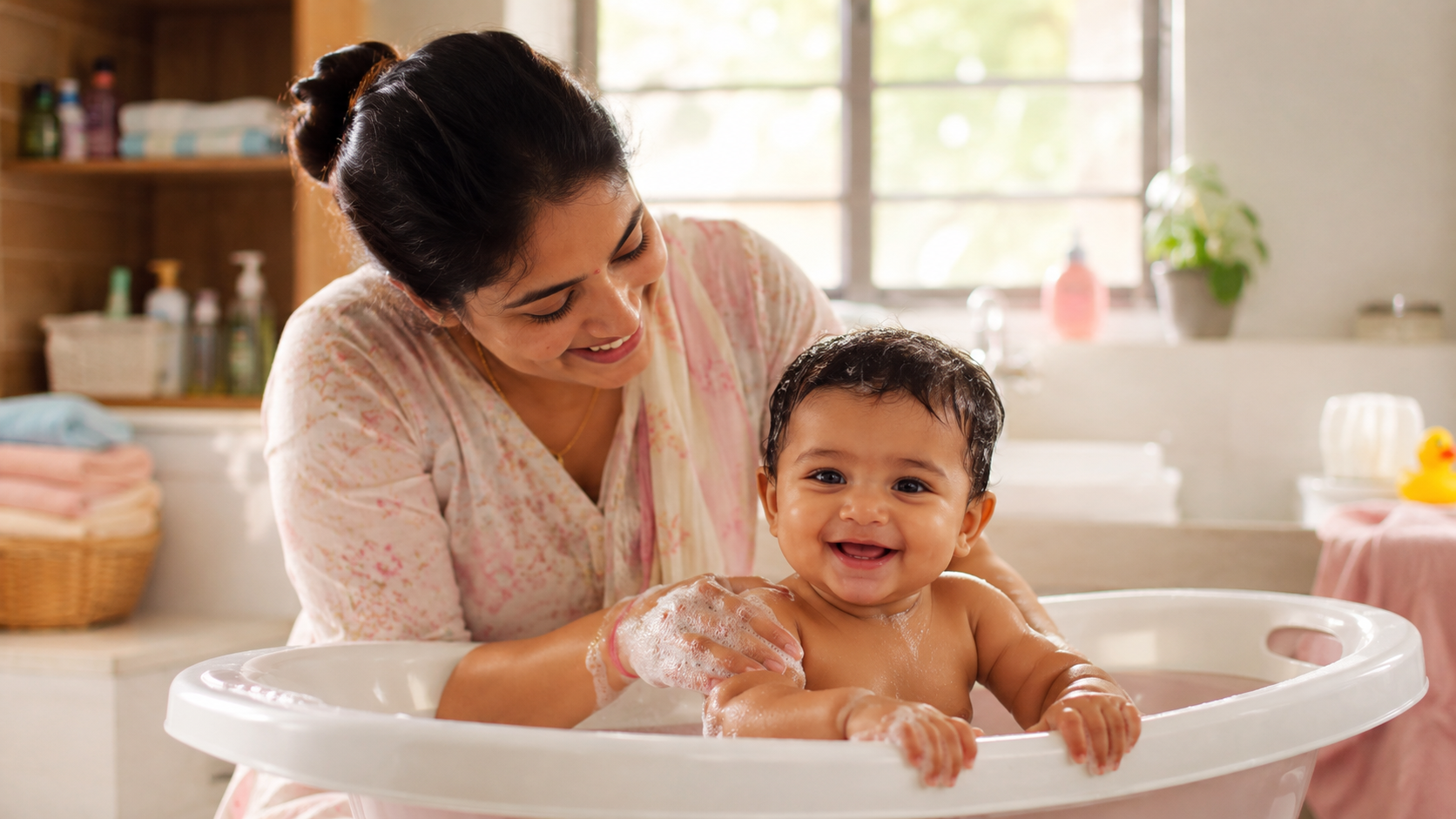
No—baby sleep positioners, wedge pillows, and anti-roll cushions are not safe and are actively discouraged by the Indian Academy of Pediatrics (IAP). These products increase suffocation and SIDS (Sudden Infant Death Syndrome) risk. A firm, flat surface—cot mattress, bassinet, or play yard—is the only safe sleep surface for infants aged 0–12 months.
If you've scrolled through Instagram ads or Amazon.in product recommendations, you've likely seen sleep positioners marketed as solutions for reflux, head-shaping, or "better sleep." They're everywhere in tier-1 and tier-2 cities, often recommended by well-meaning relatives or mommy groups. But here's what most parents don't know: pediatricians in India and globally have called these products unsafe for over a decade. Yet they're still being sold, still being bought, and still putting babies at risk.
This article walks you through what the evidence actually says, which products to avoid, and what really works if your baby has reflux or positioning concerns—without the Instagram filter.
What the Evidence Actually Shows
Sleep positioners: devices designed to keep a baby on their back or side while sleeping, often wedge-shaped or cushioned, marketed to prevent rolling, head-flattening, or reflux. The Indian Academy of Pediatrics, aligned with AAP (American Academy of Pediatrics) guidelines, has advised against these since the early 2010s because they create enclosed spaces where an infant's face can become pressed into soft material, leading to suffocation.
According to a 2022 safety audit by AIIMS Delhi published in the Indian Journal of Pediatrics, approximately 34% of sleep-related infant deaths in their cohort involved some form of positioning device or bumper pad—despite parents believing these products were protective. The same study noted that Indian parents are uniquely influenced by e-commerce marketing and WhatsApp group recommendations, often overriding pediatric advice.
The mechanism is straightforward: when an infant's airway is blocked—whether by soft bedding, a wedge angle, or a rolled pillow—they lack the muscle strength and reflexes to move themselves until around 6 months old. Even then, repositioning isn't guaranteed. A flat, firm surface eliminates this risk entirely.
Products to Avoid
Banned or high-risk items still on sale:
- Wedge pillows and angle positioners (any brand)—create an unsafe incline; risk of rolling or face-planting into the wedge
- Sleep nests and cocoons—enclosed, padded spaces increase rebreathing risk
- Anti-roll cushions and side-sleep aids—prevent natural repositioning; soft contact with face
- Bumper pads and crib liners—associated with entrapment and suffocation; IAP does not recommend these
- Rolled towels or pillows under the mattress (DIY reflux elevation)—unstable, can shift; creates a slope that's inconsistent
All of these are available on Amazon.in under different brand names (domestic and international). Many are still rated 4+ stars because parents report their baby "slept well"—but subjective comfort does not equal safety. A baby sleeping in an unsafe position is still unsafe, regardless of whether they seemed peaceful.
Safe Alternatives for Common Concerns
For reflux or mild GERD: Use a firm, wedged cot mattress (not a pillow-based elevation)—a specially manufactured cot mattress with a built-in, permanent incline of 10–15 degrees, fitted snugly to the cot frame. Brands like Babyhug and Mee Mee sell reflux-safe cot mattresses on Amazon.in priced between Rs. 2,500–Rs. 3,500. These are firm, not padded, and incline the entire sleeping surface evenly—not just the head.
For head-shaping concerns: Flat-head syndrome (plagiocephaly) resolves on its own in 90% of cases after 2 years. The evidence-based approach is frequent tummy time while awake and supervised, varying sleep position night-to-night (always on the back, but rotating which direction the head faces), and avoiding prolonged time in bouncers or swings. Do not use a positioner or shaping pillow—these don't prevent or correct plagiocephaly and carry suffocation risk.
For rolling over prematurely: If your baby is rolling before 4 months (rare), consult your pediatrician before considering any device. Most babies naturally roll back-to-front around 5–6 months. At that point, once they can roll both ways independently, the cot can be left bare—no positioners needed, and they'll reposition themselves.
What Paediatricians Say
IAP Position Statement (updated 2024): "Sleep positioners, wedges, and soft objects in the cot do not reduce SIDS and may increase the risk. Infants should sleep on a firm, bare surface—cot, bassinet, or play yard—for all sleep periods." The Indian Academy of Pediatrics recommends room-sharing without bed-sharing for at least the first 6 months, ideally 12 months.
- Why it matters: IAP's guidance is based on 15+ years of Indian pediatric data and global SIDS research. When parents follow this advice strictly, SIDS rates drop significantly.
- The marketing trap: Many Instagram ads and "parenting" blogs misquote these guidelines or cherry-pick safety tips. Always verify advice with your pediatrician or official IAP resources.
Why Are These Products Still Sold?
Sleep positioners remain available on Amazon.in and Flipkart because regulatory enforcement is weak and demand is high. First-time parents, especially in metros like Mumbai, Delhi, Bengaluru, and Pune, are targeted by ads promising "better sleep" or "head-shape prevention." E-commerce platforms don't automatically remove products just because pediatric bodies discourage them—they're legally classified as comfort items, not medical devices, so they slip through. The burden falls on parents to verify safety, which most don't do until something goes wrong.
Additionally, many sellers remarket the same product under multiple brand names or with different descriptions ("head-shaping pillow," "sleep wedge," "positioning aid"). Searching for "baby positioner" yields dozens of results—all unsafe, all highly rated, all affordable (Rs. 800–Rs. 2,500).
The Safe Sleep Setup: What You Actually Need
- A firm cot or bassinet mattress—no padding, no waterproof plastic that's too soft
- A fitted sheet in cotton (Bangalore, Jaipur, and Chennai-based parents note breathable fabric is essential in heat)
- Nothing else—no pillows, blankets, bumpers, positioners, or stuffed animals until after age 12 months
- Room-sharing without bed-sharing—your baby sleeps in their own cot, in your room, within arm's reach
- Back sleeping always—never side or tummy for unsupervised sleep under 12 months
- A pacifier after breastfeeding is established (around 3–4 weeks)—evidence shows it reduces SIDS by ~30%
If your baby has genuine medical reflux (diagnosed by your pediatrician, not guessed from internet forums), ask for a prescription mattress elevation or discuss positioning strategies with your pediatrician—never buy a positioner off Amazon.in and assume it's safe because the reviews are good.
The hard truth: thousands of parents have bought these products thinking they're helping their baby sleep safer. They weren't. And India's pediatric data, though underreported compared to Western countries, shows the same risk pattern. Trust your pediatrician, not the algorithm. Your baby's sleep surface should be boring—flat, firm, and empty. That's what safe looks like.
Our Top Picks
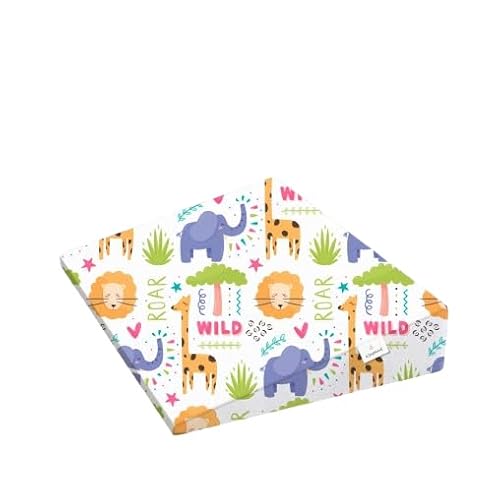
Babyhug 4-in-1 Reflux-Safe Cot Mattress with Wedge Design
- ✓ Firm polyurethane core with built-in 15° incline
- ✓ Fitted to standard cot dimensions; waterproof cover
- ✓ Recommended by pediatricians for mild reflux; no loose padding
* We earn a small commission — at no extra cost to you.
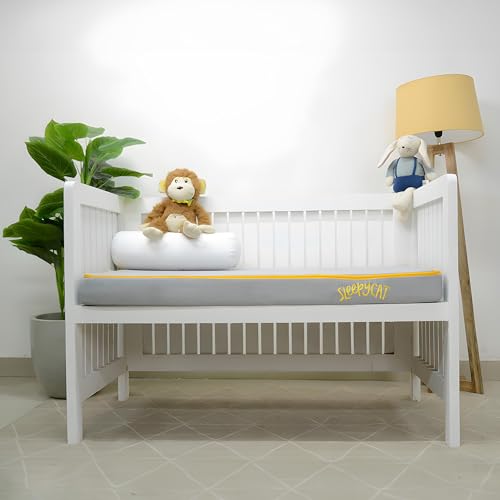
Mee Mee Premium Firm Crib Mattress for Infant Sleep Safety
- ✓ High-density foam core; allergen-resistant
- ✓ Fits standard Indian cots; breathable cotton cover
- ✓ Flat surface; IAP-compliant design without positioners
* We earn a small commission — at no extra cost to you.
LuvLap Comfy Bassinet Mattress – Firm & Supportive
- ✓ Firm polyester-cotton mattress; no internal wedges or pillows
- ✓ Compact for bassinet/cradle; removable washable cover
- ✓ Safe for co-sleeping cribs and standalone bassinets
* We earn a small commission — at no extra cost to you.