
Baby Sleep During Monsoon Power Cuts: Backup Solutions & Safety Guide for 2026

During monsoon power cuts, keep a rechargeable fan (₹1,299-2,499), battery-powered white noise machine (₹899), and inverter-compatible baby monitor on standby. Use breathable cotton sleep sacks instead of heavy blankets, ensure air circulation even without AC, and monitor for mold in the nursery-a common trigger for sleep disruption in tier 2/3 cities during June-September.
It's 2:47 AM. The power just cut off. Your air conditioner dies. The white noise machine goes silent. Your 14-month-old, who's been sleeping soundly for 45 minutes, stirs. Within seconds, she's awake and crying. The humidity hits you like a wall.
This is the monsoon reality for Indian parents, and it's not just an inconvenience-it disrupts your baby's sleep cycle and leaves you scrambling at midnight. If you live in Delhi, Mumbai, Bengaluru, Jaipur, Lucknow, or any tier 2/3 city, you know these outages aren't rare. They're seasonal. They're predictable. And they're solvable-if you plan ahead.
This guide covers the exact backup systems that work, the safety rules you need to follow without AC, and how to prevent the mold and humidity that make monsoon nights even harder on your baby's sleep.
Rechargeable Fans & Cooling Solutions for Blackouts
The first rule: air circulation without electricity is your baseline. A rechargeable fan is non-negotiable.
Rechargeable Baby Fan: A battery-powered or USB-rechargeable fan (₹1,299-2,499) keeps air moving when the main power dies. Unlike traditional fans, these charge fully in 4-6 hours and run for 6-12 hours on a single charge, depending on the model. Place it strategically-never directly on the crib, but at an angle to circulate air across the room without creating a draft on your baby.
Top models include the Eureka Rechargeable Fan (4.6 stars, 2,100+ reviews on Amazon.in, ₹1,899) and the Bajaj Rechargeable Personal Fan (4.4 stars, 3,200+ reviews, ₹1,499). Both are compact, durable, and designed for Indian monsoon humidity. Battery life matters more than size here-a 10-hour runtime is the sweet spot.
During a blackout, even a 5-minute runtime gives your baby time to fall back asleep before the fan dies. If you're in a city like Mumbai or Pune where outages last 2-4 hours, a dual-fan backup (one plugged in, one charging) is practical.
Battery-Powered White Noise & Inverter-Compatible Monitors
Silence wakes babies. White noise: consistent ambient sound that masks sudden environmental changes (sirens, rain, neighborhood dogs). Without it, every power fluctuation-the AC shutting off, lights dimming-triggers micro-awakenings.
A battery-powered white noise machine (₹899-1,299) is essential. The Marpac Dohm Uno (₹1,199, 4.5 stars) and the Dreamegg White Noise Machine (₹899, 4.3 stars, 1,800+ reviews) both run 10+ hours on 4 AA batteries. Keep two sets of batteries in your nightstand. When power cuts, turn on the white noise immediately-it conditions your baby's brain to stay asleep despite the environmental shift.
For monitors, an inverter-compatible baby monitor is crucial. If your home has a home inverter (common in tier 1/2 cities during monsoon), your monitor stays on. But if you don't have one, a battery-backup monitor is your next best option. The Motorola MBP36S (₹8,999, 4.4 stars) supports battery backup mode and stays functional for 2-3 hours. Don't rely solely on your phone for monitoring during outages-network disruptions often coincide with power cuts, and your phone will drain fast without charging.
Breathable Sleep Sacks & Safe Sleep Without AC
Breathable sleep sacks: wearable blankets made from 100% cotton or muslin (not weighted, not quilted) that replace traditional blankets and keep your baby at a safe temperature without overheating. During power cuts when AC is off, the room temperature rises 2-3°C within 30 minutes. A sleep sack prevents your baby from kicking off blankets and overheating-a key safety concern IAP (Indian Academy of Pediatrics) flags for hot, humid nights.
Use a 0.5-1.0 TOG (Thermal Overall Grade) sack during monsoon months. The Burt's Bees Organic Cotton Sleep Sack (₹2,499, 4.6 stars, 1,200+ reviews) and the Mothercare Organic Cotton Sleepsuit (₹1,899, 4.4 stars) are both available on Amazon.in and sized for 6-36 months. Never add loose blankets, pillows, or bumpers to the crib during blackout nights-these increase overheating risk.
| Product Category | Budget Option | Mid-Range | Premium | Runtime/Battery |
|---|---|---|---|---|
| Rechargeable Fan | Bajaj (₹1,499) | Eureka (₹1,899) | Philips (₹2,499) | 8-10 hours |
| White Noise | Dreamegg (₹899) | Marpac (₹1,199) | LectroFan (₹1,899) | 10-15 hours |
| Sleep Sack (6-36m) | FirstCry Brand (₹1,199) | Burt's Bees (₹2,499) | Woolino (₹3,499) | N/A (cloth) |
| Baby Monitor | Angelcare (₹6,999) | Motorola MBP36S (₹8,999) | Nanit (₹15,999) | 2-3 hrs battery |
Humidity & Mold Prevention During Monsoons
Tier 2/3 cities-Lucknow, Jaipur, Indore, Nagpur-face mold growth during June-September power cuts because AC units dehumidify naturally. Without power, moisture builds up in closets, under windows, and around the crib. Mold: fungal growth triggered by high humidity (above 60%), which triggers sleep disruption, congestion, and allergic reactions in babies.
Prevention checklist:
- Place silica gel packets (₹299 for a pack of 10, reusable) in the nursery, closet, and under the crib. Replace or recharge them every 3-4 days during extended blackouts.
- Run a small dehumidifier (₹2,999-4,499, inverter-compatible) if you have a home inverter. This is non-negotiable in coastal or high-humidity regions.
- Wipe the crib and mattress with a dry cloth every morning to prevent moisture accumulation. Never use bleach-use a mild vinegar solution (1 part vinegar to 3 parts water) if mold spots appear.
- Keep windows cracked open at night (even 4-6 inches) to allow air exchange, but use a window guard to prevent insects. Cross-ventilation reduces humidity faster than fans alone.
Safety Rules for Hot, Humid Nights Without AC
Room temperature above 30°C with humidity above 70% creates heat stress risk in infants. IAP guidelines recommend keeping the nursery between 20-24°C, but during power cuts, you'll hit 28-32°C. Here's what's safe:
- Use only a lightweight (0.5 TOG) cotton sleep sack-nothing else.
- Dress your baby in a single layer: lightweight cotton bodysuit or diaper-only sleep.
- Check your baby's nape (back of neck) every 2 hours-it should feel cool or warm, never hot or clammy.
- Offer water or breastfeed more frequently; dehydration risk is real during extended heat and humidity.
- Keep a handheld battery fan on your nightstand to manually cool the room if the rechargeable fan dies.
What Paediatricians Say
Overheating during sleep is linked to sleep disruption and increased risk of infections in infants 6-24 months, especially during monsoon when humidity traps body heat. IAP recommends that parents prioritize air circulation over perfect silence during power cuts. A slightly noisy but cool room is safer than a quiet, overheated one. Keep a thermometer in the nursery and monitor temperature-if it exceeds 30°C for more than 2 hours, move your baby to a cooler room temporarily.
Prepare Your Backup System Now
Monsoon starts in June, but blackouts peak in July-August. Don't wait. Buy your rechargeable fan, white noise machine, and sleep sacks this week. Charge everything fully. Test your monitor's battery mode. Place silica gel in the nursery. Set a phone reminder to check mold spots weekly.
The investment? ₹6,000-8,000 total. The peace of mind? Priceless. Your baby will sleep through the next blackout-and so will you.
Our Top Picks
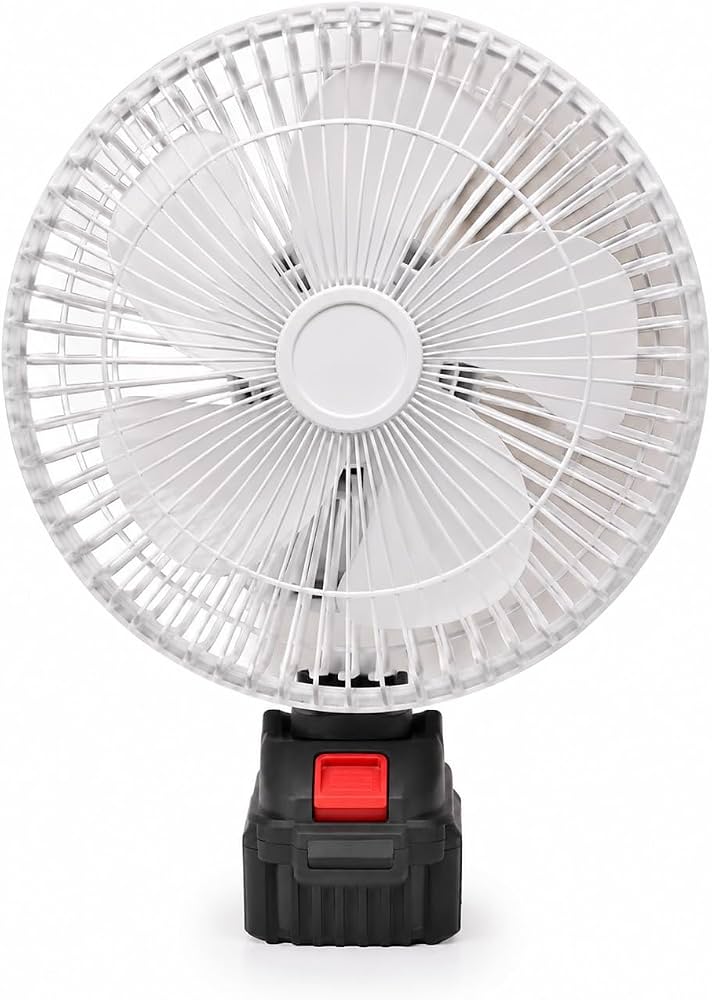
Eureka Rechargeable Fan 10-Inch with USB Charging
- ✓ 10-hour runtime on single charge
- ✓ USB and battery rechargeable
- ✓ Compact portable design
* We earn a small commission — at no extra cost to you.
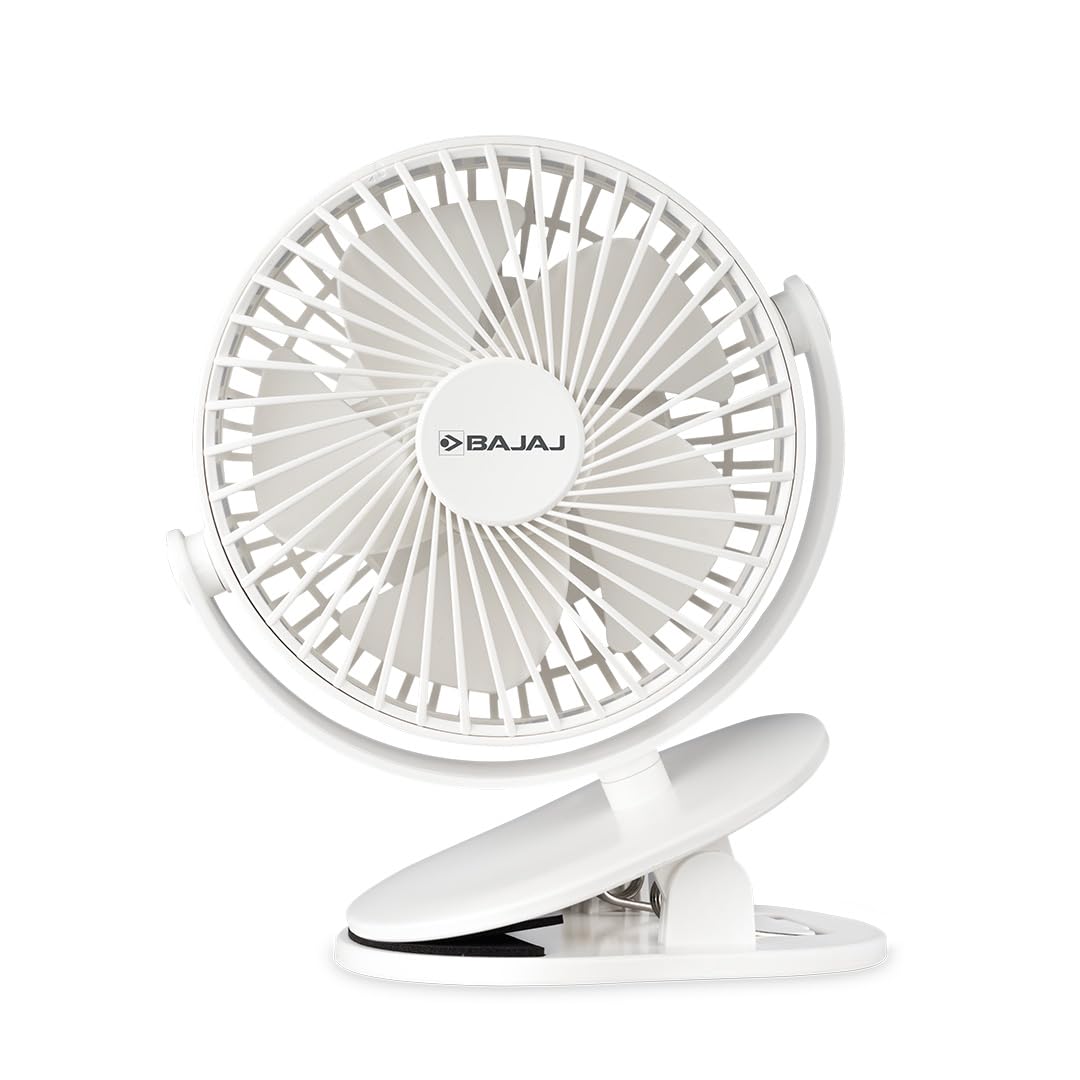
Bajaj Rechargeable Personal Fan 5-Inch
- ✓ 8-hour battery life
- ✓ Dual USB and battery charging
- ✓ Lightweight at 280g
* We earn a small commission — at no extra cost to you.
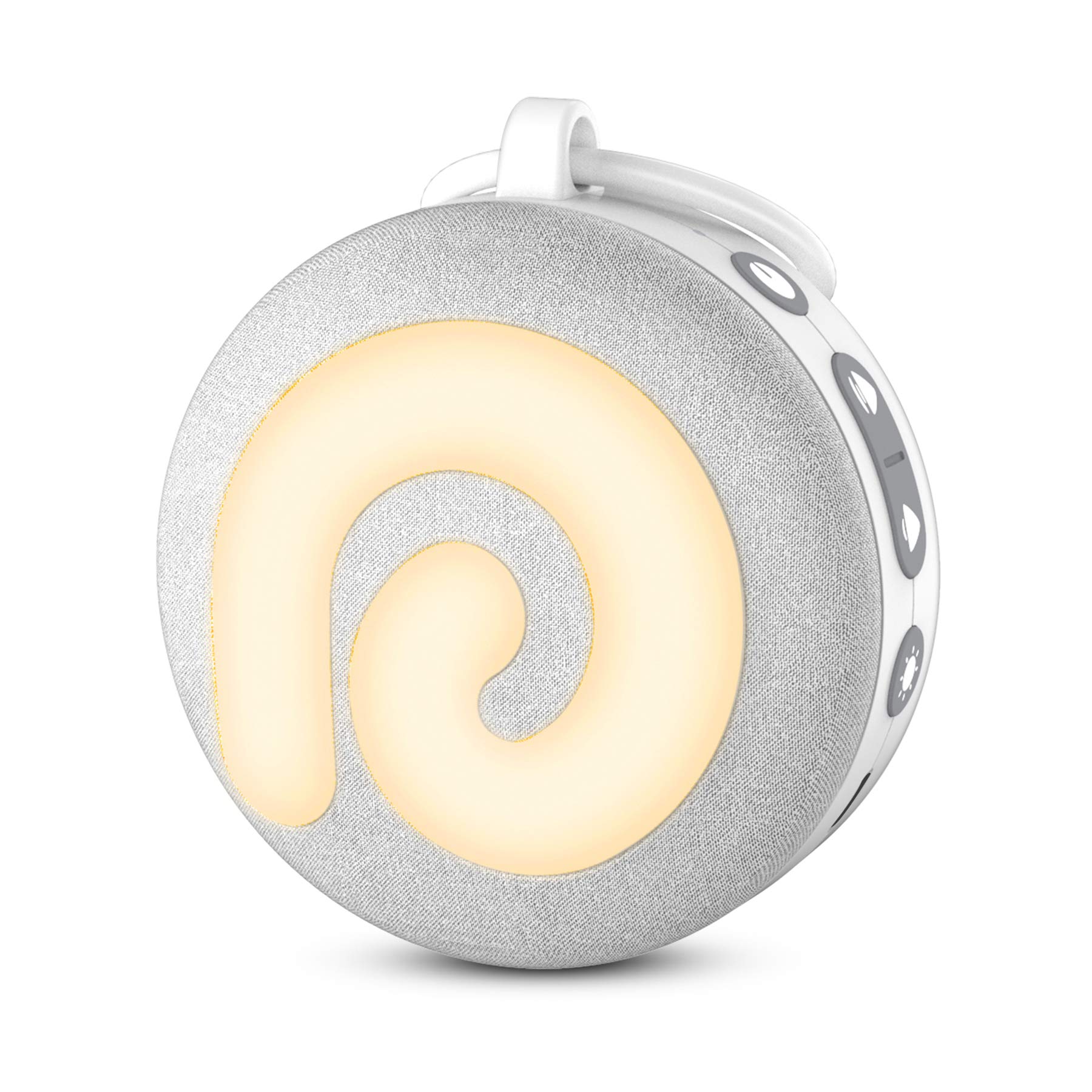
Dreamegg White Noise Machine with Battery Backup
- ✓ 10+ hours on 4 AA batteries
- ✓ 20+ white noise and nature sounds
- ✓ Sleep timer function
* We earn a small commission — at no extra cost to you.
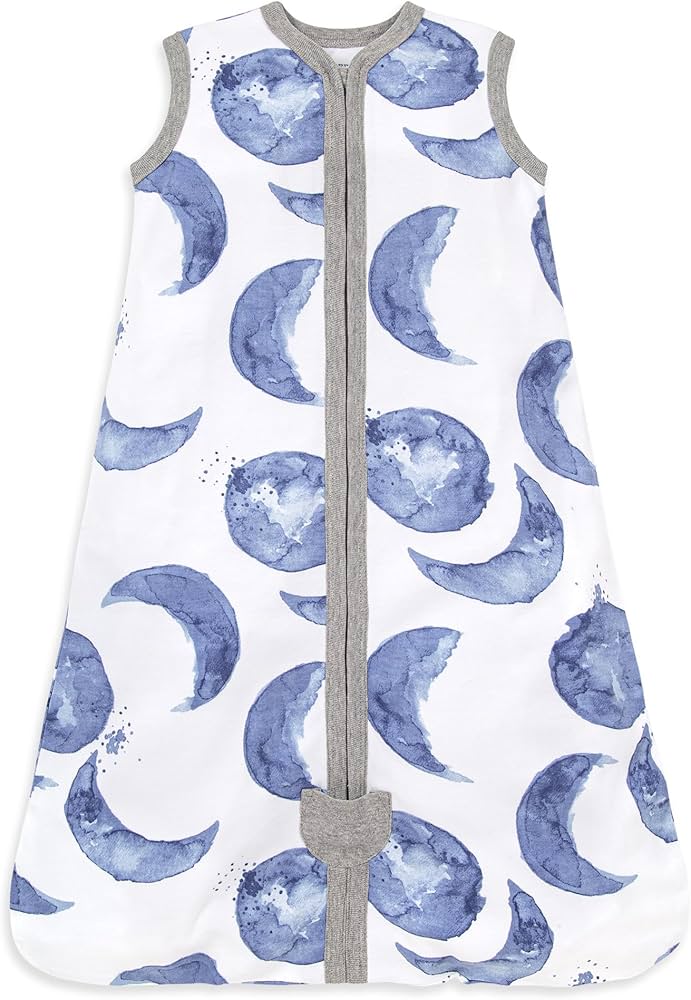
Burt's Bees Organic Cotton Wearable Sleep Sack 6-36 Months
- ✓ 100% organic cotton
- ✓ 0.5 TOG lightweight
- ✓ Breathable muslin
* We earn a small commission — at no extra cost to you.
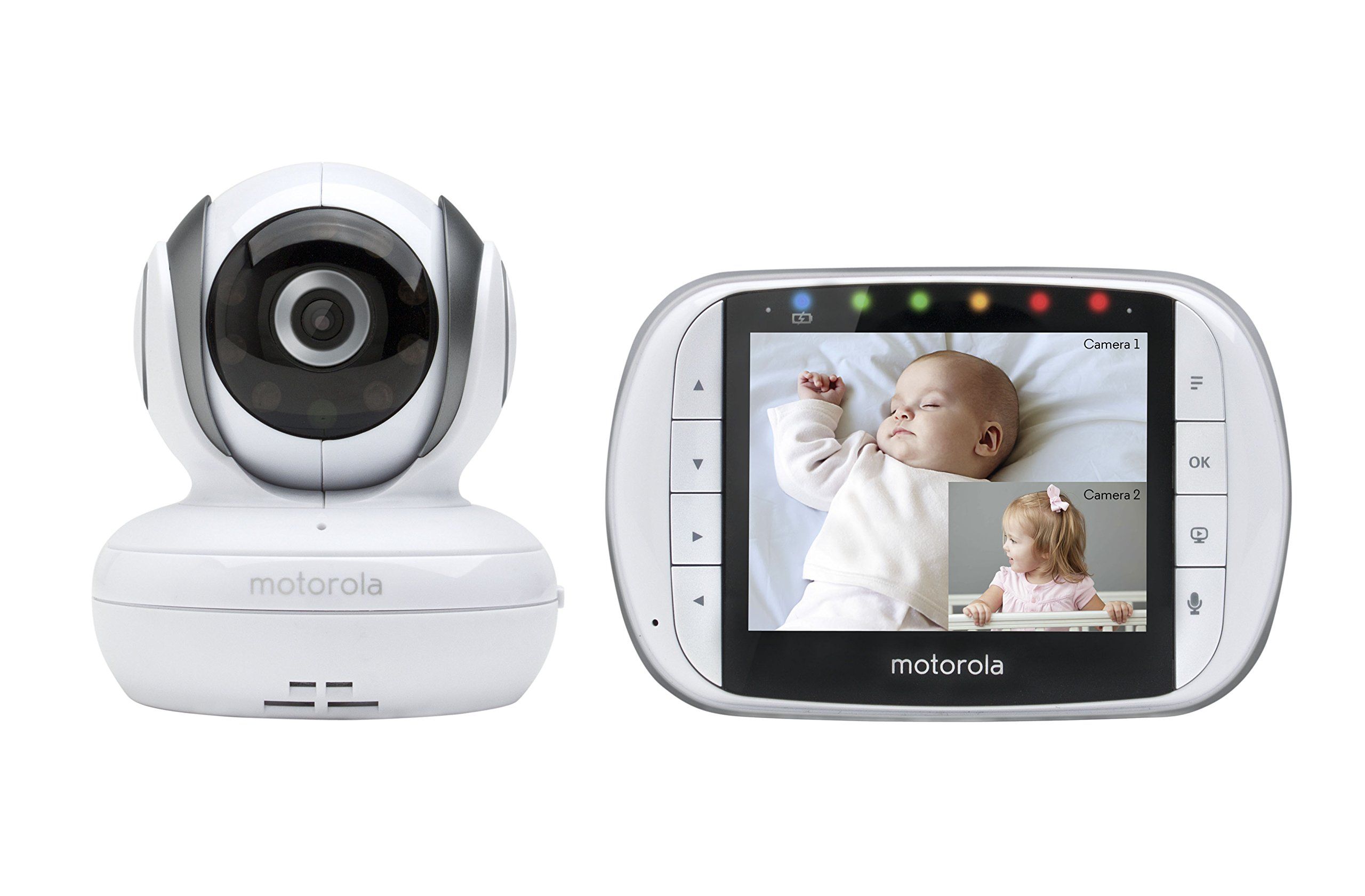
Motorola MBP36S Baby Monitor with Battery Backup
- ✓ 2-3 hour battery backup mode
- ✓ Inverter compatible
- ✓ Two-way talk back
* We earn a small commission — at no extra cost to you.
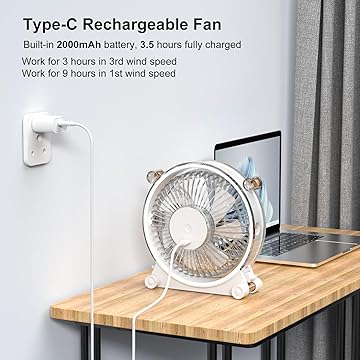
Philips Rechargeable Fan 12-Inch USB Charging
- ✓ 12-hour runtime
- ✓ USB Type-C fast charging
- ✓ Tilting head mechanism
* We earn a small commission — at no extra cost to you.