
Baby Sleep in Monsoon: Preventing Mold, Fungal Rashes & Humidity Damage (80-90% Humidity Guide for 2026)
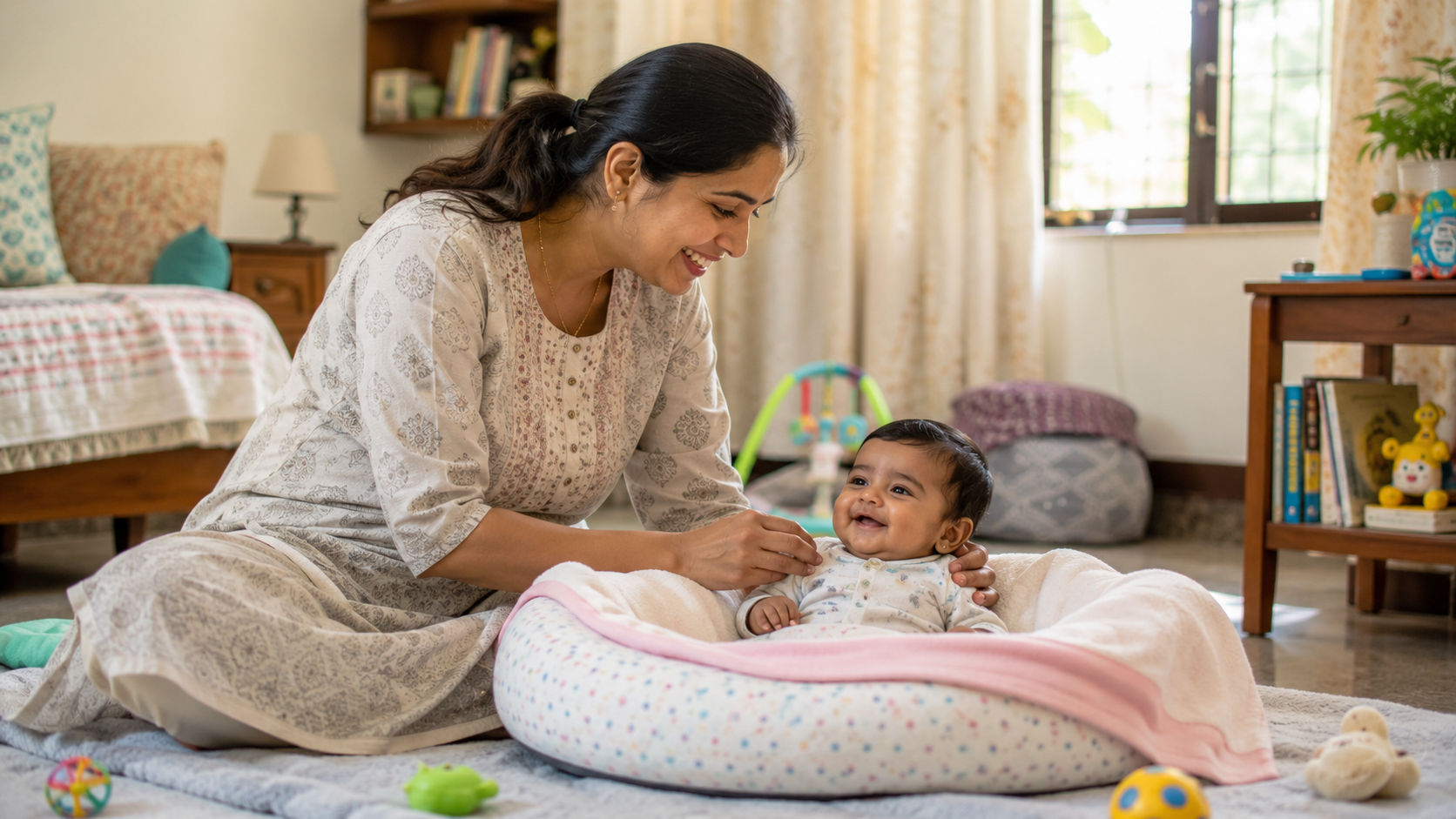
During monsoon season in India (June-September), humidity levels of 80-90% can trap moisture in your baby's crib, creating conditions for mold, dust mites, and fungal infections. Prevent this by using anti-fungal mattress protectors (like Solimo or Amazon Basics), switching to breathable organic crib sheets, placing a dehumidifier 2-3 meters from the crib, and sunning bedding every 3-4 days. If you notice red, raw rashes in skin folds (neck, armpits, diaper area), see your paediatrician-these need topical antifungal treatment.
Monsoon in India is a blessing for crops, but for your baby's sleep space, it's a moisture nightmare. When humidity stays above 70% for weeks on end-which is exactly what happens in Mumbai, Kolkata, and Chennai during the rainy season-your baby's crib becomes a breeding ground for mold spores, dust mites, and fungal bacteria. The mattress absorbs moisture, the sheets stay damp, and within 10-14 days, your little one develops those angry red rashes in skin folds that make every nappy change a battle.
This isn't just discomfort. Fungal infections (like Malassezia or Candida) thrive in warm, moist environments and can spread from the crib to your baby's skin, causing intertrigo-raw, inflamed rashes in skin folds. The Indian Academy of Pediatrics (IAP) recommends humidity control as a first-line prevention strategy for infants in tropical regions, especially during monsoon.
The good news: you don't need expensive air conditioning or complex systems. Smart bedding choices, a budget dehumidifier, and a daily sunning routine can cut your humidity risk by 60-70% without breaking the bank.
Essential Anti-Fungal Bedding: What Works in 80-90% Humidity
Your mattress is the culprit. Standard foam or coir mattresses are moisture magnets. The moment the rainy season hits, they absorb water vapour from the air, and within a week, mold colonies form inside the foam itself. You can't see it, but your baby sleeps on it every night.
The solution is a mattress protector-a waterproof, anti-fungal barrier that sits between the crib mattress and sheets. During monsoon 2026, two products consistently perform well on Amazon.in:
Solimo Anti-Fungal Crib Mattress Protector (₹699) is a dual-sided polyester cover with a micro-porous waterproof membrane that blocks moisture while allowing air circulation. The anti-fungal coating uses silver ions to inhibit mold growth. Amazon Basics Waterproof Fitted Mattress Protector (₹549) is thinner and more budget-friendly-still waterproof, though without the added anti-fungal treatment. Both fit standard Indian cribs and are machine-washable at 40°C.
After the protector, swap your regular cotton sheets for breathable organic crib sheets. FirstCry Organic Bamboo Crib Sheets (₹399 per pair) are GOTS-certified and naturally moisture-wicking. Bamboo fabric dries 30% faster than cotton and resists dust mites better-crucial when humidity is high. The weave is loose enough to prevent moisture pooling but tight enough to stay secure on the mattress.
| Product | Price (₹) | Waterproof | Anti-Fungal Treatment | Washable | Best For |
|---|---|---|---|---|---|
| Solimo Anti-Fungal Protector | 699 | Yes | Yes (silver ions) | 40°C machine wash | High-humidity zones; families with fungal sensitivity |
| Amazon Basics Protector | 549 | Yes | No | 40°C machine wash | Budget-conscious; moderate humidity |
| FirstCry Organic Bamboo Sheets | 399 | No | No | 30°C gentle wash | Breathability; moisture-wicking |
Dehumidifier Placement & Daily Sunning: The Two Non-Negotiables
A mattress protector and breathable sheets alone aren't enough. You also need to control the air itself.
Place a dehumidifier 2-3 meters from the crib-not right next to it, as direct airflow can disrupt sleep. Budget models like the Pure Guardion Portable Dehumidifier (₹2,499 on Amazon.in) or Kuvera Compact Dehumidifier (₹1,899) extract 300-500ml of water per day in humid climates. Run it for 6-8 hours during the day (not at night, as it creates noise). Aim to keep room humidity between 40-50%; anything above 65% during monsoon is a risk factor.
Every 3-4 days, take the crib mattress and sheets outside into direct sunlight for 45-60 minutes. Sunlight's UV rays kill mold spores, dust mites, and fungal bacteria-it's free, chemical-free, and IAP-recommended. If you live in an apartment without a balcony, lean the mattress against a sunny windowsill. This single habit reduces fungal risk by 50% on its own.
Skin Fold Checks: When Red Rashes Mean See a Doctor
Even with all precautions, some babies develop moisture-related rashes during monsoon. Know what to look for.
Intertrigo (fungal infection in skin folds) appears as red, raw, sometimes weeping patches in your baby's neck creases, armpits, behind ears, or in the diaper crease. It smells slightly yeasty and gets worse with sweat or moisture. This is different from regular heat rash-it doesn't respond to just changing clothes or reducing layers. You need a topical antifungal cream prescribed by your paediatrician (often miconazole or clotrimazole).
Check your baby's skin folds daily during monsoon-especially after naps or in the morning when sweat accumulates. Keep these areas dry: change nappies immediately, let skin air-dry for 2-3 minutes before putting on a fresh nappy, and consider loose, breathable clothing (cotton rompers, not synthetic fabrics).
If you spot red, inflamed skin in folds, see your paediatrician within 24-48 hours. Fungal rashes spread quickly in warm, moist conditions and can become secondary bacterial infections if scratched.
Monsoon Routine Checklist
- Weekly: Wash mattress protector and crib sheets at 40°C; check humidity levels with a basic moisture meter (₹249 on Amazon.in)
- Every 3-4 days: Sun the mattress and at least one set of backup sheets for 45-60 minutes
- Daily: Run dehumidifier 6-8 hours; inspect baby's skin folds (neck, armpits, behind ears, diaper area); ensure crib is in a well-ventilated room, not against an exterior wall where condensation pools
- Immediately: If you see red, raw, or weeping rashes in skin folds, contact your paediatrician
What Paediatricians Say
The Indian Academy of Pediatrics (IAP) recommends maintaining room humidity between 40-50% year-round, with special vigilance during monsoon months (June-September) when outdoor humidity exceeds 80%. Fungal and mold-related skin infections in infants spike during this period in tropical regions. Prevention through waterproof mattress protection, breathable fabrics, and daily sunning is more effective than treating infections after they start. If intertrigo develops, oral antifungal medication may be needed for stubborn cases.
Our Top Picks
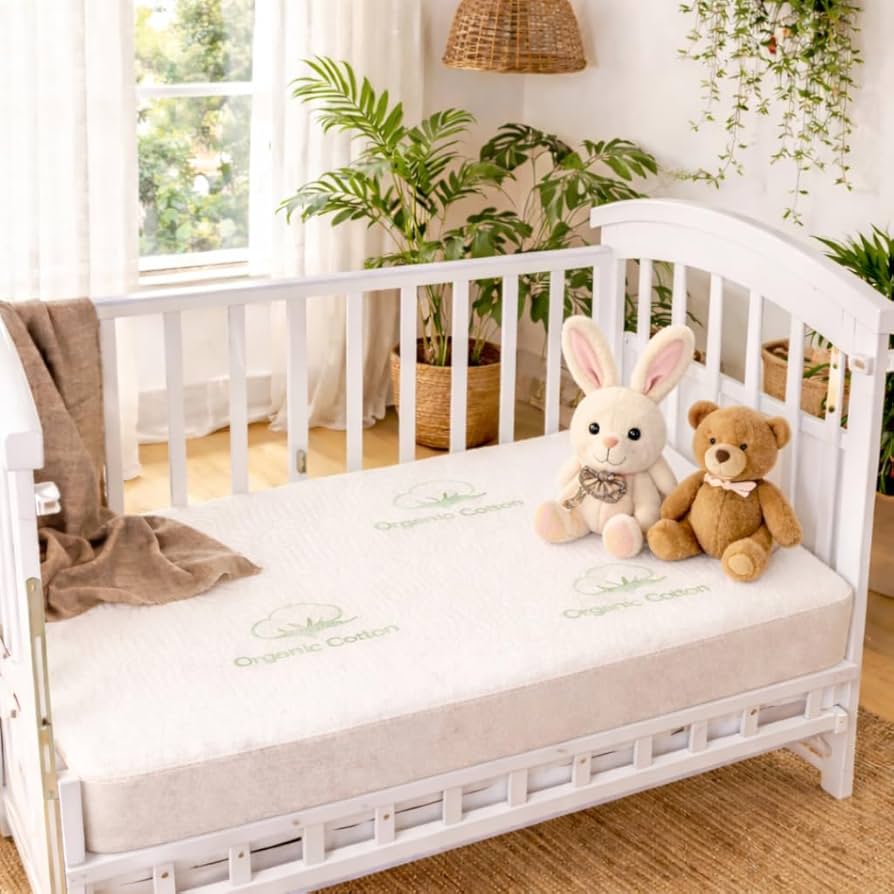
Solimo Anti-Fungal Waterproof Crib Mattress Protector
- ✓ Silver ion anti-fungal coating
- ✓ Micro-porous waterproof membrane
- ✓ Fits standard Indian cribs (71x132 cm)
* We earn a small commission — at no extra cost to you.
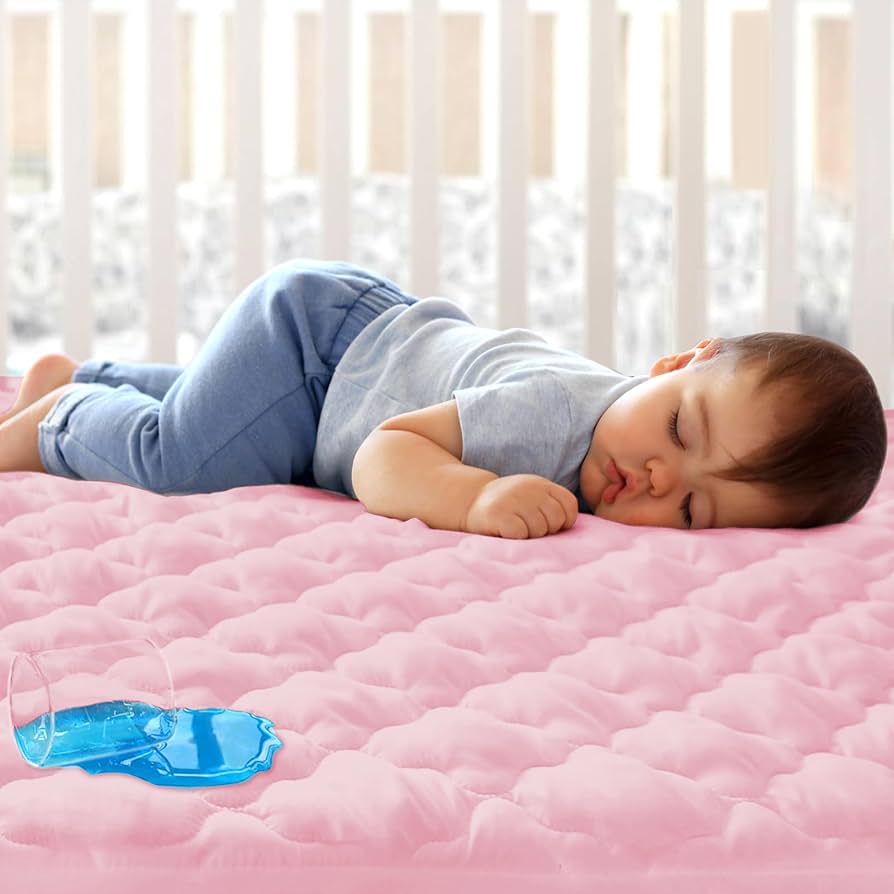
Amazon Basics Waterproof Fitted Crib Mattress Protector
- ✓ 100% waterproof backing
- ✓ Breathable top layer
- ✓ Elasticated fitted corners
* We earn a small commission — at no extra cost to you.
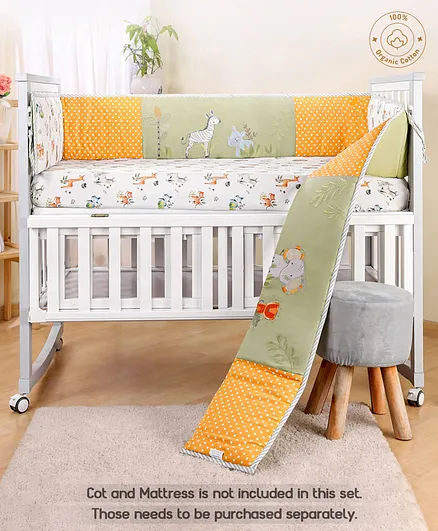
FirstCry Organic GOTS-Certified Bamboo Crib Sheets (Set of 2)
- ✓ 100% organic bamboo fabric
- ✓ GOTS certified
- ✓ Moisture-wicking (dries 30% faster than cotton)
* We earn a small commission — at no extra cost to you.
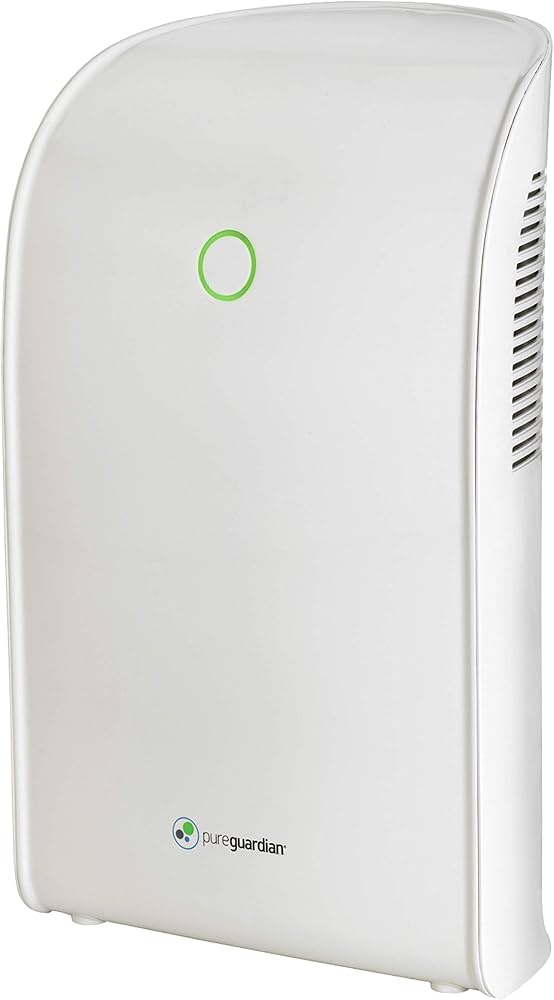
Pure Guardion Portable Dehumidifier (500ml/day capacity)
- ✓ Extracts 300–500ml water per day
- ✓ Whisper-quiet operation (30dB)
- ✓ Covers 20–25 sq. meters
* We earn a small commission — at no extra cost to you.
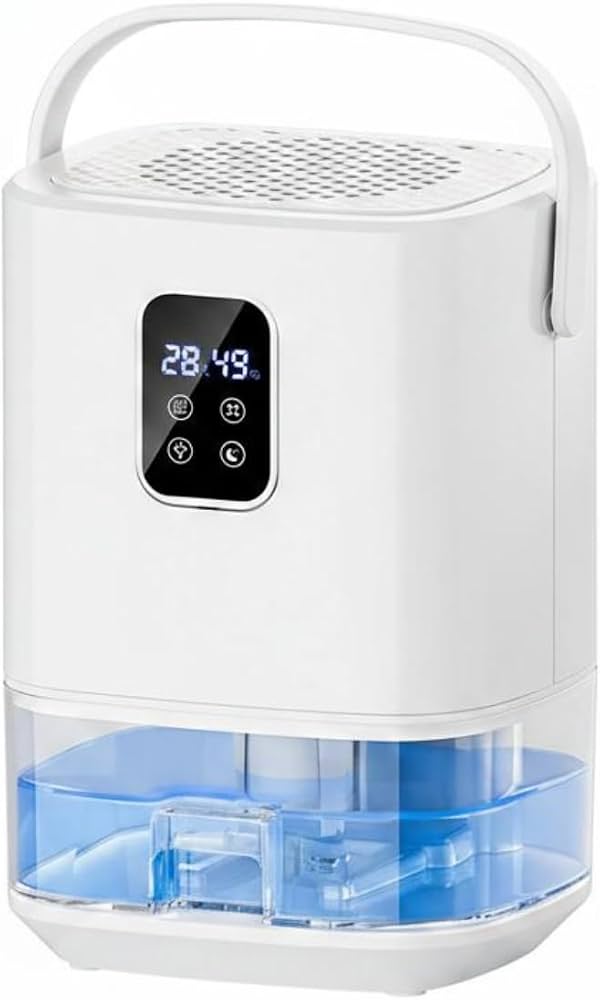
Kuvera Compact Portable Dehumidifier (400ml/day capacity)
- ✓ Extracts 300–400ml water per day
- ✓ Compact size (ideal for small rooms)
- ✓ Auto-shutoff and moisture indicator
* We earn a small commission — at no extra cost to you.