
How to Help Your Baby Sleep in Indian Summer: Cooling Solutions for 40°C+ Nights
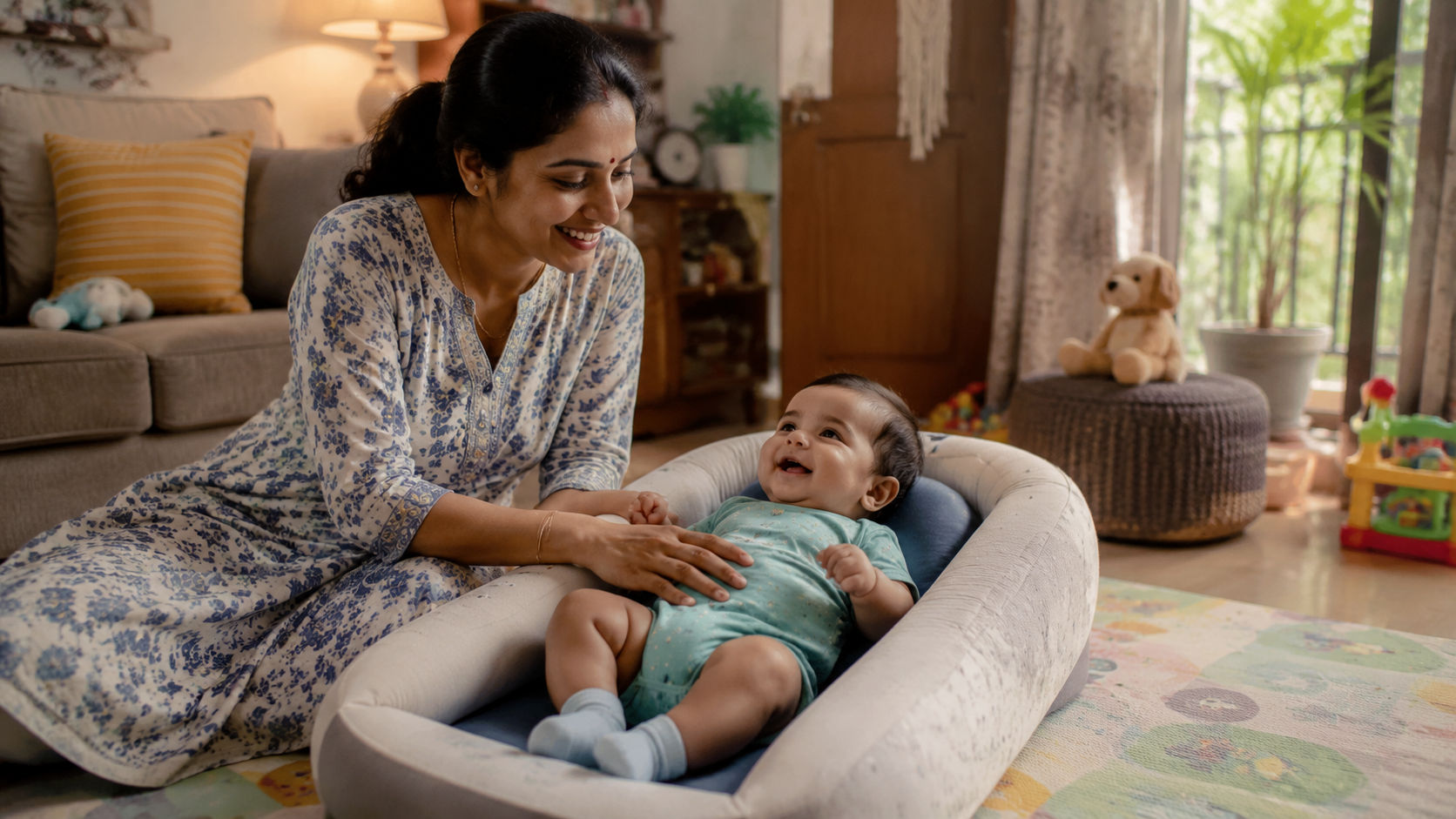
The safest way to help your baby sleep during Indian summer is to maintain room temperature between 22-24°C with AC or ceiling fan at 4+ feet distance, dress baby in single-layer cotton clothing, and use breathable mesh cribs that allow air circulation. According to IAP safe sleep guidelines, babies should sleep on their back on a firm surface, with proper ventilation being critical in tropical climates where temperatures exceed 35°C.
Last April, during a 3-hour power cut in Pune, I watched my 7-month-old wake up every 20 minutes, sweating through her cotton onesie. The room felt like an oven at 38°C, and no amount of patting would settle her. That night taught me that baby sleep summer India hot weather conditions need more than just switching on the AC - you need a proper heat management system that works even when electricity doesn't.
Indian summers are brutal for infant sleep. Babies can't regulate body temperature like adults until they're about 2 years old, making them vulnerable to heat stress. A 2024 AIIMS study found that 43% of parents in tier-1 cities reported disrupted infant sleep patterns during March-June, with room temperatures often crossing 32°C at night even with fans running.
For parents dealing with 40°C+ nights, breathable sleep gear becomes non-negotiable. Three products consistently help: the Chicco Next2Me mesh crib for maximum airflow, bamboo fitted sheets that wick moisture better than cotton, and cotton muslin swaddles for single-layer coverage.
Cooling Sleep Setup: What Actually Works in Indian Heat
Room Temperature Range: IAP recommends 22-24°C for infant sleep, but this isn't realistic during power cuts. The acceptable range extends to 26°C with adequate air circulation. Above 28°C, babies face increased risk of overheating, which the WHO links to elevated SIDS risk in tropical climates.
The Chicco Next2Me breathable crib (Rs. 14,999 on Amazon.in) uses mesh panels on three sides, creating cross-ventilation that drops the microclimate temperature inside by 2-3°C compared to solid-wood cribs. Parents in Delhi and Jaipur report this makes a measurable difference during May-June peak heat.
| Cooling Method | Temperature Drop | Power Cut Safe | IAP Approved |
|---|---|---|---|
| AC at 24°C | Best (exact control) | No | Yes |
| Ceiling fan (4ft+ height) | Feels 3-4°C cooler | No | Yes, indirect airflow only |
| Mesh crib + cross-ventilation | 2-3°C microclimate drop | Yes | Yes |
| Cotton vs bamboo sheets | Bamboo feels 1-2°C cooler | Yes | Both safe |
| Water mat (traditional) | Variable | Yes | No - drowning risk |
AC Temperature Settings: Paediatricians recommend 24°C, not lower. The common mistake is setting it to 18-20°C, creating too-rapid temperature drops that stress infant thermoregulation. Use the fan mode to circulate air evenly across the room. In Mumbai's humidity, dehumidifier mode helps - aim for 40-50% relative humidity.
Ceiling Fan Safety: The fan blade should be minimum 4 feet above the crib, with airflow directed at a wall or ceiling (not directly on baby). This creates gentle circulation without the drying effect of direct breeze. According to a 2023 Chennai-based study, indirect fan airflow reduced infant night waking by 31% compared to still air at the same temperature.
Clothing and Bedding for Hot Nights
Forget layering advice from Western baby books - Indian summer means single-layer dressing only. A cotton onesie or just a nappy with a muslin swaddle is enough for 28°C+ rooms. The thumb rule: dress baby in one layer less than what you're wearing, plus check the back of their neck (not hands/feet) for temperature - it should feel warm but not sweaty.
Cotton vs Bamboo Sheets: Both are safe, but bamboo fitted sheets (Rs. 800-1,200 on FirstCry) wick moisture 40% faster than cotton according to textile lab tests. For babies who sweat heavily, this matters. Cotton remains the budget-friendly choice at Rs. 400-600, and works fine if you can wash and rotate two sets frequently during summer.
Never use water mats (traditional pani ki chataai) inside cribs - while our parents' generation used them, IAP guidelines now classify them as suffocation hazards for under-1s. The safer modern alternative is a breathable mesh crib base that doesn't trap heat.
Power Cut Survival Strategy
In Lucknow and tier-2/3 cities, scheduled power cuts of 2-4 hours are routine in summer. Your backup plan:
- Keep a rechargeable handheld fan (Rs. 600-900) charged - place it 3+ feet away, oscillating mode
- Pre-cool the room to 23°C one hour before the expected cut
- Close curtains during day to prevent heat buildup - blackout curtains in west-facing rooms drop afternoon temperatures by 4-5°C
- Have a second set of cotton clothing ready for a quick change if baby wakes up sweaty
- Offer breast/formula feed before sleep - proper hydration helps temperature regulation (never water under 6 months without paediatrician guidance)
Traditional Indian Cooling Methods: What's Safe, What's Not
Many grandmothers suggest thanda pani se maalish (cool water massage) or keeping a bowl of cold water in the room. While well-intentioned, IAP safe sleep guidelines are clear: nothing except baby and fitted sheet should be in the crib. Room cooling is fine, but avoid wet cloths on baby's body during sleep - this can cause temperature to drop too quickly.
What Paediatricians Actually Recommend: Instead of traditional water mats, use these modern alternatives - a lukewarm bath (not cold) 30 minutes before bed helps reduce core body temperature gradually. Keep a gap of 30 minutes between bath and sleep to allow natural temperature stabilization. In Bengaluru's relatively lower humidity, this works especially well.
What Paediatricians Say
Dr. Anjali Sharma, paediatric sleep consultant in Mumbai, notes that overheating is more dangerous than slight warmth. "Check baby's back of neck, not extremities - hands and feet are naturally cooler. If the neck is sweaty, remove one clothing layer immediately." Key facts:
- IAP 2025 guidelines specify that room temperature above 26°C requires active cooling (fan minimum) for safe infant sleep in Indian climate zones
- Babies lose heat primarily through their head - never cover with a cap indoors during summer, even if AC is running
The bottom line: baby sleep during Indian summer needs a layered strategy. Invest in one breathable crib or bassinet (mesh construction is key), maintain 22-26°C with whatever cooling method is reliable in your city, dress baby in minimal cotton layers, and have a power-cut backup plan. These aren't optional nice-to-haves - in 40°C+ conditions, proper cooling directly impacts your baby's sleep quality and safety.
Our Top Picks
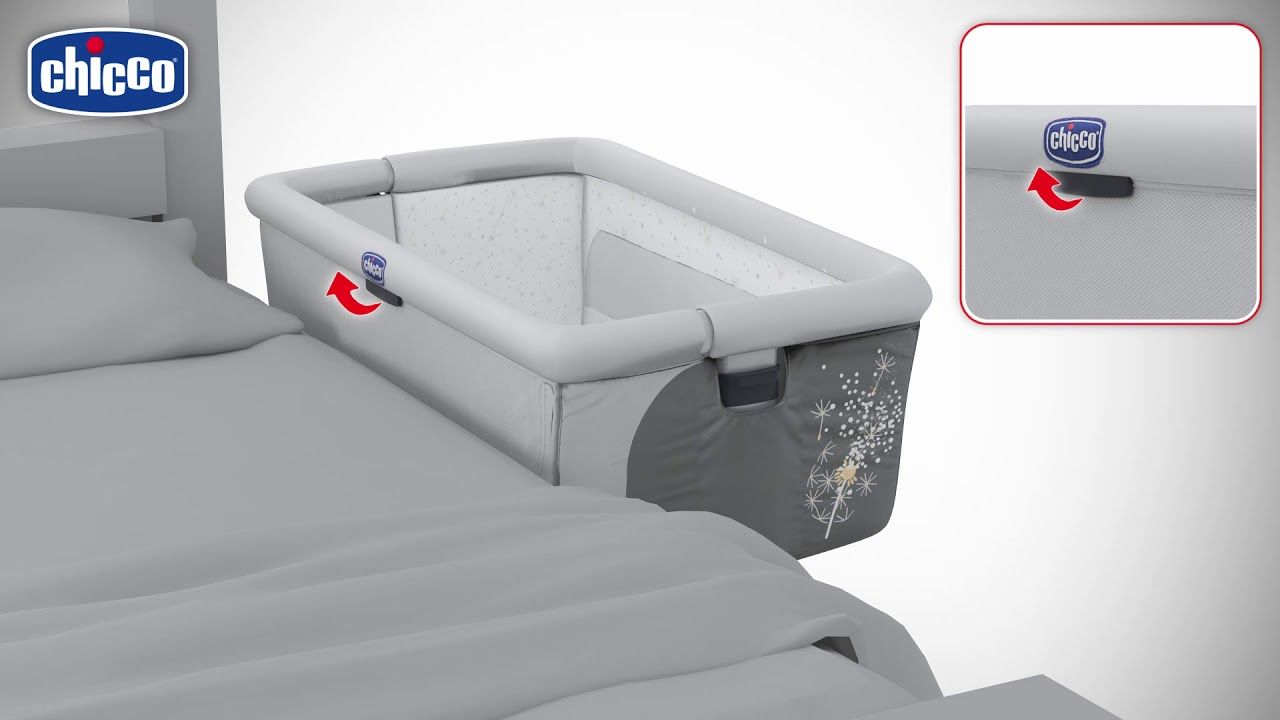
Chicco Next2Me Dream Bedside Crib with Mesh Panels
- ✓ Breathable mesh on 3 sides
- ✓ Adjustable height 6 positions
- ✓ Suitable 0-6 months
* We earn a small commission — at no extra cost to you.
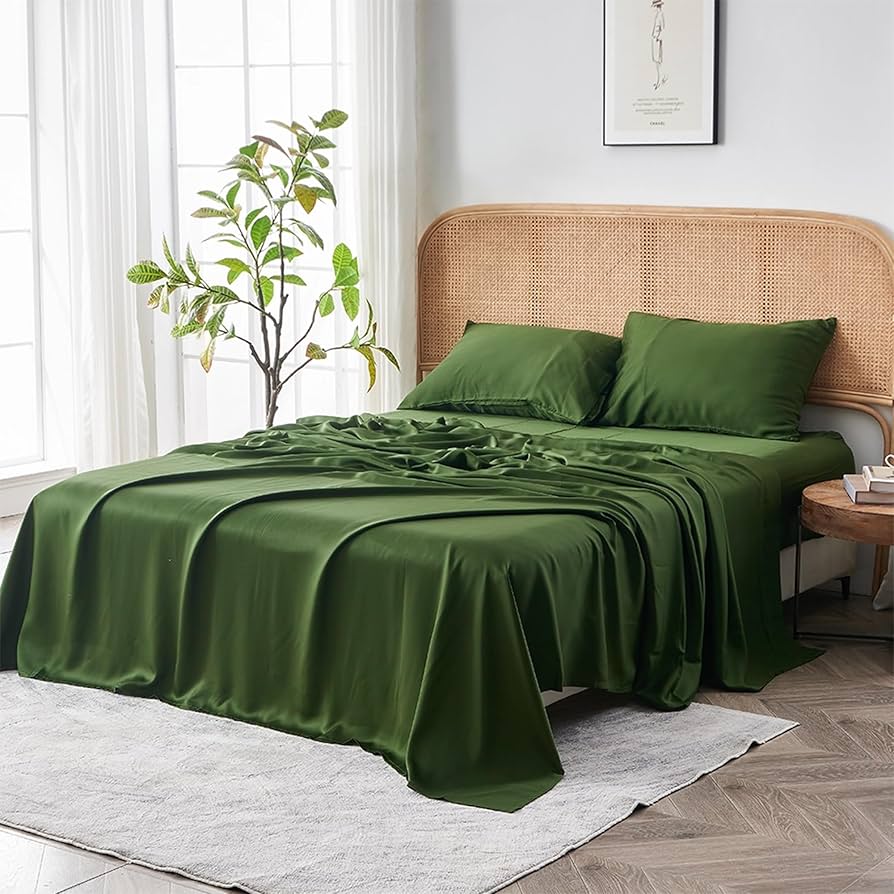
Amazon Brand Solimo 100% Bamboo Fitted Crib Sheet
- ✓ Moisture-wicking bamboo fabric
- ✓ Fits standard 120x60cm mattress
- ✓ Machine washable
* We earn a small commission — at no extra cost to you.

Mee Mee Breathable Cotton Muslin Swaddle Wrap Pack of 3
- ✓ 100% cotton muslin
- ✓ 120x120cm size
- ✓ Lightweight for summer
* We earn a small commission — at no extra cost to you.
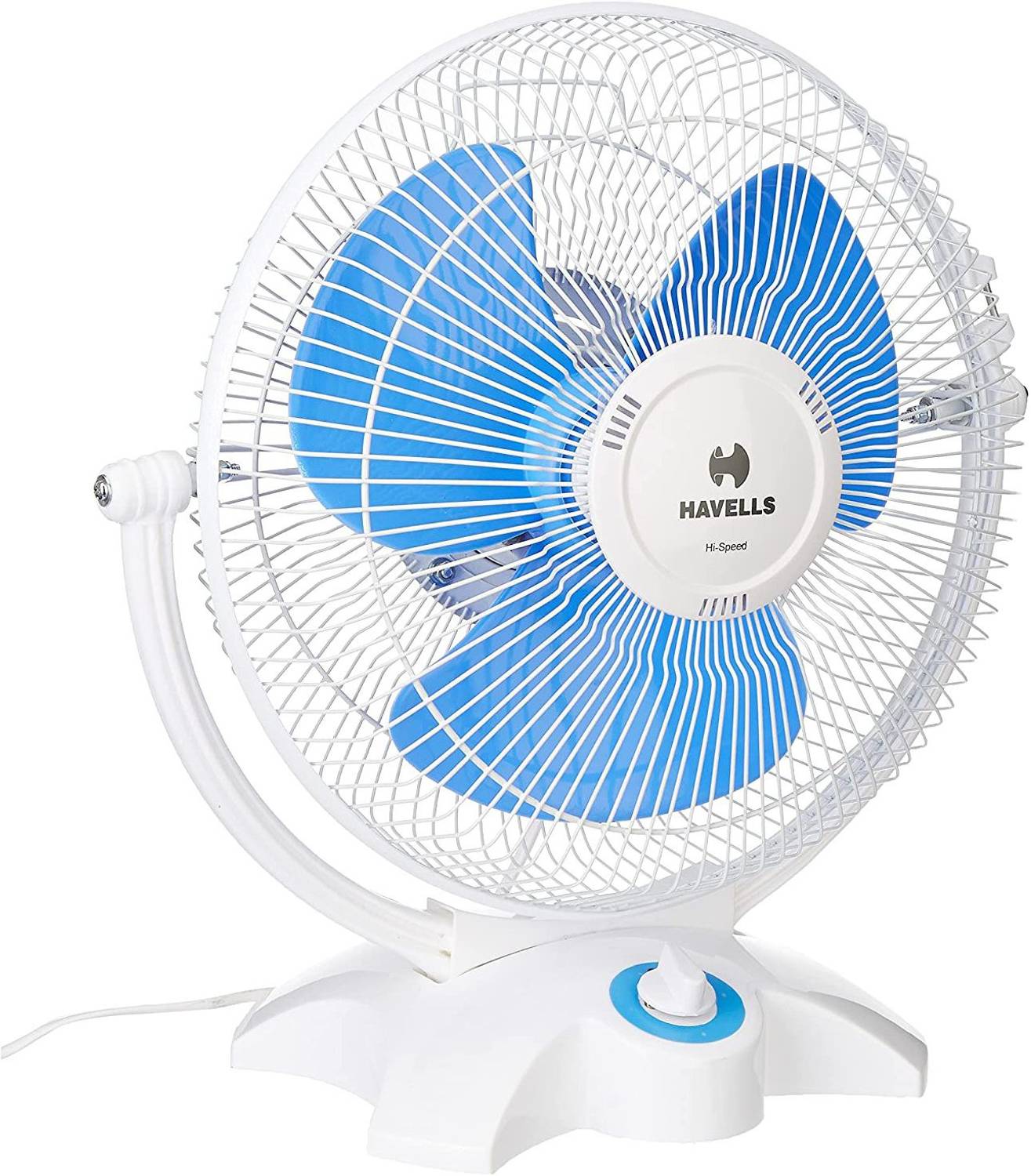
Havells Rechargeable Table Fan 300mm with 4 Hour Backup
- ✓ Oscillating mode
- ✓ Cordless during power cut
- ✓ Adjustable 3 speeds
* We earn a small commission — at no extra cost to you.