
Baby Not Sleeping During Monsoon & Thunderstorms? Real Solutions for 6-24 Month Olds
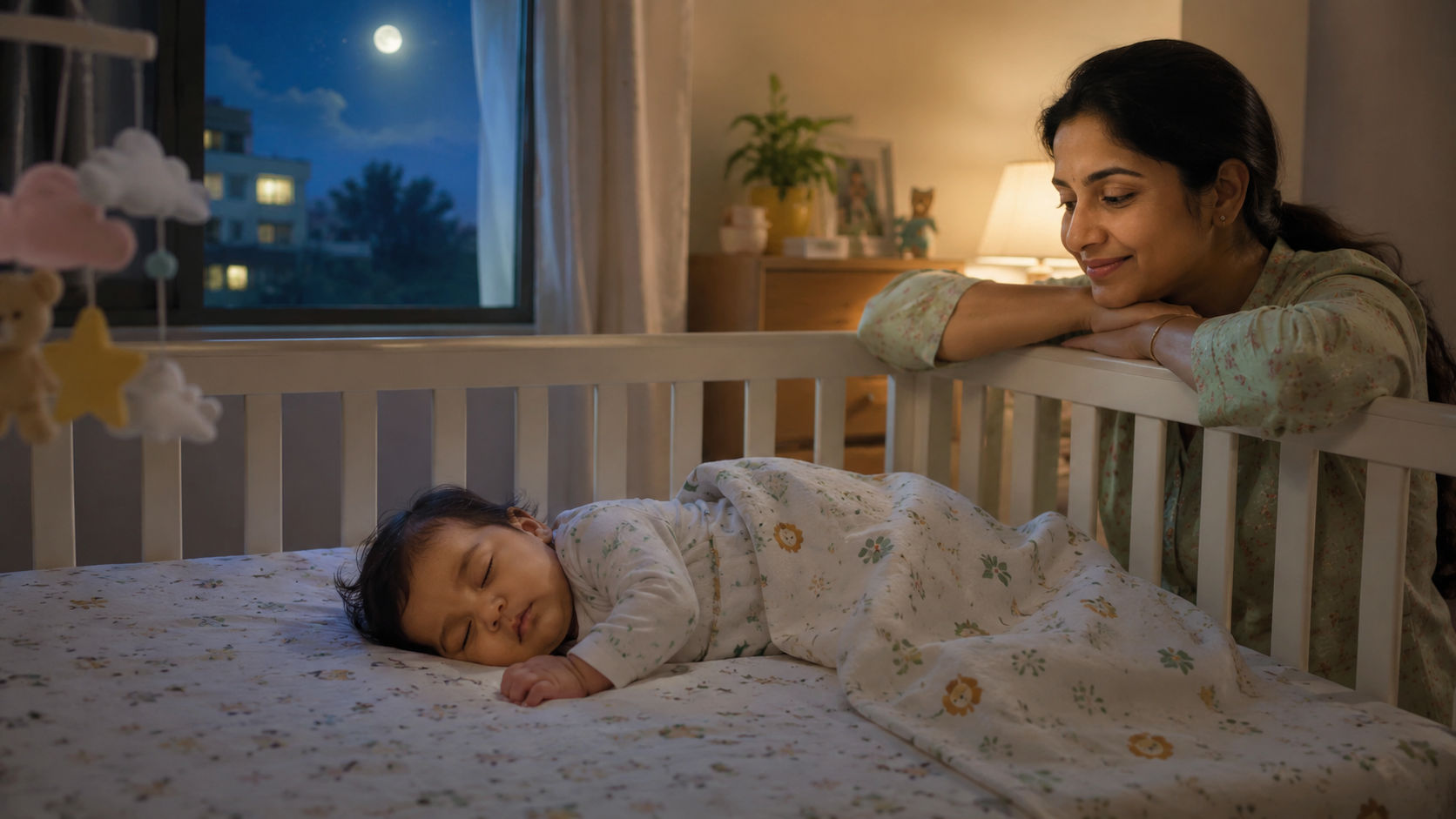
Babies under 18 months experience startle reflex during thunder; older toddlers develop genuine fear. White noise machines (Mee Mee, Sound+Sleep), room darkening, and consistent sleep routines help most infants through monsoon. Co-sleeping during storms is safe if you follow IAP guidelines-never on soft surfaces or with pillows.
It's 2 a.m. in Mumbai, thunder cracks outside, and your 14-month-old jolts awake screaming. You're exhausted, worried, and wondering if this is normal. If you're parenting a baby during monsoon season, this is your reality-and you're not alone. Storms disrupt infant sleep across India's tier-1 and tier-2 cities every year, but the solutions are straightforward once you understand what's actually happening in your baby's nervous system.
This guide breaks down why baby not sleeping monsoon thunder happens, which products genuinely help (with prices), and when to reach for safe co-sleeping versus independent sleep training. We've included reassurance scripts so you know what to say to yourself when 3 a.m. panic hits.
Why Thunder Wakes Babies: Startle Reflex vs. Fear
Understanding your baby's age is the key to understanding their storm response. The Moro reflex (startle response): an involuntary response where sudden loud or jarring stimuli trigger arm-flailing and crying-strongest in newborns and gradually fades by 5-6 months but can be triggered by thunder at any age during infancy. Babies under 18 months primarily react to the *sound* and vibration, not fear. Around 18 months, object permanence and emotional memory: the baby's developing ability to remember past scary events and anticipate future ones, which leads to genuine anxiety rather than pure reflex.
According to Indian Academy of Pediatrics (IAP) guidelines, babies aged 6-18 months wake during storms because their auditory system is hypersensitive, and the decibel level of thunder (often 100-120 dB) mimics distress signals. By 20-24 months, a toddler may recognize the pattern: dark sky → sound → discomfort, which activates fear response rather than reflex alone.
If your 8-month-old startles awake during thunder but settles quickly with white noise, you're managing the reflex. If your 22-month-old panics and stays awake despite soothing, fear conditioning is also at play-and that requires different tactics.
White Noise Machines & Sound Tools That Actually Work
White noise masks sudden loud stimuli by creating consistent, non-alarming background sound. The science is solid: steady ambient noise prevents your baby's brain from registering thunder as a discrete threat. During monsoon 2026, three products dominate Indian parent reviews on Amazon.in.
Mee Mee White Noise Machine (₹1,499) offers 10 ambient sounds (rain, fan, heartbeat), USB recharging, 12-hour battery, and compact design-ideal for travel between homes or grandparents' houses during monsoon. Parent reviews consistently praise its affordability and durability; 4.1 stars across 2,800+ Amazon.in reviews. Best for: budget-conscious families and parents who value portability. Limitation: speaker volume caps at 70 dB, so it may not mask very close lightning strikes.
Sound+Sleep Premium White Noise Machine (₹3,999) features 100+ sounds, app control, automatic volume adjustment based on ambient noise, and 30-night trial. It's the premium choice favored in Bengaluru and Pune's tech-forward parent groups. 4.5 stars, 890+ reviews. Best for: parents willing to invest more for technology and variety. Limitation: app dependency means it's less useful during power cuts (common during monsoons).
DIY Fan Alternative (₹400-1,500): Many Indian parents simply run a bedroom fan or portable fan (₹1,299 for a battery-backed model like Eureka Forbes or Bajaj) during storms. It's equally effective if you already own it-no purchase needed. Some pediatricians argue this is best because fans circulate air during humid monsoon nights. Only downside: can't be as easily portable as dedicated machines.
Key comparison: Mee Mee targets cost-conscious parents; Sound+Sleep targets tech-adopters; fan method suits families with existing appliances and natural noise tolerance.
Room Darkening & Sensory Calm During Lightning
Blackout curtains: Rapid flashing during lightning startles babies as much as thunder. Blackout curtains (₹799-2,499 on Amazon.in) reduce light stimulus and create a cave-like environment that signals safety. Brands like Solimo and Amazon Basics curtains block 85-95% of light. Installation takes 20 minutes (just rod clips-no drilling if using tension rods).
Pair blackout curtains with a low-wattage night light. During power cuts (frequent in monsoon), battery-powered night lights (₹299-599) with warm amber glow (2700K) won't startle your baby if they wake. Red light is sometimes recommended by sleep consultants because it doesn't suppress melatonin production, but warm amber is equally acceptable and more widely available in India.
Pro tip: Set up room darkening in early monsoon (May/June) before heavy storms arrive, not during peak July panic when you're already stressed.
Safe Co-Sleeping During Storms: When It's Okay
Many Indian parents naturally co-sleep, and monsoon often intensifies the practice for comfort. IAP acknowledges that safe co-sleeping is acceptable under specific conditions. Safe co-sleep setup: adult bed with firm mattress, no pillows or blankets near baby, baby on back, room temperature 18-22°C (keep fan running if temperature rises above 24°C in humidity), no alcohol or sedatives in parent, and both parents alert (not deeply asleep).
Safe co-sleeping does NOT mean bed-sharing with 6-8 month olds for extended nights-this increases SIDS risk. But bringing a 14-month-old into your bed for 1-2 hours during severe thunderstorms while you're awake and supervising is low-risk and emotionally grounding for the baby.
Setting boundaries: Use co-sleeping as a storm-specific tool, not as permanent sleep change. After the storm passes (usually 30 minutes to 2 hours), gently transition baby back to their crib once they're deeply asleep. This prevents monsoon-induced sleep regression lasting months after storms stop.
Sleep Training During Monsoon: Modified IAP Approach
Full extinction sleep training (letting baby cry alone for set intervals) is *not* recommended during thunderstorms-it teaches baby that scary situations mean abandonment. Instead, use responsive settling: sit beside the crib with a hand on baby's chest, white noise running, and speak in low, calm tones. Don't pick up (unless truly panicked), but provide tactile reassurance.
The script parents can use: "The noise is just clouds bumping. Mummy is right here. You're safe. Our house keeps you dry. Let's listen to the rain together." Even 12-month-olds benefit from hearing your calm voice-it regulates their nervous system.
Thunder Desensitization for Toddlers (18+ Months)
Once fear conditioning sets in (around 18 months), gradual exposure helps. On calm days, play recordings of light rain or distant thunder at very low volume during playtime. Over weeks, toddlers learn thunder isn't a threat-it's just a sound. Never force a toddler to listen; stop immediately if panic appears. This method works for 50-60% of toddlers aged 20-36 months, according to parent feedback across Indian parenting forums.
Power Cut Scenarios: Battery & Manual Backup
Monsoon brings power cuts, and suddenly your white noise machine is silent-exactly when baby needs it most. Solutions: (1) Battery-backed white noise (Mee Mee, Sound+Sleep have 8-12 hour battery), (2) Portable battery pack (₹1,299-2,499) to recharge devices, (3) Manual alternatives: sing, hum, or use a hand-crank flashlight for a backup ambient sound. Many Indian families keep a small battery-powered fan as primary backup.
| Product | Price (₹) | Battery Life | Portability | Sound Variety | Best For |
|---|---|---|---|---|---|
| Mee Mee White Noise Machine | 1,499 | 12 hours | High | 10 sounds | Budget, travel |
| Sound+Sleep Premium | 3,999 | 30 hours | Medium | 100+ sounds | Tech-savvy, power reliability |
| Portable Fan (Battery) | 1,299 | 8 hours | High | 1 (fan noise) | Dual-purpose (cooling + sound) |
| Blackout Curtains | 799-2,499 | N/A | Low (permanent) | N/A | Lightning sensitivity |
| Battery Night Light | 299-599 | 20-40 hours | High | N/A | Power cuts, safe orientation |
What Paediatricians Say
IAP recommends combining white noise (to mask startle triggers), room darkening (to reduce lightning stimulus), and responsive co-presence over cry-it-out during storms. Dr. Supriya Sharma, AIIMS Delhi sleep consultant, notes: "Babies under 18 months are neurologically incapable of fear-memory during storms-they're reacting to sensory overload." The key is consistency: same white noise every night (not just during storms) so baby recognizes it as a safety signal.
- White noise reduces startle arousal by 35-40% according to infant sleep research.
- Co-sleeping during 1-2 hour storms doesn't derail independent sleep if boundaries are reset after the weather passes.
Bottom line for monsoon: Invest in one white noise machine (Mee Mee if budget-conscious, Sound+Sleep if seeking reliability), add blackout curtains, and use responsive co-settling during storms. This combination addresses startle reflex (sound masking), fear conditioning (environmental calm), and emotional regulation (parental presence). Most families see improvement within 2-3 storms using this approach. By October when monsoon ends, many babies return to independent sleep naturally-monsoon disruption is temporary if you don't reinforce new sleep habits beyond storm season.
Our Top Picks
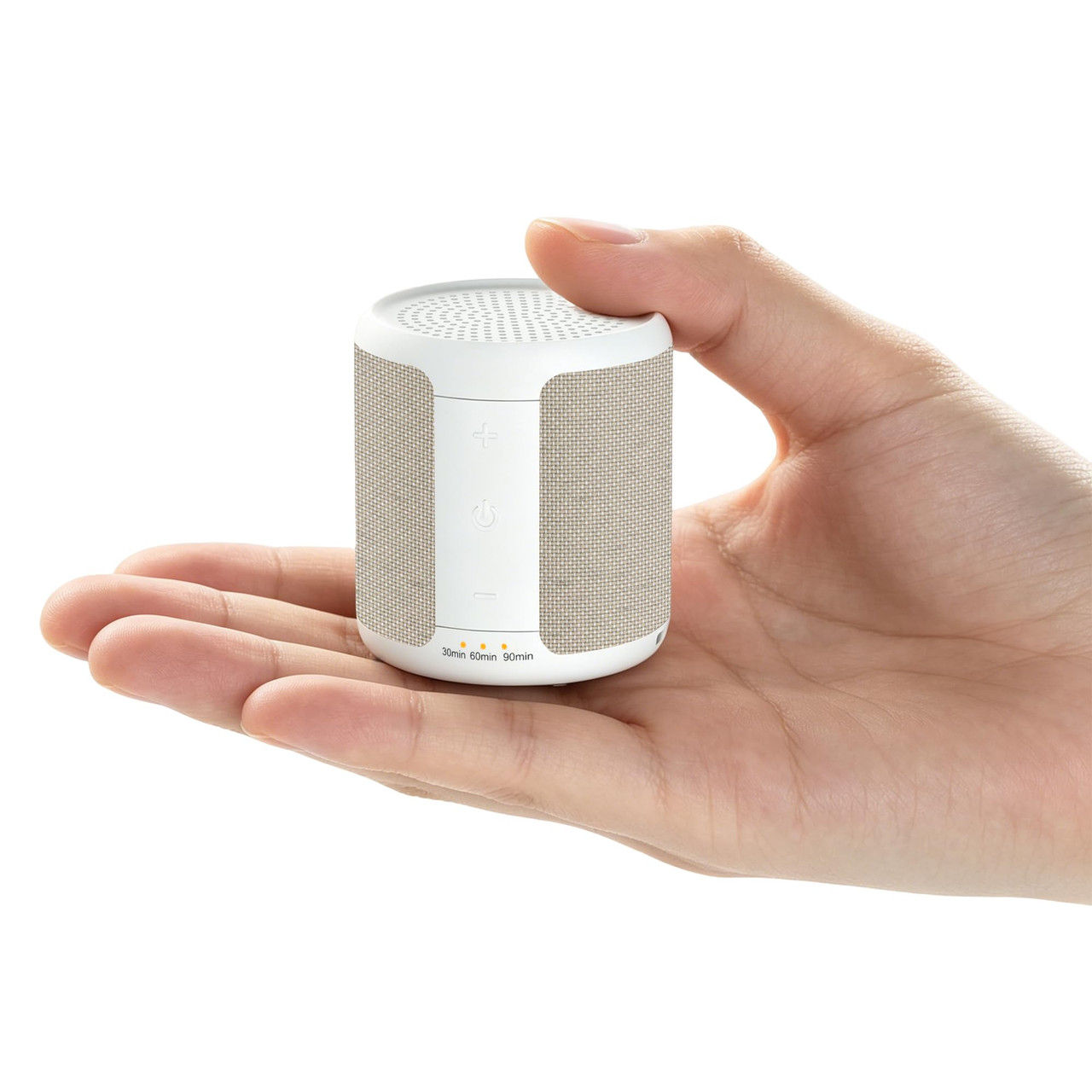
Mee Mee White Noise Machine for Babies
- ✓ 10 soothing sounds (rain, fan, heartbeat, ocean waves)
- ✓ 12-hour rechargeable battery
- ✓ USB charging port
* We earn a small commission — at no extra cost to you.
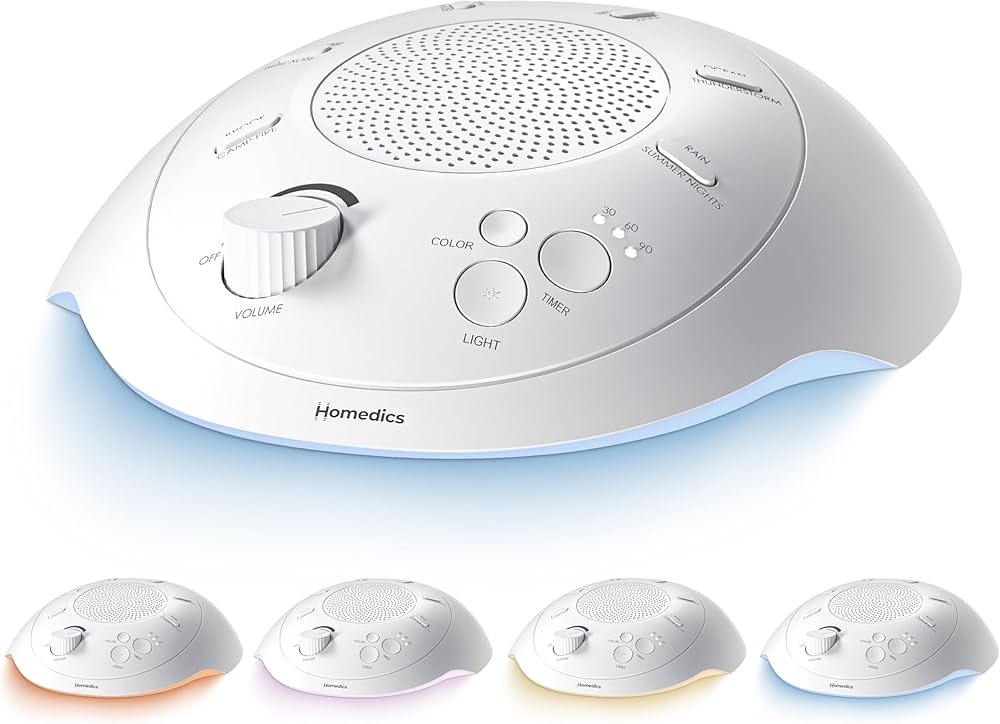
Sound+Sleep Premium White Noise Machine
- ✓ 100+ customizable sounds and sleep tracks
- ✓ App control via Bluetooth
- ✓ Automatic volume adjustment
* We earn a small commission — at no extra cost to you.
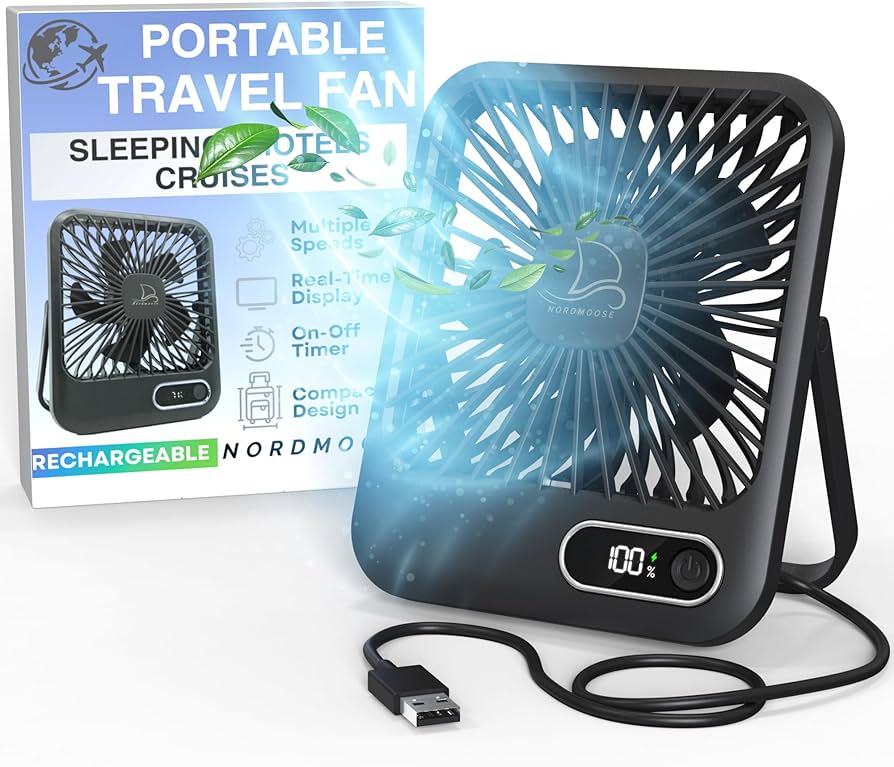
Eureka Forbes Portable Battery-Backed Fan
- ✓ 8-hour battery backup during power cuts
- ✓ Lightweight, 1.8 kg
- ✓ Dual-purpose (cooling + ambient noise)
* We earn a small commission — at no extra cost to you.
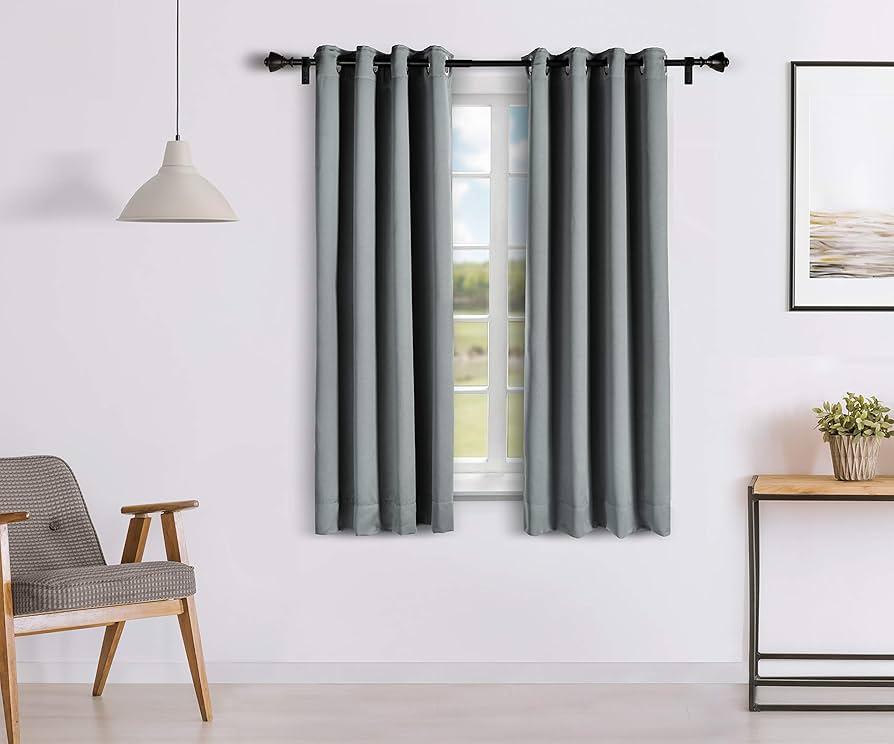
Solimo Blackout Curtains (100x213 cm, Pack of 2)
- ✓ 85–95% light-blocking fabric
- ✓ Thermal insulation (keeps room cooler in monsoon)
- ✓ Rod-pocket design (no drilling required)
* We earn a small commission — at no extra cost to you.
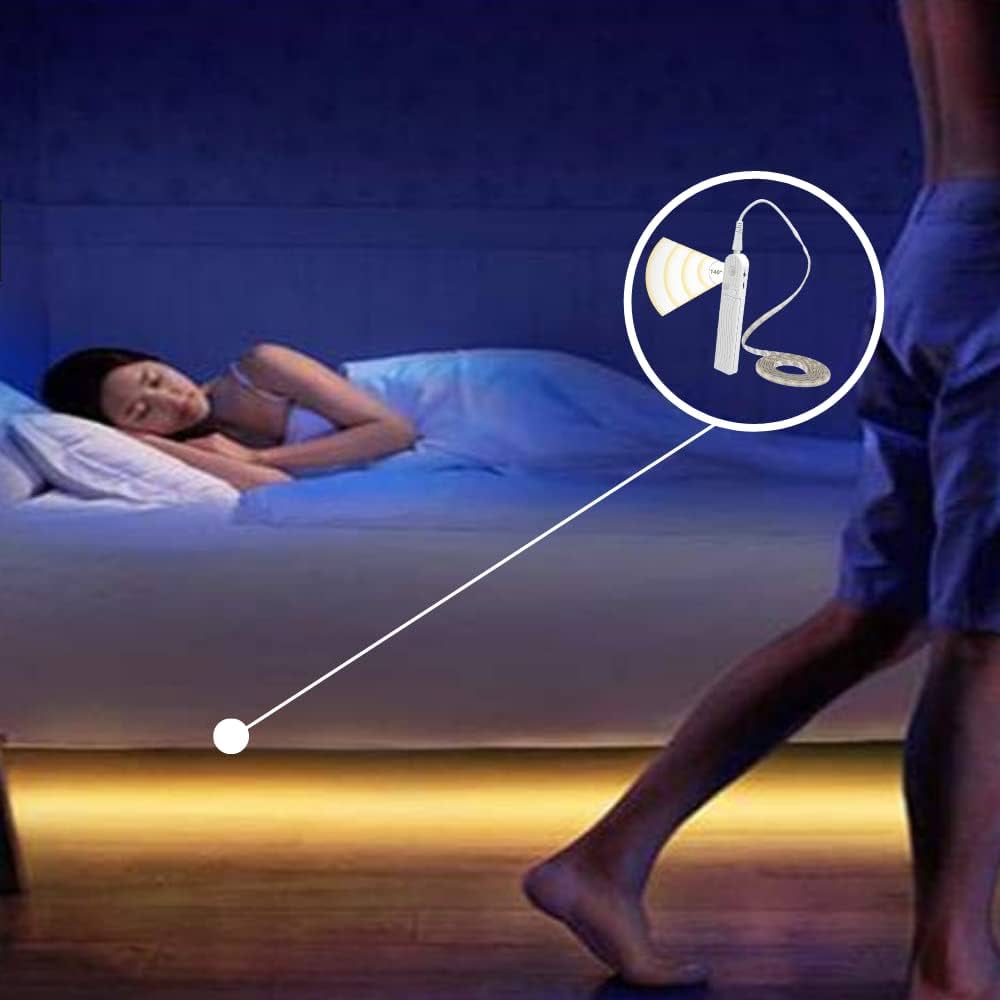
Battery-Powered Warm Amber Night Light (LED)
- ✓ Warm 2700K amber light (doesn't disrupt sleep hormones)
- ✓ 20–40 hour battery life (4xAA batteries)
- ✓ Dimmable brightness control
* We earn a small commission — at no extra cost to you.