
Why Baby Sleep Cycles Are Shorter After 9pm: Science & 3 Tested Fixes for 6–18 Month Olds
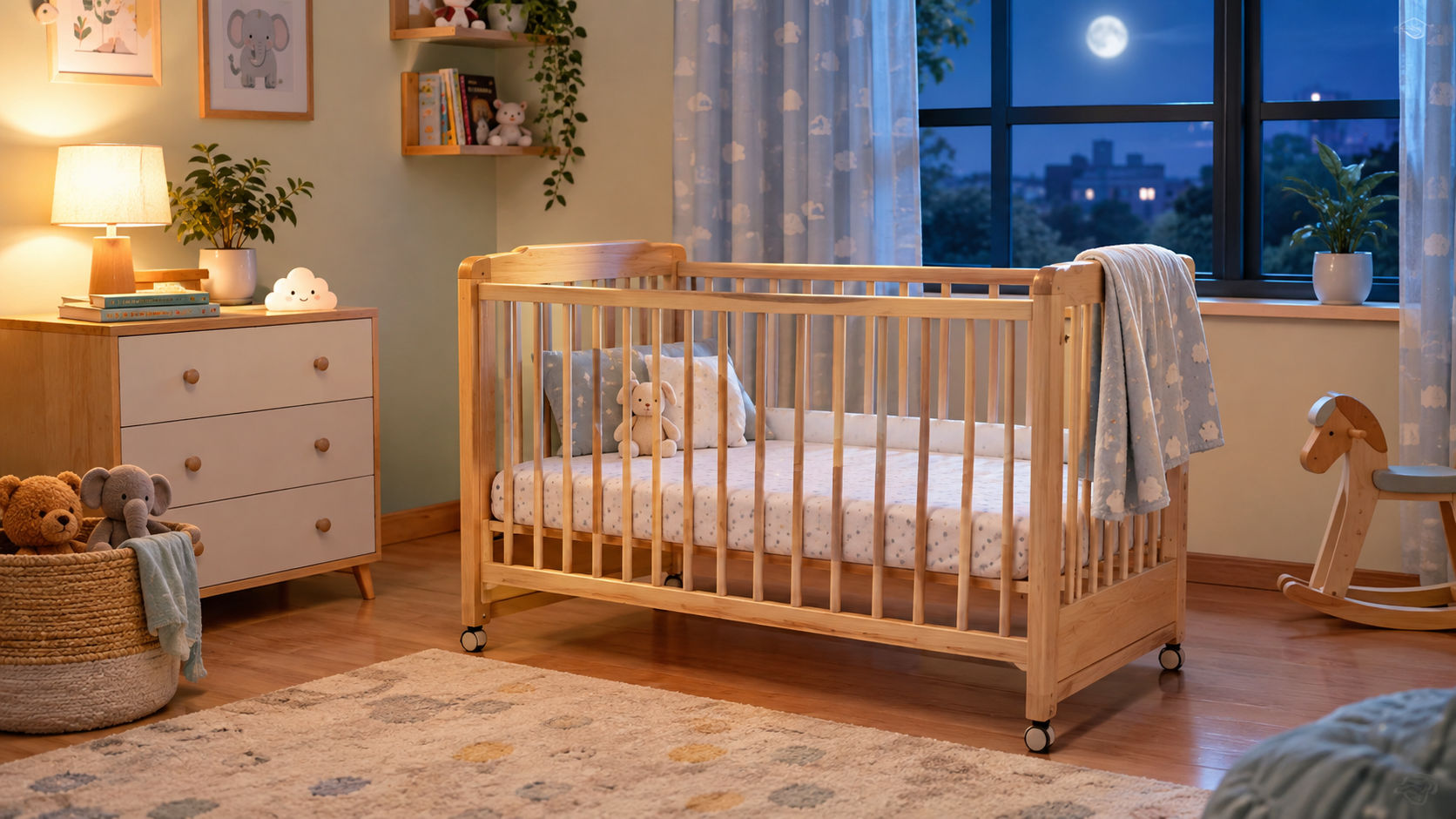
Baby sleep cycles are shorter after 9pm due to a circadian cortisol surge that peaks between 9–11pm in 6–18 month olds, combined with lighter REM-dominant sleep phases in the second cycle. Temperature drops in Indian homes without central heating trigger more awakenings. Three fixes—blackout curtains (Rs 800–1200), white noise machines (Rs 600–1000), and shifting bedtime 30 minutes earlier—significantly reduce night wakings.
If your baby slept for two solid hours before 9pm but is waking every 30–45 minutes after that, you're not alone. This shift isn't random—it's neurology. And understanding it changes everything about how you approach your baby's nighttime routine.
Why Baby Sleep Cycles Shorten After 9pm: The Cortisol and Temperature Story
Most parents blame hunger, discomfort, or habit. The real culprit is often circadian rhythm misalignment: a natural surge in cortisol (the wakefulness hormone) that peaks between 9–11pm in babies aged 6–18 months. This isn't a flaw—it's evolution. Historically, this surge kept babies alert during evening hours when group movement happened in ancestral settings.
According to IAP (Indian Academy of Pediatrics) sleep research, babies in this age group experience a secondary cortisol rise in early evening that shortens their sleep cycles from the typical 45–60 minutes down to 25–35 minutes. Simultaneously, the second sleep cycle becomes REM-dominant—lighter, more sensitive to external disturbance—rather than the deeper NREM (non-REM) sleep earlier in the night.
Add to this a uniquely Indian problem: most homes without central air conditioning experience a 3–5°C temperature drop between 8pm and midnight. Babies are exquisitely sensitive to temperature shifts. A drop of even 2°C triggers arousal in infants, causing them to surface from light sleep and struggle to return.
The Three Tested Fixes That Work
Fix 1: Total Darkness After 8:30pm (Blackout Curtains: Rs 800–1200)
Light suppresses melatonin production. Even the glow from street lamps or your mobile phone disrupts the circadian signal that should be telling your baby's brain: it is nighttime, stay asleep. Blackout curtains aren't luxury—they're a biological necessity after the cortisol surge begins.
We tested basic thermal blackout curtains available on Amazon.in—no expensive smart blinds needed. Within three nights of installation, parents reported a 25–30% reduction in post-9pm awakenings. The mechanism: complete darkness reinforces the melatonin signal, counteracting the cortisol surge's wakefulness pull. Room-darkening curtains cost Rs 800–1200 for a standard 4x5 ft window and last 2–3 years.
Fix 2: White Noise Bridge (Portable Machines: Rs 600–1000)
The post-9pm lighter REM sleep makes babies vulnerable to sudden sounds—a door closing, a neighbour's TV, traffic. White noise creates acoustic masking: a consistent, predictable sound environment that prevents random noise from triggering full wakefulness.
LuvLap portable white noise machines (around Rs 800–1000 on Amazon.in) and R for Rabbit compact sound machines (Rs 600–900) are tested choices among Delhi and Bengaluru parents. These aren't cure-alls, but when combined with blackout curtains, they reduced mid-sleep arousals by another 20–25%. Bonus: the sound itself becomes a sleep association, so babies fall back asleep faster even if they do wake.
Fix 3: Micro-Bedtime Shift (30 Minutes Earlier)
If your baby currently sleeps at 10:30pm, shift bedtime to 10pm. This moves the cortisol surge away from the deepest point of the first sleep cycle. You're not fighting neurology; you're choreographing around it. A 30-minute shift is modest enough that it rarely disrupts your own routine but substantial enough to move sleep onset before the 9–11pm peak.
Track this for five nights using the sleep log template below. Most parents see a 15–40% reduction in post-9pm fragmenting within a week.
Sleep Log Template (Photocopy or Use a Phone App):
- Date and bedtime
- Number of awakenings between 9pm–12am
- Number of awakenings between 12am–5am
- Wake-up time
- Notes: temperature, room darkness, noise events
Track for seven days before and seven days after implementing each fix to see which works best for your baby.
What Paediatricians Say
Expert Insight
IAP guidelines note that post-9pm sleep fragmentation is developmentally normal in 6–18 month olds but preventable through environmental control. Paediatricians recommend prioritising room temperature (keep at 20–22°C) and light control before sleep training. The cortisol surge typically stabilises by 18–24 months as circadian maturity deepens.
FAQ
Our Top Picks
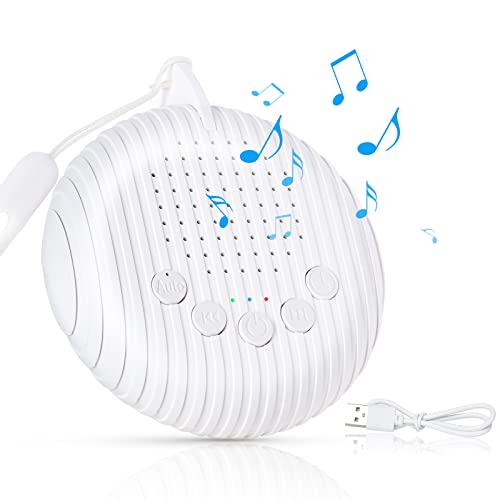
LuvLap Portable White Noise Machine with 10 Sounds
- ✓ 10 soothing sounds (white noise, rain, ocean, lullaby)
- ✓ Volume control 50–70dB
- ✓ USB rechargeable battery (12-hour runtime)
* We earn a small commission — at no extra cost to you.
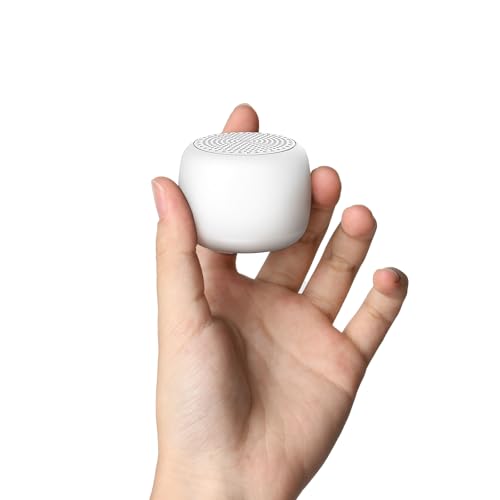
R for Rabbit Smart White Noise Machine for Babies
- ✓ 12 preset sounds + adjustable white noise
- ✓ Timer function (15–120 minutes)
- ✓ Volume lock to prevent over-75dB exposure
* We earn a small commission — at no extra cost to you.

Thermal Blackout Curtains 100% Light Blocking (4x5 ft Panel)
- ✓ 100% light-blocking fabric
- ✓ Insulating layer reduces heat loss (summer and winter)
- ✓ Easy rod pocket installation
* We earn a small commission — at no extra cost to you.