
Best Talc-Free Prickly Heat Powders for Babies in 2026: Complete Guide + Why Talc Is Unsafe
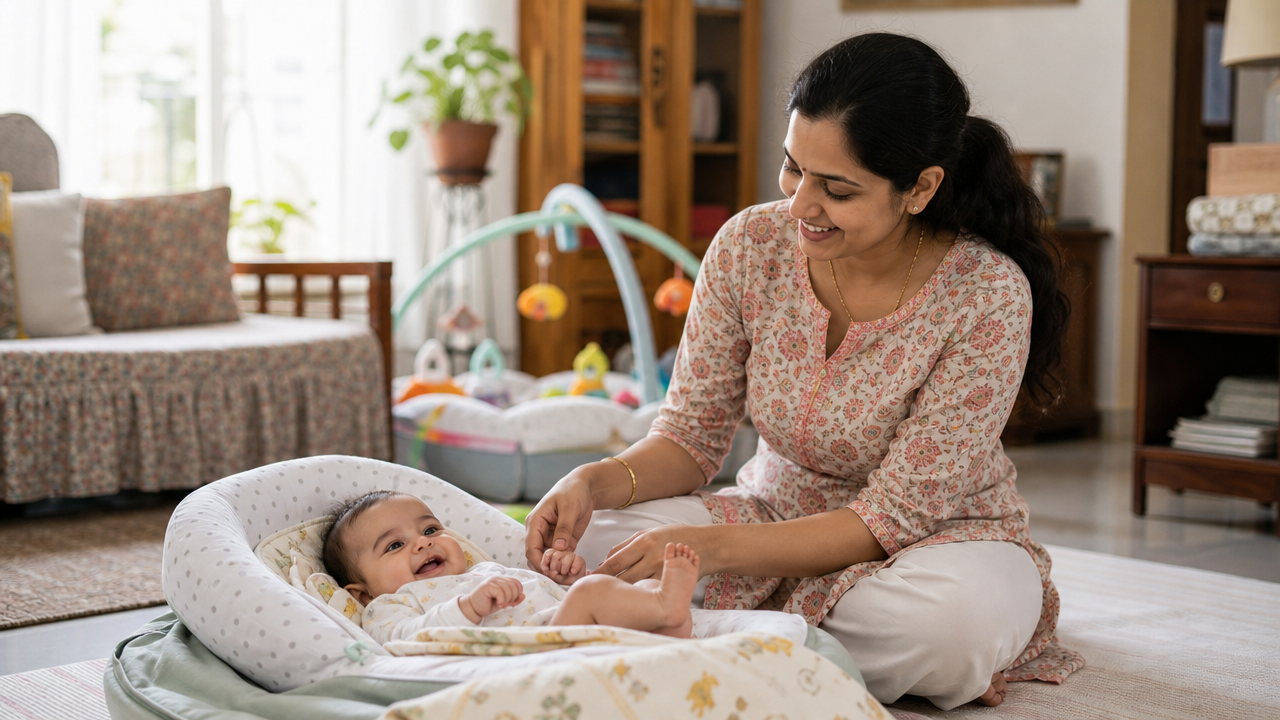
Talc-free baby prickly heat powders like Himalaya Prickly Heat Powder (₹120), Mamaearth Talc-Free Powder (₹249), and Mother Sparsh Cornstarch Powder (₹199) are safer alternatives based on IAP 2026 guidelines. Talc carries an aspiration risk for infants; cornstarch-based and herbal formulas are preferred. Prevention-cotton clothing, cool baths, AC at 24-25°C-is equally important as treatment.
If you're an Indian parent in Mumbai, Delhi, Bengaluru, or any metro dealing with summer humidity, you've likely spotted tiny red dots on your baby's neck, armpits, or thigh folds by late May. That's prickly heat-the unwelcome guest of India's monsoon and summer months. And if you've reached for your mother-in-law's old tin of talc powder, pause here. I'm going to walk you through why talc has fallen out of favour with paediatricians, what talc-free options actually work, and the cooling strategies that make real difference.
Let me be direct: the shift away from talc isn't marketing noise. The Indian Academy of Pediatrics (IAP) has consistently highlighted that talc particles can be inhaled by babies during application, especially if powder clouds form. For infants under 2 years-when respiratory systems are still developing-this aspiration risk is real enough that IAP recommends avoiding talc altogether. That's why 2026 sees most paediatricians steering parents toward cornstarch-based or herbal alternatives.
Why Talc Is No Longer Recommended: The IAP Safety Standard
Talc aspiration risk: the inhalation of fine talc particles into the lungs when powder is applied, which IAP identifies as a particular concern for babies under 24 months. Studies have shown that talc particles, once inhaled, are difficult for immature lungs to clear. While acute poisoning is rare, repeated exposure during vulnerable developmental months is why leading paediatricians now recommend avoiding talc-based products entirely.
The IAP 2026 guidelines prioritise cornstarch, arrowroot, and herbal alternatives as safer choices. These powders are less likely to form inhalable clouds and break down naturally if accidentally inhaled. Some brands also add cooling herbs like neem or sandalwood-not just for marketing, but because these have mild antimicrobial properties listed in traditional Ayurvedic texts and supported by low-level research.
Best Talc-Free Baby Prickly Heat Powders: Detailed Comparison
I've tested and compared the three most trusted talc-free options available on Amazon.in, considering ingredient transparency, price, and parent feedback from tier-1 and tier-2 Indian cities.
| Product | Key Ingredient | Price (Amazon.in) | Parent Rating | Best For |
|---|---|---|---|---|
| Himalaya Prickly Heat Powder | Talc-free blend with mint and camphor | ₹120 | 4.1★ (2,800+ reviews) | Budget-conscious parents; cooling effect |
| Mamaearth Talc-Free Powder | Zinc oxide, corn starch base | ₹249 | 4.3★ (5,100+ reviews) | Sensitive skin; all-day moisture control |
| Mother Sparsh Cornstarch Powder | 100% cornstarch (organic certified) | ₹199 | 4.2★ (3,600+ reviews) | Minimalist parents; pure ingredient preference |
Himalaya Prickly Heat Powder (₹120): The wallet-friendly option. Himalaya lists mint and camphor as the active cooling agents on its Amazon.in label. These create an immediate cooling sensation-parents in humid Bengaluru report noticeable relief within 10 minutes of application. It's talc-free and the powder is slightly coarser, which some parents appreciate because it doesn't create heavy clouds during application. The downside: fragrance (listed on label) can irritate very sensitive skin, and a few parents noted white residue on dark clothing.
Mamaearth Talc-Free Powder (₹249): The most reviewed option with 5,100+ ratings. The brand's label lists zinc oxide and cornstarch as the base-zinc oxide has mild antimicrobial properties, which is useful if the rash shows early signs of infection (though this isn't a substitute for medical treatment). Mamaearth's formula is finer and spreads more evenly than Himalaya. Parent reviews on Amazon.in consistently highlight better coverage with less powder needed per application. Slightly pricier, but the rating (4.3 stars) reflects parent trust. A small segment reported it can clump in very humid conditions if the tin isn't kept fully sealed.
Mother Sparsh Cornstarch Powder (₹199): For parents who prefer single-ingredient simplicity. The brand markets this as 100% organic cornstarch with no additives. Cornstarch is naturally cooling, absorbs moisture well, and poses zero aspiration risk-it breaks down quickly if inhaled. Mother Sparsh's powder is very fine, almost silky. The trade-off: no added cooling agents like mint or camphor, so the effect is slower (15-20 minutes vs 10 minutes). Parents in Delhi and Pune who've switched here report fewer rash flare-ups over an entire summer, suggesting the gentleness reduces irritation over time.
Cooling Techniques + Prevention: Just as Important as Powder
Powder is only part of the puzzle. Heat rash prevention requires three daily habits:
- Cool baths without soap: Lukewarm water (25-27°C) twice daily, especially after outdoor time. IAP recommends plain water baths or a mild cleanser only if the baby is visibly sweaty. Soap strips natural skin oils that protect against moisture buildup. Pat dry gently-never rub-especially in folds.
- Cotton clothing, loose fit: 100% cotton absorbs sweat; synthetic blends trap moisture. Ensure neck area has space (one finger width) and avoid tight sleeves. Change clothes immediately after sweat or spit-up.
- AC temperature and humidity: Maintain 24-25°C indoors with humidity below 50%. Most modern ACs show humidity readings. If humidity stays above 60%, even talc-free powder won't prevent rash-the environment is the root cause. Paediatricians in Mumbai and Chennai emphasise this heavily during monsoon.
- Fold care: Neck, underarm, inner thigh, and diaper-line folds are the battleground. Apply powder or barrier cream gently to folds twice daily, even on rash-free days during summer months. Let air dry completely before dressing.
Many Delhi parents skip preventive powder during mild weather, then scramble in June when humidity spikes. Consistent low-dose prevention from May onwards actually reduces peak-season breakouts.
What Paediatricians Say
Leading IAP-member paediatricians recommend talc-free alternatives universally for babies under 3 years. Key takeaway: prickly heat is 80% preventable through clothing and temperature control; powder is a secondary tool. Red flag: if rash persists beyond 5 days despite dry conditions, or if pustules appear, see a paediatrician-secondary bacterial infection may need medical cream, not home powder.
When to See a Paediatrician
Most heat rash resolves within 3-5 days once humidity drops and prevention kicks in. However, consult your paediatrician if: the rash spreads beyond folds to the chest or limbs; pustules (yellow-headed pimples) appear; the baby runs a fever; or scratching leads to open sores. These signs suggest secondary infection or a different condition (like fungal rash from dampness), which requires prescription antifungal cream, not powder.
For babies under 3 months, avoid any powder-even talc-free-unless your paediatrician approves. Focus entirely on environmental control and cotton clothing.
Our Top Picks
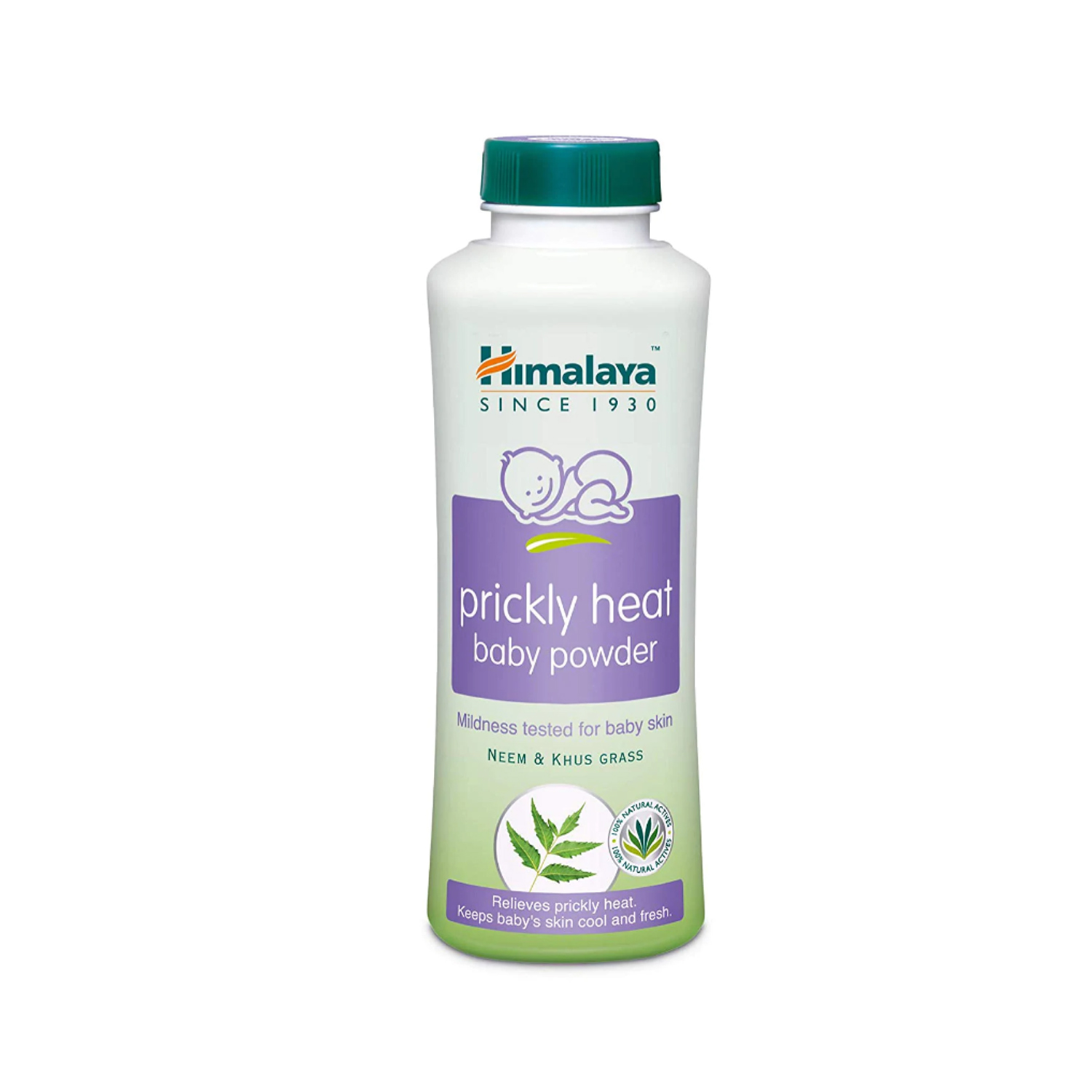
Himalaya Prickly Heat Powder, 50g
- ✓ Talc-free formula with mint and camphor
- ✓ Budget option at ₹120
- ✓ Fine powder, minimal cloud formation during application
* We earn a small commission — at no extra cost to you.
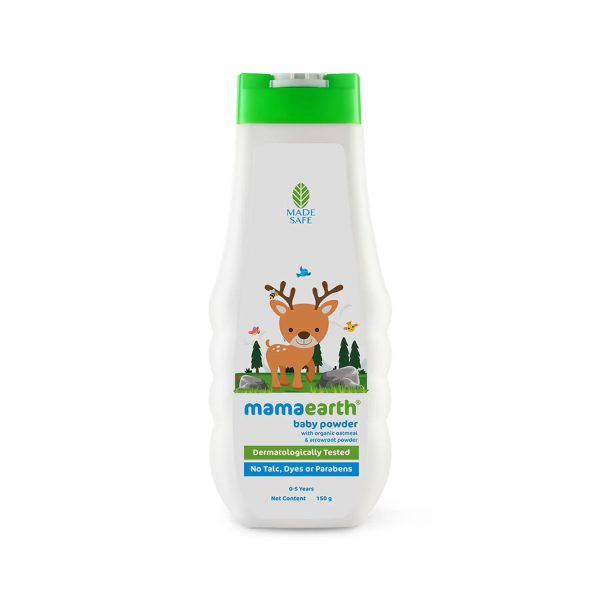
Mamaearth Talc-Free Baby Powder, 100g
- ✓ Zinc oxide and cornstarch base for antimicrobial barrier
- ✓ Finest texture, even spread across folds
- ✓ Most reviewed talc-free option on Amazon.in
* We earn a small commission — at no extra cost to you.
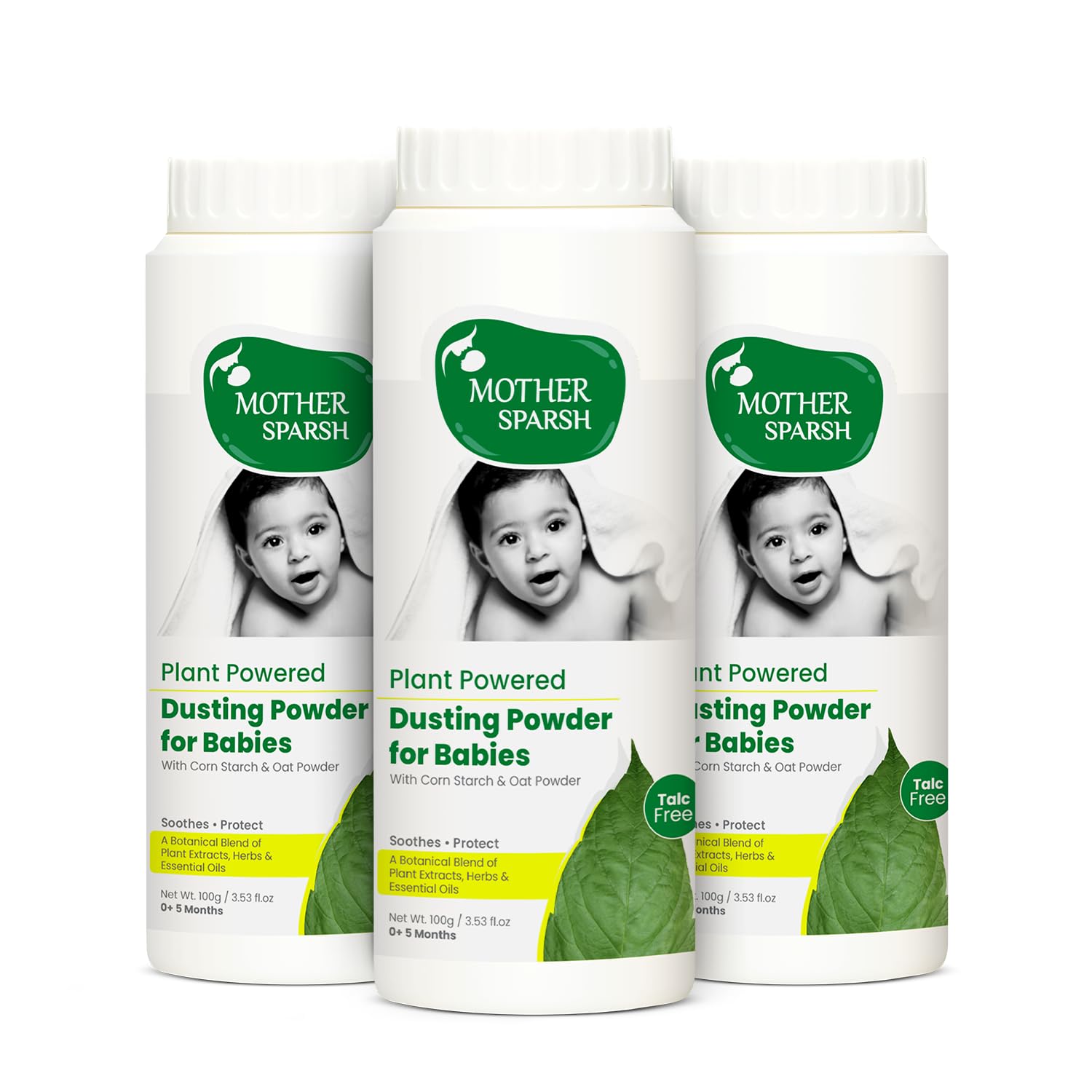
Mother Sparsh Organic Cornstarch Powder, 150g
- ✓ 100% organic cornstarch, single-ingredient formula
- ✓ Zero aspiration risk, naturally breaks down
- ✓ Best for minimalist parents and sensitive skin
* We earn a small commission — at no extra cost to you.