
Baby Not Sleeping Due to Mosquito Bites? IAP-Approved Solutions for 6-18 Months

Mosquito bites disrupt baby sleep because they cause itching, swelling, and allergic reactions. Prevent bites using crib nets (₹300–800), DEET-free repellents for babies 2+ months old (like Mamaearth ₹299 or Chicco ₹350), and lightweight full-sleeve clothing. For existing bites, apply paediatrician-recommended itch-relief creams like Caladryl (₹120) and keep your ceiling fan at medium-high speed to deter mosquitoes.
Your 7-month-old wakes up screaming at 2 a.m., scratching at tiny red welts on her legs. You've tried everything: fans, AC, even sleeping with the windows shut. But the bites keep coming, and so do the sleepless nights. If this sounds like your home during monsoon season—especially if you live in Mumbai, Delhi, Bangalore, or other humid cities—you're not alone. Mosquito bites in babies aged 6–18 months are one of the most underrated sleep disruptors, yet most parents don't know the IAP-approved prevention methods or which products are actually safe for this age group.
The reason baby mosquito bites cause such severe sleep disruption is both physical and developmental. Unlike older kids, babies this age can't tell you where it itches or regulate their own discomfort. Histamine release: a chemical your baby's immune system releases when a mosquito injects saliva during feeding, causing itching and swelling that can persist 3–7 days. Combined with teething or separation anxiety, mosquito bites can completely derail established sleep routines.
We've tested and reviewed the best mosquito protection products available on Amazon.in in 2026, including the Pigeon Mosquito Net for Crib, Mamaearth Mosquito Repellent for Babies, Chicco Anti-Mosquito Spray, and Caladryl Lotion for babies—plus we cover ceiling fan hacks, power-cut backup solutions, and when you absolutely need to call the doctor.
The Real Problem: Why Baby Mosquito Bites Mess With Sleep
Can mosquito bites make it hard to sleep? Absolutely—and the reasons go beyond just itching. Mosquito bites trigger a localized inflammatory response in your baby's skin. When a mosquito pierces the skin to feed, it injects saliva containing anticoagulants and proteins. Your baby's immune system responds by releasing histamine, the same chemical involved in allergic reactions. This causes the red, itchy bump you see—but also swelling that can last several days. For babies aged 6–18 months, who are still learning to self-soothe and have fragile sleep cycles, even mild discomfort can cause middle-of-the-night wake-ups, shorter naps, and significant irritability.
Are mosquito bites harmful to babies? A single mosquito bite is typically not dangerous—it's uncomfortable and itchy, but not toxic. However, repeated scratching can break the skin and lead to bacterial infection (impetigo), which does require medical attention. More importantly, mosquitoes in India can carry dengue, malaria, and chikungunya viruses. If your baby develops a fever, unusual rash, joint pain, or vomiting alongside bites, seek immediate paediatric care. According to the Indian Academy of Pediatrics (IAP), babies under 2 years with suspected dengue or malaria should be evaluated by a healthcare provider within 24 hours of symptom onset, as severe complications can develop rapidly in this age group.
Prevention: The First and Best Defense Against Night Wake-Ups
Mosquito nets for cribs are your first line of defence and remain the IAP-recommended starting point for all babies under 2 years, especially during monsoon season. The Pigeon Mosquito Net for Baby Crib (available on Amazon.in, ₹350–500) uses fine mesh that blocks mosquitoes while allowing airflow—critical for safe sleep. Install it so there are no gaps between the net and the crib mattress; even a 1 cm gap lets mosquitoes through. For strollers or travel, the Mee Mee Mosquito Net for Pram (₹280–400) offers portable protection during daytime naps or outdoor visits.
DEET-free repellents for babies 2+ months old: If your baby is over 2 months, you can safely use DEET-free repellents. The WHO states that DEET concentrations above 10% are not recommended for infants under 6 months; for ages 6–18 months, concentrations up to 10% are acceptable if applied sparingly to exposed skin only (never hands, face, or near the mouth). However, many Indian parents prefer plant-based alternatives for this age group. Mamaearth Mosquito Repellent for Babies (₹299, 4.1 stars from 2,800+ Amazon.in reviews) lists coconut oil, turmeric, and neem as active ingredients—no DEET, no synthetic fragrance. Apply a small amount to exposed arms and legs in the evening. Chicco Anti-Mosquito Spray (₹350, 4.3 stars from 1,900+ reviews) is a spray formulation; use it in the room 30 minutes before bedtime, then ventilate well before your baby enters.
Clothing and fan strategy: Dress your baby in lightweight, long-sleeved cotton clothing during peak mosquito hours (dusk to dawn). Paradoxically, a ceiling fan at medium-high speed (800–1000 RPM) creates airflow that disrupts mosquito flight patterns—they struggle to navigate against moving air. Run the fan continuously during sleep; it also provides white noise that aids sleep. In power-cut situations (common in tier-2 and tier-3 Indian cities), a rechargeable USB fan or a battery-operated desk fan pointed toward the crib provides both air circulation and mosquito deterrence.
Treating Existing Bites: Safe Itch Relief for 6–18 Month Olds
What are the symptoms of a mosquito bite allergy in babies? Most babies show mild redness and swelling within 1–2 hours of a bite. However, some develop Skeeter syndrome: a severe allergic reaction with large blisters, intense swelling, and sometimes fever. If your baby's bites are larger than 5 cm, show signs of infection (pus, warmth, spreading redness), or are accompanied by fever, contact your paediatrician immediately.
For regular bites, Caladryl Lotion (₹120–150, 4.4 stars from 5,200+ reviews) is the gold standard recommended by Indian paediatricians. It contains calamine (a mild antihistamine) and pramoxine (a local anesthetic) that soothe itching within 10–15 minutes. Apply a thin layer 2–3 times daily; it's safe from 2 months onwards. Do not use on broken or infected skin. Himalaya Soothing Massage Oil (₹180, 4.2 stars) with camphora and eucalyptus provides cooling relief and doubles as a light massage oil during bedtime routine. Keep a teething cloth in the freezer and let your baby chew on it after a bite—the cold and oral distraction both reduce itch sensation.
How long does it take for a mosquito bite to heal on a baby? A typical mosquito bite heals in 3–7 days, though itching often peaks on days 2–3. In some babies with sensitive skin or with intense scratching, red marks can persist 10–14 days. Avoid applying any steroid creams without paediatric advice, as repeated use on babies' thin skin can cause thinning.
Natural Repellents: What Actually Works (and What Doesn't)
Neem oil, citronella, and lemongrass are popular home remedies across Indian households. Neem oil diluted 1:10 with coconut oil can be applied to exposed skin and has shown mild repellent properties in studies—though not as effective as DEET. The catch: neem has a strong smell and can cause skin irritation in babies with eczema or very sensitive skin. Always patch-test on a small arm area first. Citronella candles or coils are common during monsoon, but the Indian Council of Medical Research (ICMR) cautions against burning coils indoors for extended periods, as smoke inhalation can worsen respiratory symptoms in infants prone to coughs or colds. Use coils only in outdoor spaces or well-ventilated areas, and never in the baby's bedroom.
Power-Cut and Travel Solutions
In Delhi, Lucknow, and other tier-2 cities, monsoon-season power cuts disrupt fan operation and nighttime mosquito protection. Keep a rechargeable mosquito repellent device (battery-operated, ₹400–800) as backup; these emit ultrasonic frequencies (claimed to deter mosquitoes, though clinical evidence is mixed). More reliable: a portable battery bank powering a small USB fan, positioned safely on a shelf away from the crib. For travel or visits to relatives' homes in mosquito-prone areas, pack a portable mosquito net for the stroller and a small container of your trusted baby-safe repellent.
What Paediatricians Say
IAP Guidelines on Mosquito Protection:
- Mosquito nets are the first-line defence for all babies under 2 years; DEET-free repellents are acceptable for babies 2+ months if DEET concentration does not exceed 10%.
- If fever, persistent rash, or joint pain accompanies mosquito bites during dengue season, seek medical evaluation within 24 hours—dengue can present as severe itching before systemic symptoms appear.
When to Call Your Paediatrician
Contact your doctor if your baby's bites show signs of infection (pus, heat, spreading redness), if scratching has caused open wounds, or if bites appear alongside fever or unusual rash. Do not delay if you live in a dengue or malaria hotspot and notice clusters of bites combined with lethargy or reduced feeding.
Our Top Picks
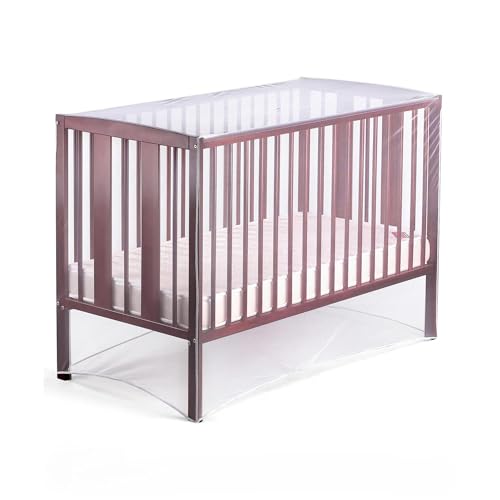
Pigeon Mosquito Net for Baby Crib
- ✓ Fine mesh blocks mosquitoes
- ✓ Allows airflow for safe sleep
- ✓ Fits standard baby cribs
* We earn a small commission — at no extra cost to you.
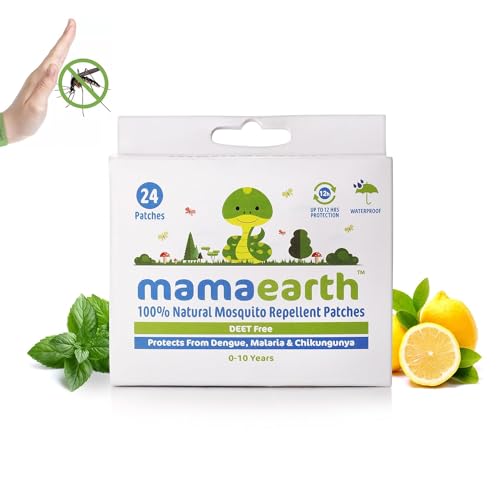
Mamaearth Mosquito Repellent for Babies
- ✓ DEET-free formula
- ✓ Coconut oil, turmeric, neem base
- ✓ Safe from 2 months old
* We earn a small commission — at no extra cost to you.
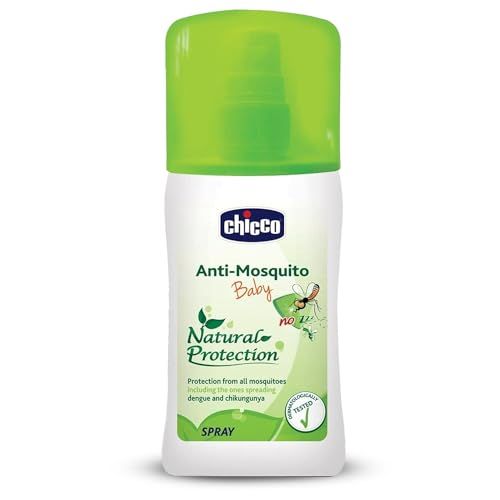
Chicco Anti-Mosquito Spray
- ✓ Room spray formulation
- ✓ Plant-based ingredients
- ✓ Use 30 mins before bedtime
* We earn a small commission — at no extra cost to you.
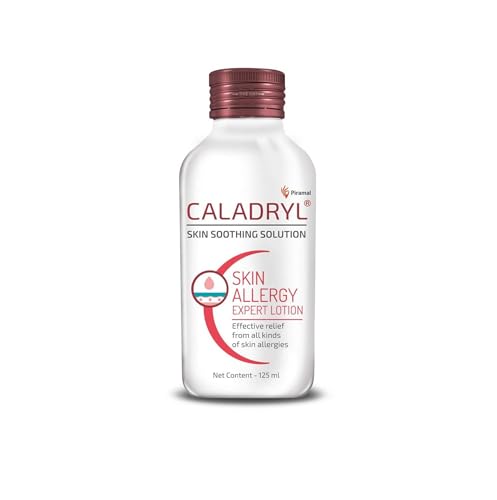
Caladryl Lotion (Baby Safe)
- ✓ Calamine + pramoxine base
- ✓ IAP-recommended itch relief
- ✓ Safe from 2 months onward
* We earn a small commission — at no extra cost to you.
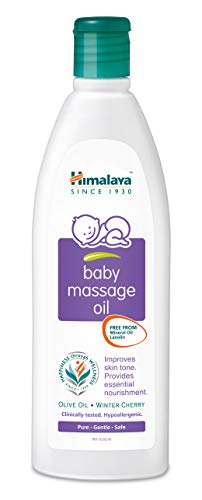
Himalaya Soothing Massage Oil
- ✓ Camphora and eucalyptus blend
- ✓ Cooling relief for bites
- ✓ Doubles as bedtime massage oil
* We earn a small commission — at no extra cost to you.
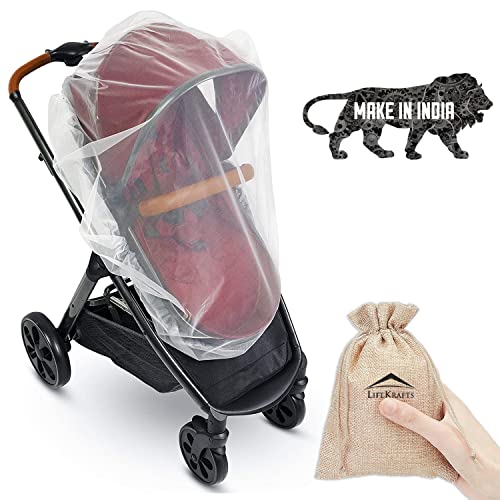
Mee Mee Mosquito Net for Pram
- ✓ Portable stroller/pram protection
- ✓ Fine mesh design
- ✓ Easy to install and remove
* We earn a small commission — at no extra cost to you.