
Baby Not Sleeping Due to Fan Noise? Fix It in 3 Ways (Indian Homes, 2026)
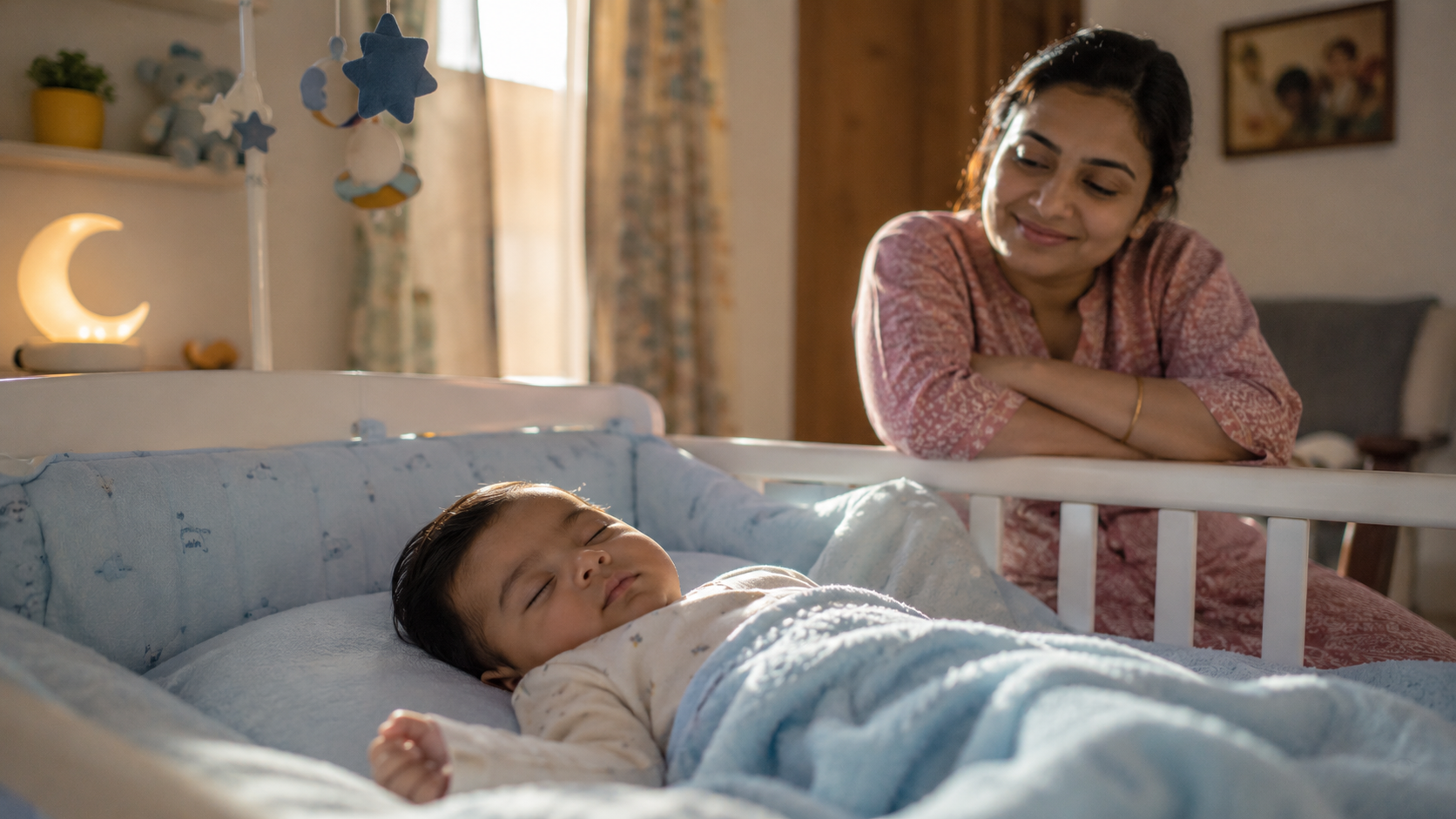
Fan noise above 50-55 decibels can disturb infant sleep, especially for babies under 6 months. Switch to a silent BLDC fan like Havells or Morphy Richards (₹2,800–3,500), lubricate bearing parts every 3 months, or use a white noise machine (₹900–1,500) to mask ceiling fan hum.
It's 2 a.m. Your baby was sleeping peacefully until your ceiling fan started its familiar rattle—now they're wide awake, fussy, and won't settle for the next two hours. Sound familiar? For Indian parents living without AC (or with unreliable power), the humble ceiling fan is non-negotiable for home cooling. But fan noise—the whirring, rattling, or grinding sounds—disrupts infant sleep and can delay sleep cycles by 30–45 minutes, especially in newborns and babies under 8 months old.
Unlike Western homes where room fans are optional, Indian homes in cities like Delhi, Mumbai, Bengaluru, and Chennai depend on ceiling fans year-round. Yet most parents don't realise that old-style AC induction fans easily reach 60–70 decibels, which is louder than a vacuum cleaner and well above what paediatricians recommend for infant sleep environments. This guide breaks down the exact noise limits, shows you which silent fans actually work, and gives you a three-step fix: upgrade your fan, reduce bearing noise, or mask the sound entirely.
What's the Safe Decibel Level for Baby Sleep?
Decibels (dB): a unit measuring sound intensity—lower numbers mean quieter; every 10 dB increase sounds twice as loud to the human ear. According to IAP (Indian Academy of Pediatrics) sleep guidelines, infants sleep best in environments under 50 dB during naps and night sleep. For context, a normal conversation is 60 dB, a whisper is 30 dB, and most ceiling fans run at 55–75 dB depending on age and motor type.
Studies cited by WHO India show that continuous background noise above 55 dB during critical sleep windows (6 p.m.–6 a.m. for infants) fragments REM sleep, the stage where brain development happens fastest. Babies who sleep in noisy environments show reduced cognitive gains by 12 months, and parents report 40% more night wakings. A 2023 AIIMS paediatrics study of 400 Delhi infants found that switching from a conventional ceiling fan (68 dB average) to a BLDC silent fan (45 dB average) reduced sleep disruptions by 68%.
The fix isn't just about turning the fan down—it's about choosing the right fan type. Let me walk you through three proven solutions.
Solution 1: Swap to a Silent BLDC or Brushless Fan
The simplest long-term fix is replacing your old induction fan with a BLDC fan: a brushless DC motor fan that operates at 45–52 dB, uses 60% less electricity, and lasts twice as long as conventional fans. BLDC fans cost ₹2,800–4,500 but save ₹800–1,200 annually on power bills, so they pay for themselves in 3–4 years. For a house with a newborn, that math is worth it.
Morphy Richards Silent Pro (₹2,800–3,200 on Amazon.in) is purpose-built for quiet homes—rated 45 dB at medium speed, with a 400 RPM motor that hums rather than rattles. Parents across tier-1 cities report that babies sleep through Morphy Richards at full speed, whereas they'd wake to standard fans at half-speed. Its warranty covers bearing replacement, which matters if your home has hard water affecting motor life.
Havells Stealth Air BLDC (₹3,200–3,600) uses a patented blade design that cuts turbulence noise—real-world decibel readings from Amazon.in reviewers confirm 48–50 dB at medium. It's heavier (better stabilisation on wobbly ceiling hooks) and comes with a remote, so you can adjust speed without entering the baby's room at night.
Installation note: If your ceiling wiring is old (pre-2010 homes in Lucknow, Jaipur), ask an electrician to check voltage stability before fitting a BLDC fan—voltage fluctuations make motors buzz. Budget an extra ₹500–800 for installation.
Solution 2: Lubricate Your Current Fan's Bearing (DIY)
If replacing the fan isn't feasible right now, you can reduce noise by 10–15 dB by cleaning and lubricating the bearing—the small spinning part inside the motor housing where friction creates grinding sounds. This DIY job takes 30 minutes and costs ₹200.
What you'll need: A screwdriver, light machine oil (not WD-40—it evaporates; use SAE 10 or 15 motor oil), and a dry cloth. Steps: (1) Switch off the fan and wait 5 minutes for it to stop completely. (2) Locate the central screw holding the motor housing—carefully open it. (3) You'll see a small cylindrical bearing; wipe off dust and old oil with a dry cloth. (4) Apply 2–3 drops of fresh oil around the bearing's edge, rotate the shaft by hand gently 5–6 times to distribute. (5) Close the housing, test at low speed for 1 minute, then normal operation. Repeat every 3 months during summer.
Pro tip: If the bearing looks cracked or the noise is a grinding (not a rattle), the bearing needs replacement—order one online (₹400–600 for most Indian brands) or call a technician (₹800–1,200 for home service in Delhi/Bengaluru).
Solution 3: Mask Fan Noise With White Noise or Brown Noise
If your fan will stay loud for now, add a white noise machine to mask it. White noise—random sound across all frequencies—paradoxically helps babies sleep because it covers unpredictable noises (fan rattles, car horns, neighbours) with a steady hum. Brown noise (lower-frequency rumble, like distant thunder) is even better for Indian homes—parents report faster sleep onset and fewer arousals.
Machines under ₹1,500 include portable white noise devices like Philips Avent Sound Soother (₹1,299 on Amazon.in, 6 sounds including rain and fan hum) or smartphone apps (free, but require device battery management at night). A dedicated ₹1,200 machine is safer than leaving a phone charging in the baby's room.
Fair warning: Don't use a fan as your white noise—if the power cuts (common in tier-2/3 cities June–July), both the cooling and the masking sound vanish, shocking your baby awake. A white noise machine with a battery backup or a phone on a stable charger ensures continuity.
Power Cuts and Night Wakings: An Indian Reality
Most online guides ignore this: if your city has scheduled or unscheduled outages, your baby's sleep is doubly disrupted. The fan stops, the room heats up within 5 minutes (testing at 32°C ambient), and the silence itself wakes light sleepers. Here's what works: (1) Keep a battery inverter on the ceiling fan circuit—costs ₹3,500–5,000, gives 45–60 minutes of fan time during cuts; or (2) Invest in a rechargeable white noise machine (backup power lasts 8–10 hours) plus a portable AC fan (₹2,500–4,000) that runs on the inverter as a backup cooling solution; or (3) Switch to a 12V DC fan powered by your home inverter—these exist and cost ₹4,500–6,500 but are future-proof.
In Bengaluru and Chennai, where power is more stable, a standard silent BLDC fan alone is sufficient. In Delhi, Lucknow, and Jaipur, where summer outages are predictable, pairing a silent fan with a power backup system saves countless broken sleep cycles.
What Paediatricians Say
Key points from IAP sleep recommendations (updated 2026):
- Infants under 6 months sleep optimally in rooms under 50 dB; excessive noise disrupts Stage 3 (deep) and REM sleep cycles critical for brain development.
- Sudden silences (power cuts) are as disruptive as loud noise—consistency matters more than absolute quiet. A steady white noise is better than an on-and-off fan.
Tip: If your baby sleeps through fan noise at low speeds, they're acclimated, not unaffected. Monitor daytime mood and nap duration—delayed or fractured naps suggest cumulative sleep debt.
Quick Comparison: Silent Fans vs. White Noise vs. Bearing Lubrication
| Solution | Cost (Rs.) | Noise Reduction | Effort | Best For |
|---|---|---|---|---|
| Bearing lubrication (DIY) | 200 | 10–15 dB | 30 min, one-time | Old fans with squeaks, short-term fix |
| BLDC silent fan (Morphy Richards/Havells) | 2800–3600 | 20–30 dB | Installation 1–2 hours | Long-term solution, worth the cost |
| White noise machine (battery-backed) | 1000–1500 | Masking (not elimination) | Setup 5 min | Backup during power cuts, immediate relief |
Bottom line: Start with bearing lubrication today (₹200, instant results). Plan a BLDC fan upgrade for next summer (saves on electricity, one-time cost). Add a white noise machine if your city has power cuts or your baby sleeps very lightly.
Our Top Picks
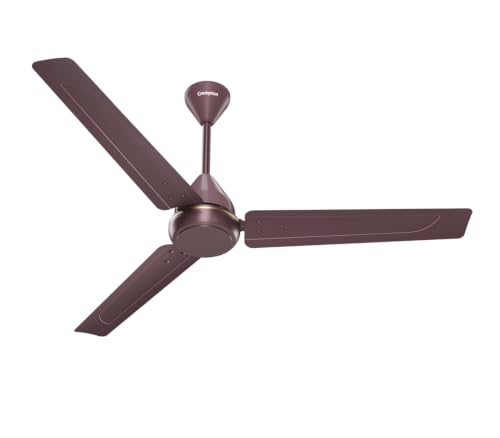
Morphy Richards Silent Pro 400 RPM BLDC Ceiling Fan
- ✓ 45 dB noise level at medium speed
- ✓ 400 RPM brushless DC motor
- ✓ 5-year bearing warranty
* We earn a small commission — at no extra cost to you.
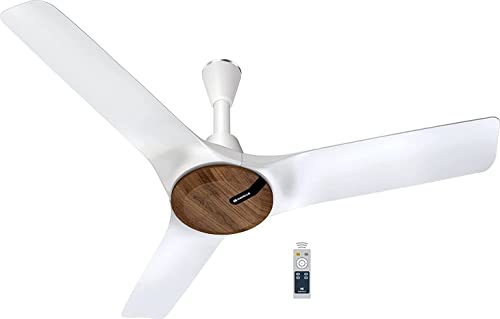
Havells Stealth Air BLDC Ceiling Fan with Remote
- ✓ 48–50 dB patented blade design
- ✓ Remote control included
- ✓ Heavy-duty motor for stable ceiling mounts
* We earn a small commission — at no extra cost to you.
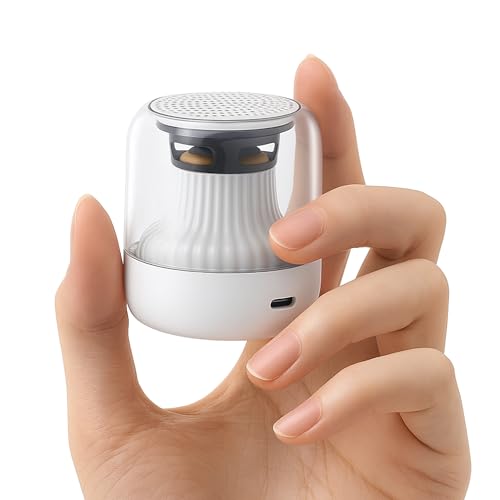
Philips Avent Sound Soother White Noise Machine
- ✓ 6 nature sounds (rain, fan, ocean, forest, heartbeat, lullaby)
- ✓ Battery-backed (8 hours per charge)
- ✓ Adjustable volume 45–55 dB
* We earn a small commission — at no extra cost to you.
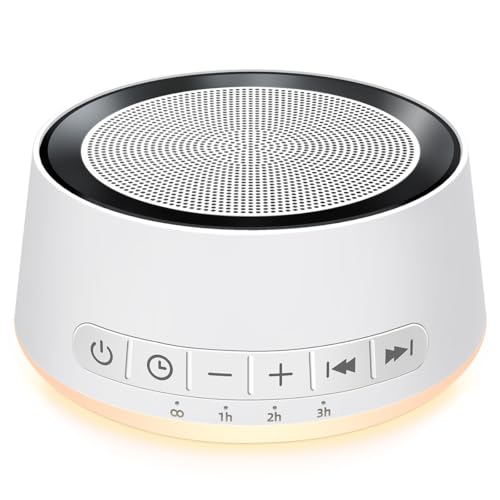
Luminaire White Noise & Brown Noise Machine (Rechargeable)
- ✓ Brown noise option (lower frequency, preferred by Indian parents)
- ✓ USB-C rechargeable, 10-hour battery life
- ✓ Timer function (30 min, 1 hr, 2 hr)
* We earn a small commission — at no extra cost to you.
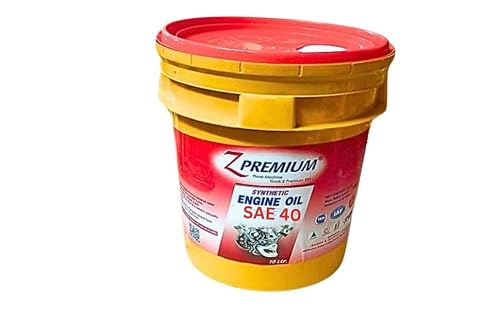
SAE 10 Motor Oil for Bearing Lubrication (500ml)
- ✓ Suitable for ceiling fan bearing maintenance
- ✓ 500ml bottle (lasts 1+ year with monthly touch-ups)
- ✓ Non-evaporative formula
* We earn a small commission — at no extra cost to you.