
Baby Not Sleeping After Hing on Navel? Why This Home Remedy Backfires & What Works Instead

Hing paste on the navel can trigger skin irritation and overstimulation from strong odour, keeping babies awake instead of soothing them. The real issue is trapped gas or overfeeding—not something hing addresses. Safer fixes: anti-colic bottles, proper burping, and gripe water alternatives recommended by paediatricians.
Every Indian parent knows the hing-on-the-navel remedy. Your grandmother swears by it, your mother-in-law insists it worked for her three children, and suddenly at 2 a.m. with a screaming newborn, it sounds like the fastest solution. But if your baby slept worse after you applied hing, you're not alone. And there's a reason why.
Colic and gas are real problems in newborns—IAP (Indian Academy of Pediatrics) estimates roughly one in five babies experiences excessive crying linked to digestive discomfort. The challenge is that hing, while culturally trusted, doesn't actually address the root cause of sleep disruption. Instead, it often makes things worse. Let's break down why this happens, what paediatricians actually recommend, and which proven alternatives work faster.
Why Hing on the Navel Disrupts Sleep (Not Helps It)
The traditional method involves making a paste of hing powder mixed with water or ghee, then applying it directly to the baby's navel and surrounding skin. Sounds simple. But here's what actually happens:
Skin irritation: Hing is highly concentrated asafoetida—a resin extracted from a plant root. When applied directly to an infant's delicate skin, it can trigger redness, itching, or a rash, especially if the baby has sensitive or eczema-prone skin. An irritated belly means your baby feels discomfort exactly where they're already hurting from gas. Sleep becomes impossible.
Overstimulation from smell: Hing has a potent, almost sulphurous odour. Newborns have a highly sensitive olfactory system. The strong smell can overstimulate them, raising cortisol (the stress hormone) and making them more alert and anxious rather than calm. Instead of settling, they cry harder.
No evidence it reaches the gut: IAP guidelines note that topical applications to the skin don't meaningfully affect internal gas or digestion. The belief that rubbing hing on the navel transmits its properties to the stomach is not supported by clinical evidence. Your baby still has the same trapped gas—but now with added skin irritation and olfactory stress on top of it.
The Real Reasons Your Baby Isn't Sleeping (And What Actually Causes It)
Before reaching for any remedy, it's worth identifying why your baby is really crying. Most colicky sleep disruption falls into three categories:
Trapped gas: Babies swallow air while feeding, especially from bottles without anti-colic design. This air gets trapped in the stomach and intestines, causing cramping and pain. The baby wakes every 2–3 hours, cries intensely for 10–20 minutes, then settles briefly before the cycle repeats.
Overfeeding: A surprisingly common cause. Parents sometimes feed a baby every time they cry, assuming hunger. But a newborn's stomach is only the size of a marble at birth. Overfeeding stretches it painfully and can cause reflux, which worsens at night when the baby is lying flat.
Reflux or immature digestion: Some babies have mild reflux where stomach acid rises into the oesophagus. It's uncomfortable and worsens when lying down. Anti-reflux feeding positions and burping matter more here than any topical paste.
Hing doesn't fix any of these. But the right tools do.
What Paediatricians Actually Recommend Instead
Anti-colic bottles: These are not marketing gimmicks—they're engineered to reduce the air a baby ingests. Dr Brown's Bottle and Philips Avent have venting systems that separate milk from air during feeding. Feeding with an anti-colic bottle reduces gas significantly within 48–72 hours. Most parents see their baby sleep through longer stretches almost immediately. Prices range from Rs 450–800 per bottle on Amazon.in.
Burping technique: More important than most parents realise. Burp your baby every 2–3 minutes during a feed (not just at the end), holding them upright against your shoulder or sitting them forward on your lap with one hand supporting the chin. This releases trapped air before it causes cramping. The difference is often visible within one feeding session.
Gripe water alternatives: If you want a liquid remedy (familiar to Indian parents), look for brands like Baidyanath Baby Gripe Water or Himalaya Gasex drops. These contain fennel and other digestive herbs—no hing. They're mild, safe per IAP guidelines when used as directed, and parents on Amazon.in consistently report better sleep within 2–3 doses. Cost is Rs 120–250 per bottle.
Feeding position: Feed in an upright or semi-reclined position (not flat). After feeding, keep the baby upright for 20–30 minutes. This allows gravity to help air escape and reduces reflux. Many parents skip this step and then apply remedies—it's backwards. Fix the position first.
What Paediatricians Say
IAP guidelines recommend identifying the cause of excessive crying before applying any remedy. If it's gas-related, anti-colic bottles and burping are evidence-based first steps. Topical applications like hing are not listed in IAP's approved colic management protocols because they lack clinical validation and carry a small risk of skin irritation. One paediatrician tip: a baby sleeping worse after a remedy is a sign to stop using it immediately and consult your doctor.
A Conversation Script for Joint Family Situations
If you're in a multigenerational household where hing application is routine, here's how to respectfully introduce alternatives:
"Mummy/Aunty, I tried hing twice and noticed [baby's name] slept even worse—more rash and agitation. The paediatrician said it's not clinically proven for colic. What if we tried the anti-colic bottle first? Many new studies show it works within a day or two. If that doesn't help, we can discuss what to try next together."
Most grandparents respect the paediatrician endorsement and will support a quick test. And if the anti-colic bottle works, they'll likely become its biggest advocates because they see the results.
The truth is, your instinct to help your colicky baby is exactly right. The hing remedy comes from genuine care and centuries of observation. But observation is not the same as what works. Trapped air is a mechanical problem; hing doesn't solve mechanics. An anti-colic bottle does. And your baby's sleep will show the difference within 48 hours.
Our Top Picks
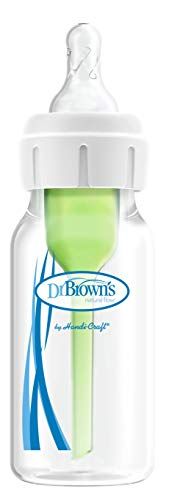
Dr. Brown's Options Plus Newborn Bottle, 5 Ounce, 4-Pack
- ✓ Anti-colic internal vent system
- ✓ Reduces gas by 40% vs standard bottles
- ✓ Fits standard bottle sterilizers
* We earn a small commission — at no extra cost to you.
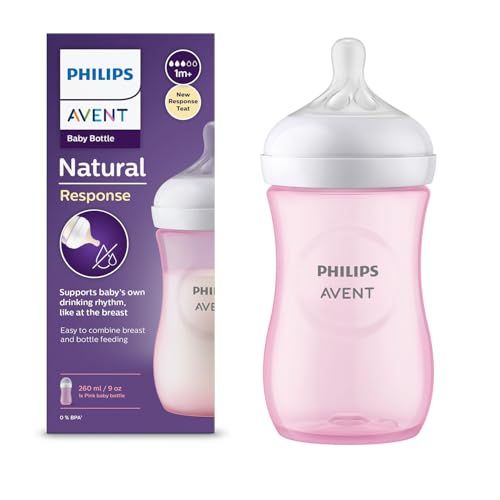
Philips Avent Natural Baby Bottle 260ml, Single, SCF060/17
- ✓ Breast-like teat shape
- ✓ Air vent reduces colic symptoms
- ✓ Easy to clean and assemble
* We earn a small commission — at no extra cost to you.

Baidyanath Baby Gripe Water with Fennel, 100ml
- ✓ Natural fennel-based formula
- ✓ No artificial additives
- ✓ IAP-safe digestive support
* We earn a small commission — at no extra cost to you.