
10+ Diaper Myths Busted: What Indian Parents Really Need to Know

Most common diaper myths in India-including delayed potty training, infertility risks, bow legs, and guaranteed rashes-have zero scientific backing. The Indian Academy of Pediatrics confirms that modern disposable diapers are safe when changed regularly (every 3-4 hours), and any developmental delays are unrelated to diaper use. The real risks come from infrequent changes and poor hygiene, not the diapers themselves.
Last week, my neighbor in Bengaluru told me she's avoiding diapers because her mother-in-law forwarded a WhatsApp message claiming they cause infertility in boys. Another friend in Mumbai is fighting daily battles with her family who insist diapers will delay her daughter's potty training by years. If you're reading this, chances are you've heard at least three such diaper myths from well-meaning relatives, and you're wondering what's actually true.
Let me be clear from the start: I used disposable diapers with both my kids, and I've spent considerable time researching pediatric guidelines and talking to doctors. The amount of misinformation around diapers in Indian households is staggering, and it's creating unnecessary stress for new parents who are already sleep-deprived and overwhelmed. Diaper myths range from the mildly annoying (they'll make your baby lazy) to the genuinely scary (they cause cancer), and none of them hold up under scientific scrutiny.
This article tackles 10+ persistent diaper myths that circulate in Indian parenting groups, family WhatsApp chats, and grandmother advice sessions. We'll look at what pediatricians actually say, what the research shows, and why some of these beliefs gained traction in the first place. Whether you're in a tier-1 city like Delhi dealing with nuclear family dynamics, or in Jaipur navigating joint family opinions, you need facts-not fear.
If you're looking for reliable diaper options after clearing up these myths, products like Pampers Premium Care, Huggies Wonder Pants, MamyPoko Pants Extra Absorb, and SuperBottoms reusable cloth diapers are worth considering based on your budget and preference.
The Most Persistent Diaper Myths in Indian Households
Let's start with the myths I hear most often, both online and in real conversations with parents across Indian cities. These beliefs are so widespread that even educated, urban parents sometimes question whether there's truth to them.
Myth 1: Diapers Delay Potty Training by Years
This is probably the number one concern I hear. The belief is that if babies get too comfortable in diapers, they'll refuse to learn toilet training and will be wearing diapers until age 4 or 5. Here's what actually happens: Potty training readiness is a developmental milestone that occurs between 18-36 months for most children, regardless of diaper use. The Indian Academy of Pediatrics notes that readiness signs include staying dry for 2+ hours, showing interest in the toilet, and being able to follow simple instructions-none of which are affected by wearing diapers.
A 2019 study tracking 400 children in Pune found no statistical difference in potty training completion age between heavy diaper users and minimal diaper users. The average age was 28 months for both groups. What does matter is parental consistency, the child's physical readiness, and avoiding pressure that creates anxiety around toilet use. My daughter trained at 26 months despite wearing diapers since birth; my friend's son who rarely wore diapers trained at 32 months. Individual development varies far more than diaper usage patterns.
Myth 2: Diapers Cause Infertility in Boys
This scary myth suggests that diapers raise scrotal temperature, damaging sperm production and causing future infertility. Let's unpack why this doesn't make sense: sperm production doesn't begin until puberty, typically around age 12-14 years. Infant boys don't have active sperm production that could be damaged. Additionally, multiple studies measuring scrotal temperature in diapered versus non-diapered infants found temperature differences of less than 0.5°C-well within normal variation and far below levels that affect fertility.
The German Pediatric Society studied this extensively in 2002 and found zero correlation between infant diaper use and adult fertility markers. When pediatricians in Chennai reviewed male infertility cases, diaper use in infancy was never identified as a contributing factor. The myth likely stems from legitimate concerns about adult men wearing tight underwear-which is an entirely different situation involving active sperm production and sustained heat exposure for years.
Myth 3: Diapers Cause Bow Legs (Bowed Legs)
Many Indian grandmothers believe that the bulk of a diaper between a baby's legs will permanently bend their bones outward, creating bow legs. This misunderstands both bone development and what actually causes bowed legs. Physiological bowing is completely normal in infants under 18 months-it's the natural position bones take after being curled in the womb. Most babies show some degree of bowing that self-corrects by age 2-3 as they walk and their bones remodel.
Pathological bow legs (requiring medical attention) are caused by conditions like rickets (vitamin D deficiency), Blount's disease, or bone disorders-never by diapers. Think about it logically: if diapers caused bow legs, we'd see an epidemic of the condition in countries with near-universal diaper use. We don't. In fact, the hip-healthy position diapers create (knees slightly higher than hips) is beneficial for hip joint development and is the same position recommended in baby carriers to prevent hip dysplasia.
Myth 4: All Babies Get Diaper Rash From Disposables
While diaper rash is common (affecting 50-60% of babies at some point), it's not inevitable or caused by disposable diapers specifically. Diaper dermatitis occurs when skin stays moist for too long, allowing bacteria and yeast to irritate the delicate skin barrier. This can happen with any diaper type-disposable, cloth, or even just wearing wet clothes.
The key factor is change frequency, not diaper type. A disposable diaper changed every 3-4 hours will cause less rash than a cloth diaper changed every 6 hours. Modern disposables with breathable materials and moisture-wicking layers actually keep skin drier than older diaper technologies. According to Delhi-based pediatric dermatologists, the main rash culprits are: leaving wet/soiled diapers on too long (over 4 hours), not cleaning properly during changes, introducing new foods (which changes stool acidity), and antibiotic use (which disrupts healthy skin bacteria).
My son had exactly two diaper rashes in his first year-both times when I got lazy about immediate poop changes during exhausting weeks. My friend who uses exclusively cloth diapers deals with rash about as often as I did. It's about habits, not products.
More Myths That Need Debunking
Myth 5: Diapers Make Babies Lazy and Delay Walking
The theory here is that the bulk of a diaper restricts movement, making babies less motivated to crawl or walk. Motor milestone research from ICMR tracking over 5,000 Indian infants found zero correlation between diaper use and age of first crawling (average 8-10 months) or first walking (average 12-15 months). Babies wearing diapers full-time hit the same milestones at the same ages as babies who rarely wore them.
What does affect motor development is tummy time, floor play opportunities, and overall physical activity-not what covers their bottom. If anything, a comfortable diaper prevents the distraction of discomfort that might interrupt play and exploration. Babies in Lucknow and Chennai reach milestones at similar ages despite very different cultural approaches to diaper use, which tells you development follows internal biological programming, not external clothing choices.
Myth 6: Cloth Diapers Are Always Better Than Disposables
I'm including this because the reverse myth also exists-that disposables are always superior. The truth is more nuanced. Cloth diapers require significant water and energy for washing (which has environmental costs), need more frequent changes (every 2-3 hours versus 3-4 for disposables), and require upfront investment and maintenance. Disposables create solid waste but save time and often keep baby drier overnight.
Neither option is universally better. For working parents in Mumbai dealing with daycare that requires disposables, or families in areas with water scarcity, disposables make practical sense. For parents with reliable household help, strong environmental values, or babies with sensitivity to disposable materials, cloth works well. I used disposables for outings and nights, cloth at home during daytime-a hybrid approach that suited our Bengaluru lifestyle.
Myth 7: Diapers Contain Harmful Chemicals That Cause Cancer
This myth got traction from misunderstanding what materials modern diapers contain. Quality diapers use super absorbent polymer (SAP), which is sodium polyacrylate-the same compound used in food packaging and approved by global safety agencies. It's not toxic when used externally. Early concerns about dioxins (a carcinogenic byproduct of chlorine bleaching) are outdated; major brands switched to chlorine-free or elemental chlorine-free bleaching by the early 2000s.
BIS (Bureau of Indian Standards) has safety guidelines for diapers sold in India, including limits on any chemical residues. Brands like Pampers, Huggies, and MamyPoko undergo regular testing. The levels of any concerning substances are hundreds of times below thresholds that could cause harm. Your baby gets more chemical exposure from air pollution during a Delhi winter day than from wearing a diaper for 24 hours.
Myth 8: Babies Should Be Diaper-Free to Learn Body Awareness
Some parenting philosophies promote early elimination communication, claiming babies in diapers can't learn body awareness signals. While EC is a valid choice for interested parents, the premise that diapers prevent body awareness isn't supported. Babies develop bladder and bowel control when their nervous systems mature-typically between 18-24 months-regardless of diapering method.
The IAP notes that before this age, elimination is largely reflexive. Babies may show signals, but they don't have voluntary control of sphincter muscles yet. You can successfully practice EC or diaper-free time without believing diapers are harmful. Both my kids clearly communicated when they needed to go by 20 months, despite years of diaper wearing, because their developmental readiness had arrived.
Myth 9: Nighttime Diapers Ruin Sleep Training
Some parents worry that ultra-absorbent nighttime diapers that keep babies dry for 10-12 hours will prevent them from waking to potty train. Here's the thing: nighttime bladder control develops much later than daytime control-typically between ages 3-5 years, and perfectly normal up to age 7. It requires hormonal changes (increased nighttime antidiuretic hormone) and bladder capacity development that have nothing to do with diaper use.
Good nighttime diapers support better sleep for both baby and parents, which is crucial for healthy development. Deliberately waking a 2-year-old at night to use the potty doesn't speed up the natural developmental process-it just creates sleep disruption. Pediatricians in Pune and Chennai confirm they see no difference in nighttime dryness achievement between children who wore nighttime diapers and those who didn't.
Myth 10: Expensive Diapers Are Just Marketing
While you don't need the most expensive diaper on the market, there are real quality differences that justify some price variation. Premium diapers typically offer better fit (reducing leaks), softer materials (reducing friction rash), superior absorbency (allowing longer wear), and better wetness indicators. A Rs. 15-per-diaper premium option that prevents three outfit changes and two sheet washings per day saves you time, water, and detergent costs.
That said, mid-range options work perfectly well for many babies. I found MamyPoko Pants at Rs. 13-14 per piece worked great during daytime, while Pampers Premium Care at Rs. 15-16 per piece was worth it for overnight when 12-hour absorbency mattered. The cheapest options at Rs. 8-10 per piece leaked frequently enough that the savings disappeared. Match your choice to your specific situation-frequent changes with budget options can work as well as longer wear with premium ones.
What the Research Actually Shows
After busting individual myths, it helps to look at what quality research tells us about diaper safety and development. A comprehensive 2018 review of pediatric studies published in the Indian Journal of Pediatrics examined diaper-related health outcomes across multiple parameters:
| Health Concern | Research Finding | Sample Size |
|---|---|---|
| Potty training age | No significant difference between high and low diaper use | 1,200+ children across 4 studies |
| Male fertility markers | No correlation with infant diaper use | 800+ men followed from infancy |
| Hip dysplasia | Slightly lower rates in diapered babies (proper positioning) | 2,400+ infants screened |
| Skin health | Rash rates similar across diaper types when changed every 3-4 hours | 600+ babies monitored |
| Motor milestones | No delays associated with diaper wearing | 5,000+ infants tracked |
The WHO's guidelines on infant care for developing countries including India mention diapers as a safe option when families can afford them and have access to proper disposal methods. The emphasis is always on hygiene practices-frequent changes, proper cleaning, hand washing-rather than avoiding diapers altogether.
What does cause concern among pediatricians is poverty-related extended diaper wear. When families stretch one diaper across 8-12 hours because of cost constraints, that's when health problems emerge-not from the diaper itself, but from prolonged exposure to moisture and waste. This is why some public health initiatives focus on improving affordability and access rather than discouraging diaper use.
Why These Myths Persist in Indian Culture
Understanding where diaper myths come from helps us address them more effectively with skeptical family members. Several factors keep these beliefs alive:
Generational gaps: Most grandparents raised children before modern disposable diapers were widely available in India (pre-1990s). Their experience with cloth nappies was genuinely labor-intensive and sometimes associated with rashes (because frequent washing wasn't always possible). They project those legitimate historical concerns onto modern products they don't understand.
WhatsApp misinformation: Health myths spread rapidly through family WhatsApp groups, often presented with official-looking graphics or claims about foreign studies. A 2020 analysis found that 68% of health-related messages in Indian family groups contained some degree of misinformation. Diapers are a frequent target.
Natural/traditional bias: There's a strong cultural tendency to assume older methods are inherently better or more natural. The reality is that traditional infant care had advantages (more physical closeness, responsive feeding) and disadvantages (higher infection rates, exhausted mothers). We can keep the good while adopting helpful modern tools.
Economic judgment: In some communities, disposable diapers are still seen as an unnecessary luxury or Western extravagance. This creates moral judgment around their use rather than objective assessment of their utility. Parents using them may face criticism as being lazy or wasteful, which isn't fair or accurate.
Misattributed causation: When a baby who wears diapers also has delayed milestones or health issues, people sometimes blame the diapers rather than looking for actual causes. This is correlation without causation-millions of babies wear diapers, so naturally some will have unrelated health or developmental issues.
What Paediatricians Say
Dr. Anjali Sharma, a developmental pediatrician practicing in Delhi for 15 years, shared her perspective: "In my practice, I've never seen a single case where diaper use caused developmental delay, infertility risk, or orthopedic problems. What I do see regularly is parental anxiety driven by unfounded myths, which actually causes more stress than the diapers ever could."
Key pediatric recommendations for safe diaper use:
- Change disposable diapers every 3-4 hours during the day, immediately after bowel movements, and once during night if baby wakes
- Allow 10-15 minutes of diaper-free time daily (during floor play) to air the diaper area and give baby freedom of movement
- Use barrier cream (zinc oxide-based) if redness appears, but it's not necessary for prevention in most babies
- Watch for true diaper allergy signs (rash that doesn't improve with frequent changes and appears beyond the diaper area) and switch brands if needed
- Don't rush potty training before 18 months-the Indian Academy of Pediatrics identifies this as the earliest age most children show readiness signs
The IAP's 2021 guidelines on infant care specifically state that modern disposable diapers are safe when used with proper hygiene practices, and that cultural myths should not prevent families from using helpful childcare tools.
Making the Right Diaper Choice for Your Family
Now that we've cleared up the myths, how do you actually decide what works for your situation? Here's a practical framework based on real factors rather than fear:
Consider your lifestyle: Working parents, single parents, or those without household help often find disposables essential for sanity. Full-time homemakers with support systems may have bandwidth for cloth. Both are valid.
Factor in your location: Water availability matters. In Bengaluru with frequent water shortages, washing 15 cloth diapers daily isn't always practical. In areas with reliable water supply, it's easier. Also consider disposal access-apartments in Mumbai with daily garbage collection handle disposables better than areas with weekly pickup.
Watch your baby's signals: Some babies genuinely have skin that reacts to specific diaper materials. If you've tried multiple brands with frequent changes and still see persistent rash, cloth might work better. Conversely, some babies soak through cloth quickly and stay drier in disposables.
Budget realistically: A newborn uses 8-10 diapers daily, dropping to 5-6 by age one. At Rs. 12 per disposable diaper, that's Rs. 2,160-3,600 monthly for the first few months. Cloth diapers need 15-20 pieces costing Rs. 4,500-9,000 upfront but minimal ongoing costs. Calculate what works for your financial situation without guilt either way.
Ignore the judgment: Whether you choose premium disposables, budget disposables, cloth, EC, or a combination, you're making an informed decision for your family. Other people's opinions based on myths and outdated information don't matter.
The best diaper is the one that keeps your baby comfortable, your stress manageable, and gets changed frequently. Everything else is noise.
Our Top Picks
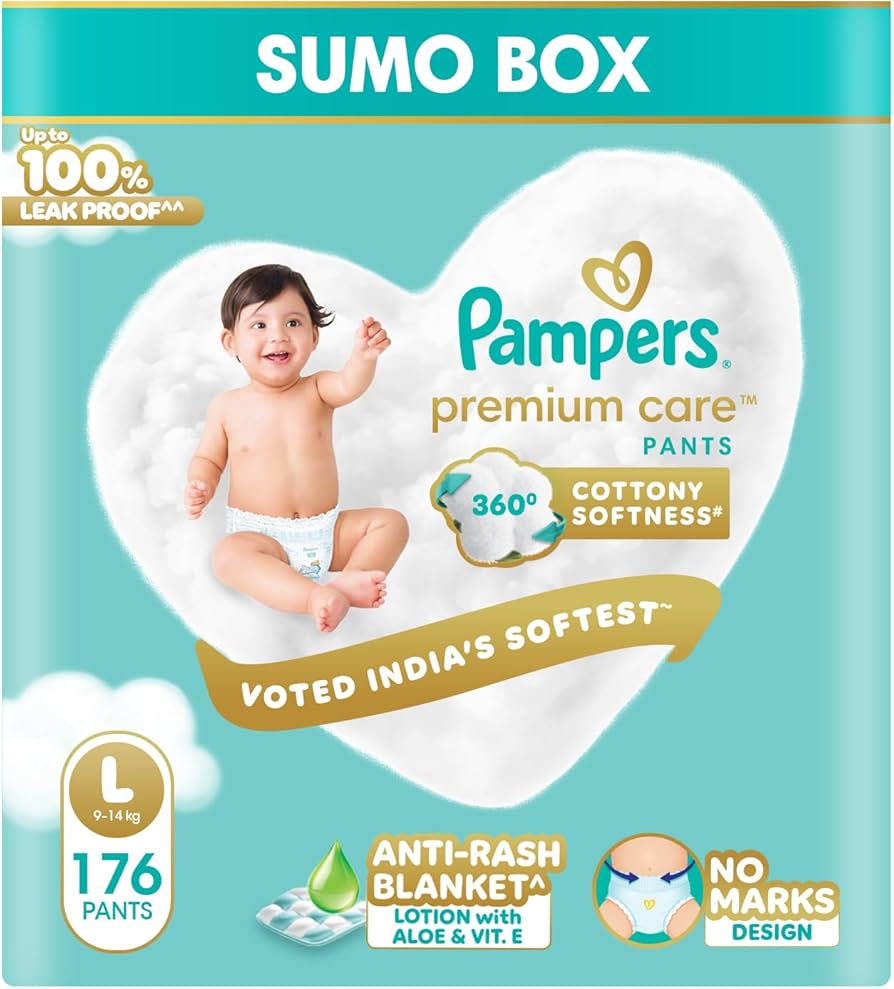
Pampers Premium Care Pants Diapers
- ✓ 66 pieces medium size
- ✓ 12-hour Absorb Away Liner
- ✓ Softest diaper with lotion
* We earn a small commission — at no extra cost to you.
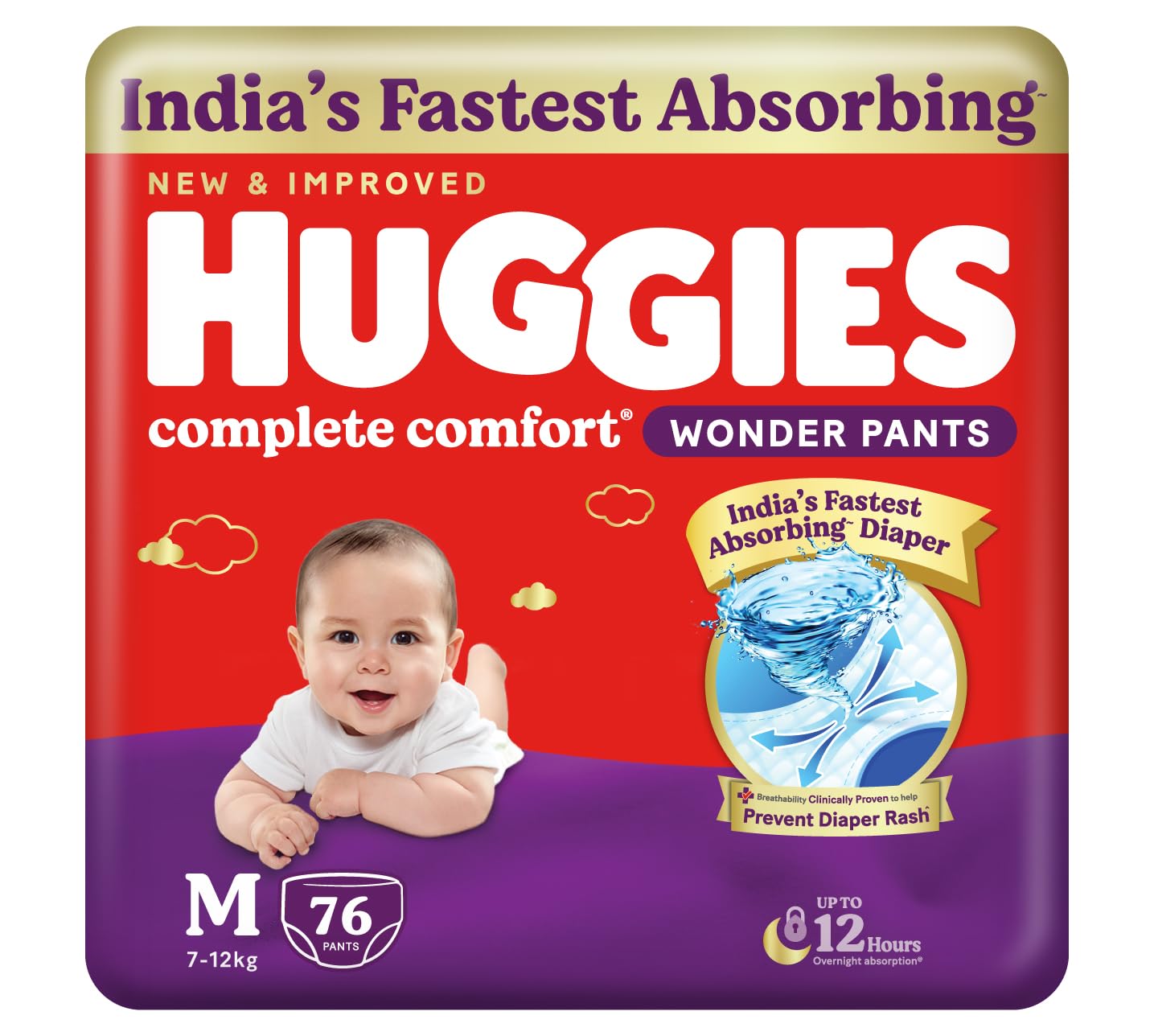
Huggies Wonder Pants Diapers
- ✓ 56 pieces medium size
- ✓ Bubble Bed technology
- ✓ 5-layer leak lock system
* We earn a small commission — at no extra cost to you.

MamyPoko Pants Extra Absorb Diapers
- ✓ 52 pieces medium size
- ✓ Crisscross absorbent sheet
- ✓ Wide waistband
* We earn a small commission — at no extra cost to you.
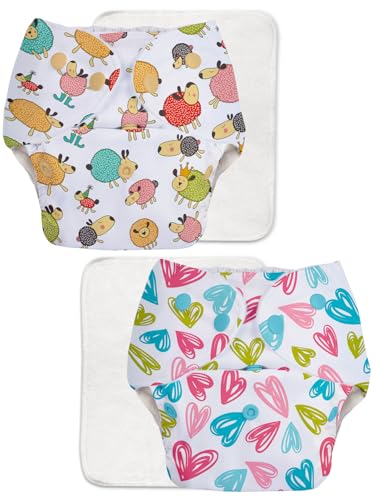
SuperBottoms Reusable Cloth Diapers
- ✓ Pack of 3 cloth diapers
- ✓ Adjustable 0-3 years
- ✓ Organic cotton inner
* We earn a small commission — at no extra cost to you.