
Baby Clothes Shrunk After Washing? 4 Proven Fixes + Prevention Guide
Most shrinkage in baby clothes happens in the first wash when hot water or high heat shrinks cotton fibres. You can recover 60-70% of lost size using a hair conditioner soak, gentle stretching while damp, or a vinegar rinse. Prevention is simpler: always wash baby clothes in cold water (below 30°C) and air-dry in shade instead of sunlight or machine drying.
It happens to nearly every parent: you wash your baby's favorite kurta or soft cotton romper, hang it to dry, and when you reach for it the next morning, it's suddenly two sizes smaller. Your 9-month-old, who fit it perfectly last week, can no longer get his arms through the sleeves. The panic is real—especially when it's an expensive brand like Mothercare or a family heirloom piece.
The good news? If your baby clothes shrank after washing, you have options. Some of the shrinkage can be reversed. And if you understand why it happens in the first place, you can prevent it entirely next time around.
Why Baby Clothes Shrink After Washing
Cotton and cotton-blend fabrics are the culprits in 90% of shrinkage cases. Here's the simple chemistry: cotton fibres are held together with weak hydrogen bonds. When exposed to heat and moisture—hot water, steam, or direct sunlight—these bonds relax, and the fibres naturally contract. This is called progressive shrinkage: the first wash causes the most dramatic loss (typically 3-8% for 100% cotton), and subsequent washes cause less.
Your washing machine and drying method matter enormously in India's climate. A top-load IFB or Bosch machine running a hot-water cycle (40°C or higher) will shrink cotton far more than a gentle cold wash. Line-drying in full sunlight accelerates shrinkage because UV heat triggers the same fibre contraction as wash temperature. Even high-humidity monsoon months can worsen it if clothes aren't dried quickly.
Blended fabrics—cotton-polyester mixes at 80/20 or 70/30—shrink less predictably. The polyester resists heat, but the cotton portion still contracts, creating uneven shrinkage and distorted fits. Some brands like Bongels or Mothercare label their clothes "pre-shrunk," which means they've already heat-treated the fabric in the factory to lock in final size. These are safer choices if shrinkage is a concern.
4 Proven Methods to Unshrink Baby Clothes
Method 1: Hair Conditioner Soak (Most Effective for Cotton)
Fill a basin with lukewarm water (around 25-27°C, comfortable to touch). Add one tablespoon of any budget hair conditioner—Bajaj Almond, Parachute, even a sample from a salon works. Submerge the shrunken garment fully for 15-20 minutes. The conditioner relaxes the cotton fibres, much like it softens your own hair. After soaking, gently stretch the garment lengthwise and widthwise while it's still wet. Don't yank—imagine coaxing it back to size, not forcing it. Lay it flat on a clean towel to air-dry. This method recovers 60-70% of lost size in most cases, especially if the garment shrank only slightly (1-2 sizes).
Method 2: Gentle Stretching While Damp
Immediately after washing, don't wring out the garment. Instead, gently squeeze excess water and lay it flat on a dry towel. While the fabric is still damp (not dripping, but clearly wet), carefully stretch it lengthwise, widthwise, and diagonally. Smooth out creases with your palms. This works because damp fibres are flexible and can be coaxed back toward their original dimensions. It's less effective than a conditioner soak for severe shrinkage, but it's a good first step in the washing routine itself. Many parents report 40-50% recovery with this method alone.
Method 3: Vinegar Rinse
White vinegar (not fancy, just cheap white vinegar from your kitchen) contains acetic acid, which also relaxes cotton fibres. Soak the shrunken garment in 1 part vinegar to 4 parts water for 10-15 minutes, then gently stretch and lay flat to dry. The vinegar smell fades as it dries. This works similarly to the conditioner method but is cheaper and uses something already in your home. Combine it with stretching for best results.
Method 4: Steam Stretching
Heat water in a pot (not a pressure cooker) until steam rises. Hold the garment 20-30 cm above the steam for 2-3 minutes. The steam softens the fibres without re-soaking the fabric. While warm and slightly damp, gently stretch it on a flat surface or against your body (careful—it's hot). Once dry, the stretched shape often holds. This is fastest for small items like socks or bibs, but less practical for full kurtas or rompers.
Reality check: If the garment shrank 3+ sizes (e.g., from 18 months to 9 months), recovery is minimal. You'll likely get 1-1.5 sizes back, not the full amount. Synthetic and heavily blended fabrics shrink less and are harder to unshrink because the polyester resists stretching.
Prevention: How to Wash Baby Clothes Without Shrinkage
The easiest fix is never letting it happen. Indian parents with experience—especially those in Delhi, Mumbai, and Bengaluru where water quality and heat vary—have learned these rules:
- Always wash in cold water. Set your machine to 20-30°C, never higher. Cold water won't shrink cotton significantly, even on the first wash. Brands like Bosch and IFB offer explicit "cold" or "delicate" cycles—use them.
- Air-dry in shade, never direct sun. Sunlight is a silent shrinkage culprit. Hang clothes in a shaded corner, on a clothes rack indoors, or under a balcony cover. This alone prevents 50% of shrinkage in high-temperature months (April-June).
- Avoid machine drying entirely. Most Indian homes don't have dryers, but if you do, skip it for baby clothes. Machine heat locks in shrinkage permanently.
- Check the label before buying. If the label says "100% cotton" with no shrink-resist mention, assume 5-8% shrinkage in the first wash. If it says "pre-shrunk" or "shrink-resistant," it's safer. Brands like Mothercare and Bongels often label this; budget brands like Bumzee or Chicco sometimes don't.
- Buy slightly larger in pure cotton. If you know it will shrink, size up to the next size (from 12 months to 18 months, for example) on your first purchase. After the first cold wash and air-dry, it will settle to true size.
Parents in humid climates (coastal cities like Chennai or Kochi) have an advantage: monsoon dampness slows drying, which actually gives fabrics time to relax more gradually and shrink less unevenly. Landlocked parents in dry cities like Jaipur or Lucknow need to be more vigilant about cold water and quick drying to prevent over-shrinkage.
What Paediatricians Say
IAP (Indian Academy of Pediatrics) doesn't regulate clothing per se, but dermatologists advise that properly fitted clothes reduce skin irritation and heat rash in infants. Ill-fitting, too-tight garments from shrinkage can trap moisture and cause friction against sensitive baby skin. Cold-water washing also preserves the fabric's natural softness better than hot water, which breaks down fibres and can irritate skin. Fit matters—use shrinkage-aware sizing.
- Cold water (20-30°C) preserves fabric integrity and reduces skin contact damage.
- Air-drying in shade maintains fibre elasticity better than sun or heat exposure.
Our Top Picks
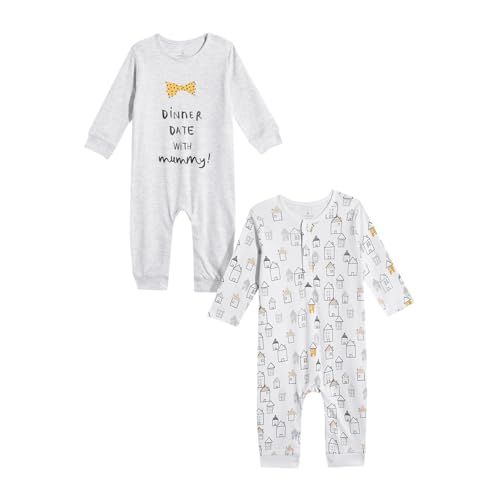
Mothercare Baby Cotton Essentials Romper
- ✓ 100% organic cotton
- ✓ Pre-shrunk fabric
- ✓ Newborn to 12 months
* We earn a small commission — at no extra cost to you.
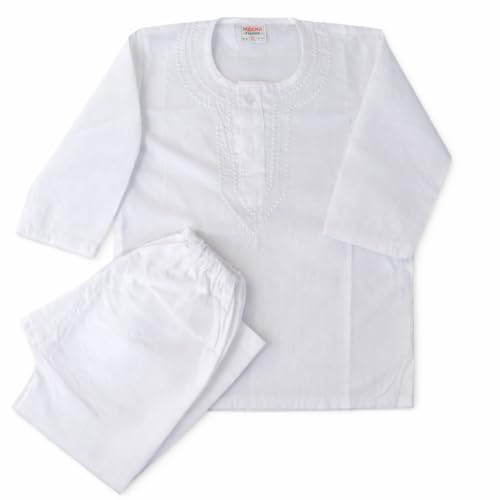
Bongels Soft Cotton Baby Kurta Pyjama Set
- ✓ Cotton-polyester blend (80/20)
- ✓ Gentle shrink-resist treatment
- ✓ 6-24 months
* We earn a small commission — at no extra cost to you.
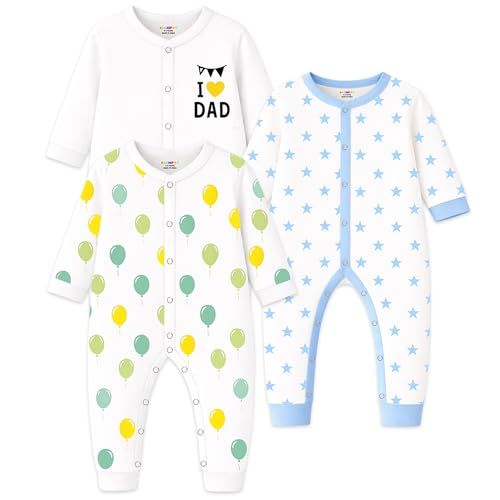
Chicco Baby Pure Cotton Bodysuit
- ✓ 100% cotton
- ✓ Machine washable at 30°C
- ✓ Newborn to 9 months
* We earn a small commission — at no extra cost to you.