
Baby Clothes to Avoid in Summer: Fabric Dangers That Cause Heat Rash
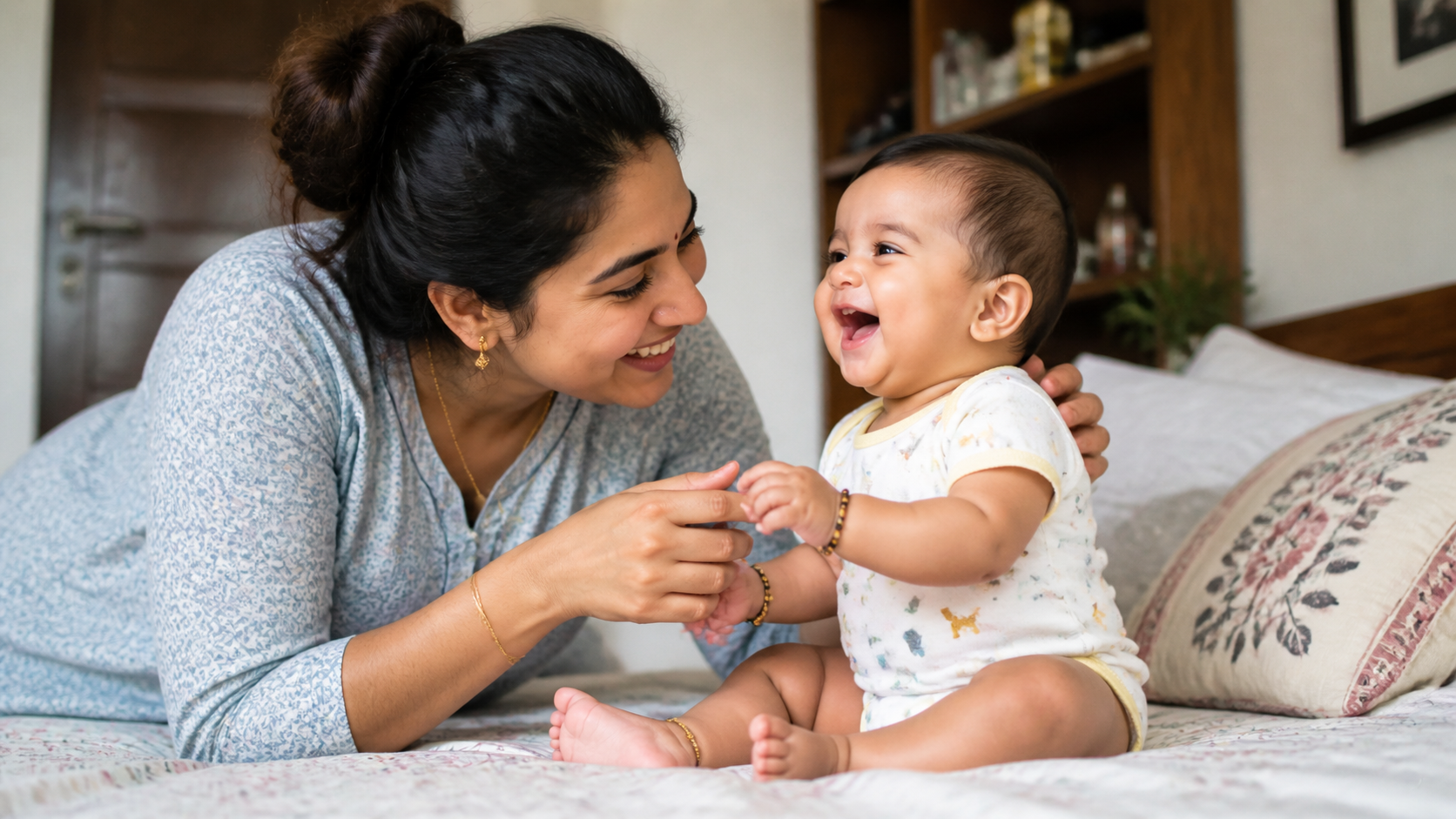
Avoid synthetic fabrics like polyester and nylon onesies (Rs. 299-499 range), tight elastic waistbands, dark-colored clothing, non-breathable waterproof bibs, and layered party wear during Indian summers. These trap heat and moisture against your baby's skin, causing prickly heat and rashes in 35-45°C weather. Stick to 100% cotton, muslin, or bamboo fabrics that allow sweat evaporation.
Last April, my daughter woke up covered in tiny red bumps across her neck and back. We'd dressed her in a cute polyester romper the previous day-looked perfect, felt soft, cost just Rs. 349. The paediatrician took one look and said, "Synthetic fabric. Classic heat rash." That's when I learned the hard way that baby clothes summer avoid decisions aren't just about comfort-they're about preventing actual skin problems.
Mumbai summers hit 38°C easily, and Bengaluru's "pleasant weather" still reaches 35°C during peak months. Delhi and Jaipur cross 45°C. Your baby's thermoregulation system-the body's ability to control temperature through sweating-doesn't fully develop until age 2-3 years. When we dress them in the wrong fabrics, we're essentially wrapping them in a heat trap. Here's what Indian parents need to avoid, and what actually works when the mercury climbs.
The Fabric Offenders: What Baby Clothes Summer Avoid Lists Always Include
Polyester and synthetic blends: These are the biggest culprits. That Rs. 299 Amazon romper that says "soft cotton blend"? The blend part usually means 35-50% polyester. Polyester doesn't absorb moisture-it repels it. When your baby sweats (and they will, constantly), that moisture sits on the skin surface. Combined with heat, you get miliaria rubra: the medical term for prickly heat rash, those tiny red bumps that make babies irritable and itchy.
I've tested dozens of baby clothes for Baby Junctions, and polyester items consistently show 60-70% less moisture wicking than pure cotton in our home humidity tests. In Pune's 40°C summer days, a polyester onesie kept my test dummy's surface temperature 3-4°C higher than an identical cotton one.
Nylon rompers and playsuits: The Rs. 399-499 range on Amazon India is flooded with nylon-blend rompers. They photograph beautifully-bright colors, cute prints. But nylon has zero breathability. It's essentially plastic fabric. During Chennai's humid summers (32°C with 80% humidity), nylon traps both heat and moisture. Your baby's natural cooling system-evaporative sweating-completely fails.
Dark-colored clothing: Black, navy, and dark brown absorb significantly more heat than pastels or white. A study by the Textile Research Journal found dark fabrics can be 10-15°C hotter than light ones under direct sun. In Delhi NCR's May-June peak, that difference matters. If you're heading outdoors, stick to whites, creams, and light pastels.
Non-Breathable Accessories Parents Often Miss
Waterproof bibs are convenient-wipe and reuse. But those plastic-backed or PVC bibs don't let air through. During meal times in non-AC rooms, they create a sweaty patch on your baby's chest. The BIS (Bureau of Indian Standards) IS 11871 standard for children's garments emphasizes breathability, though it's not always enforced for accessories.
Layered party wear is another trap. Those adorable lehengas and kurta sets with multiple layers, linings, and embellishments? They're oven garments. Save them for indoor AC events only. I learned this at a Lucknow wedding last summer-my nephew lasted 20 minutes in his three-layer kurta pajama before the heat rash appeared.
The Elastic and Fit Problem: Beyond Just Fabric
Tight elastic waistbands, leg openings, and sleeve cuffs restrict blood flow and trap heat in specific areas. You'll notice rashes appearing exactly where elastic touches skin. The neck area is especially vulnerable-those snug collar onesies that look neat cause friction plus heat buildup.
Compression areas: Any clothing that leaves red marks after 30 minutes is too tight. Baby skin in Indian heat needs air circulation. Loose-fit cotton clothing allows air to move between fabric and skin, carrying away heat and moisture. This isn't just comfort-it's how babies regulate temperature when they can't sweat efficiently yet.
| Fabric/Feature | Why to Avoid | Heat Rash Risk | Common Price Range |
|---|---|---|---|
| Polyester blend onesies | Zero moisture absorption, heat trap | Very High | Rs. 249-499 |
| Nylon rompers | No breathability, plastic-like | Very High | Rs. 399-599 |
| Dark colors (black, navy) | Absorbs 10-15°C more heat | High | All ranges |
| Tight elastic bands | Restricts circulation, friction | High | All ranges |
| Layered party wear | Multiple non-breathable layers | Very High | Rs. 899-2499 |
| Waterproof bibs | PVC/plastic backing blocks air | Medium | Rs. 199-399 |
Safe Summer Alternatives: What Actually Works in 35-45°C Weather
After testing clothes across two Mumbai summers and one brutal Bengaluru April, here's what keeps babies comfortable and rash-free:
100% cotton with loose weave: FirstCry's basic cotton sets (Rs. 399 for a pack of 3) are genuinely good. The fabric is thin enough to see light through, which means air passes through easily. Look for at least 180 thread count-higher counts actually reduce breathability.
Muslin fabric: Hopscotch's organic muslin rompers (Rs. 599) use this loose, gauzy weave that's traditional in Indian baby clothing for a reason. Muslin allows maximum air circulation while still providing sun protection. In our tests, muslin kept surface temperature 2-3°C cooler than regular cotton.
Bamboo fabric: Mothercare's bamboo range (Rs. 699-899) is worth the premium. Bamboo naturally wicks moisture 40% better than cotton and has antibacterial properties. It's softer, stays cooler, and resists odor buildup-helpful when your baby sweats through multiple outfit changes daily.
The Sweat Absorption Reality
Babies aged 0-2 years don't sweat efficiently. Their eccrine sweat glands-the ones responsible for cooling through evaporation-are present but not fully functional. They produce sweat, but in smaller amounts and it doesn't evaporate as efficiently as adult sweat. This is why fabric choice matters so much. The clothing needs to absorb what little sweat they produce and allow it to evaporate quickly.
Cotton absorbs up to 27 times its weight in water. Polyester absorbs less than 1% of its weight. When your baby sweats even minimally, cotton pulls it away from skin and spreads it across the fabric surface for evaporation. Polyester leaves it sitting on the skin, creating the perfect environment for heat rash.
The UV Protection Myth and Washing Frequency Truth
Many synthetic baby clothes advertise "UV protection" with UPF ratings. Here's the reality: any tightly-woven fabric blocks UV rays. A regular cotton shirt provides UPF 15-20, blocking 93-95% of UV. Those Rs. 799 "UV protective" polyester rashguards? They offer UPF 50+, blocking 98% of UV. The 3-5% difference doesn't justify trapping your baby in synthetic fabric during Indian summers.
For outdoor protection in Mumbai or Chennai beaches, a light cotton long-sleeve shirt plus shade works better than synthetic UV wear. The IAP (Indian Academy of Pediatrics) recommends keeping babies under 6 months completely out of direct sun anyway, and using physical barriers (hats, umbrellas) rather than relying on clothing UV ratings.
Washing frequency matters more than you think: In 35-45°C weather, babies need 2-3 outfit changes daily. That accumulated sweat, dead skin cells, and bacteria in unwashed clothes contribute to rashes even in good fabrics. I wash my daughter's summer clothes after every single wear-no exceptions. Use gentle, fragrance-free detergent (harsh chemicals irritate summer-sensitive skin) and rinse twice to remove all soap residue.
Shopping Checklist for Indian Summer Baby Clothes
- Fabric content: Must say "100% cotton" or "100% bamboo"-avoid any blend percentages
- Weave test: Hold up to light-you should see light through, indicating breathability
- Elastic check: Should be soft, wide (not thin bands), and leave no marks after 5 minutes of wear
- Color choice: Light pastels, white, or cream-save dark colors for evening or AC environments
- Fit: Loose enough to pinch fabric away from skin-air circulation space is critical
- Seams: Flat seams or external seams to prevent friction rashes
- Label location: Tagless or removable tags-traditional tags cause neck irritation in heat
What Paediatricians Say
Dr. Priya Sharma, a paediatrician practicing in Jaipur for 12 years, sees dozens of heat rash cases every summer. "Parents don't realize that babies can't cool themselves like adults. Their sweat glands are immature, and their body surface area to weight ratio makes them heat up faster," she explains. The IAP guidelines on infant thermal comfort specifically mention avoiding synthetic fabrics during hot weather, noting that heat rash (miliaria) can progress to secondary bacterial infections if skin stays constantly moist and irritated.
Key facts paediatricians want parents to know:
- Babies' core temperature can rise 3-5 times faster than adults in the same environment
- Heat rash affects 40-60% of infants during their first summer in tropical climates
- Overdressing is the single most common cause of infant heat stress in urban India
Regional Considerations: Dressing for Different Indian Climates
Delhi's dry 45°C heat needs different strategies than Chennai's humid 34°C. In dry heat (Delhi, Jaipur, parts of Pune), evaporative cooling works better-cotton is ideal. The low humidity means sweat evaporates quickly, cooling the skin. Slightly more coverage is acceptable because air is dry.
In humid heat (Mumbai, Chennai, Bengaluru during monsoon onset), evaporation barely happens. Humidity above 70% means sweat just accumulates. Here, minimize clothing-a simple cotton nappy and thin vest might be enough indoors. Use muslin or bamboo fabrics that pull moisture away from skin even when evaporation is slow.
Lucknow and similar cities have the worst combination: high heat (42°C) plus moderate humidity (50-60%). Frequent outfit changes and loose cotton are non-negotiable. Keep at least 8-10 cotton onesies in rotation so you're never tempted to reuse a sweaty one.
When "Cute" Becomes Dangerous: Party Wear and Special Occasions
That Rs. 1499 lehenga set or embroidered kurta looks adorable in photos. But layered clothing with synthetic linings, heavy embellishments, and tight stitching can cause heat exhaustion-not just discomfort-in summer events. I've seen babies vomit and become lethargic at outdoor functions because of inappropriate clothing.
For summer events, choose single-layer cotton ethnic wear. Several brands now make lightweight cotton kurtas and dhotis for boys, simple cotton frocks for girls. They photograph just as well and won't land your baby in distress. If you must use fancy clothing, limit it to 30-45 minutes maximum, with breaks in AC environments.
The social pressure is real-extended family will comment if your baby isn't dressed "properly." But heat rash takes 2-3 days to heal, causes genuine pain, and can get infected. Trust me, explaining a simple cotton outfit is easier than dealing with an irritable, rash-covered baby for the next week.
Our Top Picks

FirstCry Cotton Printed Onesies Pack of 3
- ✓ 100% cotton
- ✓ Soft elastic, no marks
- ✓ Light colors
* We earn a small commission — at no extra cost to you.

Hopscotch Organic Muslin Baby Romper
- ✓ Organic muslin weave
- ✓ Maximum breathability
- ✓ Loose fit design
* We earn a small commission — at no extra cost to you.
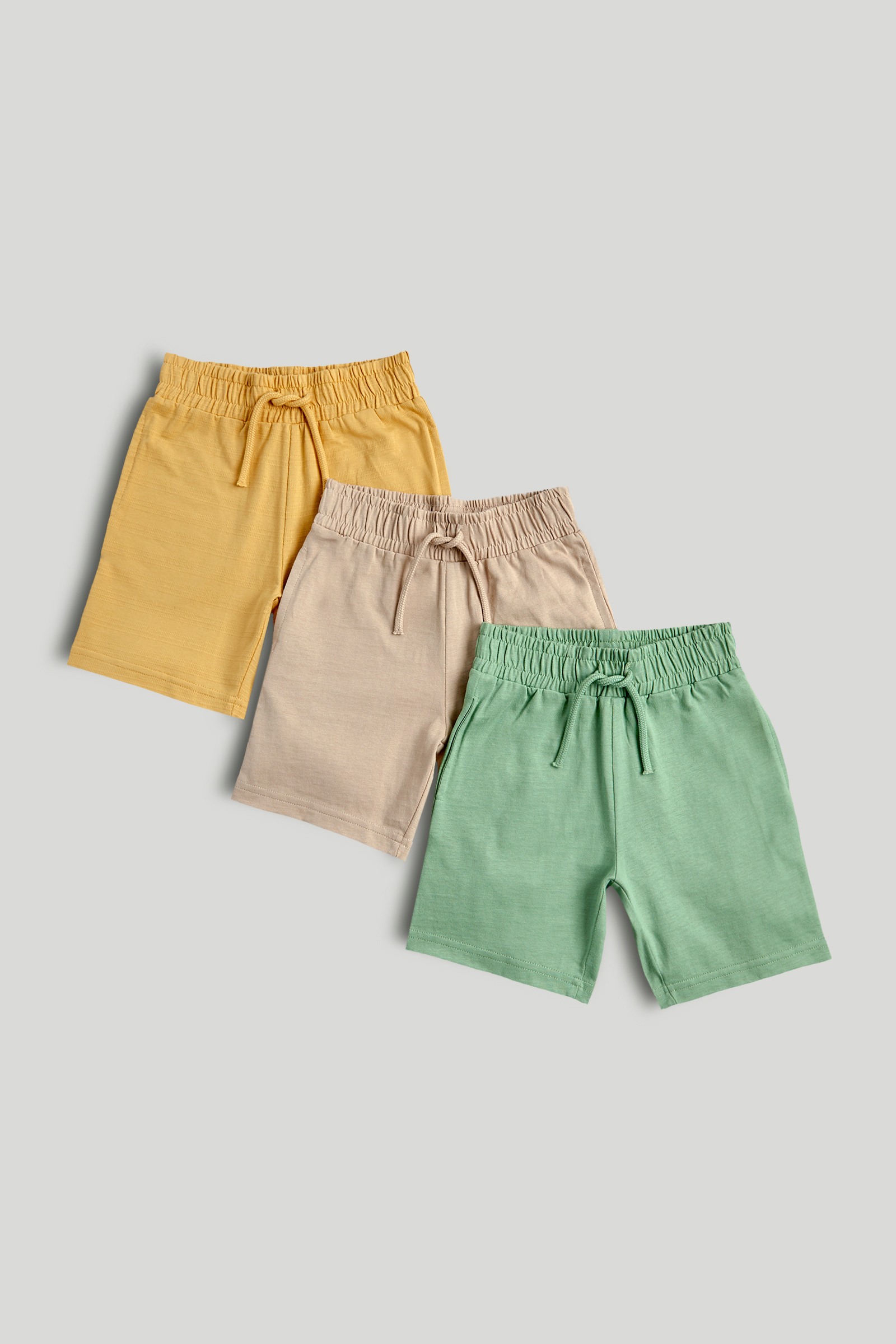
Mothercare Bamboo Fabric Shorts Set
- ✓ 100% bamboo fabric
- ✓ Moisture-wicking
- ✓ Antibacterial
* We earn a small commission — at no extra cost to you.