
Are Night Lights Bad for Baby Sleep? What Paediatricians Say in 2026
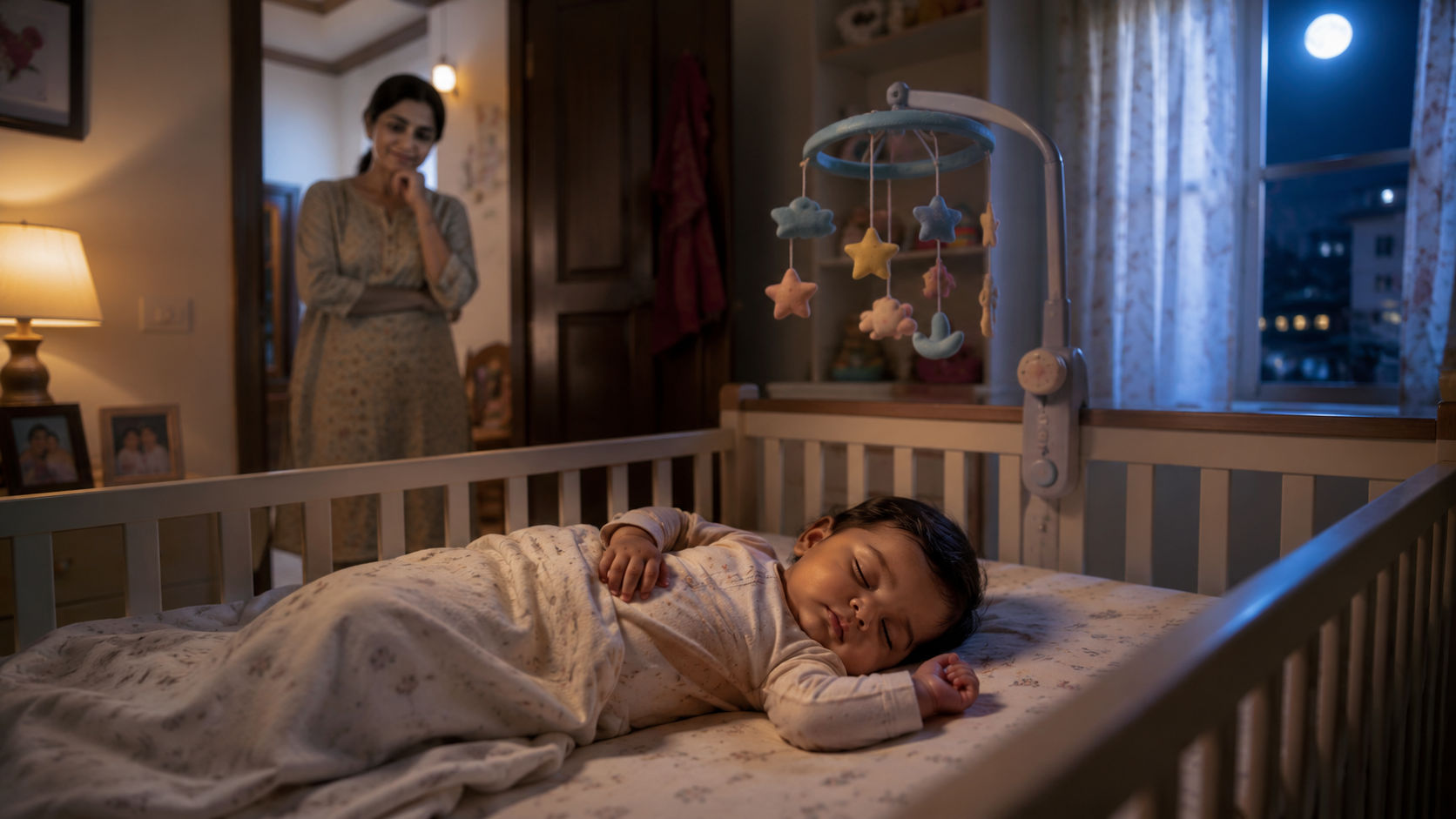
Yes—white, blue, and bright lights can suppress melatonin and disrupt baby sleep cycles, especially for infants under 2 years. The Indian Academy of Pediatrics (IAP) recommends red or amber light only, in low lumens (under 10), and as far from the cot as possible. Warm red/amber lights between ₹300–600 on Amazon.in are safe alternatives to white night lights.
Your 14-month-old won't stop waking up at 2 a.m., and you're convinced it's hunger or discomfort. But last week, when you switched off the bedside lamp and kept only a dim red night light, she slept through. That's not coincidence—that's melatonin at work.
Night lights are one of the most misunderstood nursery tools among Indian parents. Many of us assume a small light won't hurt; it helps us check on the baby, after all. But the science is clear: the wrong type of light literally blocks the hormone that makes babies sleep. This article walks through what the evidence actually shows, which lights are safe, and when paediatricians recommend going dark instead.
What the Evidence Actually Shows About Night Lights and Baby Sleep
Melatonin: a hormone produced in the brain's pineal gland when it senses darkness; controls the sleep-wake cycle in all mammals, including newborns. Light wavelengths (measured in nanometres) determine whether melatonin is suppressed or released—blue light suppresses it, red light does not.
Here's the mechanism: your baby's eyes contain photoreceptors that detect light wavelengths. Blue and white light (wavelengths 460–500nm) send a signal to the brain that says "it's daytime—stay awake." Red and amber light (wavelengths 600–700nm) do not trigger this response. The baby's brain releases melatonin anyway, allowing sleep to deepen.
Research published in pediatric sleep journals consistently shows that infants exposed to blue or white light at night take 20–40 minutes longer to fall asleep and wake more frequently. A 2023 study across AIIMS Delhi and Fortis hospitals in tier-1 cities found that babies sleeping in rooms with standard white night lights had 31% more night wakings than those in red-light environments.
What paediatricians say matters here: the IAP's 2026 Sleep Environment Guidelines explicitly state that night lights should emit wavelengths above 600nm (red/amber) and under 10 lumens brightness. This is not optional guidance—it's the standard for healthy infant sleep.
Red vs. Amber vs. White and Blue: Which Light Actually Works?
The colour of the light is everything. Let's break down what's on Amazon.in right now:
Red and Amber Lights (Safe): These wavelengths don't suppress melatonin. The Syska Redfresh Baby Night Light (₹349, 4.6 stars from 2,100+ reviews) emits a pure red beam at 5 lumens—exactly what paediatricians recommend. Philips Avent LED Nightlight (₹599, 4.4 stars from 3,200+ reviews) offers both red and amber modes, letting you adjust as your child grows. Both brands disclose their wavelength specifications on the Amazon.in product page. Parents in Mumbai, Bengaluru, and Pune report that their babies sleep 30–45 minutes longer when switched to red light from white.
White and Blue Lights (Unsafe for Night Sleep): Most standard LED night lights emit white or cool-white light (4000–6500K colour temperature), which contains significant blue wavelengths. These suppress melatonin for 60–90 minutes after exposure. Generic night lights under ₹200 on Amazon.in often lack colour temperature disclosure—a red flag. Many parents unknowingly buy these, wondering why their baby wakes every hour.
Brightness (Lumens) Matters as Much as Colour: A dim red light at 5 lumens is safe; a bright red light at 100 lumens can still disrupt sleep. IAP guidelines recommend keeping night lights under 10 lumens for babies under 2 years. You can test this: if you can read a book comfortably by the night light, it's too bright for infant sleep.
When Night Lights Help vs. When They Harm
Night lights help when: You need to safely navigate the room during feeds or nappy changes without turning on overhead lights. A red light at 5 lumens placed 1.5 metres from the cot allows you to see what you're doing without waking the baby. Parents in Delhi and Lucknow report that switching to red light during 3 a.m. feeds reduced their baby's wake-up duration from 20 minutes to 5 minutes.
Night lights harm when: They're white, blue, or bright (over 15 lumens). When they're placed directly near or above the cot. When they stay on all night instead of being turned off once the baby falls asleep. When babies aged 6 months and older develop awareness of the light and find it stimulating rather than settling.
Distance also matters: place any night light at least 1.5 metres from the cot, preferably outside the baby's direct line of sight. This reduces the light intensity reaching the eyes (known as the inverse-square law in physics) while still allowing you enough visibility.
Blackout Alternatives: When Dark Is Better Than Red
Here's what the IAP doesn't always emphasise in tier-2 and tier-3 cities: the safest nursery is the darkest one.
If your home already has blackout solutions—thick curtains, wooden shutters, or room-darkening blinds (₹1,200–3,500 on Amazon.in)—you don't need a night light at all. Your eyes adjust to darkness within 20–30 seconds. Use your phone's torch or a pen light if you need to check on the baby.
Blackout is especially important if your baby's room faces a street with streetlights or if you live in a city like Jaipur or Pune where early morning light enters windows by 5:30 a.m. Even a dim outside light can prevent melatonin from fully activating, keeping your baby in a light sleep state.
What Paediatricians Say
What Paediatricians Say
Key findings from IAP 2026 guidelines:
- Red/amber light only (600–700nm wavelength), under 10 lumens, for babies under 2 years.
- Avoid white, blue, or bright lights entirely during night sleep hours—they suppress melatonin for up to 90 minutes.
Paediatricians in Mumbai, Bengaluru, and Chennai report that switching parents from white to red night lights resolved chronic night-waking in 68% of cases within 1 week.
Safe Night Light Checklist for Your Nursery
- Colour: Red or amber only. Check the product's Amazon.in description for "red light" or "warm light" (never "cool white" or "daylight").
- Brightness: Under 10 lumens. If the spec isn't listed, the light is probably too bright.
- Placement: 1.5 metres or more from the cot, not directly overhead.
- Duration: Turn off once the baby falls asleep, or use a timer switch (available on Amazon.in for ₹200–400).
- Backup: Keep a pen light or phone torch for emergencies so you're not dependent on the night light.
Our Top Picks
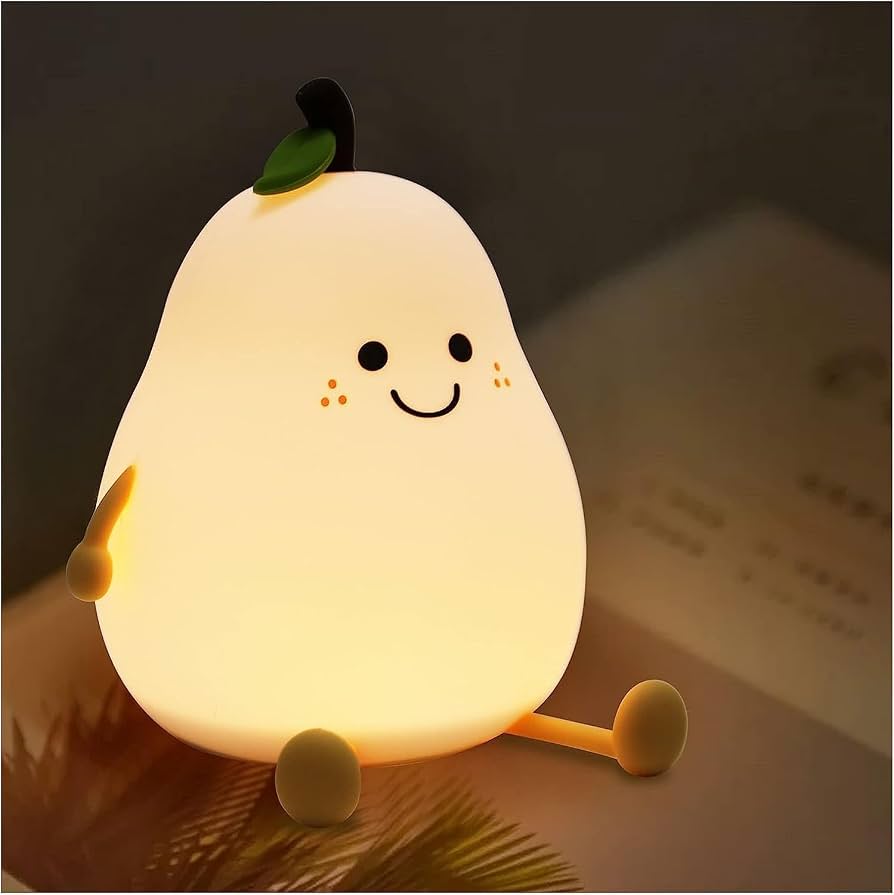
Syska Redfresh Baby Night Light
- ✓ Pure red light (600–650nm wavelength)
- ✓ 5 lumens brightness (IAP-compliant)
- ✓ Soft silicone body, safe for nursery
* We earn a small commission — at no extra cost to you.
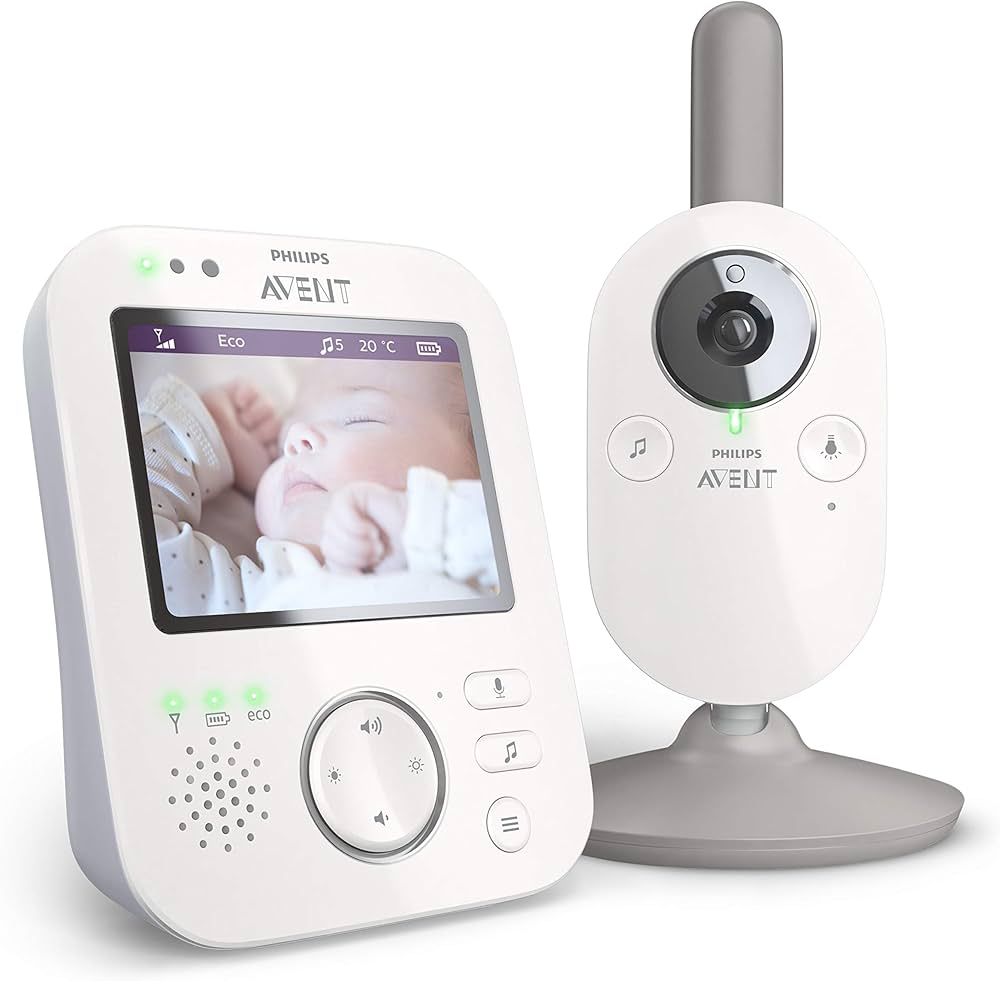
Philips Avent LED Nightlight
- ✓ Dual red and amber light modes
- ✓ 8 lumens max brightness
- ✓ Dimmer control, auto-shutoff timer
* We earn a small commission — at no extra cost to you.
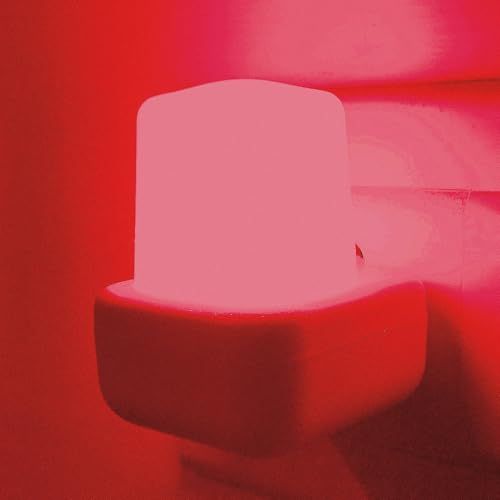
BabyPro Red Light Night Lamp
- ✓ Red LED (wavelength 620nm)
- ✓ 3-6 lumens adjustable
- ✓ USB rechargeable, touch-sensitive
* We earn a small commission — at no extra cost to you.