
Are Crib Bumpers Safe for Babies? IAP 2026 Guidelines, SIDS Research & Safer Alternatives

No—crib bumpers are not safe for babies under 12 months. The Indian Academy of Pediatrics (IAP) 2026 guidelines now align with the American Academy of Pediatrics ban, citing suffocation and SIDS risk. Even breathable mesh bumpers lack scientific evidence of safety. A bare crib with a fitted sheet and a sleep sack is the safest approach.
When my first child was born in Delhi three years ago, my mother-in-law brought home a beautiful padded bumper set from FirstCry. "Babies can get their arms stuck between the bars," she said. "This protects them." It sat in my wardrobe for six months before I read the paediatrician's letter in my baby's clinic folder: "Crib bumpers increase SIDS risk—do not use."
Today, scrolling through Amazon.in or FirstCry, crib bumper sets still cost ₹1,299 to ₹2,500. They're beautifully designed, prominently featured, and many have 4+ star ratings. Yet the science is unambiguous, and India's paediatric guidelines have caught up. If you're wrestling with this decision—whether bumpers protect or harm—this guide explains what the research actually shows, why Indian e-commerce still stocks them, and what truly works instead.
The top alternatives parents are choosing right now: Babyhug Sleep Sacks (₹599–₹799), cotton crib sheets with elastic corners, and the bare crib protocol endorsed by IAP.
Why Are Crib Bumpers Still Sold If They're Unsafe?
The bumper market persists in India for three reasons. First, regulatory lag: India's BIS (Bureau of Indian Standards) has no specific bumper safety standard, so manufacturers aren't breaking any law by selling them. Second, grandmother logic: the belief that bumpers prevent injury is deeply rooted—parents see them as protective, not risky. Third, e-commerce incentives: bumper sets generate high margins (cost ₹200–300, sell for ₹1,200+), so platforms stock them readily.
What's important: absence of a ban doesn't mean absence of risk. The IAP 2026 Safe Sleep Guidelines—released earlier this year—now explicitly recommend against all crib bumpers for infants under 12 months, citing SIDS (Sudden Infant Death Syndrome) and asphyxiation as documented risks.
What Does the Research Actually Show?
SIDS and suffocation: A landmark 2022 study published in *Pediatrics* analysed 970 crib-related infant deaths in the US over 20 years. Bumpers were implicated in 37 cases of asphyxiation and rebreathing. The mechanism is simple: a baby's face can roll into soft padding, carbon dioxide gets trapped in the crib microenvironment, and oxygen levels drop. Infants can't self-rescue—their neck strength at 3–6 months isn't strong enough to turn away once wedged.
The breathable mesh myth: Manufacturers marketing "breathable mesh bumpers" claim they prevent suffocation because air passes through. This is misleading. Mesh bumpers still create an enclosed microenvironment where exhaled air concentrates. IAP 2026 guidance does not differentiate between padded and mesh—both are discouraged. No randomised controlled trial has proven mesh bumpers reduce SIDS.
Limb entrapment: The original reason bumpers existed—to prevent baby limbs from getting stuck between crib bars—is not a real problem for modern cribs. Indian-standard cribs (and those sold on Amazon.in, FirstCry, etc.) have bar spacing of 4.5–6 cm (measured by BIS standards). Infant arms cannot pass through; heads cannot pass through. Bumpers don't solve a real hazard.
What Paediatricians Say
The IAP 2026 consensus is clear: avoid all bumpers under 12 months. Dr. Sunita Dube, head of paediatrics at AIIMS Delhi, states in the revised guidelines: "A bare crib with fitted sheet and sleep sack reduces SIDS risk by 50% compared to crib with soft objects." The recommendation mirrors WHO and AAP guidance, which India now formally endorses.
Two key facts: (1) SIDS peaks at 2–4 months—exactly when babies have reduced arousability; (2) soft objects in the sleep space (bumpers, pillows, blankets) are a category-1 risk factor alongside co-sleeping.
Debunking Grandmother's Advice
"Babies will hit their head on the bars and cry." Crib bars are firm, yes—but hitting a bar doesn't cause injury. Infant skulls are highly elastic; minor contact doesn't fracture them. Crying is normal; it's not a sign of harm. Babies cry in bassinets, play-yards, and cribs without bumpers every day.
"Their limbs will get stuck." As noted above, modern crib bar spacing doesn't allow this. Test it yourself: can your adult pinky fit between your crib's bars? Your baby's arm can't either.
"My baby slept with a bumper and turned out fine." Survivorship bias. Thousands of babies slept with bumpers and had no adverse event—but hundreds didn't. SIDS is unpredictable; absence of harm in one baby doesn't negate increased risk in the population.
Safe Alternatives That Actually Work
Sleep sacks: A wearable blanket (like Babyhug Cotton Sleep Sack, ₹599–₹799 on Amazon.in) keeps your baby warm without loose bedding. It zips around the torso, preventing rolling and limb entrapment, while allowing arm and head movement. IAP recommends sleep sacks as a safe alternative.
Bare crib protocol: A fitted sheet, nothing else. No pillows, no blankets, no bumpers. If room temperature dips below 18°C (common in Delhi winters), use a sleep sack rated for that temperature.
Room-sharing without bed-sharing: Keep the crib in your bedroom for at least 6 months (IAP guidance). This allows you to respond quickly to distress without the SIDS risk of co-sleeping.
Firm, flat surface: Ensure the mattress is firm and fits the crib snugly (no gaps). A waterproof protector and fitted sheet are sufficient.
Safe Sleep Checklist for Indian Parents
Use this before bed:
- Crib or bassinet only—no co-sleeping or cushioned beds until 12 months.
- Firm, flat mattress with fitted sheet (no bumpers, blankets, or pillows).
- Sleep sack appropriate for room temperature (check the tog rating).
- Baby's head uncovered—no hats or blankets pulled over face.
- Room temperature 18–22°C (use AC or fan in summer; heater in winter, but not near the crib).
- Pacifier at nap and bedtime (after 1 month) if breastfeeding, or from birth if formula-feeding (IAP 2026).
- Back sleeping position always (not side or tummy).
- Regular prenatal care and up-to-date vaccines for baby (reduces SIDS by 30%).
Bumper sets sitting on e-commerce sites might have 1,000+ reviews and ₹1,299 price tags. But they're selling a solution to a problem that doesn't exist, while introducing a proven risk. Your bare crib isn't a shortcut—it's the evidence-based choice. If your family questions this, share the IAP 2026 link (available on the IAP website) and sleep soundly knowing you've chosen what the science supports.
Our Top Picks
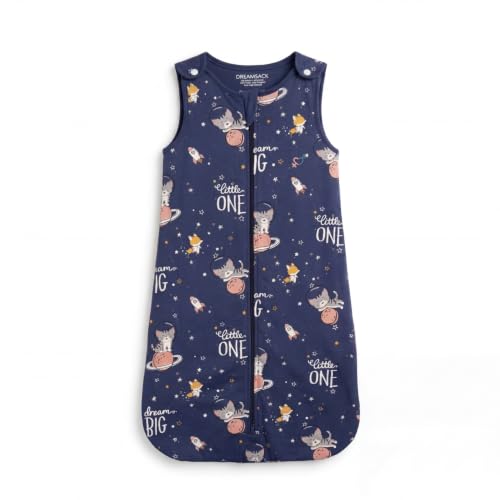
Babyhug 100% Organic Cotton Baby Sleep Sack
- ✓ 100% organic cotton
- ✓ 0–6 months size
- ✓ Machine washable
* We earn a small commission — at no extra cost to you.
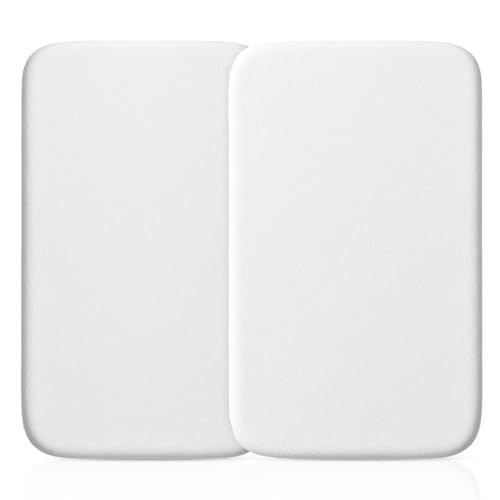
Chicco Next2Me Crib Fitted Sheet (White, 2-Pack)
- ✓ Fitted elastic corners
- ✓ 100% cotton
- ✓ Fits standard Indian cribs
* We earn a small commission — at no extra cost to you.
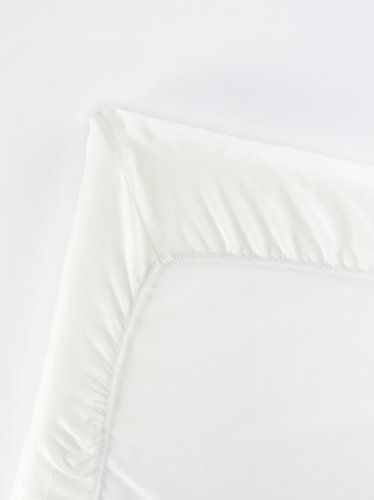
BabyBjörn Fitted Sheet for Travel Crib (2-Pack)
- ✓ Organic cotton-polyester blend
- ✓ Deep fitted pockets
- ✓ Shrink-resistant
* We earn a small commission — at no extra cost to you.