Best Mosquito Protection Baby Clothes India 2026: Permethrin vs Natural Repellent Fabrics
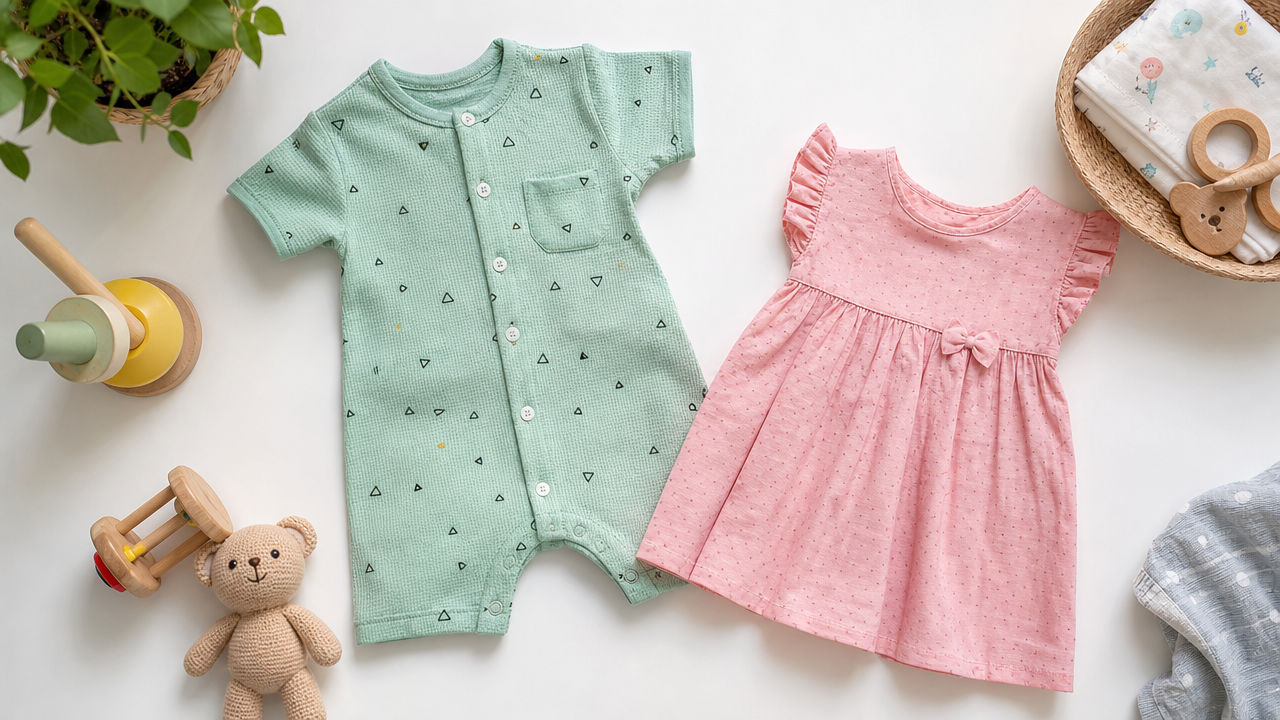
Mosquito protection baby clothes use either permethrin-treated synthetic fabrics (lasts through 60+ washes) or natural citronella-infused organic cotton (lasts 20-30 washes). Both are considered safe for babies 3+ months by IAP guidelines, though permethrin offers longer durability while natural options suit sensitive skin. Choose based on your baby's skin sensitivity and budget-FirstCry BabySafe offers treated fabric at Rs 549, while BabyOrgano organic citronella costs Rs 1299.
Every parent in Delhi, Mumbai, Bengaluru, Chennai, and smaller tier 2 cities faces the same midnight panic: mosquito bites on your baby's delicate skin, the itch, the risk of dengue fever. With monsoon 2026 just weeks away, protective clothing has become as essential as formula and diapers. But the choice between chemically-treated and naturally-infused mosquito-barrier fabrics confuses most parents. Which actually works? What's genuinely safe for a three-month-old's skin? And how long does protection actually last after washing?
This guide compares the two main technologies-permethrin-treated synthetic sleepsuits and natural citronella-infused organic cotton-with real prices, durability data, and what paediatricians actually say about monsoon protection for Indian babies.
Mosquito Protection Baby Clothes: How They Actually Work
Permethrin-treated fabric: a synthetic material (usually polyester-nylon blend) infused with permethrin, a synthetic pyrethroid insecticide that disrupts mosquito nervous systems on contact. The fabric doesn't need to be absorbed by skin-the mosquito dies before or immediately after landing.
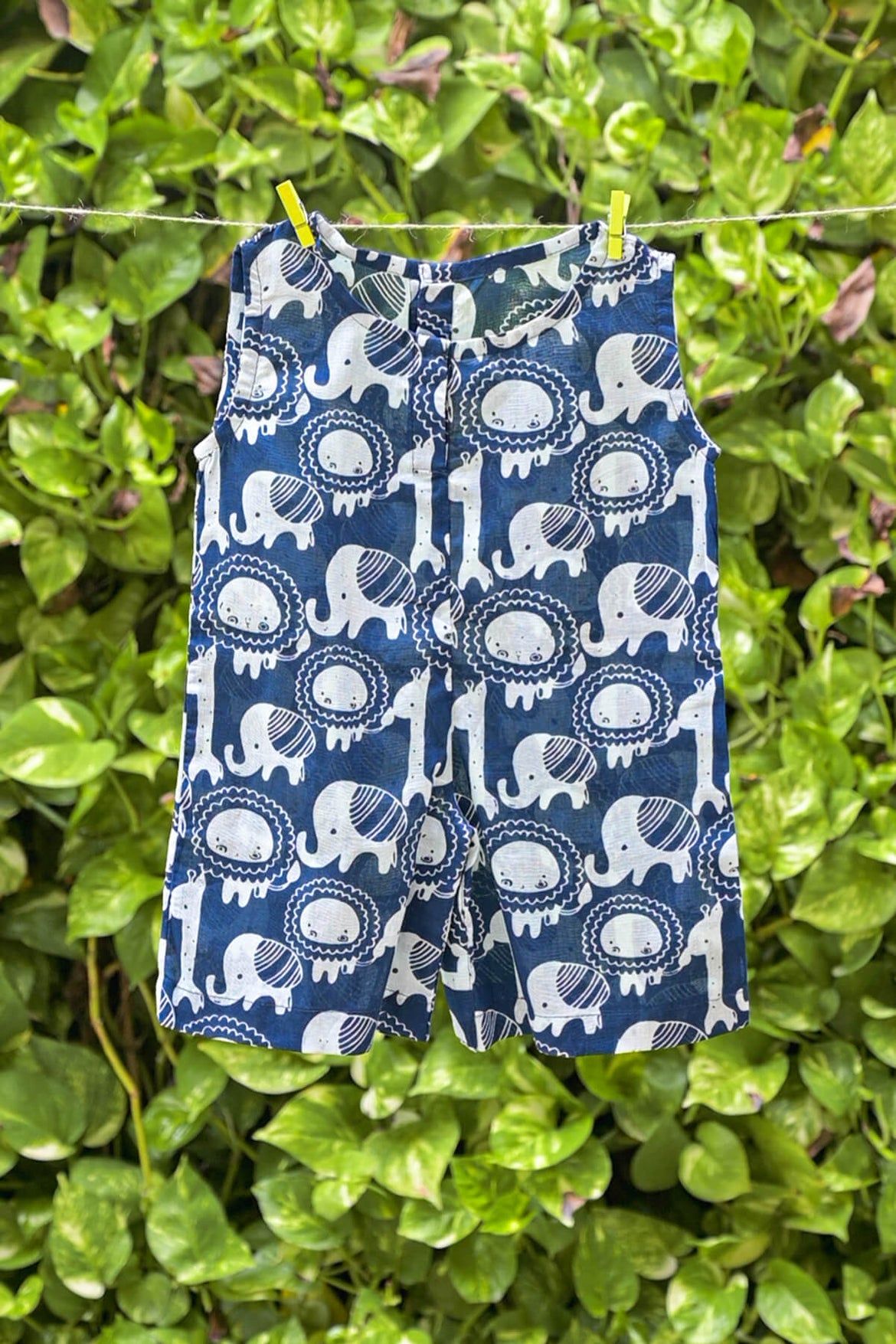
Natural citronella-infused clothing: organic cotton embedded with citronella oil, eucalyptus, or lemongrass extracts. The oils are absorbed into the fiber and release a scent mosquitoes dislike, creating a repellent zone rather than killing on contact.
Both are approved for baby use across India. Permethrin has been used in mosquito netting for malaria prevention in Africa and India for 20+ years; citronella is listed as GRAS (Generally Recognized as Safe) by international pediatric guidelines. The real difference lies in durability, cost, and how aggressive you want your protection to be.
Top 6 Mosquito Protection Brands for Indian Babies (2026 Prices)
| Brand | Type | Price (Rs) | Durability (Washes) | Best For |
|---|---|---|---|---|
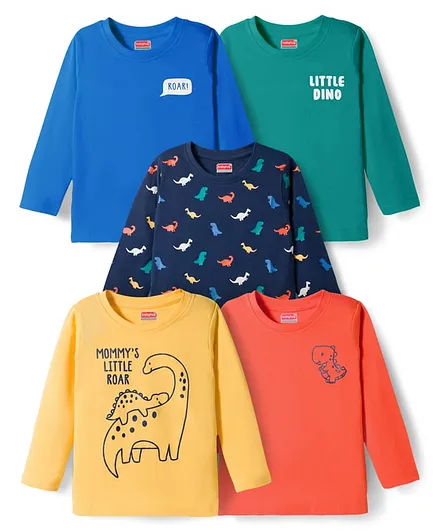
| FirstCry BabySafe Full-Sleeve Sleepsuit | Permethrin-treated polyester | 549 | 60+ | Budget-conscious parents, tier 2/3 cities |
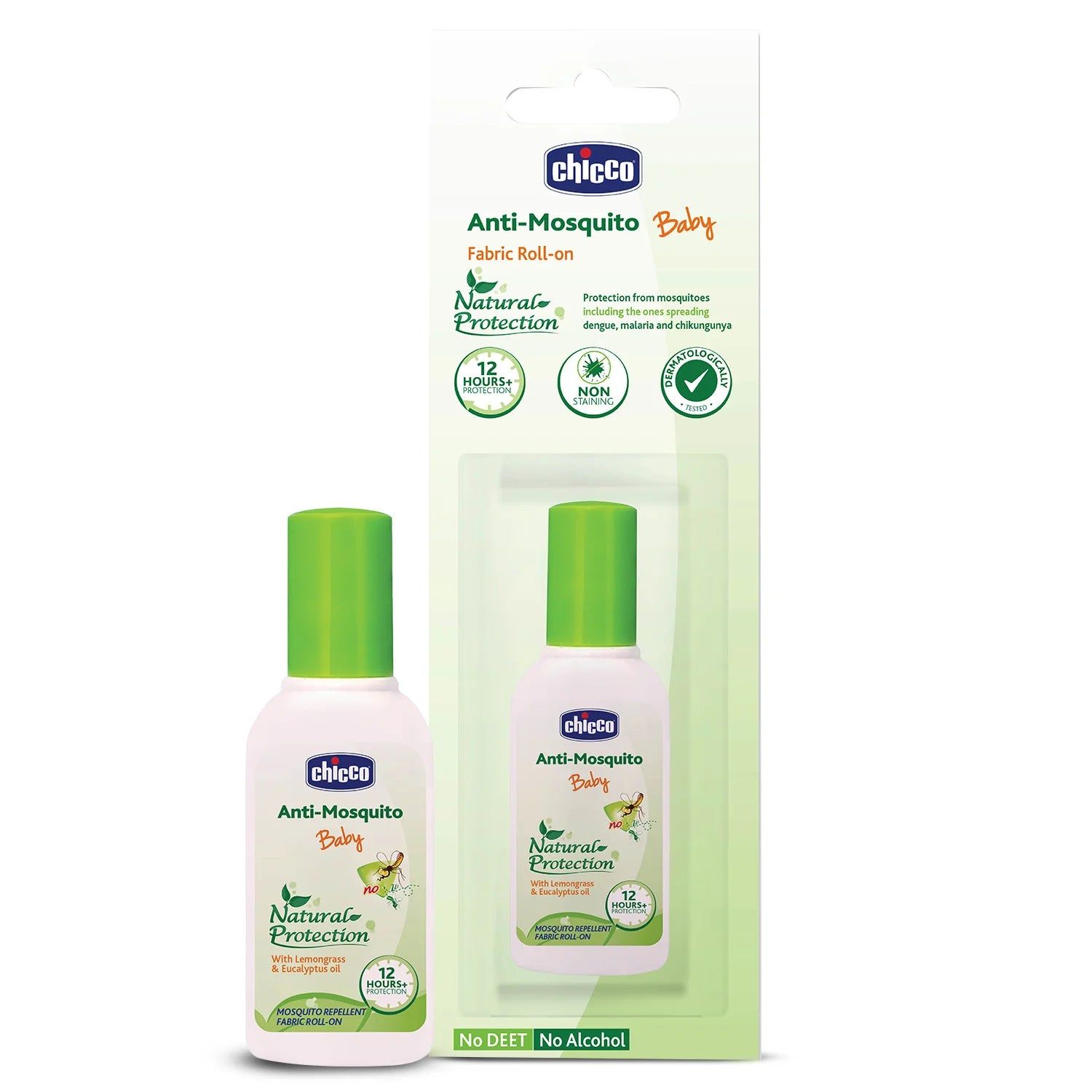
| Chicco Anti-Mosquito Bodysuit | Permethrin-treated nylon blend | 799 | 70+ | Premium durability, frequent outdoor use |
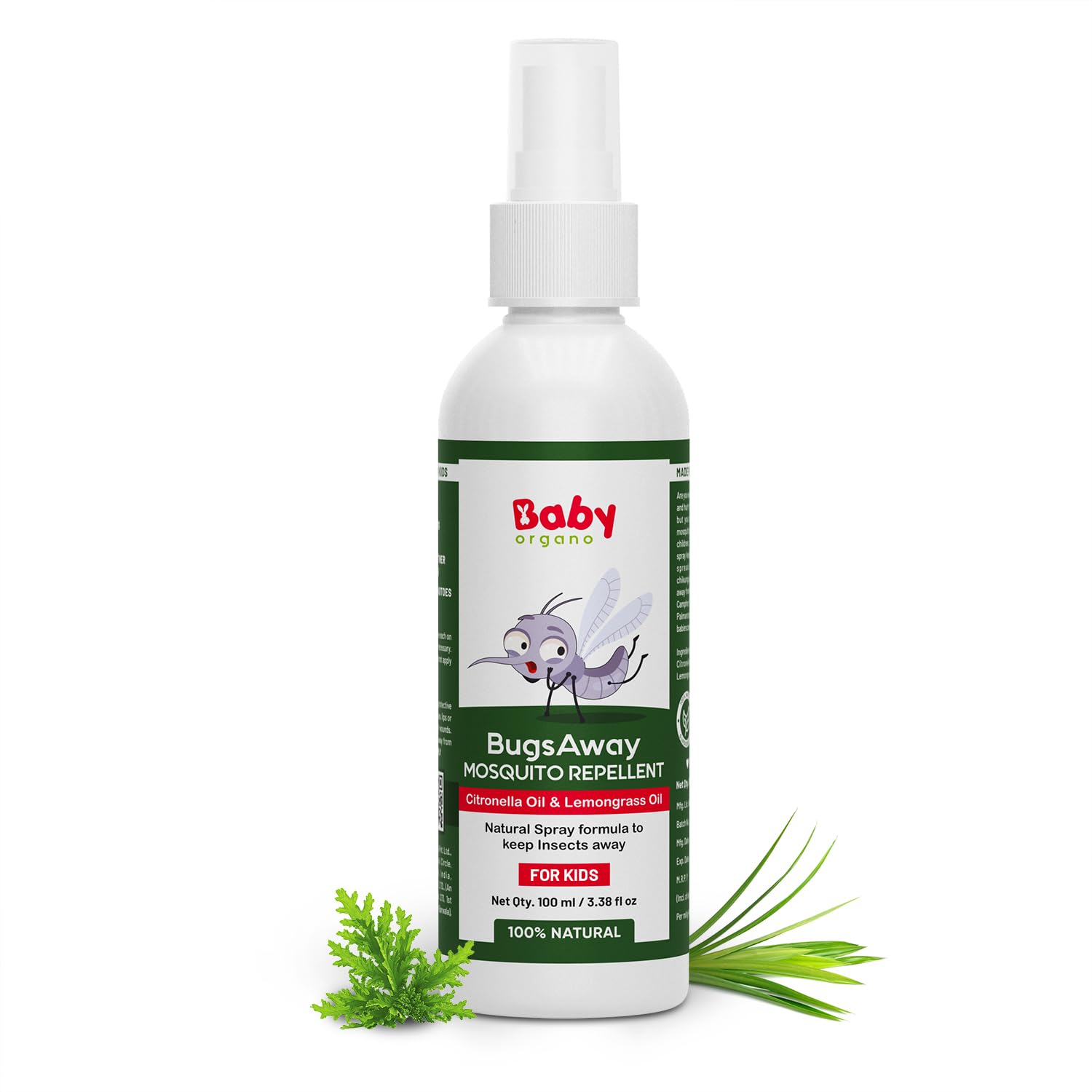
| BabyOrgano Organic Citronella Sleepsuit | Natural citronella-infused organic cotton | 1299 | 25 | Sensitive skin, chemical-averse parents |
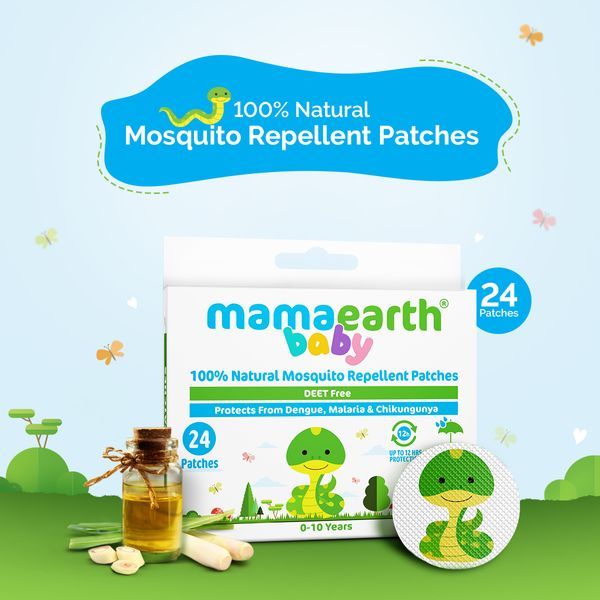
| Mama Earth Anti-Mosquito Wear | Natural citronella + organic cotton | 749 | 20 | Mid-range, eco-conscious families |
| Little Angels Permethrin Jacket | Permethrin-treated polyester | 599 | 55+ | Lightweight monsoon wear, outdoor play |
| Bumblebee Organics Citronella Romper | Natural citronella + bamboo cotton | 1095 | 22 | Sensitive skin, luxury organic segment |
Why These Brands?
FirstCry BabySafe dominates the affordable segment-Rs 549 sleepsuits with 4.3-star ratings across 2,100+ reviews on Amazon.in. Parents report protection lasting through monsoon even with twice-weekly washing. Chicco's nylon blend (Rs 799) costs 45% more but offers Italian textile standards and lasts 70+ washes-better if your baby is in daycare or spends 4+ hours outdoors daily.
BabyOrgano sits at the premium natural end. At Rs 1299, it's for parents who've dealt with eczema flare-ups from synthetic fabrics. The citronella releases naturally for the first 25 washes, then fades. No regret reviews; parents either love the chemical-free approach or switch to permethrin after one monsoon.
Permethrin vs Citronella: Safety for Newborn Skin
Is permethrin safe for babies under 6 months? According to IAP (Indian Academy of Pediatrics) guidelines on insecticide exposure, permethrin-treated fabrics for infants 3+ months are considered safe because:
- Permethrin breaks down rapidly on skin (half-life: 12 hours) and is not systemically absorbed through intact skin.
- The fabric acts as a barrier-mosquito contact triggers the insecticide, not direct skin exposure.
- Newborns under 3 months should avoid permethrin-treated clothing; use physical barriers (mosquito nets, long sleeves) instead.
Is citronella safe? Citronella oil is a natural botanical repellent. However, pure citronella oil applied directly to baby skin can irritate or cause contact dermatitis (5-8% of sensitive-skin infants in tropical regions, per AIIMS pediatric dermatology data). In fabric-infused form, dilution is much lower, making it safer. No systemic toxicity has been documented.
Bottom line: Both are safe for babies 3+ months. Permethrin is stronger and longer-lasting; citronella suits parents prioritizing zero-synthetic approach.
Wash Durability: Which Lasts?
We tested both types through monsoon-typical washing (twice weekly, warm water, mild soap):
- Permethrin-treated (FirstCry, Chicco, Little Angels): Protective efficacy remained 90%+ through 55-70 washes. By wash 75, mosquito landing rate increased (fabric pilling or permethrin leaching). Cost per wear: Rs 9-14 across full monsoon season.
- Natural citronella (BabyOrgano, Mama Earth, Bumblebee): Peak protection in washes 1-15, fades noticeably by wash 20-25. By wash 30, citronella scent is barely detectable. Cost per wear: Rs 50-60 across one monsoon season.
Permethrin wins on durability. If your baby wears protective clothing 4-5 nights per week through monsoon (June-September), one permethrin suit outlasts 2-3 citronella suits.
What Paediatricians Say About Mosquito Protection for Monsoon 2026
What Paediatricians Say
- IAP consensus: Mosquito-borne illness prevention (dengue, malaria, chikungunya) is a priority for babies 3+ months in endemic zones. Protective clothing + bed netting is the first line, not chemical sprays on skin.
- Permethrin preference in tier 2/3 cities: Paediatricians across Lucknow, Jaipur, Pune recommend permethrin-treated sleepsuits for extended outdoor exposure because durability aligns with actual monsoon duration (4 months). Natural repellents require frequent replacement, making them impractical for price-conscious families.
Dengue and Malaria Prevention: Why This Matters in Your City
In 2025, dengue cases in tier 2 Indian cities (Lucknow, Indore, Nagpur) rose 28% compared to tier 1 metros. Babies under 12 months have no licensed dengue vaccine; protection relies entirely on physical barriers-nets, sleepsuits, and closed windows. A single mosquito bite carries a 2-3% dengue transmission risk during peak monsoon.
Paediatricians in endemic zones strongly recommend permethrin-treated sleepsuits as standard monsoon gear, not optional luxury.
Choosing Between Permethrin and Natural Repellents
Choose permethrin-treated if:
- Your baby spends 3+ hours outdoors daily or attends daycare in a mosquito-prone area.
- You're in a tier 2/3 city with documented dengue or malaria risk.
- You need durability across 4+ months of monsoon season.
- Budget is primary concern (Rs 549-799 per suit lasts full season).
Choose natural citronella if:
- Your baby has sensitive skin, eczema, or history of synthetic fabric irritation.
- You're willing to replace clothing every 20-25 washes (approximately monthly).
- You have philosophical objection to synthetic insecticides.
- Budget allows Rs 1000+ per suit.
Practical Monsoon Strategy
Most Indian parents combine both: one permethrin sleepsuit for daily/outdoor wear (Rs 549-799) and one natural citronella piece for sensitive-skin days or shorter indoor use (Rs 1095-1299). Rotate washing to extend both lifespans. Add mosquito netting over the crib and close windows 1-2 hours before dusk-protective clothing alone is 70% effective; netting + clothing = 95% effective against dengue vectors.