
Allter vs Pampers India 2026: Which Eco Diapers Actually Justify the Premium?
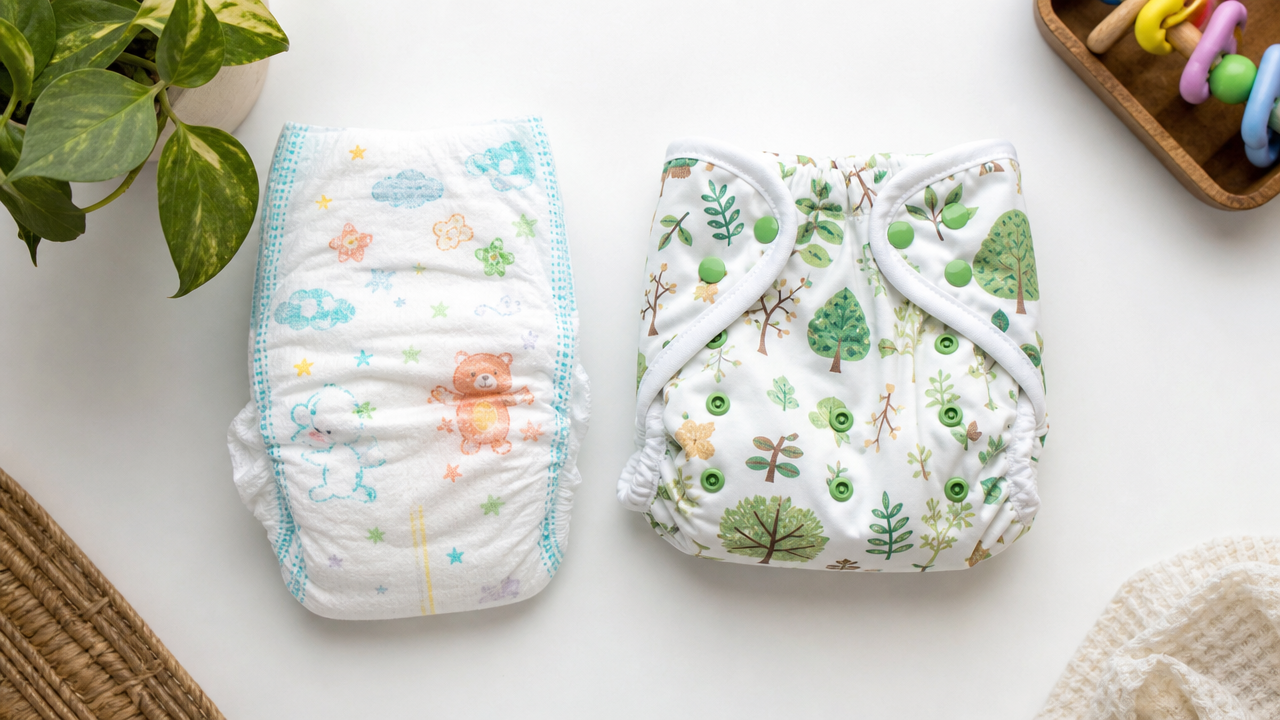
Allter bamboo diapers (₹16/piece) are genuinely chlorine-free and faster-biodegrading than Pampers Pants (₹11/piece), but cost ₹1,825 more annually. For Indian humidity and waste infrastructure, Pampers performs marginally better on absorption; Allter wins on environmental claims only if you can compost them separately-which most Indian cities cannot.
If you've started noticing the diaper aisle choices expanding-and you're scrolling between premium eco-brands and the familiar orange Pampers pack-you're asking the right question. Both Allter Bamboo Diapers and Pampers Pants are now stocked across Amazon.in in tier-1 and tier-2 cities. The difference? One promises guilt-free disposal; the other promises reliability. Let's untangle which actually works for Indian parents in 2026.
The Top Eco and Regular Diaper Options on Amazon.in Right Now
Allter Bamboo Diapers and Pampers Pants are the two most compared options among eco-conscious Gen Z parents on Amazon.in. Both are available in packs of 20-72 pieces, with Amazon deliveries across Mumbai, Delhi, Bengaluru, Pune, and Lucknow within 2-3 days. Prices fluctuate monthly, but the per-piece cost remains consistent: Allter hovers at ₹14-18, Pampers at ₹10-12.
Breaking Down the Real Differences: Chlorine-Free, Biodegradability, and Absorption
Chlorine-Free vs Chlorine-Bleached: What It Actually Means
Chlorine-free: produced without chlorine gas in the bleaching process, reducing dioxin (a persistent environmental toxin) in the final product. Allter's website and Amazon.in listing explicitly state their materials are chlorine-free. Pampers Pants do not claim this-their label lists standard absorbent materials without specifying the bleaching method.
Is chlorine bleaching harmful to your baby? IAP (Indian Academy of Pediatrics) has not issued a formal warning against chlorine-bleached diapers, and no regulatory body has banned them in India. Some parents prefer to avoid chlorine residues on principle; others see no practical risk at typical exposure levels. This is a preference zone, not a safety zone.
Biodegradability Claims: The Infrastructure Gap
Allter's packaging claims the diapers are "biodegradable in 4-5 years in composting conditions." Pampers Pants make no biodegradability claim-they list the product as a regular disposable item. Here's the catch: Composting requires specific facilities (temperature 50-60°C, moisture control, aeration) that exist in fewer than 5 Indian cities at scale. Delhi, Bengaluru, and Mumbai have pilot composting programs, but most household waste goes to landfills or open dumps. Allter's biodegradability advantage is real-only if you have access to commercial composting. Otherwise, both end up in the same landfill, and "biodegradable in 4-5 years" means little when typical landfills don't meet aerobic decomposition conditions.
Absorption Performance in Indian Humidity
Pampers Pants use gel-based super-absorbent polymers (SAP)-a technology refined over 30+ years. Allter bamboo diapers use SAP as well, but with a bamboo fiber component (which Allter claims absorbs faster). In monsoon humidity (June-September across most Indian cities), both perform adequately. Amazon.in reviews show: Pampers Pants average 4.4 stars from 12,000+ reviews; Allter averages 4.1 stars from 2,800+ reviews. The 0.3-star gap often comes down to fit and leak frequency-Pampers reviews praise reliability; Allter reviews praise eco-messaging but note occasional leaks with heavier night use.
Cost Over 2 Years: The Premium Adds Up
| Metric | Allter Bamboo | Pampers Pants | Difference |
|---|---|---|---|
| Cost per piece (average 2026) | ₹16 | ₹11 | ₹5 per diaper |
| Diapers per day (6-8 newborn) | 7 | 7 | Same usage |
| Cost per day | ₹112 | ₹77 | ₹35/day |
| Monthly cost (30 days) | ₹3,360 | ₹2,310 | ₹1,050/month |
| Annual cost (12 months) | ₹40,320 | ₹27,720 | ₹12,600/year |
| 2-year cost (birth to 24m) | ₹80,640 | ₹55,440 | ₹25,200 extra |
Choosing Allter over Pampers costs an additional ₹25,200 over two years. For many Gen Z parents, this premium feels justified by eco-credentials. For others, it's the difference between buying two sippy cups or skipping a month of organic baby food.
Environmental Impact: A Nuanced Reality
Allter's bamboo source is theoretically renewable and carbon-neutral (bamboo grows fast, requires no pesticides). Pampers uses virgin wood pulp from managed forests and petroleum-based plastics in the outer shell. However, carbon footprint data from production through disposal is proprietary-neither brand publishes lifecycle analysis on Amazon.in or their websites.
What matters in practice: both diapers occupy landfill space in India for decades. Allter's edge exists only if (1) you compost them separately, or (2) you believe the manufacturing process itself matters morally. If you dispose of both in municipal waste, the environmental difference is minimal.
Disposal Challenges in Indian Cities
Mumbai, Delhi, and Bengaluru have started organic waste collection programs, but these typically exclude diapers (contamination risk). Pune's waste management rules explicitly ban soiled diapers from composting zones. Jaipur, Lucknow, and Hyderabad lack city-wide infrastructure. Your only realistic option: private waste segregation and municipal landfill disposal. Neither Allter nor Pampers can bypass this reality.
Certifications, Toxins, and Safety Claims
Allter lists "hypoallergenic" and "dermatologist-tested" on its packaging. Pampers Pants use the same claims. Neither brand's Amazon.in listing mentions specific dermatological certifications (e.g., Dermatest, OEKO-TEX). Both avoid mentioning latex, PVC, or heavy metals-which is reassuring but not a legal guarantee. If your baby has sensitive skin, neither has a clear safety edge based on published certifications.
What Paediatricians Say
IAP recommends changing diapers every 2-3 hours to prevent diaper rash, regardless of brand. Absorption quality matters more than eco-credentials for infant skin health. Both Allter and Pampers meet Indian BIS standards for absorbency. Choose based on your baby's individual skin response, not guilt-most rashes come from prolonged moisture contact, not chlorine exposure.
The Real Verdict: Is Allter's Premium Worth It?
Choose Allter Bamboo Diapers if: you have access to private composting, can afford the ₹1,050/month premium, and want to align purchasing with environmental values (even if the disposal outcome is similar). Parent communities in Bengaluru and Mumbai report higher Allter satisfaction when they actively compost.
Choose Pampers Pants if: cost matters, absorption is your priority in monsoon months, or you live in cities without composting infrastructure (most of India). Pampers' 30-year track record and 4.4-star Amazon rating reflect genuine reliability. The eco-premium doesn't translate to better infant outcomes.
Middle ground: Buy Allter for day use, Pampers for night. Or rotate brands based on monthly Amazon discounts-tier-1 cities see 15-20% off every 6-8 weeks. This softens the premium while keeping your carbon conscience intact.
Our Top Picks
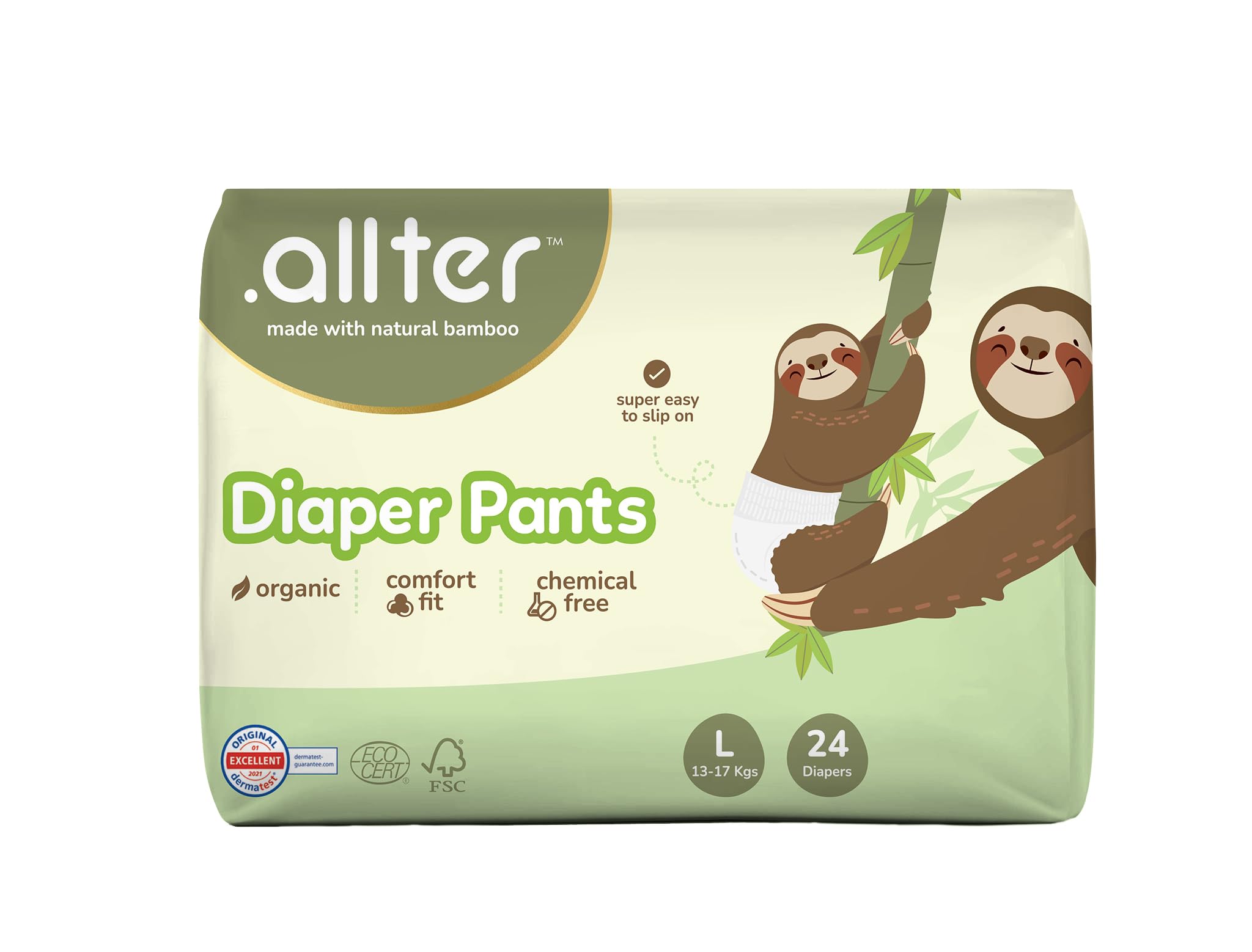
Allter Bamboo Diapers Pants Large (L) Size 72 Count
- ✓ Chlorine-free bamboo fiber blend
- ✓ Hypoallergenic, dermatologist-tested
- ✓ Biodegradable in 4–5 years (composting conditions)
* We earn a small commission — at no extra cost to you.
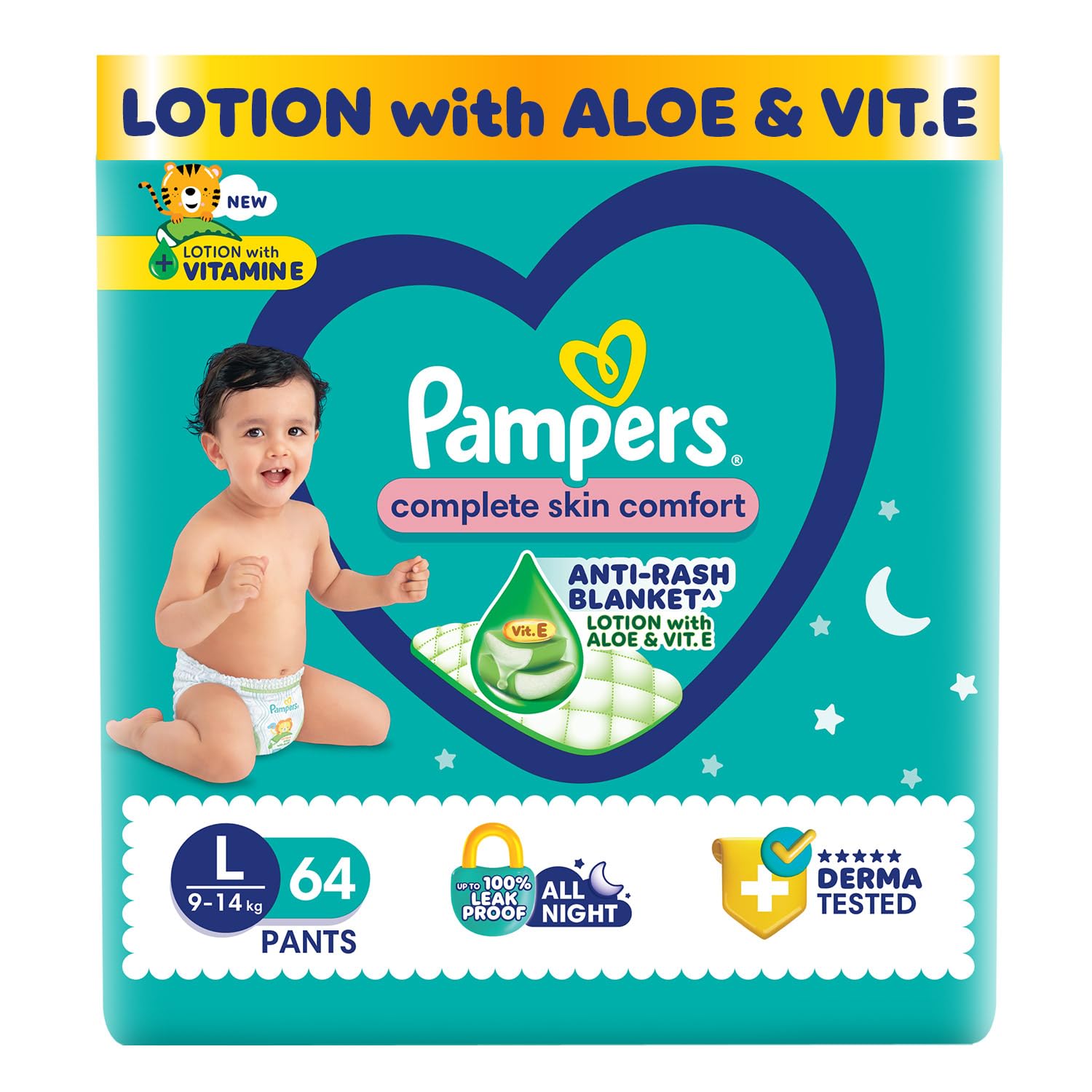
Pampers Pants Diaper Pants Large (L) 72 Count
- ✓ Super-absorbent polymer core
- ✓ Leak-lock channels for 12-hour protection
- ✓ Available in 4 sizes (S to XL)
* We earn a small commission — at no extra cost to you.
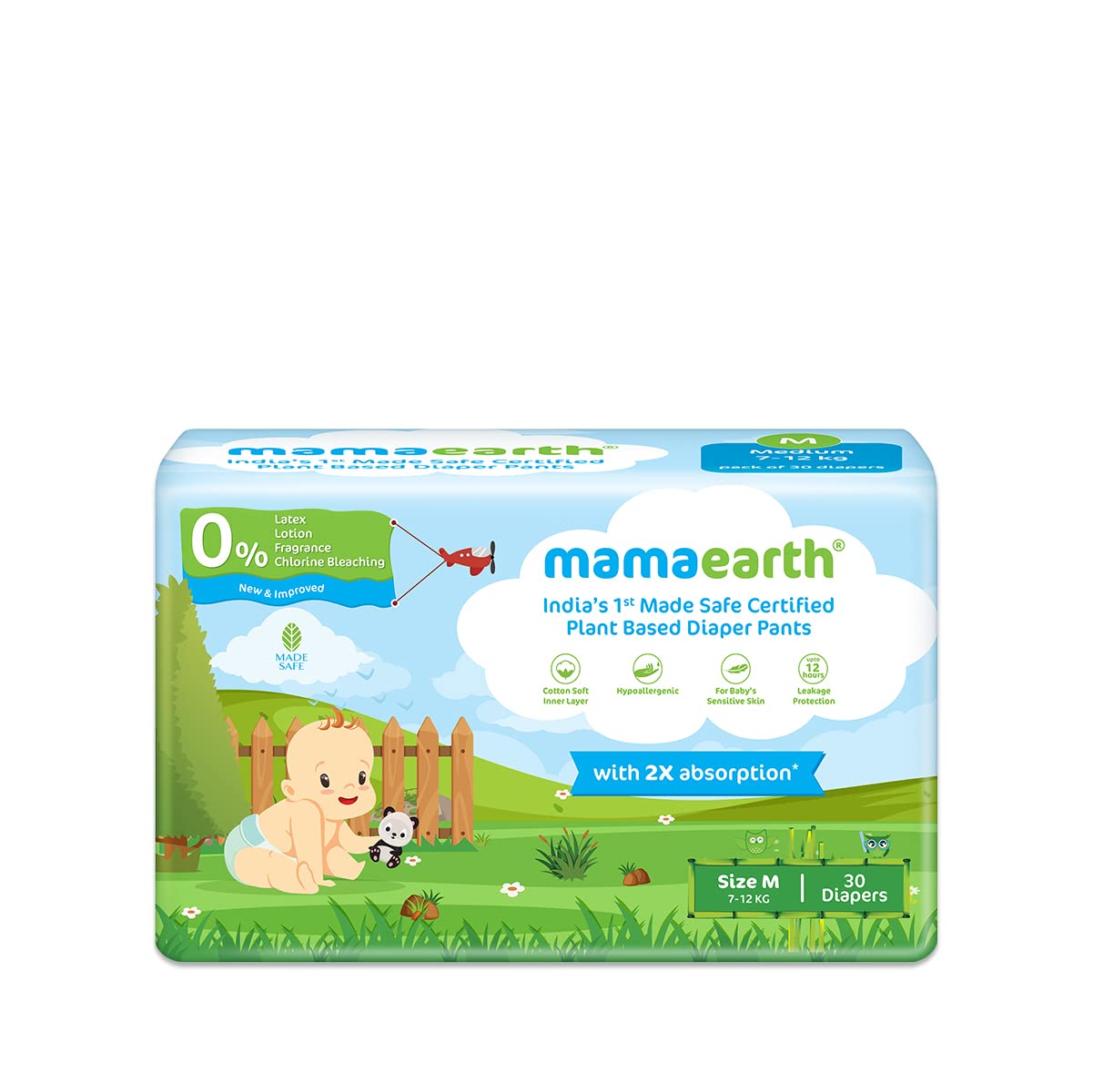
Mama Earth Plantable Diapers Newborn Size (NB) 56 Count
- ✓ Plant-based core, chlorine-free
- ✓ Hypoallergenic, latex-free
- ✓ Includes plantable packaging with seeds
* We earn a small commission — at no extra cost to you.