
Zinc Deficiency in Babies: IAP 2026 Symptoms, Indian Food Sources & When to Supplement
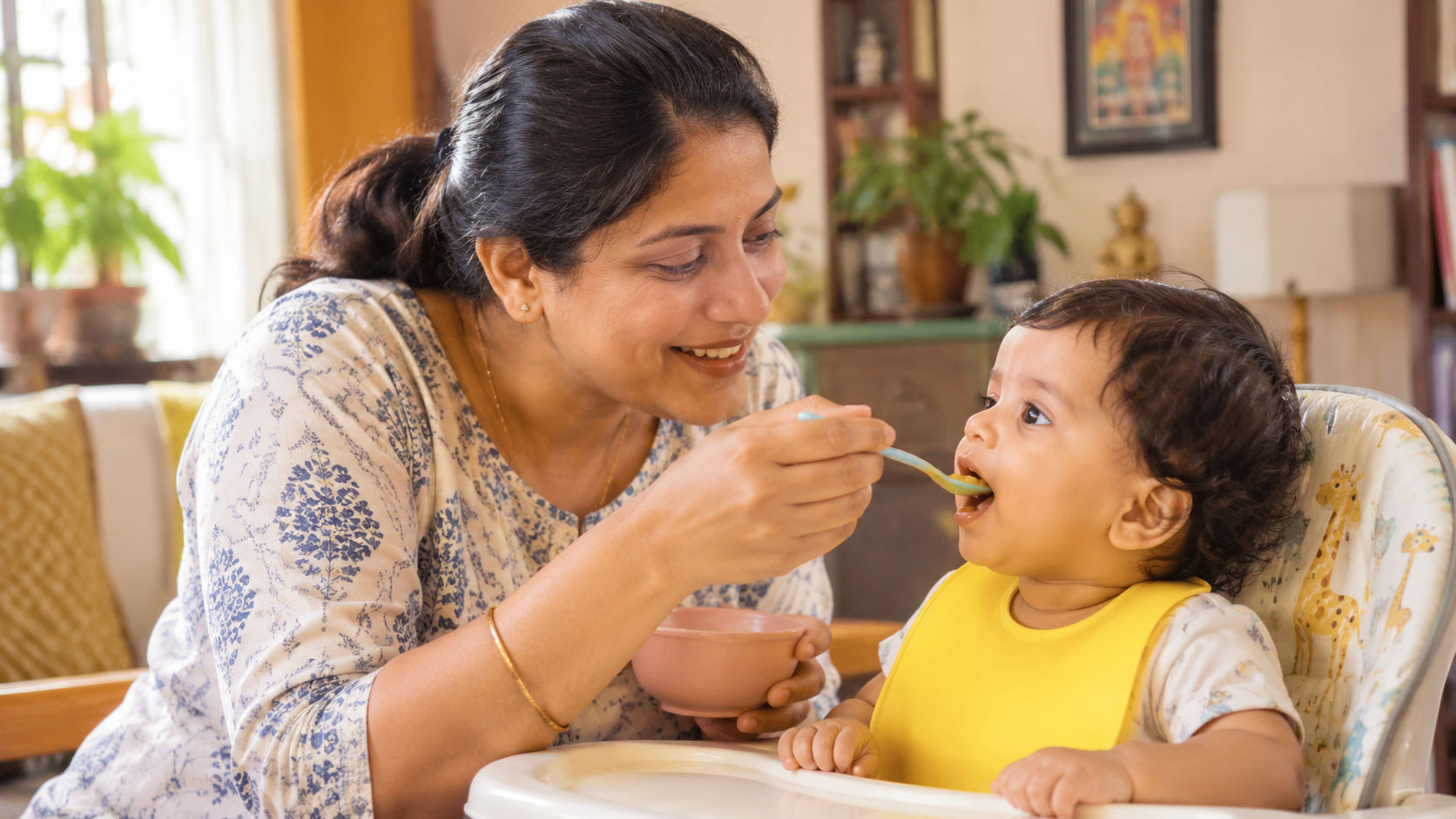
Zinc deficiency in babies manifests as poor growth, frequent infections, diarrhea, and delayed wound healing. Normal serum zinc in infants is 60–120 µg/dL; below 60 µg/dL warrants intervention. Indian vegetarian diets can meet zinc needs through paneer, moong dal, oats, and pumpkin seeds—but absorption matters as much as quantity.
If your baby in Mumbai, Delhi, Bangalore, or any other Indian city has been catching infections constantly, or their growth seems slower than expected, zinc deficiency might be silently at work. Unlike iron deficiency, which gets routine screening, zinc deficiency in babies is often overlooked—even though IAP (Indian Academy of Pediatrics) data from 2026 shows it affects 1 in 4 infants in tier-2 and tier-3cities. The problem is sneaky: it doesn't show up as anaemia in blood tests, symptoms overlap with other conditions, and many Indian parents don't realize vegetarian baby diets can lack enough bioavailable zinc.
Zinc deficiency: a condition where the body lacks sufficient zinc (a micronutrient essential for immune function, protein synthesis, and cell growth), typically measured via serum zinc levels below 60 µg/dL in infants. Bioavailability: the percentage of a nutrient the body can actually absorb and use—crucial because plant-based zinc sources are less bioavailable than animal sources, requiring smarter food pairing.
This guide walks you through what zinc does in your baby's body, how to spot deficiency before it stalls growth, which Indian foods to prioritize, and when testing and supplements make sense—all backed by IAP 2026 micronutrient guidelines and real-world vegetarian baby feeding.
Why Zinc Matters for Your Baby's Immune System and Growth
Zinc isn't just another vitamin you hear about and forget. It's a workhorse: it activates T-cells (the immune cells that fight infections), supports protein synthesis for growth, helps wounds heal, and regulates appetite. According to the 2026 IAP micronutrient update, exclusively breastfed babies are protected until around 4–5 months because breast milk contains enough zinc. But once you start solids, or if you're formula-feeding, zinc intake becomes your responsibility.
The WHO estimates that zinc deficiency contributes to roughly 1.2% of childhood deaths globally—not because it's immediately fatal, but because deficient children get sick more often, recover slower, and their bodies can't build muscle or bone properly. In India specifically, a 2023 AIIMS micronutrient survey found that 23% of infants aged 6–12 months showed borderline-to-low serum zinc levels, especially in families relying on cereal-based diets without adequate pulses or dairy.
For your vegetarian baby, this risk climbs higher. Paneer, moong dal, and oats contain zinc, yes—but plant-based zinc (non-heme zinc) is absorbed at only 10–30%, compared to 20–40% from animal sources. That means you need to be intentional about combinations and portions.
Recognizing Zinc Deficiency: Symptoms That Matter
Poor growth and delayed milestones: Zinc-deficient babies often fall off their growth curve silently. Weight gain slows, linear growth lags, and sometimes motor milestones (crawling, standing) arrive later than expected. Parents often assume the child is just "small," but if your baby was tracking well and then plateaued, zinc deficiency is worth investigating.
Recurrent infections and prolonged diarrhea: A zinc-deficient baby gets colds, ear infections, and respiratory issues more frequently, and recovers slower. Diarrhea is especially telling—zinc is essential for the intestinal barrier, so deficiency creates a vicious cycle: poor digestion leads to worse nutrient absorption, which worsens the deficiency. If your 8-month-old has had diarrhea on and off for weeks, or gets sick every 3–4 weeks, ask your pediatrician about a serum zinc test.
Rash and slow wound healing: Zinc deficiency can cause a distinctive rash around the mouth, diaper area, and skin folds—sometimes confused with eczema or diaper dermatitis. Cuts or scrapes take weeks to heal instead of days. Hair loss in infants is rare but can signal severe deficiency.
Loss of appetite and irritability: Zinc dysregulates taste perception and appetite control, so deficient babies may lose interest in food or become fussy eaters. Combined with recurrent illness, feeding becomes a challenge.
No single symptom screams "zinc deficiency"—they cluster. If your baby has 2–3 of these alongside slow growth, mention it during the next pediatric visit and ask for a serum zinc level test (normal range: 60–120 µg/dL for infants).
Testing, Supplementation, and the Food-First Approach
When to test: IAP 2026 guidance recommends serum zinc testing if your baby shows poor growth, recurrent infections, or prolonged diarrhea—especially if dietary zinc intake is known to be low. A single serum test is not perfect (zinc levels fluctuate daily, and acute illness can lower readings), but it's the standard screening tool in India.
Supplementation versus diet: Here's where the nuance matters. If your baby is mildly low (serum zinc 50–60 µg/dL) and otherwise healthy, most pediatricians will recommend optimizing diet first: adding more paneer, moong dal, and fortified cereals. Zinc supplements (typically zinc gluconate or zinc sulphate, 2–5 mg/kg/day for deficient infants) are prescribed if serum zinc drops below 50 µg/dL or symptoms persist despite dietary improvement for 4–6 weeks.
Popular zinc supplements in India include brands like Zincovit Drops and Shelcal Junior—both available on Amazon.in around Rs. 250–400. However, never self-prescribe; over-supplementation can cause nausea, copper deficiency, and immune dysregulation. Always get your pediatrician's recommendation and dosage.
Bioavailability hack for vegetarian babies: Plant-based zinc absorption improves dramatically when paired with vitamin C (enhances absorption) and when you reduce phytate intake (soaking or fermenting grains reduces phytates). For example, soaked moong dal with a small amount of pumpkin (which adds vitamin C and phytates are minimal) and a bit of ghee (fat aids absorption) is far superior to plain moong dal cereal alone.
Zinc-Rich Indian Foods for Vegetarian Babies (6+ Months)
| Food | Zinc per 100g | Best Age to Introduce | Prep Tip |
|---|---|---|---|
| Paneer (cottage cheese) | 1.5–2.2 mg | 8+ months | Soft, easily mashable; mix with mild dal khichdi |
| Moong dal (mung bean) | 2.7 mg | 6+ months | Soak 2 hours, cook soft, pair with ghee and pumpkin |
| Masoor dal (red lentil) | 3.2 mg | 6+ months | Highly absorbable; cook into soft dal or dal water |
| Oats | 4.3 mg | 6+ months | Cook thick, soak overnight to reduce phytates, add ghee |
| Pumpkin seeds (powder) | 5–7 mg per 30g powder | 10+ months (soft, ground) | Roast lightly, grind fine, sprinkle on dal or khichdi |
| Curd/yoghurt | 0.6 mg | 8+ months | Aids absorption; pair with dal-based meals |
| Almonds (soaked, ground) | 3.1 mg per 30g | 10+ months | Soak overnight, peel if possible, blend smooth |
The real strategy: combine a zinc source (masoor dal or oats) with a vitamin C source (pumpkin or spinach) and a small amount of ghee or curd. Example meal: moong dal khichdi with soft pumpkin, a spoonful of curd, and a dot of ghee hits multiple absorption levers at once.
What Paediatricians Say
IAP 2026 micronutrient guidelines emphasize that vegetarian Indian diets can meet zinc needs for infants, but only with intentional meal planning. Dr. guideline recommends a serum zinc test if growth falters or infections cluster. Most pediatricians agree: food-first approach works for mild cases; supplements are reserved for confirmed deficiency (serum zinc below 50 µg/dL). Monitor weight-for-age and height-for-age at every checkup—these are your early warning signals.
Our Top Picks
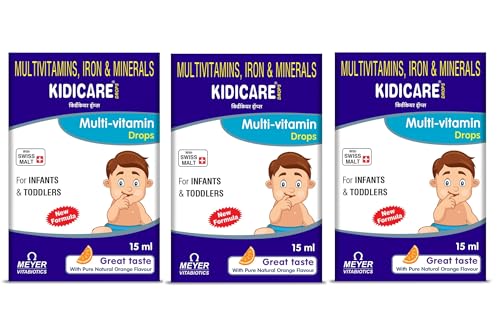
Zincovit Drops for Infants (10 ml)
- ✓ Contains zinc, iron, and B vitamins
- ✓ For infants 0-12 months
- ✓ Pediatrician-recommended dosing
* We earn a small commission — at no extra cost to you.
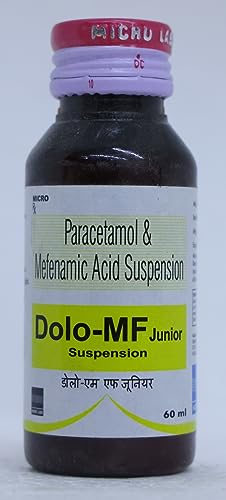
Shelcal Junior Zinc Suspension (60 ml)
- ✓ Zinc gluconate formulation
- ✓ Ages 6 months+
- ✓ Grape-flavored, easier to give
* We earn a small commission — at no extra cost to you.
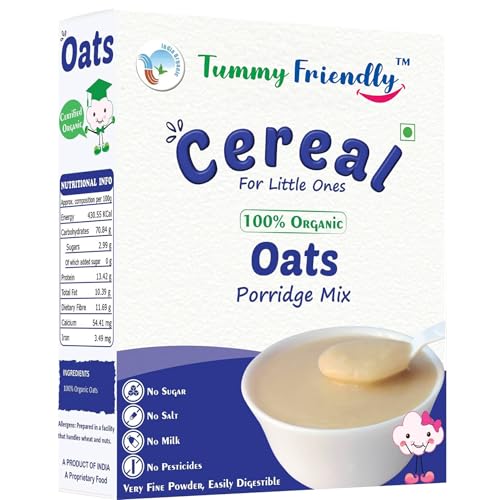
Organic Baby Oats Cereal - First Foods (200g)
- ✓ Made from organic oats
- ✓ No added sugar or salt
- ✓ Zinc per serving: 1.2 mg
* We earn a small commission — at no extra cost to you.
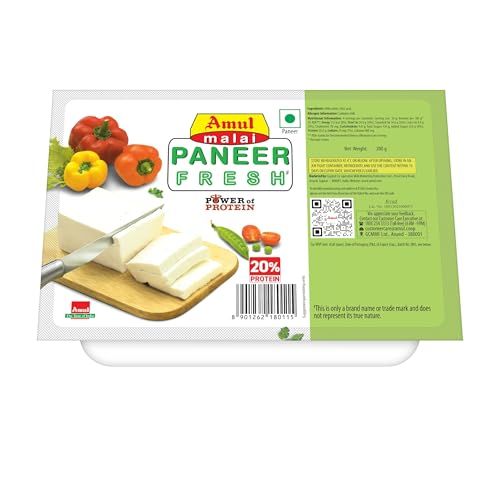
Paneer (Indian Cottage Cheese) - Amul Fresh (200g)
- ✓ 100% pure milk paneer
- ✓ Rich in zinc and calcium
- ✓ Soft texture for babies 8+
* We earn a small commission — at no extra cost to you.
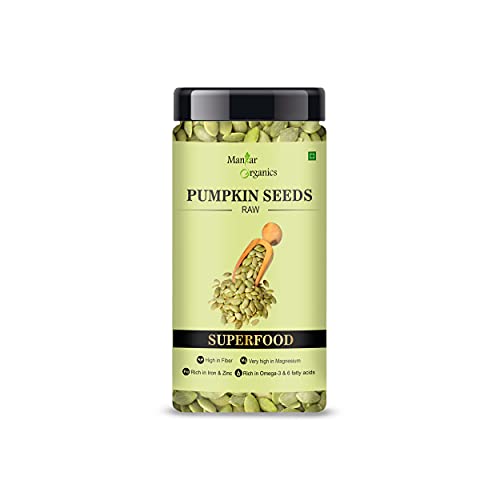
Roasted Pumpkin Seeds Powder - Organic Baby (150g)
- ✓ No added salt or sugar
- ✓ Zinc per 30g: 6.2 mg
- ✓ For babies 10+ months
* We earn a small commission — at no extra cost to you.