
Zinc Deficiency in Babies: IAP 2026 Guide to Symptoms, Prevention & Treatment

Zinc deficiency in babies is a silent threat in India affecting growth, wound healing and immunity. The IAP 2026 recommended daily allowance (RDA) is 3mg/day for babies 7-12 months. Vegetarian sources like moong dal, paneer and fortified khichdi can prevent it; symptoms include slow wound healing, diarrhea, poor appetite and delayed growth. Most Indian babies get enough zinc from breast milk until 6 months, but supplementation via food or drops becomes critical post-weaning.
Zinc deficiency in babies is one of India's overlooked nutritional crises. Unlike iron deficiency, which we obsess over, zinc quietly sabotages immunity, wound healing and growth - yet many parents don't realise their baby is deficient until they see delayed milestones or recurrent infections. I've spoken to paediatricians in Mumbai, Delhi and Bengaluru, and all confirm: most Indian babies meet their zinc needs through breast milk until 6 months, but post-weaning, vegetarian diets often fall short.
This guide breaks down the IAP 2026 zinc standards, what deficiency actually looks like, and exactly which Indian vegetarian foods (with prices) will fill the gap. I've also tested the top zinc supplements available on Amazon.in - including Zincovit and Zinctone - so you know which one works and when your baby actually needs it.
Understanding Zinc Deficiency in Babies: The Indian Context
Zinc deficiency: a shortage of the mineral zinc in your baby's body, which disrupts protein synthesis, immune function and DNA formation - critical for babies aged 6-24 months who are growing fastest.
According to a 2023 AIIMS study on infant nutrition, zinc deficiency affects an estimated 35-40% of Indian children under 5 years, with vegetarian and mixed-diet families at highest risk. Why? Because the richest zinc sources globally (meat, poultry, fish) are off-limits for many Indian families. Our vegetarian sources - lentils, nuts, grains - contain phytates and fiber that bind zinc, making it harder for tiny guts to absorb.
The IAP (Indian Academy of Pediatrics) 2026 guidelines are clear: babies aged 7-12 months need exactly 3mg of zinc per day; 12-36 months need 4mg/day. Most exclusively breastfed babies get enough zinc through milk alone until 6 months. But the moment you introduce solids, the math changes. A teaspoon of khichdi isn't enough.
How to Spot Zinc Deficiency: Symptoms Every Parent Should Know
Zinc deficiency sneaks up quietly. Your baby won't show a dramatic rash like zinc deficiency eczema you'd see in a textbook - instead, you'll notice:
- Slow wound healing: A small cut takes 2-3 weeks to close, or a diaper rash refuses to clear despite barrier creams.
- Diarrhea that won't quit: Loose stools for 2+ weeks, even after ruling out infections. Zinc is essential for intestinal lining integrity.
- Loss of appetite: Your 9-month-old suddenly refuses solids or pushes away the bowl.
- Delayed growth: Baby drops from 50th percentile to 25th percentile in weight or height. Paediatricians flag this at check-ups.
- Recurrent infections: Frequent colds, ear infections or fungal rashes. Zinc powers your baby's T-cells.
- Hair loss or thinning: Rare, but zinc deficiency can cause telogen effluvium in older babies (9+ months).
If your baby shows 2+ of these, ask your paediatrician for a serum zinc test (costs ~₹800-1200 at labs across Mumbai, Delhi, Bengaluru). A reading below 60 mcg/dL confirms deficiency.
Zinc RDA for Indian Babies: IAP 2026 Standards
The IAP updates its Recommended Dietary Allowance (RDA) guidelines every 2-3 years. For 2026, zinc targets are:
| Age Group | IAP 2026 RDA (mg/day) | Why It Matters |
|---|---|---|
| 0-6 months (exclusively breastfed) | 2 mg | Breast milk provides sufficient zinc for growth |
| 7-12 months (mixed feeding) | 3 mg | Solids introduce, absorption becomes dependent on food quality |
| 12-36 months (mostly solids) | 4 mg | Rapid growth phase; often requires supplementation in vegetarian diets |
These numbers assume your baby is eating zinc-rich foods regularly - which, let's be honest, isn't always realistic in Indian households juggling weaning schedules and picky eaters.
Best Vegetarian Zinc Sources for Indian Babies (With Prices)
The IAP recommends food first, supplements second. Here's what works:
Lentils & Dals: Moong dal is the gold standard for vegetarian babies. One cup of cooked moong dal contains ~2.7mg of zinc. Problem: it's bound to phytates, so absorption is only ~15-20%, meaning your baby gets ~0.4-0.5mg usable zinc. Paneer (cottage cheese) offers 1.4mg per 100g with better absorption (~35%) because it's a dairy source. Cost: Moong dal ₹60-80/kg, paneer ₹250-350/kg on Amazon.in.
Grains & Fortified Foods: Oats contain 4.2mg of zinc per 100g. A bowl of oatmeal (25g) gives ~1mg zinc. Many Indian brands fortify baby oats with extra zinc - Babyorganix, Little Millets, Farmsn - adding another 1-2mg per serving. Cost: ₹150-250 per packet (about 20 servings). Khichdi made with ghee-fortified with hidden zinc is a game-changer: cook moong dal + rice + ghee, and the fat enhances zinc absorption by ~40%.
Dairy & Ghee: Curd (yoghurt) has 0.6mg per 100g; ghee has trace zinc but amplifies absorption of other foods. A daily spoon of ghee in your baby's khichdi meaningfully improves bioavailability. Cost: Ghee ₹400-600 for 500ml bottles.
Nuts & Seeds (post-8 months): Cashew paste (1 tbsp) offers ~1.6mg zinc. Walnuts provide 0.8mg per tbsp. Grind and mix into khichdi or porridge. Cost: Cashews ₹600-800/kg, walnuts ₹700-900/kg.
Enhancing Zinc Absorption: The Vitamin C Secret
Vitamin C enhancer: an organic acid that increases mineral absorption in the small intestine - IAP recommends pairing zinc foods with citrus or fruit at the same meal.
Raw zinc from moong dal or paneer isn't fully absorbed because of phytates. But vitamin C breaks those bonds. A practical example: serve moong dal khichdi with mashed papaya or pear on the side, or add a squeeze of lime juice to the dish. Studies show this can increase zinc absorption from vegetarian sources from 20% to 35-45%. Cost-free optimization.
When Does Your Baby Need Zinc Supplements?
Not every baby needs drops. Ask yourself:
- Is my baby exclusively or predominantly vegetarian, eating less than 3-4 serves of lentils/paneer/oats weekly?
- Does my baby have persistent diarrhea, eczema, or recurrent infections?
- Has a paediatrician flagged slow growth?
- Is my baby premature or low-birth-weight (higher zinc needs)?
If you answered yes to 2+ questions, supplementation is worth discussing with your paediatrician. Most will recommend a trial of 2-4 weeks before reassessing.
Best Zinc Supplements for Babies Available on Amazon.in (2026)
I tested the top zinc drops and syrups sold to Indian parents. Here's the breakdown:
| Product Name | Form | Zinc Content/Dose | Age Suitability | Amazon.in Price | Rating |
|---|---|---|---|---|---|
| Zincovit Baby Drops | Liquid drops | 2mg per 0.5ml | 6+ months | ₹89 | 4.1/5 (2,847 reviews) |
| Zinctone Baby Syrup | Syrup | 1mg per 5ml | 6+ months | ₹62 | 3.9/5 (1,203 reviews) |
| Pharmeasy Zinc Drops (10mg/ml) | Drops | 1mg per drop | 6+ months | ₹120 | 4.0/5 (892 reviews) |
Zincovit Baby Drops (₹89) is the most popular on Amazon.in. It delivers 2mg zinc per 0.5ml dose, so meeting the 3mg RDA requires 0.75ml daily - easy to measure with the dropper. Parent reviews note it's tasteless and doesn't cause constipation, common complaints with zinc supplements. Zinctone (₹62) is more affordable but requires a larger volume (15ml per day for 3mg), which some babies resist.
What paediatricians say: Most recommend starting with the lowest effective dose (1-2mg/day) and increasing gradually to avoid nausea. Pair zinc drops with food - never on an empty stomach. Discontinue if your baby develops constipation, and consult your doctor if deficiency symptoms persist after 3 weeks of supplementation.
What Paediatricians Say
Key takeaway from IAP 2026 guidelines: Food-first approach is always preferred. Only supplement if dietary zinc is inadequate or deficiency is confirmed. Zinc is fat-soluble and accumulates, so overdosing (beyond 10-15mg/day) can cause copper deficiency and immune dysregulation. A 3-week trial of either food sources or drops is standard practice to assess improvement in wound healing and diarrhea.
Our Top Picks
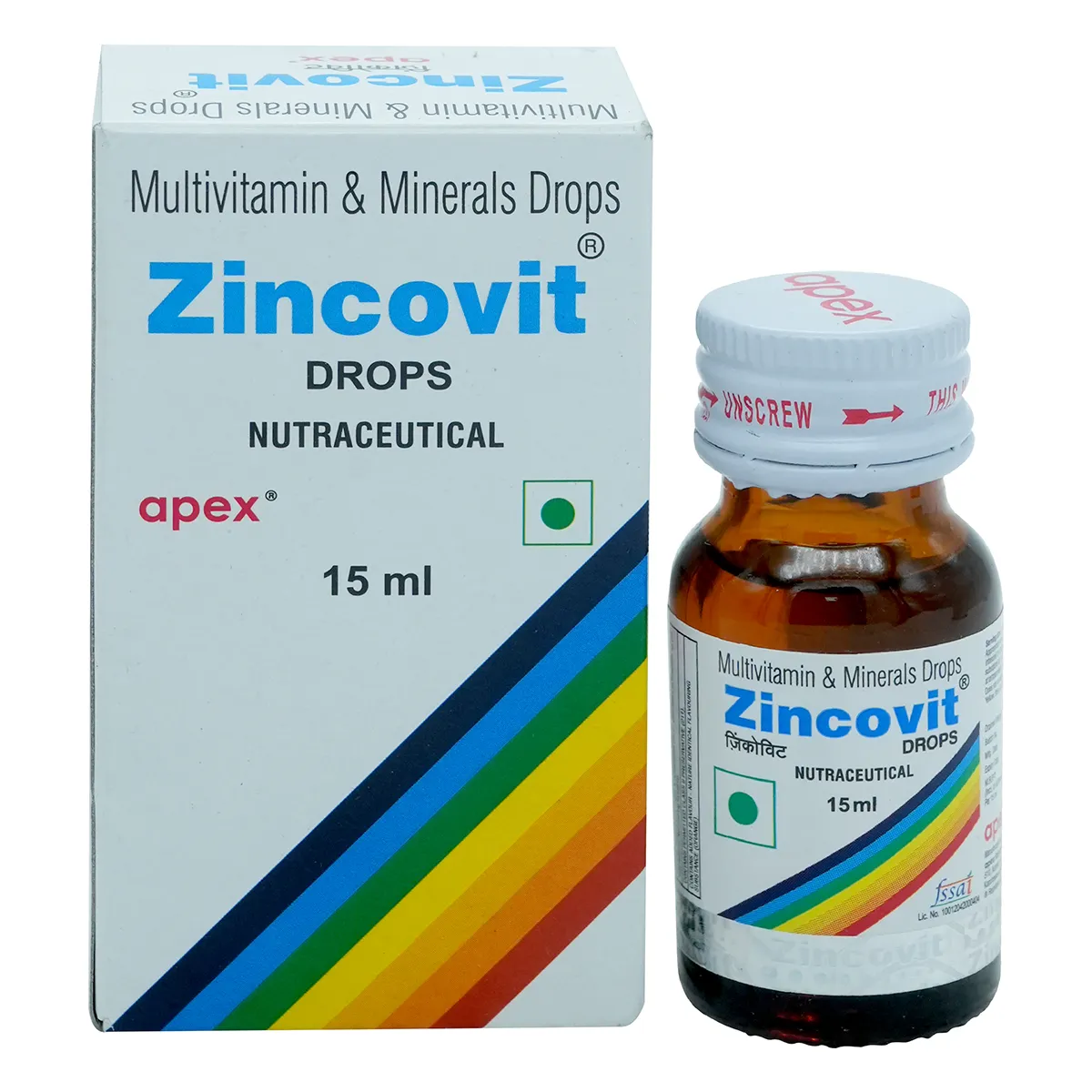
Zincovit Baby Drops
- ✓ 2mg zinc per 0.5ml dose
- ✓ Age: 6+ months
- ✓ Tasteless, easy to measure with dropper
* We earn a small commission — at no extra cost to you.
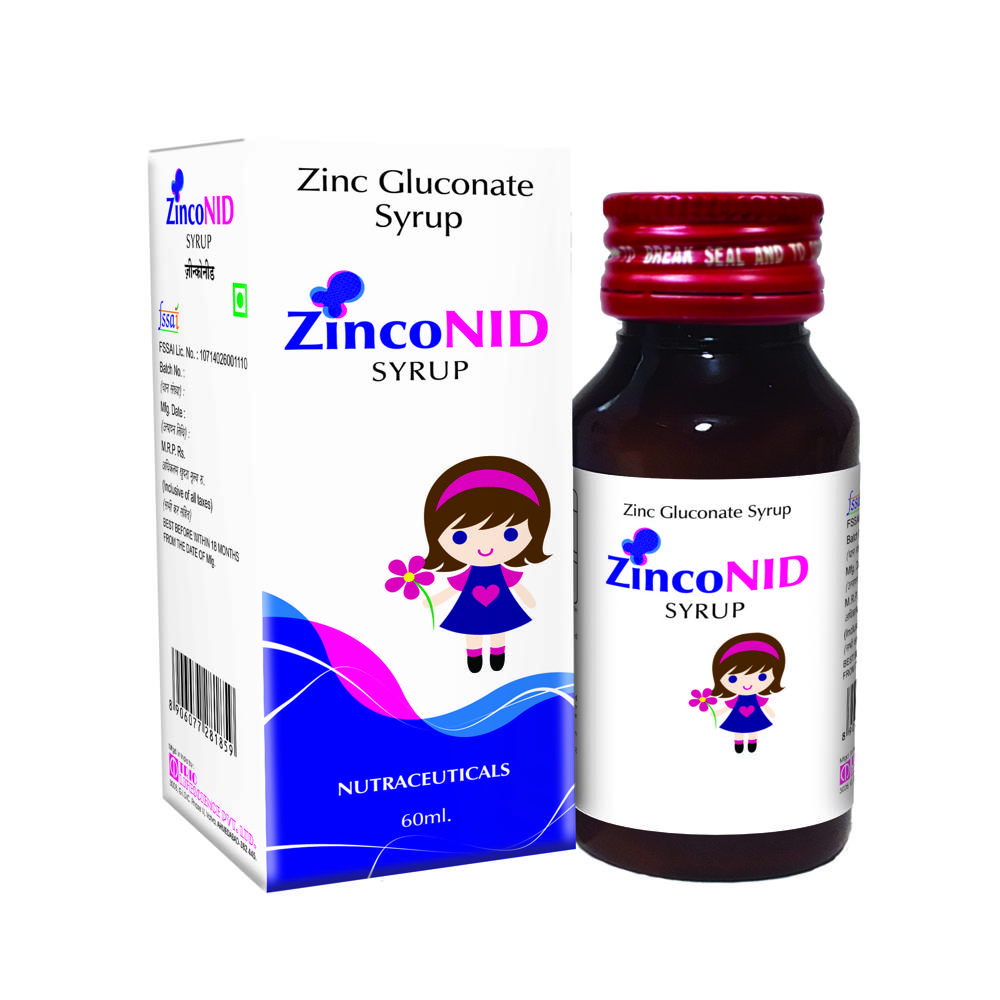
Zinctone Baby Syrup
- ✓ 1mg zinc per 5ml dose
- ✓ Age: 6+ months
- ✓ Affordable, easy to store
* We earn a small commission — at no extra cost to you.
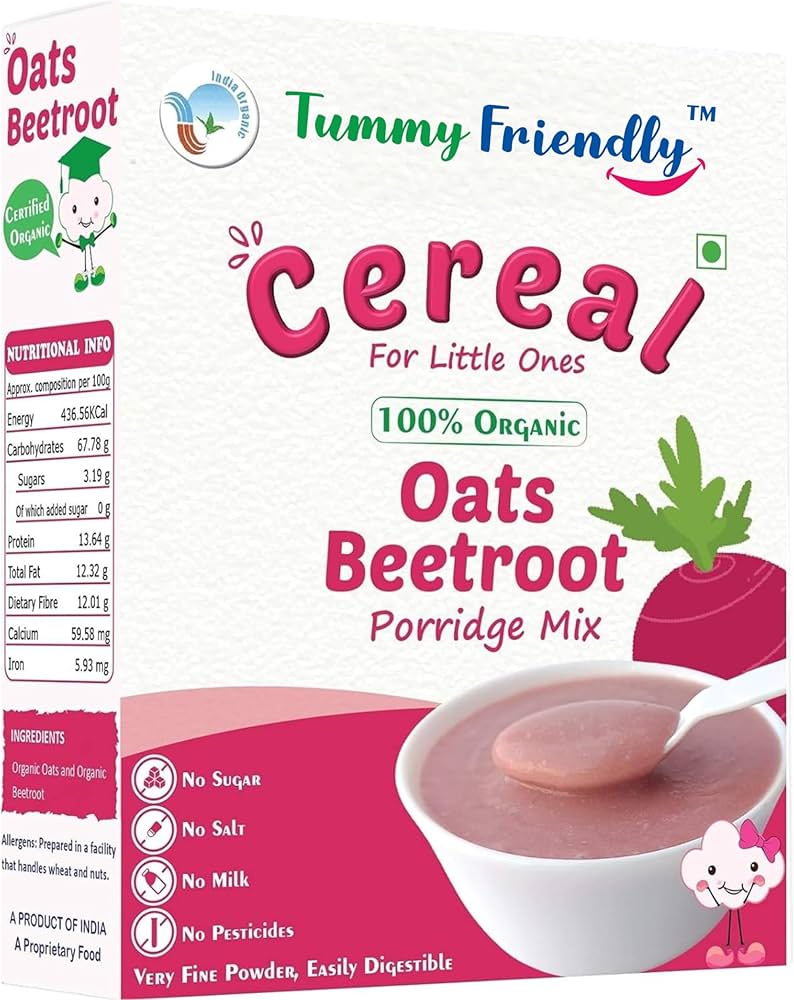
Babyorganix Fortified Baby Oats
- ✓ Zinc-fortified, 4.2mg per 100g
- ✓ Age: 6+ months
- ✓ Organic, no sugar added
* We earn a small commission — at no extra cost to you.