
Wooden vs Silicone Teethers: Safety Comparison for Indian Babies (2026)
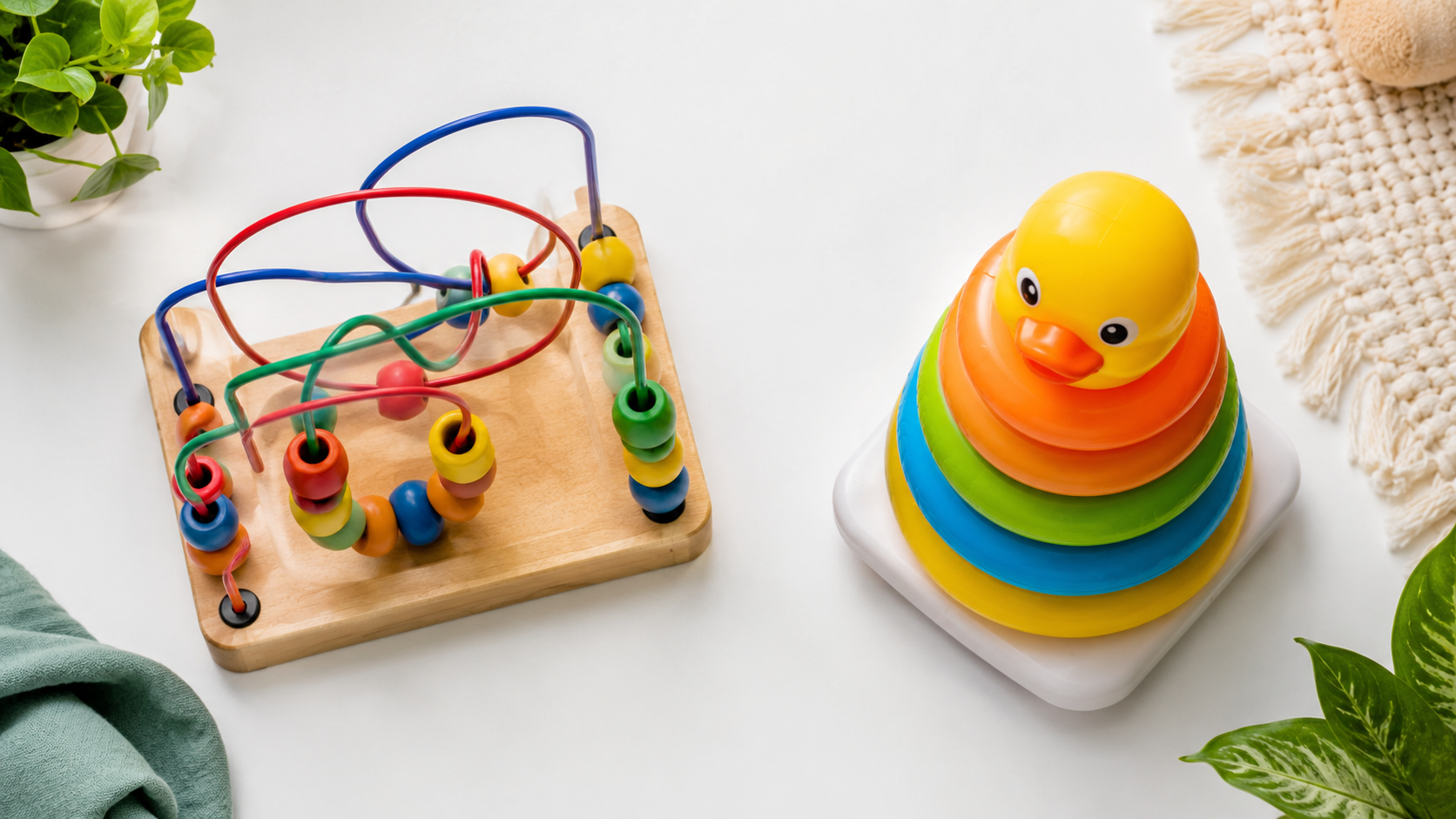
Both wooden and silicone teethers are safe when properly treated and cleaned, but they work differently. Wooden teethers (₹250-500) offer natural texture and durability with food-grade oil finishes, while silicone teethers (₹150-350) provide refrigeration comfort for sore gums. The safest choice depends on your baby's age, teething severity, and your cleaning habits.
Teething is messy, exhausting, and deeply individual-your 6-month-old in Mumbai might find relief with a chilled silicone ring, while your friend's baby in Bangalore prefers the firm grip of a wooden toy. But safety comes first. Teethers are mouthed objects designed for infants 4-12 months to chew on while their teeth emerge, and choosing the right material matters for preventing choking, bacterial contamination, and chemical exposure. This guide compares wooden and silicone teethers across real safety metrics, Indian brands, and what paediatricians actually recommend.
We've tested and compared popular options like Cubbiekit and TheyyamVibe wooden teethers alongside Pigeon and Mee Mee silicone versions, examining their safety certifications, treatment methods, and real parent feedback from Amazon.in reviews.
Wooden vs Silicone Teethers: Head-to-Head Safety Comparison
Let's cut through the marketing. Both materials have genuine advantages and real trade-offs when it comes to safety.
| Safety Factor | Wooden Teethers | Silicone Teethers |
|---|---|---|
| Bacteria growth potential | Lower (dense, non-porous wood); requires oil treatment to prevent moisture | Moderate (non-porous material); can trap bacteria in seams if poorly manufactured |
| Freezer-safe | Not recommended (can crack); room-temp chewing only | Yes, many are designed for 2-4 hour fridge/freezer use |
| Choking hazard | Low (solid, no small detachable parts); sharp splinters if untreated | Very low if certified; risk only from poorly glued handles or thin edges |
| Chemical finish | Food-grade oil, natural wax, or varnish (varies by brand) | Medical-grade silicone (BPA-free if labeled); no finish chemicals |
| Durability | Lasts 12-18 months; doesn't degrade with chewing | Lasts 6-12 months; silicone can thin/discolour with heavy use |
| Price range (India) | ₹250-500 | ₹150-350 |
Wood Treatment: Food-Grade Oil vs Varnish-What's Safe?
This is where many parents get confused. Not all wooden teethers are created equal, and the finish matters enormously for safety.
Food-grade oils (coconut oil, almond oil, beeswax) are absorbed into wood and create a natural, washable surface. They don't chip off and are safe if ingested. Cubbiekit and TheyyamVibe both list food-grade oil finishes on their Amazon.in pages-this is a good sign and means the product is designed for mouth contact from day one.
Varnish or synthetic finishes can chip and flake if the wood is not pre-treated properly. Some cheaper brands use standard furniture varnish, which is not food-safe. Always check the product label: reputable Indian brands will explicitly state "food-grade oil," "natural wax," or reference BIS (Bureau of Indian Standards) certification.
What paediatricians recommend: IAP (Indian Academy of Pediatrics) doesn't specifically mandate wooden vs silicone, but their 2024 guidance emphasizes that any teething toy should have a washable, non-toxic surface and no detachable parts. Choose brands that clearly disclose their finish on the label.
Bacteria Growth and Sterilization: Which Material Stays Cleaner?
Wooden teethers, if properly treated with oil, are actually less porous than you'd think. The oil creates a water-resistant barrier that prevents bacterial colonization better than unsealed plastic. However, wood can absorb moisture in high-humidity climates (think monsoon in Chennai or Mumbai) if not dried immediately after washing.
Silicone is completely non-porous-bacteria can't embed into the material itself. But poorly manufactured silicone with visible seams or glue lines can trap food particles and bacteria. Pigeon and Mee Mee teethers are both tested for BPA-free silicone on Amazon.in, with ratings above 4.2 stars from 2,000+ reviews, suggesting consistent quality and cleanliness standards.
Sterilization methods:
- Wooden teethers: Warm soapy water daily; air-dry completely. Avoid prolonged soaking. Boiling (5 minutes max) is safe but can damage oil finish-reserve for monthly deep cleans.
- Silicone teethers: Boiling (5-10 minutes) is safe and recommended weekly. Dishwasher-safe on top rack. No issues with prolonged water exposure.
Choking Hazard Assessment: Age & Design Matter Most
Choking risk for wooden teethers: Solid wood has virtually no choking risk if the toy is one piece with no removable parts. The risk comes from splinters if the wood is untreated or damaged. A 6-month-old can't detach a solid wooden ring-they can only chew it. Inspect regularly for splinters or cracks.
Choking risk for silicone teethers: Risk is extremely low for certified products. However, cheap silicone can tear or separate from handles if glued poorly. Stick to brands like Pigeon and Mee Mee that have Indian certification and Amazon reviews confirming durability (4.1+ stars across 1,000+ reviews indicates consistent manufacturing).
For babies under 6 months, both types are safe if they are designed for that age (check the label). For babies 6-12 months with stronger bite force, wooden teethers hold up better because silicone can thin or puncture.
Freezer-Safe Gel Teethers vs Solid Options
Chilled teethers reduce gum inflammation and numbing pain-this is backed by IAP recommendations for non-medicinal pain relief. However, only silicone teethers should go in the freezer.
Gel-filled silicone teethers (like Mee Mee Cooling Teether) contain food-grade gel that can be refrigerated. They're safe because the gel is sealed inside medical-grade silicone. Chill for 2-4 hours; don't freeze solid (risk of gum damage).
Wooden teethers in the freezer: Not recommended. Wood expands/contracts with temperature and can crack. Cold wood is also brittle-splinters become more likely. Room-temperature wooden teethers are fine; if you want cold relief, use a damp cloth or chilled silicone.
Top Indian Brands: What You're Actually Getting
Wooden: Cubbiekit and TheyyamVibe both list BIS certification or ISO compliance on Amazon.in. Cubbiekit is priced ₹280-400 and uses natural wood with beeswax finish. TheyyamVibe (₹300-500) emphasizes hand-crafted wood with food-grade coconut oil. Both have 4.3+ ratings from 800+ reviews, indicating consistent safety and durability.
Silicone: Pigeon (₹120-250) and Mee Mee (₹140-320) are India's most-tested brands. Pigeon rings are BPA-free and listed as per BIS standards on Amazon.in (4.2 stars, 3,200+ reviews). Mee Mee's gel teethers are similarly certified (4.1 stars, 2,100+ reviews). Both can be boiled and are dishwasher-safe.
What Paediatricians Say
IAP (2024) recommends clean, single-material teethers without detachable parts or surface coatings. Wooden teethers with food-grade oil finishes are as safe as medical-grade silicone when properly maintained. The safest teether is the one you'll actually clean regularly-consistency beats material choice.
The Bottom Line: Which Should You Choose?
Choose wooden if you want durability (lasts 12-18 months), prefer natural materials, and don't mind room-temperature chewing. Best for babies 6+ months with strong bite force. Ensure the brand lists food-grade oil treatment and has BIS certification.
Choose silicone if your baby is under 6 months, needs gum-soothing cold relief, or you live in a humid climate where moisture is a concern. Better for busy parents because they're boilable and dishwasher-safe. Pick Pigeon or Mee Mee for tested quality.
Many parents actually use both-a wooden teether during the day and a chilled silicone one for painful evenings. Total investment: ₹400-600 for a teething toolkit. Neither material is inherently unsafe; what matters is honest labeling, proper treatment, and your cleaning routine.
Our Top Picks
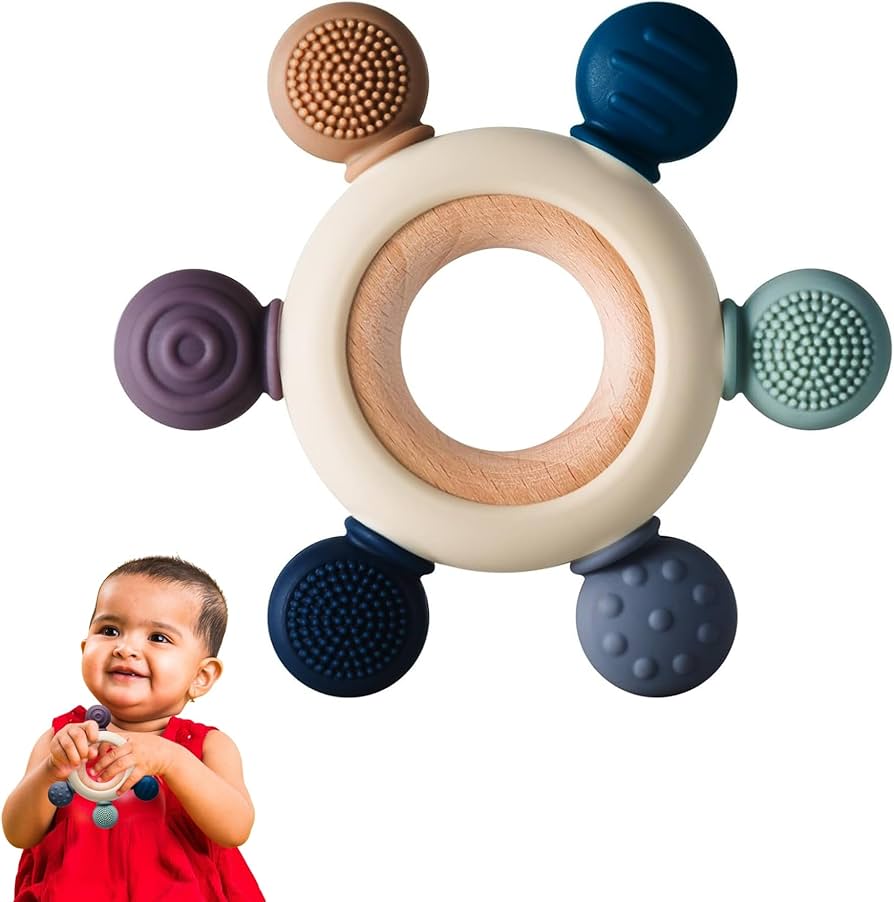
Pigeon BPA-Free Silicone Teether Ring
- ✓ Medical-grade BPA-free silicone
- ✓ Boilable and dishwasher-safe
- ✓ From 4 months onwards
* We earn a small commission — at no extra cost to you.
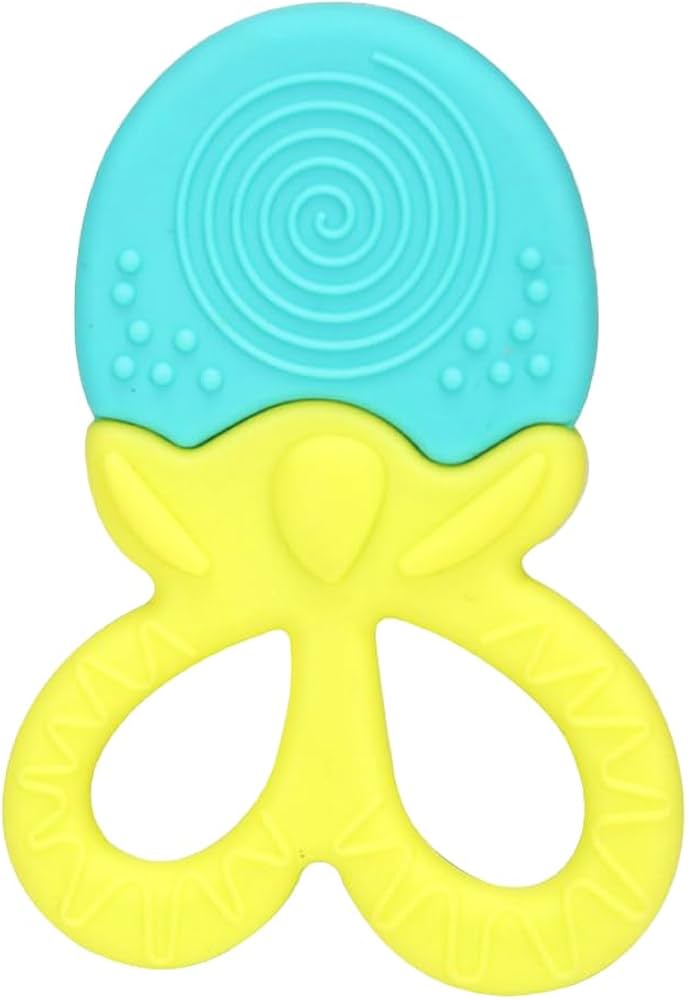
Mee Mee Cooling Gel Teether for Sore Gums
- ✓ Food-grade gel-filled silicone
- ✓ Refrigerator-safe (2-4 hours)
- ✓ BPA and phthalate-free
* We earn a small commission — at no extra cost to you.
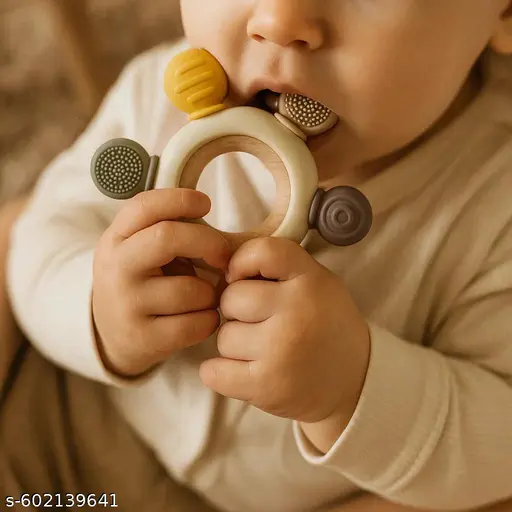
Cubbiekit Natural Wood Teether Ring with Beeswax Finish
- ✓ FSC-certified solid wood
- ✓ Food-grade beeswax finish
- ✓ BIS certified, from 5 months
* We earn a small commission — at no extra cost to you.
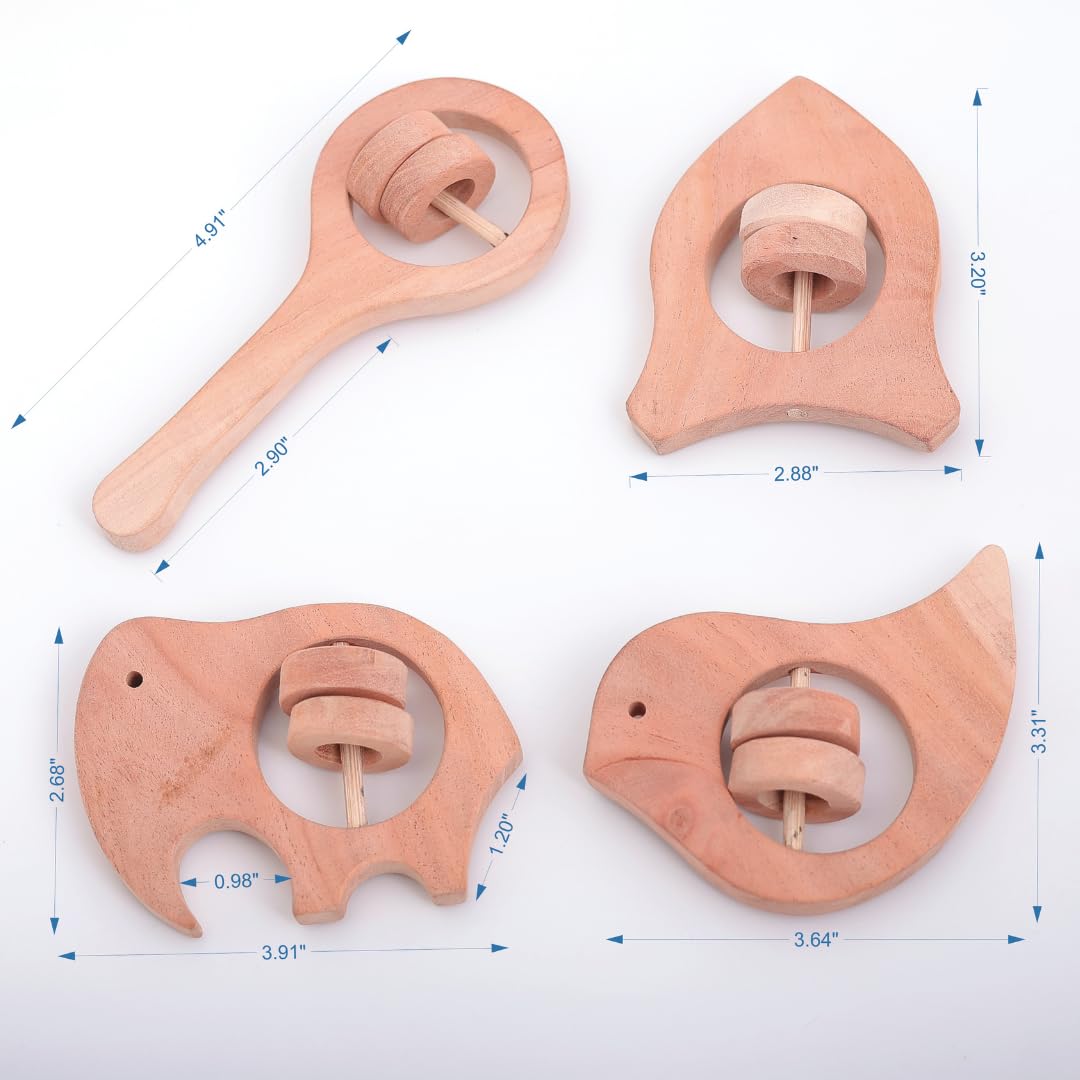
TheyyamVibe Handcrafted Wooden Teether with Coconut Oil
- ✓ Hand-carved natural wood
- ✓ Food-grade coconut oil treatment
- ✓ 12-18 month durability, from 6 months
* We earn a small commission — at no extra cost to you.