
Wheat Dalia Khichdi for 10+ Month Babies: Easy Pressure Cooker Recipe (12 mins)
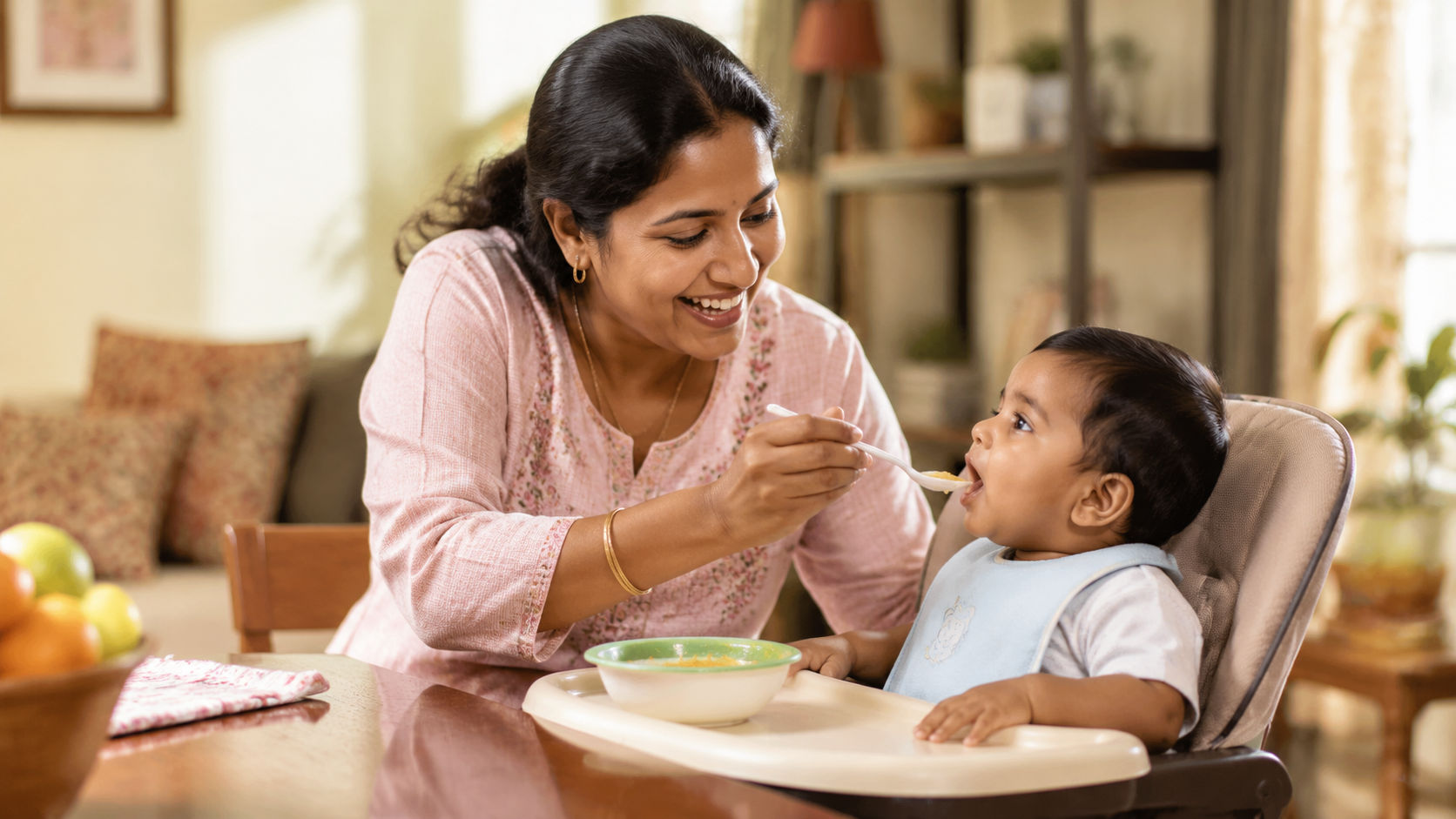
Wheat dalia khichdi is a nutrient-dense, easily digestible meal for babies 10+ months old. Simply pressure cook broken wheat (dalia) with moong dal, peas, ghee and water for 3 whistles—ready in 12 minutes. It offers iron, fibre and complete protein, and the soft texture suits both beginners to self-feeding and toddlers.
When my daughter turned 10 months, I was hunting for meals that felt substantial enough to replace some feeds but weren't overly complicated on chaotic mornings. That's when dalia khichdi became our go-to—it's forgiving, flexible, and my paediatrician actually nodded approval when I mentioned it. Most Indian parents know broken wheat dalia from their own childhoods, but making the right version for babies requires a touch of care around texture and ingredient quality. This guide walks you through exactly how I make it, with brand recommendations and the nutritional logic behind every component.
The best organic dalia brands available on Amazon.in include 24 Mantra Organic Broken Wheat (₹85/500g), Organic India Daliya (₹95/500g), and Pro Nature Organic Broken Wheat (₹78/500g). All three are BIS-certified and free from pesticide residues—important for babies whose digestive systems are still maturing.
Why Wheat Dalia Khichdi Works for 10+ Month Babies
Dalia (broken wheat): a cereal grain processed into coarse, digestible pieces that cook softly and absorb broth easily. By 10 months, babies can handle the slightly granular texture without risk of choking, provided it's cooked until fully tender and mashed appropriately. IAP (Indian Academy of Pediatrics) guidelines state that by 9–10 months, babies can transition from purees to mildly textured foods—dalia fits this perfectly.
The nutritional case is strong: one serving (150g cooked khichdi) delivers roughly 8–10g protein when you combine dalia with moong dal, plus 2–3g fibre for gentle digestion. The iron content is naturally higher than plain rice khichdi—100g of dried dalia contains about 4.5mg iron, though absorption improves when paired with ghee and served with peas (which add vitamin C). Many parents in tier-1 cities like Bengaluru and Mumbai report that their babies transition smoothly from milk feeds to partial dalia meals by 11–12 months because it feels substantial without causing bloating.
The 12-Minute Pressure Cooker Recipe
Ingredients (1 serving for your baby, ~150g):
- 2 tablespoons broken wheat dalia (organic preferred)
- 1 tablespoon moong dal (split, washed thoroughly)
- 2 tablespoons fresh or frozen peas
- 1 teaspoon ghee
- ¼ cup water + ½ cup additional water (adjust as needed)
- Pinch of salt (optional, from 12 months onward)
Step 1: Prepare the grains. Rinse the dalia and moong dal separately under running water 2–3 times. This removes any dust or debris without removing nutrients. Pat dry with a clean cloth. Measure out fresh peas (if frozen, run warm water over them briefly).
Step 2: Toast lightly (optional but recommended). Heat ½ teaspoon ghee in a heavy-bottomed pressure cooker over medium heat. Add the dalia and moong dal, stirring constantly for 1–2 minutes. This toasting step does two things: it enhances the nutty flavour slightly (which helps picky eaters) and makes the grains slightly fluffier when cooked. If your baby is younger (10–11 months) or you're introducing dalia for the first time, skip this step to be extra cautious.
Step 3: Add liquid and peas. Pour in ¾ cup water and add peas. Stir well. The ratio of liquid to dalia is crucial—too little and the khichdi becomes dry and clumpy; too much and it's a soup. For a 10–11 month old, aim for a thick, porridge-like consistency (think slightly thicker than regular khichdi). For a 13+ month toddler who's eating finger foods, you can reduce water slightly to make it slightly drier.
Step 4: Pressure cook. Close the pressure cooker lid. Place on high heat. Once you hear the first hiss, reduce to medium heat. Allow 3 full whistles (roughly 8–10 minutes from the first whistle). The three whistles ensure the dalia is completely soft and digestible—no grainy texture that might feel odd in your baby's mouth.
Step 5: Cool and mash. Let the pressure release naturally for 2 minutes, then open carefully. The mixture should look creamy and cohesive, not watery. Use the back of a fork or a spoon to mash any slightly firmer pieces of dalia. If it looks too thick, add 1–2 tablespoons warm water. If it's too thin, let it sit for a minute and it will thicken slightly as the grains absorb remaining moisture.
Step 6: Finish with ghee. Stir in ½ teaspoon fresh ghee. Ghee aids fat-soluble vitamin absorption and adds a subtle richness that encourages eating. Taste a small spoonful yourself to check temperature—it should be comfortably warm, not hot.
Texture progression: For a 10-month-old just starting dalia, the consistency should resemble thick oatmeal—smooth with very soft, almost imperceptible grains. By 12–13 months, you can leave slightly larger soft pieces and serve it as a mini meal with optional accompaniments like a small soft piece of paneer or a few peas scattered on top for self-feeding practice.
Storage, Hygiene & What Paediatricians Say
Store leftover khichdi in a glass airtight container in the fridge for up to 24 hours. Do not store overnight at room temperature—dalia's starch ferments quickly. To reheat, add 1–2 tablespoons water and warm gently over low heat or in a microwave-safe bowl (30 seconds at a time) until steaming. Freeze portions in ice-cube trays if you want to prepare a batch; frozen khichdi lasts 3 weeks and is perfect for busy weeks in Chennai or Pune when cooking daily feels impossible.
What Paediatricians Say
IAP feeding guidelines recommend introducing mixed-grain meals (dalia + dal) from 9–10 months onward as part of the transition to family foods. The combination of broken wheat and moong dal provides complete amino acids, making it a vegetarian powerhouse. Many paediatricians note that babies who eat dalia khichdi regularly show better stool consistency and fewer feeding refusals compared to plain rice-based meals.
| Dalia Brand | Price (500g) | Certification | Taste Profile |
|---|---|---|---|
| 24 Mantra Organic Broken Wheat | ₹85 | NPOP, BIS certified | Mild, slightly nutty |
| Organic India Daliya | ₹95 | FSSAI approved | Clean, earthy grain flavour |
| Pro Nature Organic Broken Wheat | ₹78 | BIS certified organic | Neutral, versatile for khichdi |
All three brands are widely available on Amazon.in with next-day delivery in metro cities and 2–3 day delivery across tier-2 and tier-3 cities. Pro Nature edges slightly ahead on price for budget-conscious parents, while 24 Mantra's granules are fractionally more uniform, making texture control easier for very young starters (10–11 months).
Our Top Picks
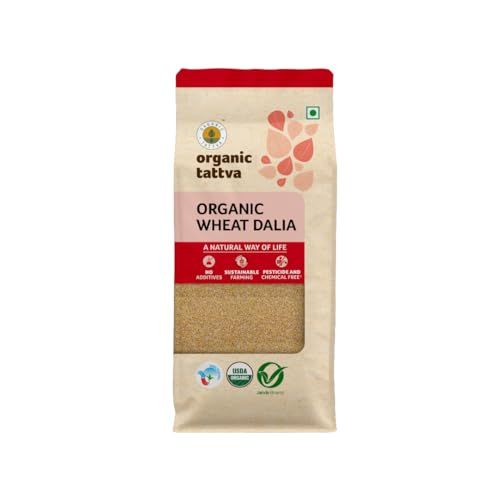
24 Mantra Organic Broken Wheat (Daliya) - 500g
- ✓ NPOP and BIS certified organic
- ✓ No pesticide residues
- ✓ 500g pack, suitable for 15–20 servings
* We earn a small commission — at no extra cost to you.
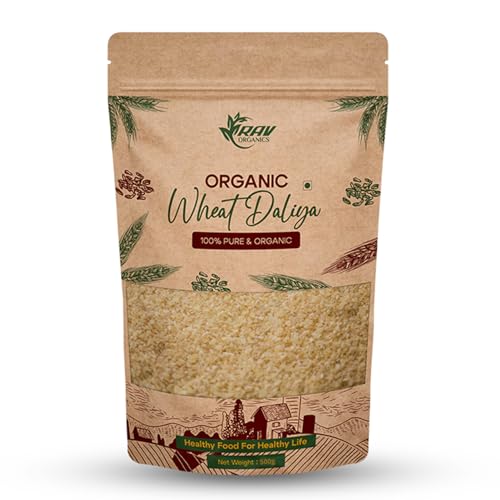
Organic India Daliya (Broken Wheat) - 500g
- ✓ FSSAI approved organic
- ✓ Clean, earthy grain flavour
- ✓ 500g pack with resealable pouch
* We earn a small commission — at no extra cost to you.
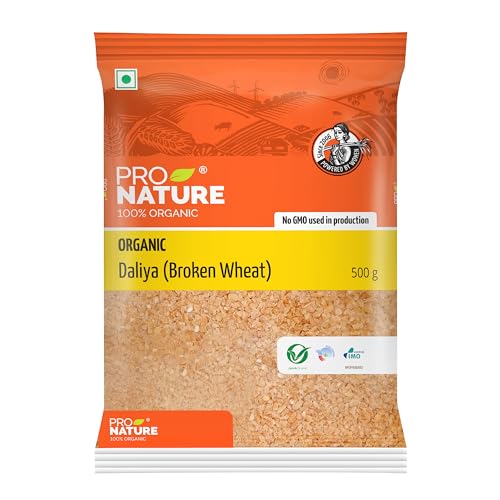
Pro Nature Organic Broken Wheat - 500g
- ✓ BIS certified organic dalia
- ✓ Neutral taste, versatile for recipes
- ✓ Budget-friendly at ₹78 per 500g
* We earn a small commission — at no extra cost to you.