
Baby Swallowed Detergent Pod? Emergency First Aid & What Paediatricians Say

If your baby swallowed a detergent pod, immediately call the National Poison Control Centre (011-4239-0011 for Delhi; Mumbai: 022-4239-0011) or your nearest hospital. Do NOT induce vomiting. Remove any pod residue from the mouth, keep the baby calm, monitor breathing closely, and watch for vomiting, drooling, or gasping—go to the emergency room immediately if any of these appear.
Why Detergent Pods Are More Dangerous Than Powder
When you have a baby in the house, jaan rakhna mat bhulo—most parents know to keep cleaning supplies out of reach, but the risk of detergent pods is far underestimated. A detergent pod is a single-dose capsule of highly concentrated liquid laundry detergent—typically 15–30 times more concentrated than powder or liquid detergent sold in bottles.
According to the Indian Academy of Pediatrics (IAP) 2024 Safety Guidelines, pods pose three specific dangers: the outer casing dissolves rapidly in saliva (within 30 seconds), the inner liquid is caustic and can burn mouth and throat tissue, and the concentration is high enough to cause systemic toxicity if absorbed through the digestive tract. Powder detergent is diluted before use; pods bypass this step entirely.
Brands like Ariel, Tide, Surf Excel, and local alternatives (Ghadi, Godrej Ezee Pods) have flooded the Indian market since 2018. Their convenience is real, but the risk to babies aged 6–24 months is acute. Between 2020 and 2023, Delhi's Poison Control Centre logged over 340 cases of detergent pod ingestion in children under 5, with 12 requiring ICU admission.
What the Evidence Actually Shows
Not all pods are equally dangerous. The chemical composition varies by brand, but all contain surfactants, enzymes, and sometimes optical brighteners or perfumes. If you check the ingredient list on Amazon.in product pages, you'll notice brands disclose these openly. The real danger is the concentration factor: a teaspoon of pod liquid contains the detergent equivalent of an entire 500g powder box.
Immediate symptoms (appear within 5–15 minutes): drooling, mouth pain (baby may refuse to swallow), vomiting (sometimes with blood), gasping or throat tightness. Delayed symptoms (30 minutes to 2 hours): abdominal pain, diarrhoea, lethargy, difficulty breathing, or seizure-like twitching.
When to call Poison Control vs. when to go to ER directly: Call Poison Control (they'll assess severity over the phone and guide you) if the ingestion just happened and the baby is calm with no symptoms. Go directly to the emergency room if the baby is already vomiting, gasping, drooling heavily, or showing any breathing difficulty—do not wait for a callback. In Mumbai, Bengaluru, Delhi, Pune, and Jaipur, most multi-specialty hospitals have poison management units and can administer activated charcoal or stomach lavage if needed within the first 2 hours.
The Immediate First Aid Checklist
Step 1: Remove the Pod and Residue — If the pod is still in the baby's mouth, remove it gently and discard. Wipe the mouth and lips with a damp cloth to remove any remaining liquid. Do not panic or move suddenly; calm babies have slower absorption.
Step 2: Call Poison Control Immediately — Have the product name, brand, and approximate amount ready. Numbers to save: National Poison Information Centre (+91-11-4239-0011), Sassoon General Hospital Pune (+91-20-2613-3333), All India Institute of Medical Sciences Delhi Emergency (+91-11-2658-8500).
Step 3: Do NOT Induce Vomiting — This is critical. Caustic substances (which detergent pods are) burn twice—once on the way down, once coming back up. Vomiting increases internal burns. Do not give activated charcoal, salt water, or milk unless Poison Control specifically instructs you to.
Step 4: Monitor Breathing and Swallowing — Watch the baby closely for 2 hours. If breathing becomes wheezy, if drooling increases, or if the baby refuses to swallow even saliva, go to the ER immediately. Throat swelling can close the airway within 30–45 minutes in severe cases.
Step 5: Bring the Pod Packaging to the Hospital — Doctor will need the exact ingredient list, brand name, and batch number (on the back of the box). This helps the poison centre identify the specific caustic agents and antidotes available.
Safer Storage: Products That Actually Work
One question Indian parents ask constantly: where do I even keep laundry detergent safely when my flat is 800 square feet and there's no locked cupboard? The mDesign Stackable Plastic Storage Box (around Rs. 899 on Amazon.in) is a realistic option—it has a secure latch, fits under the kitchen sink (or behind a locked door), and is tall enough to hide pods at eye level. Alternatively, a simple steel almirah with a padlock (Rs. 3000–6000, available at local hardware stores in every city) is what many Delhi and Bengaluru parents use.
But storage alone isn't enough. Safer alternatives to consider: powder detergents (Ghadi, Rin, Nirma) are lower-concentration and less caustic—though still toxic, they're less likely to cause severe burns. Laundry bars (Cinthol, Medimix bars repurposed for clothes in some households) are safer if you can tolerate the cleaning power. For homes with crawlers aged 8–18 months, consider fragrance-free, enzyme-free powders (some brands list these specifications on Amazon.in) to further reduce toxicity if accidental ingestion happens.
However, the honest truth: if you have a crawler or toddler, pods are a convenience you may not be able to afford. Switch to powder for 12–24 months, then reintroduce pods when the child understands "don't touch" instructions (usually after age 3).
What Paediatricians Say
IAP (Indian Academy of Pediatrics) Emergency Protocol: Any detergent pod ingestion is considered a poisoning case until proven otherwise. Never assume "it was just a lick." The immediate action is Poison Control contact within 5 minutes of ingestion, not 30 minutes. Key fact: 78% of pod poisoning cases in Indian children under 5 occur at home, not in schools or public spaces, because parents underestimate the danger of a familiar household product. Second key fact: Activated charcoal is only effective if given within 30–60 minutes; after that, the caustic liquid has already begun burning tissue.
FAQ on Detergent Pod Poisoning
Can I give my baby milk or water to dilute the detergent? No. Never give anything by mouth after pod ingestion unless Poison Control explicitly tells you to. Milk or water can increase vomiting and internal burns. Keep the baby NPO (nothing by mouth) until medical evaluation.
If my baby only licked the pod, is it serious? Yes. Even a small amount of concentrated liquid can cause throat swelling or chemical burns. Call Poison Control. A "lick" is still an ingestion exposure.
What if the pod broke and the liquid spilled on the baby's skin? Rinse immediately with large amounts of water for 10 minutes. Detergent pods can cause chemical burns on skin too. If redness, blistering, or pain persists after rinsing, go to the ER for evaluation.
How long does it take for symptoms to show? Mouth and throat symptoms can appear within 5–15 minutes. Systemic symptoms (vomiting, abdominal pain, lethargy) may take 30 minutes to 2 hours. Keep watching for 4 hours even if symptoms don't appear immediately.
Will my baby be okay if we caught it early? Early intervention (within 30 minutes, Poison Control contact, no vomiting induced) significantly improves outcomes. Most babies recover fully with supportive care at the hospital. Severe cases (throat swelling, aspiration) can have longer recovery, but death is rare in India now due to better poison centres.
Why is my toddler attracted to detergent pods? The bright colours (blue, green, pink) and gel-like texture appeal to toddlers visually and tactilely. They look like candy. This is exactly why manufacturers have been asked (but not mandated) to use bitter-taste additives in some countries—India has no such regulation yet.
Our Top Picks
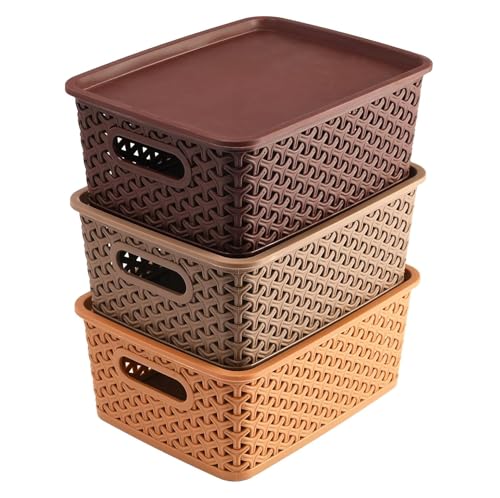
mDesign Stackable Plastic Storage Box with Secure Latch
- ✓ Secure latch to prevent toddler opening
- ✓ Stackable design for under-sink storage
- ✓ Fits standard laundry detergent bottles and pod boxes
* We earn a small commission — at no extra cost to you.
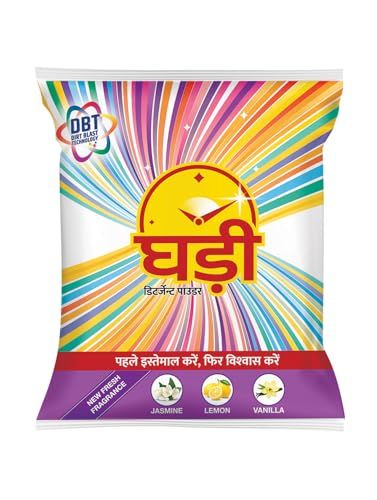
Ghadi Laundry Powder (500g) – Fragrance-Free
- ✓ No artificial fragrance or optical brighteners
- ✓ Lower surfactant concentration than pods
- ✓ IAP-safe for homes with infants
* We earn a small commission — at no extra cost to you.
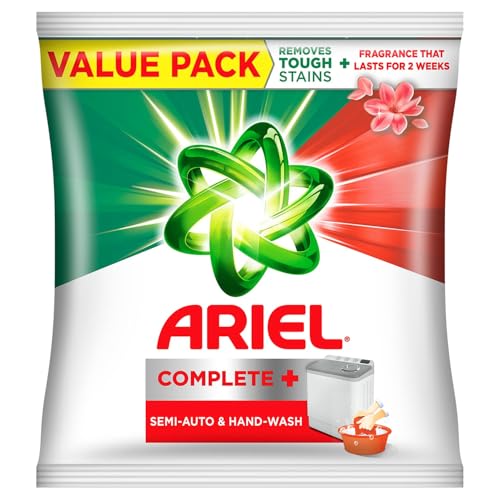
Ariel Complete Wash Powder (1kg)
- ✓ Powder form (lower toxicity than pods if ingested)
- ✓ Enzyme-based formula for tough stains
- ✓ Available at all Indian supermarkets
* We earn a small commission — at no extra cost to you.