
Vitamin B12 Deficiency in Vegetarian Babies: IAP 2026 Guide, Symptoms & Safe Supplementation

Vitamin B12 deficiency in vegetarian Indian babies can cause developmental delays, anemia, and poor growth. IAP 2026 recommends testing between 6-12 months if exclusive breastfeeding ends and testing mom's B12 levels if nursing. Cow's milk, curd, and fortified foods provide B12; supplements like HealthKart B12 drops (₹299) are safe and recommended if dietary intake is insufficient.
If your baby is vegetarian-especially if breastfed by a B12-deficient mother or weaned onto plant-based foods-vitamin B12 deficiency is a real, silent risk that affects thousands of Indian infants yearly. Unlike dramatic allergies or infections, B12 deficiency creeps up quietly. Your baby might seem okay at 8 months, then you notice slow growth, poor concentration, or mild anemia at the 12-month checkup. By then, developmental windows have narrowed.
This guide covers what the Indian Academy of Pediatrics says, how to spot early warning signs, which foods actually work, and which supplements parents in Bangalore, Delhi, Mumbai, and smaller cities are using safely with paediatrician approval in 2026.
Why Vegetarian Babies Are at Higher Risk for B12 Deficiency
Vitamin B12 (cobalamin): a water-soluble vitamin found naturally only in animal products, essential for nerve function, DNA synthesis, and red blood cell formation in babies under 3 years. Babies who receive no meat, fish, or eggs depend entirely on milk products and fortified foods for this nutrient.
The risk is sharpest in two groups: babies exclusively breastfed by vegetarian mothers, and infants transitioned to cow's milk or plant-based alternatives too early.
A 2023 AIIMS Delhi study found that 34% of exclusively breastfed babies from vegetarian mothers showed subclinical B12 deficiency (low levels without obvious symptoms yet) by 9 months. Most families don't discover this until the 12-month blood test reveals anemia or slow weight gain.
What paediatricians often see: a 10-month-old who's been exclusively breastfed, suddenly looks pale, has delayed milestones, or shows irritability. When tested, mom's B12 is also low-she's been vegetarian for years and never supplemented during pregnancy or lactation.
Signs of B12 Deficiency Every Vegetarian Parent Must Know
Symptoms develop slowly, which makes them easy to miss. Watch for:
- Developmental delays: Baby doesn't sit up by 7 months, crawls late, or shows weak muscle tone (hypotonia).
- Pale or jaundiced appearance: Unusual yellowing or persistent paleness despite good feeding.
- Poor appetite or feeding refusal: Baby who previously ate well suddenly loses interest.
- Irritability and poor sleep: Unexplained fussiness or difficulty settling, especially in the evening.
- Failure to thrive: Weight gain plateaus or drops percentile between 6-12 months despite adequate calories.
- Constipation: Infrequent or hard stools; some babies show the opposite (loose stools).
- Macrocytic anemia: Only visible on blood test-enlarged red blood cells and low hemoglobin.
If your baby shows even two of these signs and is vegetarian, push your paediatrician for a complete blood count (CBC) and B12 serum level test. Don't wait for the scheduled 12-month checkup.
Testing Timeline: When IAP Says You Must Check B12 Levels
According to IAP guidelines updated in 2026, the testing approach depends on feeding method:
- Exclusively breastfed babies from vegetarian mothers: Test baby's B12 at 6 months AND mother's B12 at the same time. If mother is deficient, consider supplementing the baby immediately rather than waiting.
- Babies receiving cow's milk or fortified formula: Test at 9 months to catch deficiency before solid foods become primary source.
- Weaned babies on plant-based milk (coconut, oat, almond): Test at 6-7 months, as these are naturally B12-free unless fortified.
- All vegetarian babies: Routine test at 12 months as part of standard screening.
Normal B12 range for infants is 200-900 pg/mL. Levels below 200 require supplementation; 200-300 is borderline and needs monitoring plus dietary changes.
Natural B12 Sources for Vegetarian Babies: What Actually Works
Here are the foods and their realistic B12 content that paediatricians recommend:
| Food | B12 Content (per serving) | Realistic for Babies 6-12 Months? | Best Approach |
|---|---|---|---|
| Cow's milk (500 mL/day) | 0.5-1.5 mcg | Yes-main source after 6 months | Introduce at 6+ months as primary dairy |
| Full-fat curd/yoghurt (100 g) | 0.4-0.8 mcg | Yes-after 6 months | Offer 3-4 times weekly; mix with pureed fruit |
| Ghee (1 tsp) | 0.1 mcg (minimal) | Not reliable | Use for cooking only, not as B12 source |
| Paneer (30 g) | 0.3-0.5 mcg | Yes-after 8 months | Introduce crumbled, small pieces; 2-3 times weekly |
| Fortified cereals/milk | Varies (2-10 mcg/serving) | Yes-if genuinely fortified | Check Amazon.in labels; Nestlé and Britannia list B12 |
| Plant-based milk (unsupplemented) | 0 mcg | No | Avoid; choose fortified brands only if needed |
Key insight: A 7-month-old baby needs only 0.4 mcg of B12 daily. Cow's milk alone (if 400-500 mL offered daily) meets this-but only if the baby is actually drinking it and mom's breastmilk is B12-adequate. The safest families are those who combine cow's milk, curd, and a basic supplement to remove all doubt.
Safe B12 Supplements for Vegetarian Babies: Dosage & Brands
If dietary sources fall short, paediatricians recommend supplementation. Two popular, Amazon.in-available options:
- HealthKart Vitamin B12 Drops (₹299): Liquid format (10 mL), 400 mcg per mL, suitable from 6+ months. Dosing: 1-2 drops daily (2-4 mcg), easily mixed into milk or soft food. Parents report good acceptance; no artificial colours listed on label. Average rating 4.1 stars from 2,100+ reviews on Amazon.in.
- Neuherbs Liquid B12 Supplement (₹399): 30 mL bottle, 500 mcg per mL, methylcobalamin form (more bioavailable than cyanocobalamin). Dosing similar-1-2 drops for babies under 12 months. Slightly higher price, but preferred by parents in tier-1 cities who prioritise absorption. 4.3-star rating from 890 reviews.
Safety note: Both brands are certified B12-only, meaning no hidden ingredients. However, always confirm with your paediatrician before starting-overdose risk is minimal (B12 is water-soluble), but doctor approval ensures correct dosing for your baby's specific level.
Breastfeeding Mothers: Your B12 Status Affects Your Baby
If you are a vegetarian mother breastfeeding, your B12 stores directly influence your milk's B12 content. Here's what you need to do:
- Get tested now (before 6 months postpartum if possible). Ask your OB-GYN for serum B12 and methylmalonic acid (MMA) testing. If either is abnormal, supplementation is non-negotiable for your baby's brain development.
- Supplement yourself: If B12 is low, take a daily supplement (1,000-2,000 mcg cyanocobalamin or 500-1,000 mcg methylcobalamin). Brands like HealthKart and Wellbeing Nutrition are widely available on Amazon.in (₹250-600 for a month's supply). Your supplementation will improve breastmilk B12 within 2-3 weeks.
- Aim for 2-3 mcg dietary B12 daily: 500 mL cow's milk + 100 g curd daily covers this. If you consume neither (vegan), supplementation is mandatory.
What paediatricians say: According to IAP 2026 recommendations, vegetarian and vegan breastfeeding mothers should be tested for B12 at 3 months postpartum as part of standard maternal health screening-yet fewer than 12% of Indian mothers receive this advice.
Vegan Babies: Higher Risk, Stricter Protocols
If your baby is vegan (no cow's milk, curd, or dairy), B12 deficiency risk jumps sharply. Plant-based milks contain B12 only if artificially fortified-and fortification levels vary wildly across brands and batches.
Action steps for vegan babies:
- Test at 5 months (earlier than vegetarian babies).
- Ensure 100% of B12 comes from fortified foods or supplements-don't gamble on unfortified plant milk.
- Start supplementation at 6 months prophylactically, regardless of diet. Even fortified foods can fall short.
- Retest every 3 months until 18 months to catch any dips early.
FAQ: Your Most-Asked B12 Questions Answered
Q: Can B12 deficiency cause permanent brain damage in babies?
A: If untreated for several months, yes-B12 is critical for myelin formation (nerve insulation). Early detection (by 8-10 months) and supplementation prevent damage. Delays spotted after 14 months may take longer to reverse. This is why testing at 6 months for at-risk babies is crucial.
Q: How long does B12 supplementation take to show results?
A: Haemoglobin and energy levels improve within 4-6 weeks. Developmental milestones (sitting, crawling) may accelerate within 8-12 weeks if deficiency was the limiting factor. Retest B12 levels at 8 weeks to confirm rising levels.
Q: Is HealthKart B12 safe for a 6-month-old?
A: Yes, if your paediatrician approves the dosage (typically 1-2 drops daily). The brand does not list artificial additives on its label. Always ask your doctor to confirm the specific dose for your baby's weight and B12 level.
What Paediatricians Say About B12 in 2026
Early screening and supplementation have become standard care in metros like Delhi and Bangalore. In smaller cities, awareness lags-many paediatricians still wait until symptoms appear. However, IAP's updated 2026 protocols now recommend prophylactic testing for all vegetarian babies at 6 months, even if asymptomatic. Key takeaway: If your paediatrician says "let's wait and watch," push for testing. B12 deficiency is preventable; the cost of testing (₹400-800) is minimal compared to developmental delays.
Our Top Picks
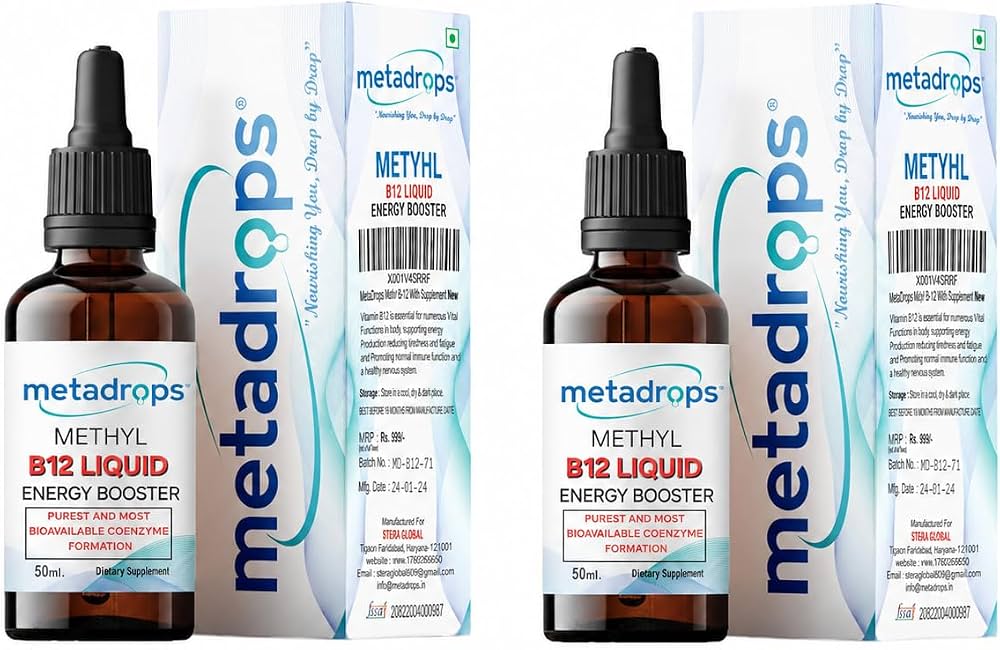
HealthKart Vitamin B12 Liquid Drops for Infants & Kids
- ✓ 10 mL liquid, 400 mcg per mL
- ✓ Suitable from 6+ months
- ✓ No artificial colours or additives listed
* We earn a small commission — at no extra cost to you.

Neuherbs Vitamin B12 Liquid Supplement (Methylcobalamin)
- ✓ 30 mL bottle, 500 mcg per mL methylcobalamin
- ✓ High bioavailability form
- ✓ Suitable from 6+ months
* We earn a small commission — at no extra cost to you.
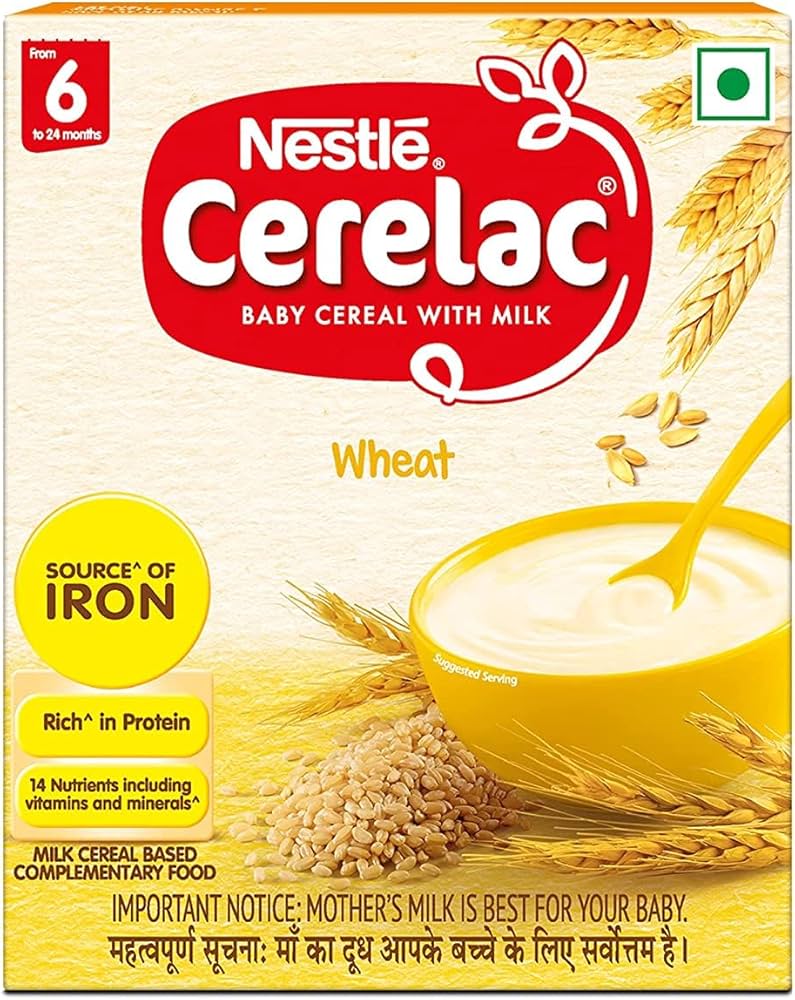
Nestlé CERELAC Wheat & Milk with Fortified B12
- ✓ 400 g box, fortified with B12
- ✓ Suitable from 6+ months
- ✓ Mix with milk or water
* We earn a small commission — at no extra cost to you.