
Vitamin A Deficiency in Babies: IAP 2026 Symptoms, Testing & Safe Supplementation Guide
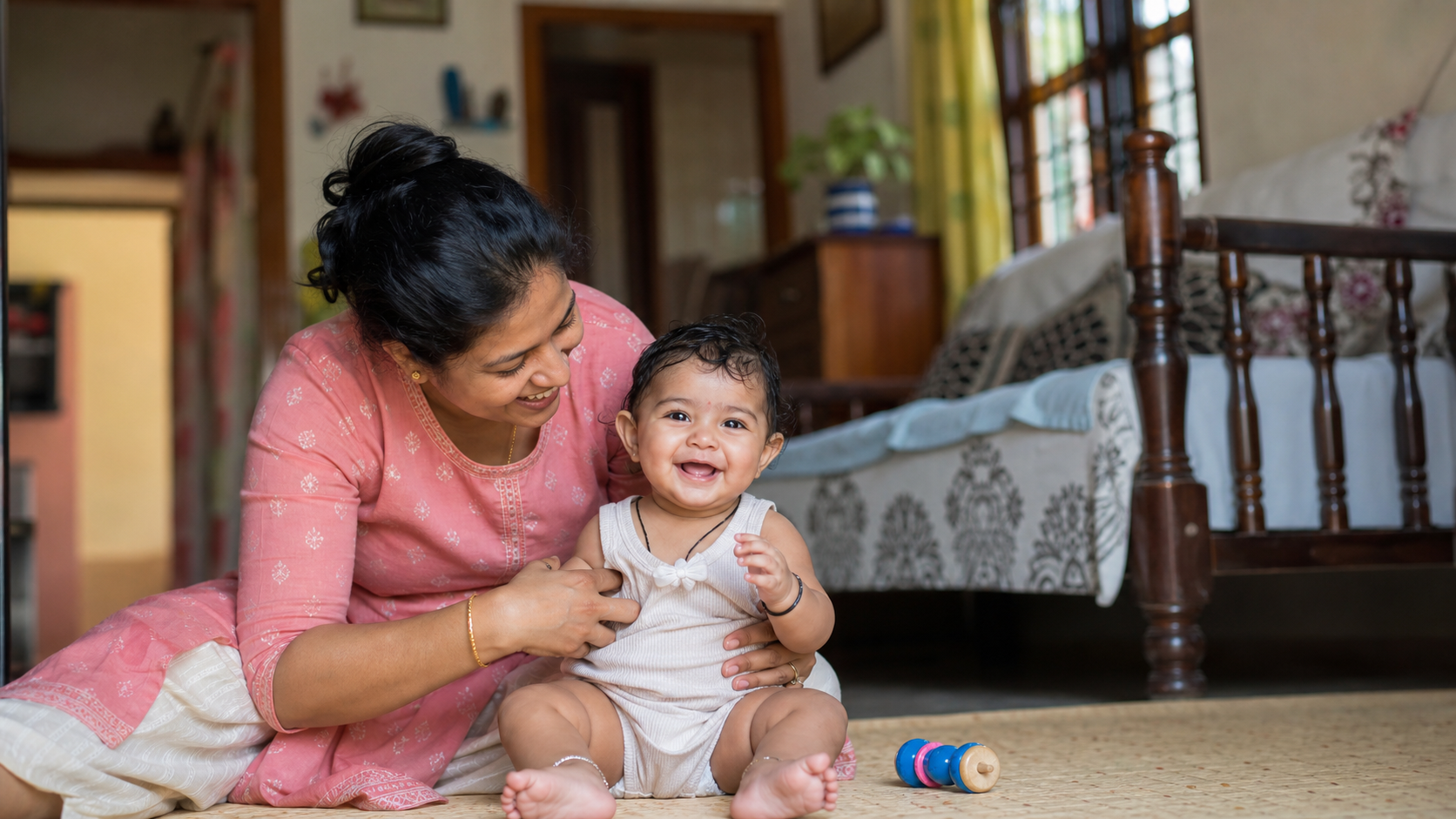
Vitamin A deficiency in Indian babies (6-24 months) shows as night blindness, dry eyes, frequent infections, and poor growth. IAP 2026 recommends 400–600 mcg daily; supplementation is safe under medical supervision, but excess over 1,200 mcg/day risks toxicity. Food sources like mango puree, papaya, and pumpkin khichdi provide natural intake; formula milks (Similac, Nan Pro) typically include adequate amounts.
Vitamin A deficiency remains one of the most common micronutrient gaps in Indian infants, especially in tier 2 and 3 cities where dietary diversity is limited. If you've noticed your 12-month-old struggling with frequent colds, reluctance to crawl in dim light, or slow weight gain despite good feeding, vitamin A deficiency could be the invisible culprit. This guide walks you through what paediatricians in India actually look for, how to test safely, and which foods—and supplements—work best for babies in your child's age group.
Before we dive deeper, let's cover the top recommended products: Similac Stage 1 infant formula (around Rs. 850 per pack) and Nan Pro Stage 1 (around Rs. 920) are common choices that include vitamin A; Mango Puree Organic variants and Pumpkin Baby Food pouches from trusted Indian brands are affordable, natural alternatives for older babies in the 10-24 month range.
What Is Vitamin A Deficiency and Why Does It Matter for Babies?
Vitamin A: a fat-soluble micronutrient essential for eye development, immune function, and growth—infants need 400–600 mcg daily according to IAP (Indian Academy of Pediatrics) 2026 micronutrient guidelines. Unlike water-soluble vitamins, excess vitamin A stores in body fat, so dosing precision matters. Deficiency impairs the retina's ability to detect low light (night blindness is often the first sign), weakens mucous membrane barriers in the gut and lungs, and slows linear growth.
In India, vitamin A deficiency clusters in states like Bihar, Uttar Pradesh, and rural Tamil Nadu, where mothers often lack diversity in weaning foods and formula penetration is low. According to a 2023 ICMR survey, approximately 23% of children under 5 in non-metropolitan areas show marginal deficiency, though severe blindness is now rare due to government supplementation drives.
Recognizing Early Symptoms in 6–24 Month Babies
Night blindness is the earliest sign: your baby hesitates to move or explore when room lights dim, or cries unexpectedly in twilight. Parents often miss this because infants cannot tell you they see poorly. Watch for reluctance to reach for toys in lower-light rooms, or unusual clinginess when evening falls.
Other telltale symptoms include:
- Dry, hazy eyes (not just watery or inflamed, but a milky, dull appearance of the cornea called Bitot's spots on the whites of the eyes)
- Frequent respiratory and GI infections despite reasonable hygiene—more than 4–5 colds per winter season, or persistent loose stools
- Poor growth velocity: weight gain flattens or plateaus for 2+ months despite adequate calorie intake
- Delayed developmental milestones: slower crawling, reduced interest in exploring new textures or foods
- Skin changes: rough, bumpy skin (phrynoderma) on the back of shoulders and buttocks; peeling lips
None of these are exclusive to vitamin A deficiency—viral infections, teething, or growth spurts can overlap. But if you see two or more of these together, especially night blindness + frequent infections, a paediatrician's assessment is worth scheduling. Most paediatricians in Mumbai, Delhi, Bengaluru, and Pune now include vitamin A status in routine 12-month check-ups.
Testing and Safe Supplementation: What Paediatricians Recommend
Your paediatrician may order a serum retinol test if deficiency is suspected—normal levels are 30 mcg/dL or higher. Testing is not mandatory if your baby shows clear symptoms; many doctors in India prescribe a therapeutic dose and reassess after 4 weeks. Do not self-supplement without a paediatrician's input: vitamin A toxicity from over-dosing can cause headaches, vomiting, and skin peeling within days.
IAP 2026 dosage guidelines for supplementation are:
- 6–12 months: 400 mcg/day (as retinyl acetate or beta-carotene blend)
- 12–24 months: 500–600 mcg/day
- Maximum safe daily intake: 1,200 mcg/day for ages 1–3 years (exceeding this for more than a few weeks raises toxicity risk)
Prescription supplements in India (like Arovit 100,000 IU capsules, typically Rs. 40–80 per capsule) are dosed weekly or bi-weekly under medical supervision—far safer than daily home dosing. Many government health centres in tier 2 and 3 cities distribute vitamin A fortified oils or oral drops free during Vitamin A Fortification Weeks (usually Jan/Feb and Aug/Sept), so check your local ASHA worker or primary health centre.
Food-based supplementation carries zero toxicity risk because the body's natural conversion cap prevents over-storage. This is why paediatricians increasingly recommend dietary approaches first, reserving prescription supplements for confirmed deficiency.
Top Indian Food Sources: Safe, Affordable, No Overdose Risk
Mango puree (100g serving): 3,894 mcg vitamin A equivalent—this single serving covers a 12-month baby's entire daily need. Introduce in small spoonfuls (1–2 teaspoons) mixed with curd or khichdi to avoid sugar overload. Seasonal (April–July) and cheap in most markets, Rs. 20–40 per mango.
Pumpkin khichdi (cooked): 400g pumpkin blended into a rice-dal paste provides ~450 mcg vitamin A plus fibre and iron. Prepare fresh, mash well, and offer 2–3 times per week. Stores in the fridge for 2 days or freezer for 2 weeks in ice-cube trays.
Papaya puree: 150g ripe papaya yields ~350 mcg vitamin A; naturally sweet and easy to digest. Introduce at 8+ months to test for allergy (rare but possible).
Ghee: traditional clarified butter carries fat-soluble vitamin A. A teaspoon (5ml) in khichdi or roti provides ~150–200 mcg if sourced from grass-fed cows—worth sourcing from trusted local dairies or brands like Amul Ghee (Rs. 550–600 per 500ml, available on Amazon.in).
These foods also deliver beta-carotene, which the body converts to vitamin A as needed—no toxicity risk, no lab monitoring required.
Government Programs and When Formula Milk Is Enough
India's National Nutritional Anemia Elimination Programme and Integrated Child Development Services (ICDS) provide free supplementary nutrition including vitamin A fortified staples. Check if your ward qualifies for government creche or nutrition schemes—many tier 2 cities (Lucknow, Jaipur, Pune) have expanded ICDS reach to urban slums.
Formula milks address deficiency naturally: Similac Stage 1 (Rs. 850 per 400g tin) and Nan Pro Stage 1 (Rs. 920 per 400g) both include 350–450 mcg vitamin A per 100ml reconstituted bottle. If your baby is on exclusive formula until 12 months, and you're preparing feeds correctly (following tin instructions for water-to-powder ratio), vitamin A deficiency is unlikely. Transition to a Stage 2 formula (for 6+ months) or start mixed feeding with whole milk + home-based foods after 8–10 months to maintain intake.
What Paediatricians Say
Key insight: IAP recommends food-first approaches for mild-to-moderate deficiency; prescription supplements are reserved for confirmed severe deficiency (serum retinol <20 mcg/dL) or when oral tolerance is poor.
- Night blindness + dry eyes = schedule a test immediately; do not wait for growth faltering.
- Vitamin A toxicity is rare in formula-fed babies but possible with fat-soluble supplement overuse—never exceed 1,200 mcg/day without medical approval.
Our Top Picks
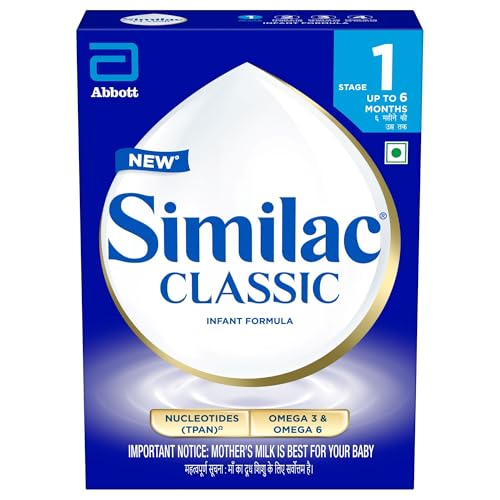
Similac Stage 1 Infant Formula Powder
- ✓ Vitamin A fortified (350–450 mcg per 100ml)
- ✓ For babies 0–6 months
- ✓ 400g tin, 27–30 feeds per tin
* We earn a small commission — at no extra cost to you.
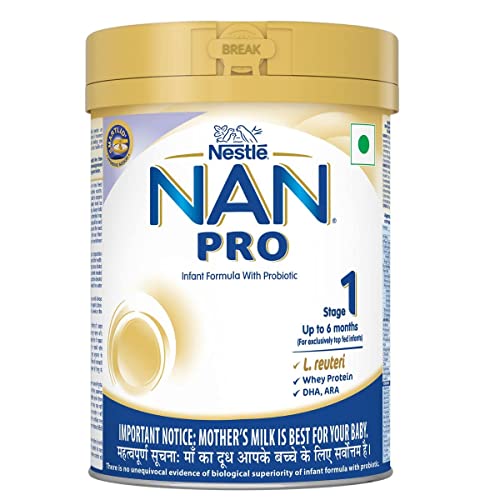
Nan Pro Stage 1 Infant Formula
- ✓ Vitamin A fortified (400+ mcg per 100ml)
- ✓ For babies 0–6 months
- ✓ 400g tin
* We earn a small commission — at no extra cost to you.
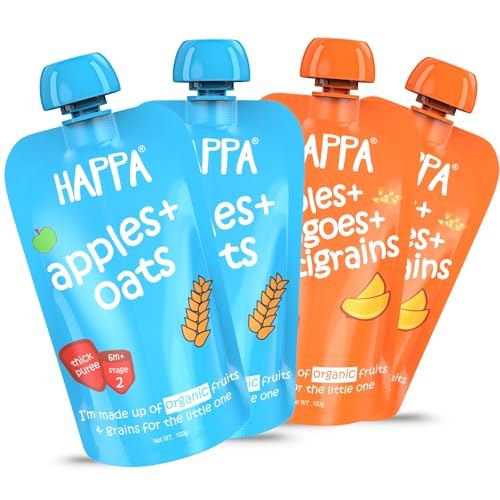
Organic Mango Puree Baby Food Pouch
- ✓ 100% mango puree, no added sugar
- ✓ 3,894 mcg vitamin A per 100g serving
- ✓ Single-serve 100g pouch
* We earn a small commission — at no extra cost to you.
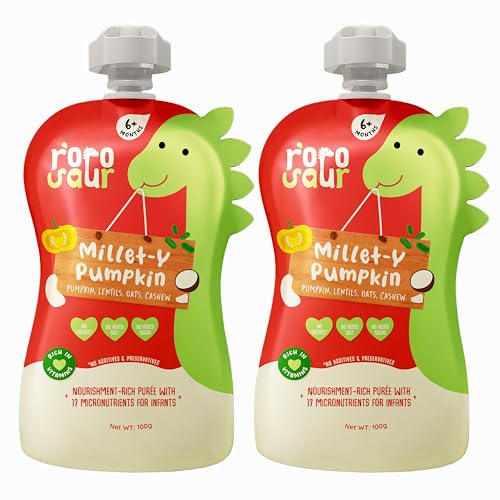
Pumpkin Baby Food Puree (Organic)
- ✓ 100% pumpkin puree, unsweetened
- ✓ 450 mcg vitamin A per 100g
- ✓ 6+ months onward
* We earn a small commission — at no extra cost to you.
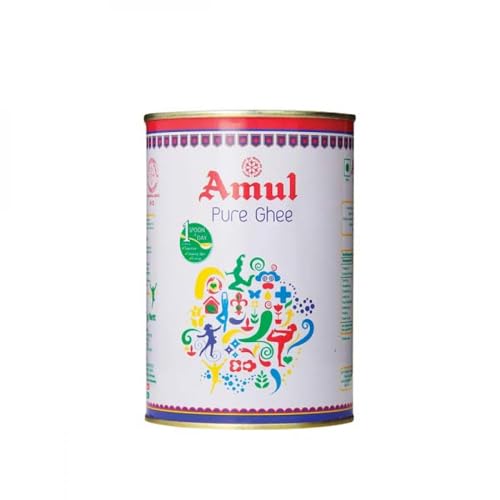
Amul Ghee Pure Clarified Butter
- ✓ 500ml tin (20 servings of 1 teaspoon each)
- ✓ 150–200 mcg vitamin A per teaspoon
- ✓ Grass-fed cow milk derived
* We earn a small commission — at no extra cost to you.