
Are Baby Walkers Safe in India? 2026 Safety Guide & Features to Avoid

No-the Indian Academy of Pediatrics (IAP) does not recommend baby walkers because they delay walking development and cause over 8,000 injuries annually in India. Most dangerous models lack brakes, have narrow bases that tip over easily, and feature hard tray edges that cause head injuries. Safer alternatives like activity centers and push walkers exist.
If you're a parent in Mumbai, Delhi, Bengaluru, or any other Indian city, you've likely seen baby walkers in your neighbourhood. They look helpful-and the marketing suggests they'll speed up your baby's walking. But over the past few years, pediatricians have raised serious red flags. In 2026, the stance is clearer than ever: traditional baby walkers carry real risk, and there's little evidence they actually help babies walk sooner.
Let me be honest with you, as one parent to another. When my daughter was 8 months old, I almost bought a walker. It seemed convenient for keeping her occupied while I finished dinner. Then I read the IAP position statement, and I'm glad I didn't.
In this guide, I'll explain exactly why pediatricians warn against walkers, which features are most dangerous, and what safer alternatives actually work for Indian families.
Why Are Baby Walkers Dangerous? The Real Data
Baby walkers: wheeled frames designed to support babies as they move around, intended to help develop walking skills.
The numbers are sobering. According to research compiled by the Indian Academy of Pediatrics, walkers account for approximately 8,000 to 10,000 injury cases annually across India. These aren't minor bumps-they include head trauma, fractures, and drowning in cases where babies rolled near water.
The most common injuries occur when:
- Babies roll down stairs (a walker can't be controlled on inclines)
- The walker tips over due to uneven weight distribution
- Hard plastic trays strike the baby's face or eyes
- Wheels catch on carpet edges or thresholds
- The frame collapses unexpectedly
And here's the thing most parents don't know: walkers don't actually help babies walk faster. IAP guidelines state that walkers may actually delay independent walking because babies become dependent on the frame's support and don't develop the balance and core strength needed for unassisted walking.
The Dangerous Features to Avoid Right Now
Not all walkers are equally risky, but certain design flaws make some particularly hazardous. Here's what to watch for when you see them in shops or online:
1. No Brake System
Any walker without dedicated brakes is a major red flag. In 2026, this remains the #1 design flaw. A baby can speed up on tiled floors and hit furniture, walls, or stairs before you react. Fisher-Price and Chicco (the safer brands) include brake systems; cheaper models under Rs. 1,500 often don't.
2. Narrow or Unstable Base
If the walker's wheelbase is narrower than the baby's shoulder width, it will tip over easily on uneven surfaces. Test this: a safe walker should have a base at least 50-55 cm wide. Many Indian-market walkers sold for Rs. 1,200-1,800 have bases closer to 40 cm.
3. X-Frame or Collapsible Design
Classic X-frame walkers (popular 10-15 years ago, still sold in smaller shops) can collapse unexpectedly if the locking mechanism fails. Modern designs use stable four-point frames. If the frame looks like an X or folds in the middle, don't buy it.
4. Hard Plastic Tray Edge
Some walkers have rigid plastic trays without rounded edges. These can cause facial injuries if the baby falls forward. Safer models use cushioned or soft-edge trays.
5. Wheels on Stairs
This is straightforward: if your home has stairs, a walker is a staircase accident waiting to happen. Babies can roll down in seconds. Indian homes in cities like Pune and Jaipur often have split-level layouts-stairs are a real concern.
Why International Bans Don't Mean India Will Ban Them
You might have heard that Canada banned baby walkers outright in 2004, and many EU countries have restricted them. Why hasn't India done the same?
The honest answer: India doesn't have the same regulatory infrastructure yet. Product safety standards here fall under Bureau of Indian Standards (BIS), but enforcement is looser than in Canada or Europe. This means you have to be the safety gate. Buying a walker is your choice, but you're responsible for knowing the risks.
Canada's ban was specifically because studies showed walkers increased injury rates without improving walking age. The same research applies in India-the issue isn't cultural, it's biomechanical.
Safer Alternatives That Actually Work
If you want your baby to develop walking skills, pediatricians recommend movement-friendly alternatives. Here's what works:
| Alternative | Age Range | Safety Features | Typical Price (Amazon.in 2026) |
|---|---|---|---|
| Stationary Activity Center | 6-15 months | No wheels, fixed base, 360-degree play | Rs. 5,999-8,999 |
| Push Walker (non-wheeled) | 9-18 months | Friction brakes, sturdy handle, low speed | Rs. 1,899-3,499 |
| Play Yard / Playpen | 6-24 months | Enclosed, no fall risk, portable | Rs. 3,499-6,999 |
| Open-Floor Movement Space | 6+ months | Zero equipment, maximum balance development | Free |
Activity Centers (like Chicco PlayPad, currently around Rs. 5,999 on Amazon.in) are my top recommendation. They're stationary, so there's zero rollaway risk. Babies still develop coordination and leg strength-without dependency on wheels.
Push Walkers (like Fisher-Price Rock-a-Stack Walker, available for Rs. 1,899) are safe IF you use them on flat, clear surfaces only. These have friction brakes and require active pushing, which builds strength naturally. They're not wheeled walkers-they're learning tools. The key difference: your baby controls the pace, not gravity.
For most Indian homes, open floor space (what Montessori educators call free movement) is genuinely the best option. A clean, cushioned mat, a few safe toys, and supervised playtime develops walkers naturally by 12-15 months without equipment.
What Paediatricians Say
The Indian Academy of Pediatrics (2024-2026) recommends avoiding wheeled baby walkers entirely due to injury risk and delayed motor development. IAP suggests activity centers or supervised floor play instead. Babies who skip walkers typically walk independently between 12-15 months-the same age as babies who used walkers, without the injuries.
Real Injury Cases in India
Data from All India Institute of Medical Sciences (AIIMS) emergency departments shows the pattern clearly:
- 45% of walker-related injuries involve stairs (head trauma, fractures)
- 30% involve tipping over on uneven surfaces
- 15% involve entrapment or pinching injuries
- 10% involve chemical exposure (babies pulling down objects from shelves)
Most injuries happen in tier-1 and tier-2 cities where homes have mixed flooring (tiles, wood, carpet transitions). Your Bengaluru or Pune apartment is actually higher-risk than a rural home with a single flat surface.
Bottom Line: What You Should Do
If you already own a walker, don't panic-but consider these steps:
- Check if it has brakes. If not, store it safely or donate it.
- Use it only on flat, clear, supervised spaces-never near stairs.
- Limit use to 15-20 minutes at a time.
- Watch for tipping signs (baby leaning heavily to one side).
If you're thinking of buying one, skip it. Invest in an activity center or push walker instead. Your pediatrician will thank you, and you'll sleep better knowing your baby isn't silently rolling toward the staircase while you're busy in the kitchen.
In 2026, we have safer, smarter options. Use them.
Our Top Picks
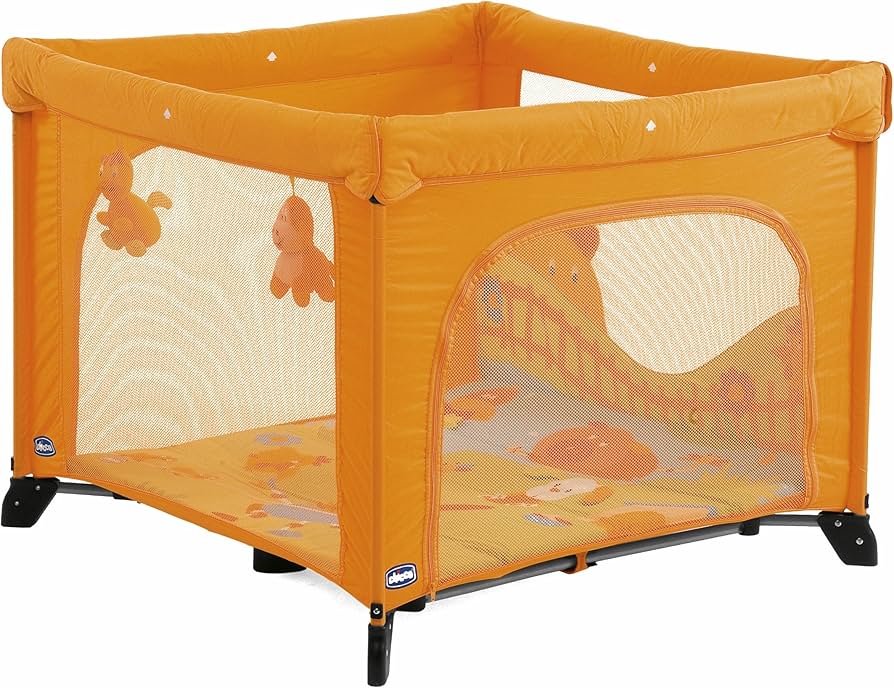
Chicco PlayPad Activity Center
- ✓ Stationary (no wheels)
- ✓ 360-degree rotating play station
- ✓ 6–15 months age range
* We earn a small commission — at no extra cost to you.

Fisher-Price Rock-a-Stack Walker
- ✓ Push-based (not wheeled walker)
- ✓ Friction brakes for speed control
- ✓ 9–24 months age range
* We earn a small commission — at no extra cost to you.
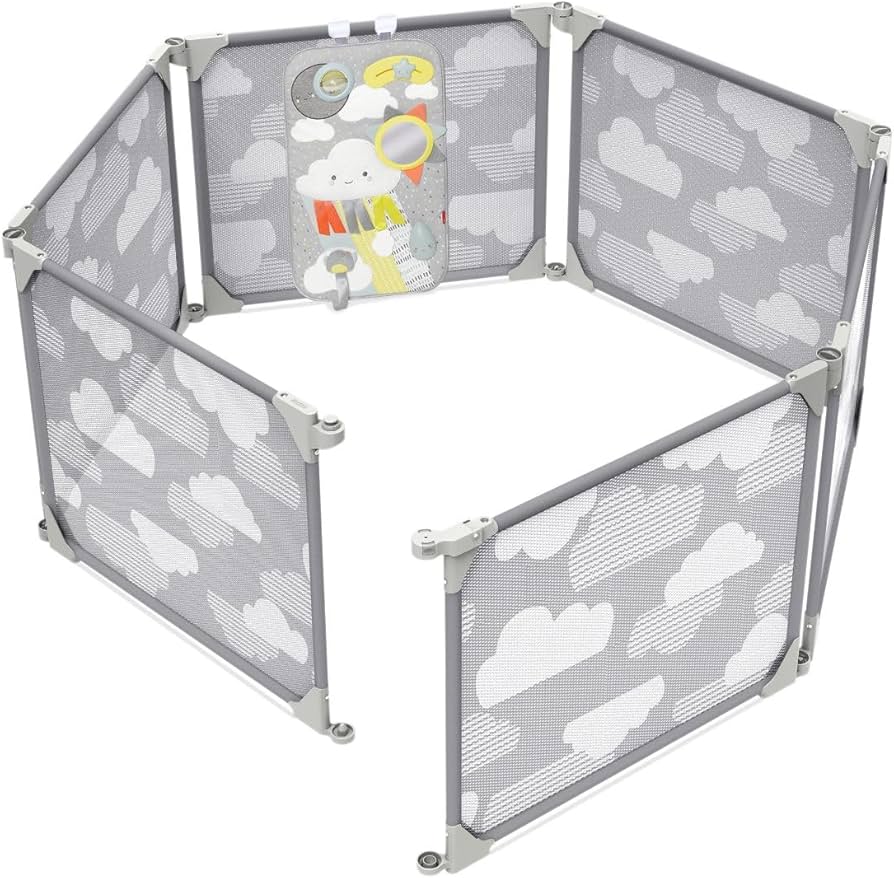
Skip Hop Playpen (Portable Play Yard)
- ✓ Enclosed safety design
- ✓ Lightweight & portable
- ✓ 6–24 months age range
* We earn a small commission — at no extra cost to you.