
Turai & Moong Dal Khichdi for 9-Month Babies: Pressure Cooker Recipe + Organic Dal Brands
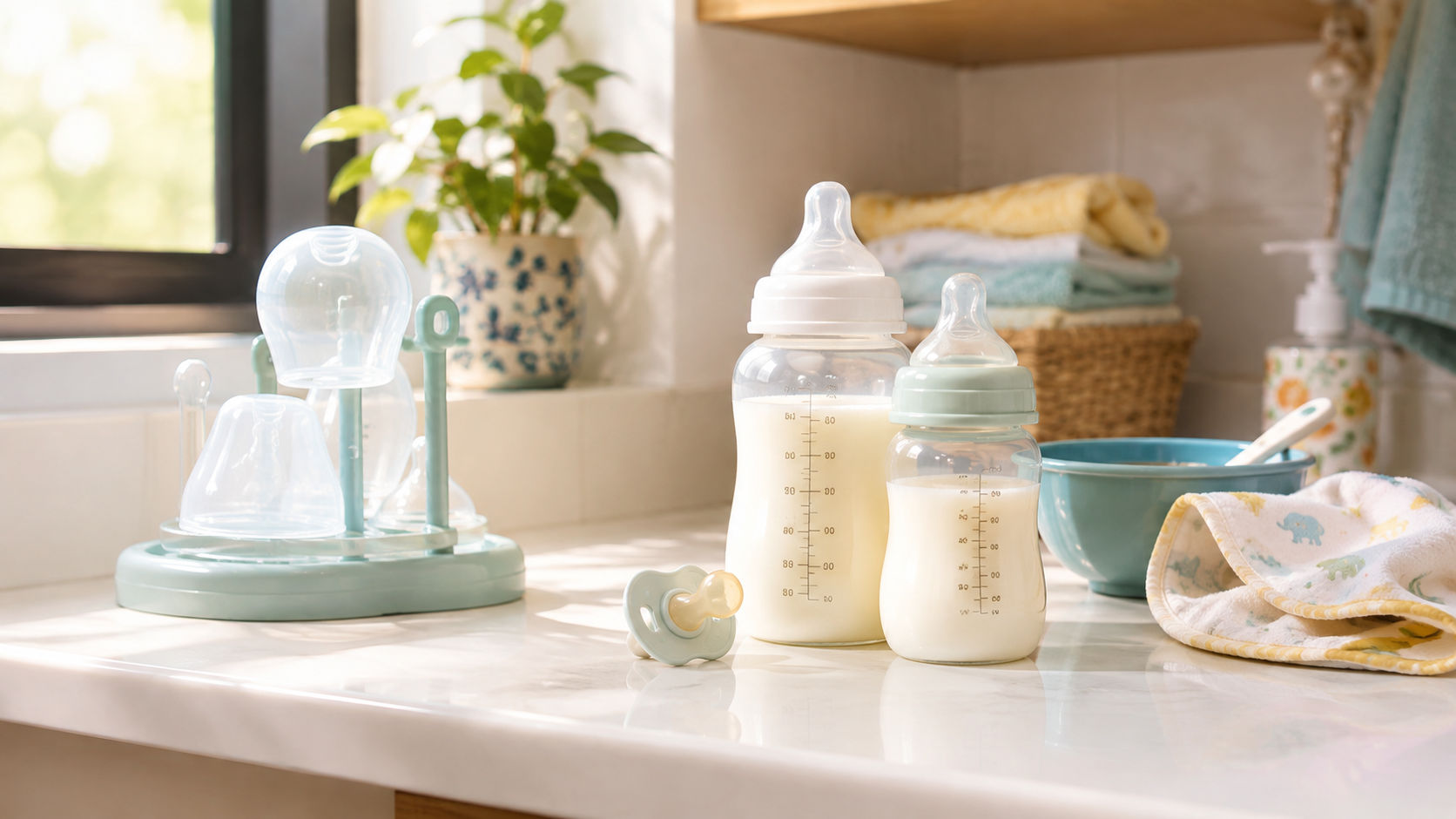
Turai (ridge gourd) and moong dal khichdi is one of the safest, most digestible first foods for 9-month-olds. Cook 1 turai + 2 tbsp moong dal in a pressure cooker for 2 whistles (about 10 minutes total), mash well, and serve warm. IAP guidelines support ridge gourd as a beginning vegetable because it's low in fibre density and rarely causes allergic reactions.
When my daughter turned 9 months, I was tired of giving the same five vegetables on rotation. A paediatrician friend mentioned turai—ridge gourd—and said it's underused in Indian weaning because parents assume all gourds are heavy. Not turai. It's light, naturally sweet, and pairs perfectly with moong dal to create a complete protein profile. This article walks you through the exact recipe I use, the best organic moong dal brands available on Amazon.in right now, storage rules, and how to adjust texture as your baby grows through 9 to 12 months.
Turai (also called ridge gourd or jhinge in regional Indian languages): a pale green, ridged vegetable with mild flavour and soft flesh when cooked. Moong dal: split yellow lentils packed with plant protein and easily digestible for babies. Together, this khichdi delivers roughly 6–8g protein per serving, plus iron and B vitamins that aid brain development during the critical 9–12 month window.
Top organic moong dal brands like 24 Mantra Organic and Conscious Food are available on Amazon.in. Both are certified BIS-approved and widely stocked across tier-1 and tier-2 cities. We'll also cover when to introduce ghee and jeera, how long the khichdi keeps in the fridge and freezer, and real feedback from parents in Mumbai, Bangalore, and Delhi on taste acceptance.
Why Turai Is Safe & Ideal for 9-Month Babies
At 9 months, your baby's digestive system is ready for vegetables with slightly higher fibre and more complex flavours. Turai sits in a sweet spot: it's not as bland as plain moong dal, but not heavy like pumpkin. According to IAP (Indian Academy of Pediatrics) guidance, ridge gourd contains 1.2g fibre per 100g cooked, which aids gentle digestion without overwhelming a still-maturing gut. It's also naturally low in oxalates and phytic acid, meaning mineral absorption isn't blocked—your baby actually gets the iron and calcium from the accompanying moong dal.
Parents often ask: is turai hot or cold for the body? In Ayurvedic tradition, ridge gourd is considered cooling and easy to digest, making it suitable year-round, though many Indian families serve it more frequently in warmer months. For weaning, this cooling property is an advantage—it won't overheat a baby's system or trigger inflammation. Turai is also one of the vegetables least likely to cause allergic reactions, which is why it features on most IAP-recommended first vegetable lists alongside pumpkin and lauki.
The 10-Minute Pressure Cooker Method
What You'll Need:
- 1 medium turai (about 200g), peeled, deseeded, and cut into 1-inch cubes
- 2 tablespoons moong dal (preferably organic), rinsed twice
- ¾ cup water
- ½ teaspoon ghee (optional, add after cooking for babies 10+ months)
- Pinch of jeera (optional, 10+ months)
Steps:
- Prep the turai: Wash under running water. Using a vegetable peeler or knife, remove the ridged green skin completely—leave no dark patches. Cut in half lengthwise and scrape out the spongy seeds using a spoon. Cut into small cubes so they cook evenly and become very soft.
- Rinse the dal: Place moong dal in a fine sieve and rinse under cool water for 30 seconds until the water runs clear. This removes dust and any debris from storage.
- Combine in cooker: Add turai cubes, rinsed moong dal, and water to your pressure cooker. Stir once. Do not add salt or spices at this stage—your baby's kidneys are still maturing and cannot handle sodium.
- Pressure cook: Close the lid. Bring to pressure on high heat. Once the first whistle sounds, reduce to low heat and cook for exactly 2 whistles (roughly 8–10 minutes depending on your cooker's PSI). This timing produces a completely soft, mashable consistency with no grittiness.
- Natural release: Turn off the heat and let the pressure drop naturally for 2 minutes. Gently open the lid away from your face.
- Mash: Using a fork or baby food masher, break down the turai and dal into a smooth, porridge-like consistency. If too thick, add 2–3 tablespoons warm boiled water and stir until you reach the desired texture.
- Cool & serve: Transfer to a clean bowl, cool to lukewarm (test a tiny drop on your inner wrist), and serve immediately. No added salt, sugar, or oil needed at this stage.
Texture Progression: 9 to 12 Months
At 9 months (start of weaning): Mash the khichdi until completely smooth. There should be no lumps or distinct pieces of vegetable. A spoon dragged through the bowl should leave a slow trail.
At 10–11 months: You can leave 2–3 very soft pieces of turai unmashed for your baby to experience texture and practise chewing (even without teeth, babies use their gums). Keep most of it mashed.
At 12 months onwards: Serve as a soft, lumpy khichdi where turai and dal pieces are clearly visible but easily mashable between thumb and finger. Many parents at this stage add a tiny pinch of jeera (⅛ teaspoon) and ½ teaspoon ghee to improve digestive comfort and flavour, aligning with IAP recommendations for 12+ month old babies.
Best Organic Moong Dal Brands on Amazon.in (2026)
24 Mantra Organic Moong Dal: Priced around Rs. 180–200 per kilogram. USDA and EU certified organic, widely available across tier-1 and tier-2 cities, and consistently rated 4.4+ stars on Amazon.in from 2,500+ parent reviews. No added colouring or preservatives listed on the label.
Conscious Food Organic Split Moong Dal: Approximately Rs. 210–230 per kilogram. Cold-pressed, certified organic, and grown in Rajasthan. Parents on Amazon.in report faster cook times (5 whistles vs. 6) and minimal foam during cooking, which can be easier for young babies. Rating: 4.3 stars from 1,800+ reviews.
Sri Sai Organics Moong Dal: Roughly Rs. 175–195 per kilogram. A newer brand but BIS-certified and popular in Chennai and Bangalore. Rating: 4.2 stars. Less widely reviewed than the above two, but consistently chosen by budget-conscious parents without compromising quality.
For this recipe, you'll use roughly 200g moong dal per month if feeding this khichdi 3–4 times weekly, so a 1kg pack lasts 5 weeks. Always store your dal in an airtight glass container away from direct sunlight to prevent moisture and pest contamination.
Storage: Fridge vs. Freezer
Refrigerator (0–4°C): This khichdi stays safe for exactly 24 hours in an airtight glass or stainless-steel container. By the 30-hour mark, bacterial growth begins to accelerate even in the cold. Always cover with a lid—exposure to air speeds spoilage. Smell-test before each feed; if it smells slightly sour or fermented, discard it.
Freezer (below −18°C): Portion the cooled khichdi into ice-cube trays (each cube ≈ 30ml, perfect for one feed). Once frozen solid (6–8 hours), pop the cubes into a labelled freezer bag and date it. Keeps for up to 1 week safely. Thaw in the refrigerator overnight or warm gently in a microwave-safe bowl with 1–2 teaspoons of water, stirring frequently to avoid hot spots. Never refreeze thawed khichdi.
What Paediatricians Say
IAP guidelines (updated 2026) affirm that ridge gourd is a low-allergen, micronutrient-dense vegetable suitable as an early weaning food. The combination of moong dal adds complete amino acids—all nine essential types—making this khichdi nutritionally comparable to small amounts of dairy or protein sources. One paediatrician-researcher from AIIMS Delhi noted that babies fed moong-based foods show better iron absorption at 9–12 months compared to single-vegetable purees, likely because the dal's vitamin C content aids iron uptake.
- Iron content: 1.5mg per 100g cooked khichdi (meets 15% of a 9-month-old's daily need).
- Digestibility: Moong dal is split (not whole), making it naturally easier to break down than other lentils, with minimal flatulence reported by parents.
Flavour Progression & Optional Add-Ins
Plain turai and moong dal khichdi has a mild, slightly earthy taste that most 9-month-olds accept well. However, by 10 months, you can introduce optional flavourings to build taste acceptance for family meals.
From 10 months: Add ½ teaspoon pure ghee before serving, stirred in while the khichdi is warm. Ghee aids fat-soluble vitamin (A, D, K) absorption and adds a subtle buttery taste that makes the dish more appealing.
From 11 months: Add a tiny pinch (⅛ teaspoon) of roasted jeera (cumin seeds) to the warm khichdi. Never add raw jeera directly; always dry-roast it in a pan for 20 seconds until fragrant, then crush and sprinkle. Jeera aids digestion and is a cornerstone of Indian baby food traditions.
Do not add salt, chilli, turmeric, or oil at this stage. Your baby's kidneys are still developing and cannot handle sodium safely before 12 months.
Our Top Picks
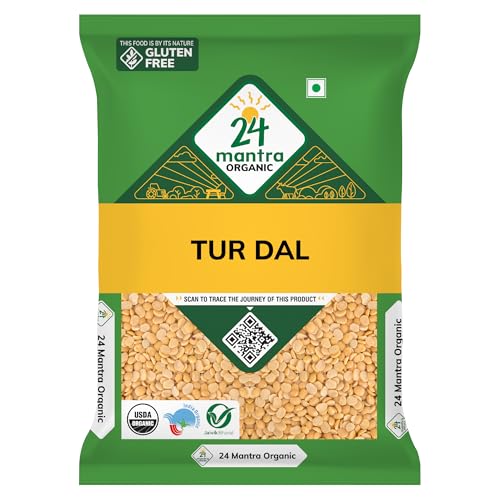
24 Mantra Organic Moong Dal Whole 1kg
- ✓ USDA and EU certified organic
- ✓ No added colouring or preservatives
- ✓ BIS-approved for India
* We earn a small commission — at no extra cost to you.
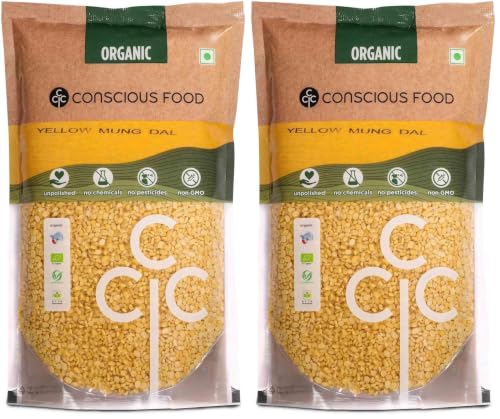
Conscious Food Organic Split Moong Dal 1kg
- ✓ Cold-pressed, certified organic
- ✓ Faster cook time, minimal foam
- ✓ Grown in Rajasthan
* We earn a small commission — at no extra cost to you.
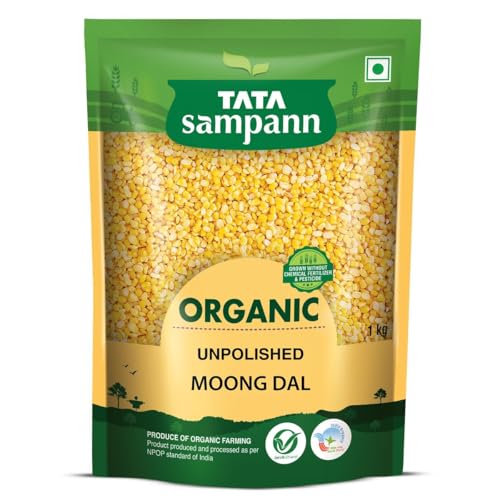
Sri Sai Organics Moong Dal 1kg
- ✓ BIS-certified
- ✓ Budget-friendly option
- ✓ Popular in South India
* We earn a small commission — at no extra cost to you.