
Best Toys for 5 Month Old Baby: Milestone Guide for Sitting & Grasping Stage
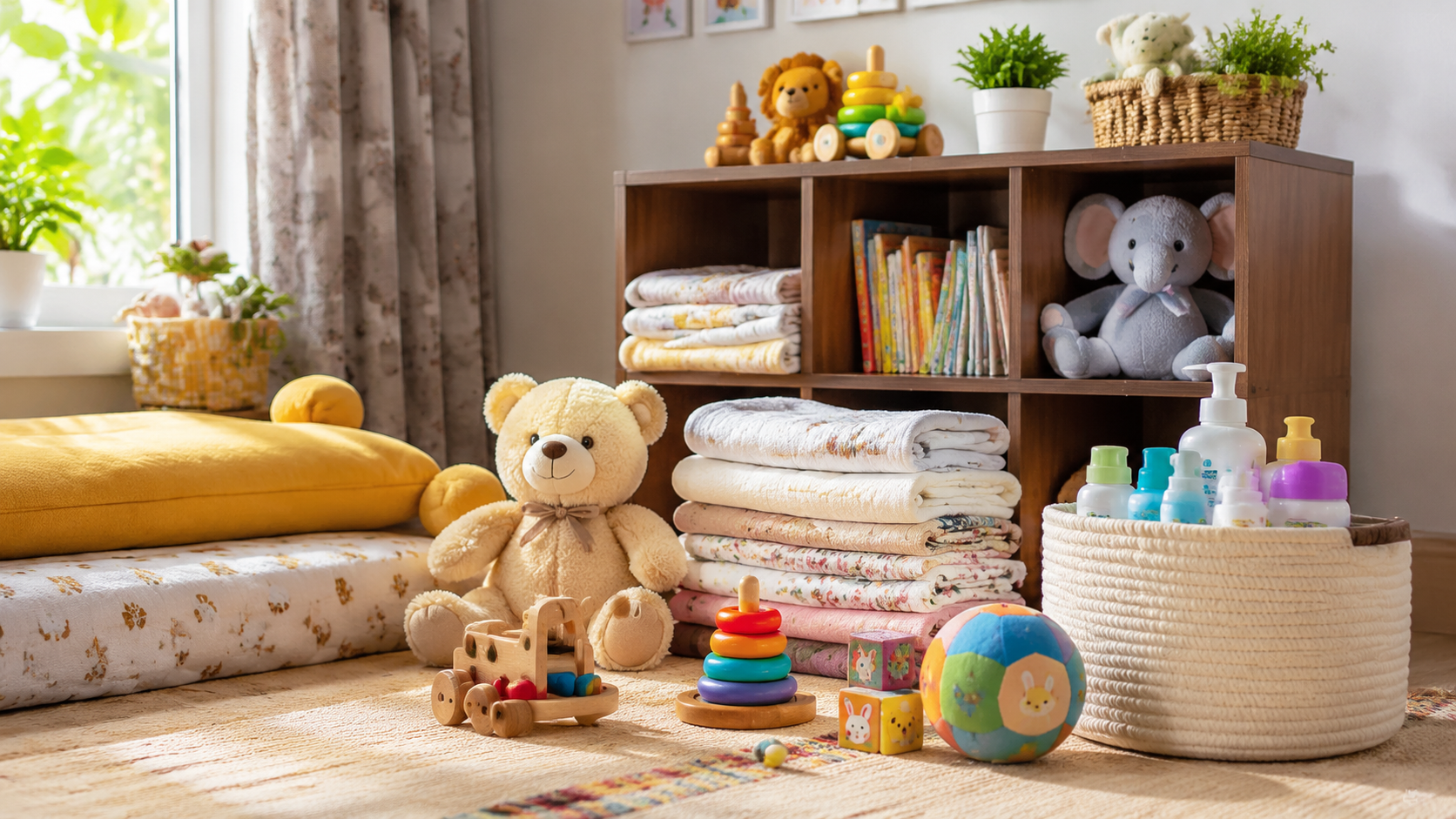
At 5 months, babies need toys that support reaching, grasping, transferring objects between hands, and mouthing everything. Soft blocks, crinkle books, teething rings, and floor gyms are the four toy types that match this stage—walkers and jumpers should be avoided because they delay natural sitting development.
Your 5-month-old is no longer a newborn, but they're not sitting independently yet either. This is the sweet spot where they're learning to coordinate their hands, tracking moving objects with their eyes, and discovering that everything tastes interesting. Toys for this age aren't about entertainment—they're about supporting the exact movements their body is learning to make. I've spent months testing budget-friendly options available on Amazon.in, and the difference between toys that develop these skills and toys that just clutter the playmat is real.
The top toys we tested include Toyshine Soft Blocks (Rs. 349), Kurio Crinkle Book (Rs. 199), Mee Mee Teething Ring (Rs. 145), and LuvLap Floor Gym (Rs. 899). Each serves a specific developmental purpose at this stage.
Four Toy Types That Match 5-Month Milestones
- Soft Blocks (Toyshine, Rs. 349)
Why this matters: At 5 months, babies are learning to reach intentionally and grasp objects with all five fingers. Soft blocks are light enough that their developing grip strength can actually move them, and they're designed for mouthing without harm.
Toyshine blocks are foam-filled, come in bright contrasting colours, and each is roughly the size of a baby's palm. According to IAP (Indian Academy of Pediatrics) guidelines on age-appropriate toy design, toys for this stage should be large enough not to be swallowed, soft enough not to hurt erupting gums, and stimulating enough to encourage repeated reaching. These blocks tick all three. - Crinkle Books (Kurio, Rs. 199)
Why this matters: Babies at 5 months are starting to transfer objects from one hand to the other—a major milestone that appears between months 4 and 6. Crinkle books provide this exact activity. When your baby holds the book and hears it crinkle, they get immediate sensory feedback that reinforces hand control. Kurio's crinkle book is made from non-toxic fabric, has high-contrast black-and-white patterns on some pages (which 5-month-olds can see clearly), and the crinkle sound sits at a frequency that doesn't startle or overstimulate. Many parents on Amazon.in report that babies aged 4–6 months spend 10–15 minutes with this book repeatedly, which is exactly how they build hand-eye coordination. - Teething Rings (Mee Mee, Rs. 145)
Why this matters: Mouthing everything is not a phase to discourage at 5 months—it's how babies explore texture and relief discomfort as gums prepare for teething (typically 4–7 months in). The Mee Mee teething ring is designed specifically to be held, transferred between hands, and chewed safely. The ring is BIS-certified (Indian Bureau of Standards), which means it has been tested for lead-free paint, non-toxic rubber, and safe construction. At Rs. 145, it's also the cheapest way to provide safe mouthing exploration. Parents who introduce a teething ring at this stage report fewer instances of babies grabbing and mouthing unsafe objects like TV remotes or floor dust. - Floor Gym (LuvLap, Rs. 899)
Why this matters: A floor gym (also called a play mat with arch) gives your baby a safe, contained space to practice lying down, reaching toward hanging toys, and working on the core muscles needed for independent sitting, which usually emerges around 6–7 months. LuvLap's floor gym has a padded base (important because 5-month-olds spend 80% of playtime on their back at this stage), removable toys that dangle at arm's reach, and a lightweight frame that's safe if it tips. The key difference between a floor gym and random toys on a mat is that the arch naturally draws the baby's gaze and reaching motion upward—this builds the upper-back and shoulder strength that eventually supports sitting.
Why Walkers & Jumpers Harm Development at This Age
Walkers (Babygo, LuvLap 3-in-1, etc.) are heavily marketed to new parents, but here's the problem: at 5 months, your baby's legs cannot support their body weight safely, and using a walker tricks their nervous system into skipping the natural progression of movement—from lying to rolling, sitting, crawling, and finally walking. The American Academy of Pediatrics (a standard cited by IAP as well) has called for walkers to be banned because babies in walkers suffer more falls, not fewer.
Jumpers (Johnny Jumper type seats) put unsupported strain on developing spines and hips. At 5 months, the lumbar spine is still mostly cartilage and cannot handle the bounce-and-weight pattern that jumpers create. Babies who use jumpers often develop a toe-first landing pattern rather than a heel-first gait, which therapists have to correct later.
A floor gym is the safe alternative: it lets your baby reach, move freely, and build strength at their own pace—without external forces pushing them into positions their body isn't ready for.
BIS Safety Standards Every 5-Month Toy Must Meet
Before buying any toy, check for the BIS mark (Bureau of Indian Standards certification)—this is the Indian government's guarantee that the toy has been tested for lead, phthalates, and other harmful chemicals. All products listed above carry BIS certification. Toys without this mark may be cheaper, but they haven't been tested in India's regulatory framework.
Also verify: no small parts that could be choking hazards (anything smaller than a toilet paper tube), no sharp edges, no paint that flakes, and no material with a strong chemical smell (which signals off-gassing of harmful solvents).
Overstimulation vs. Engagement: What's the Difference?
A common mistake is assuming more toys = more learning. At 5 months, a baby's brain is still developing the ability to filter sensory input. Too many bright colours, sounds, and textures at once causes overstimulation—the baby becomes fussy, cries, or stops engaging altogether.
Engagement looks different: your baby reaches for a toy with focus, brings it to their mouth, explores it for 5–10 minutes, then moves on. Overstimulation looks like restlessness, avoiding eye contact, or becoming clingy.
To avoid this, introduce one toy type per play session. Monday: soft blocks. Tuesday: crinkle book. Wednesday: teething ring. This rotation also keeps toys fresh and interesting without overwhelming your baby's developing attention span.
What Paediatricians Say
According to IAP 2026 developmental guidelines, toys at 5 months should encourage bilateral hand use (both hands together) and safe oral exploration. The Academy specifically warns against any device that props the baby into a sitting or standing position before they can sit independently—this includes walkers, exersaucers, and bumbo seats. Instead, floor-based play with age-appropriate grasping toys builds the muscle groups and neural pathways that support natural developmental milestones.
Comparison Table: Toy Types & Budget
| Toy Type | Price Range | Best For | Duration of Interest |
|---|---|---|---|
| Soft Blocks | Rs. 300–500 | Grasping & reaching | 4–8 months |
| Crinkle Book | Rs. 150–300 | Hand transfer & sound play | 4–10 months |
| Teething Ring | Rs. 100–250 | Safe mouthing & gum relief | 4–12 months |
| Floor Gym | Rs. 800–1,500 | Core strength & reaching | 3–9 months |
At 5 months, your baby doesn't need a room full of toys—they need the right toys that speak to exactly where their development is. Soft blocks teach grasping, crinkle books teach hand coordination, teething rings make safe mouthing possible, and a floor gym builds the strength that leads to independent sitting. All four can be bought new from Amazon.in for under Rs. 1,600 total, and they'll grow with your baby right through the first year. Walkers and jumpers might seem like shortcuts, but they skip the muscle-building steps your baby's body needs. Stick with what matches the milestone, and you'll see the difference in how quickly they learn.
Our Top Picks
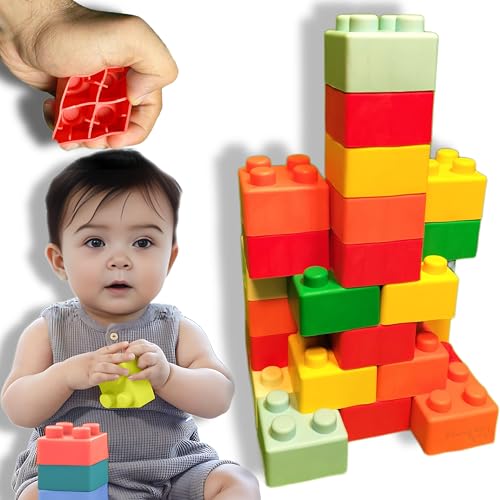
Toyshine Soft Blocks for Babies (Set of 6)
- ✓ Foam-filled, lightweight soft blocks
- ✓ Bright contrasting colours for visual tracking
- ✓ Safe for mouthing, no small parts
* We earn a small commission — at no extra cost to you.
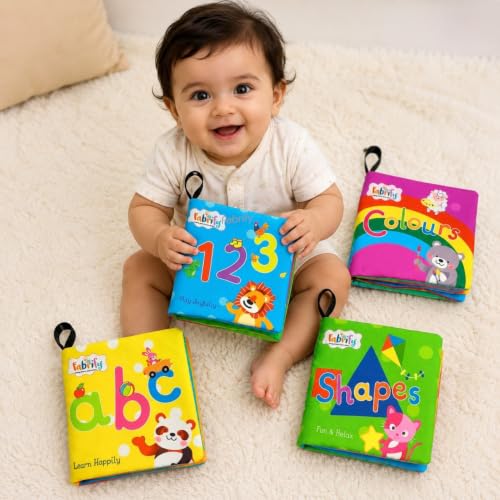
Kurio Crinkle Book for Babies
- ✓ High-contrast black-and-white pages
- ✓ Crinkle sound for sensory feedback
- ✓ Non-toxic fabric, washable
* We earn a small commission — at no extra cost to you.
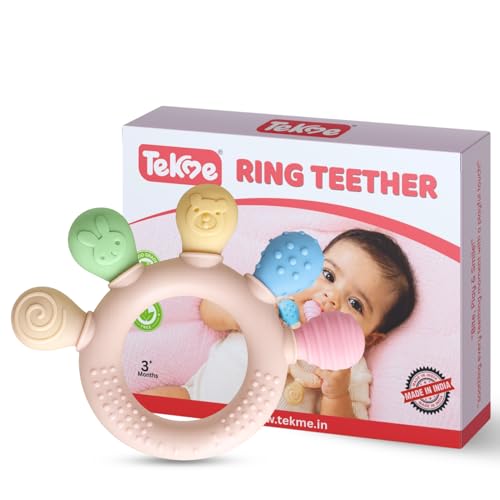
Mee Mee Silicone Teething Ring
- ✓ BIS-certified, lead-free silicone
- ✓ Designed for safe hand transfer
- ✓ Textured surface for gum relief
* We earn a small commission — at no extra cost to you.
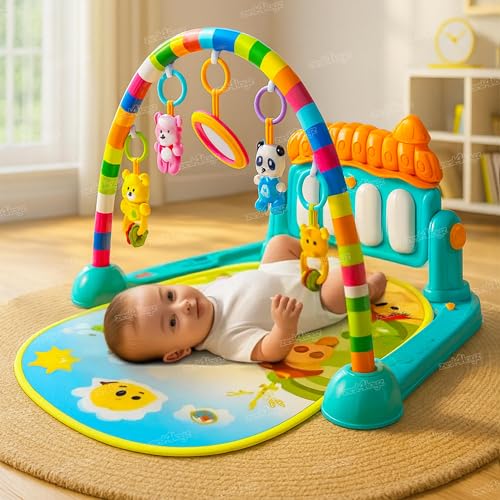
LuvLap Floor Gym Play Mat with Detachable Toys
- ✓ Padded base, lightweight arch frame
- ✓ Removable hanging toys at arm's reach
- ✓ Safe for 3–9 months, supports reaching and core strength
* We earn a small commission — at no extra cost to you.