
Best Toys for 11 Month Old Under ₹1600: Push, Stack & Sensory Setup for Crawlers
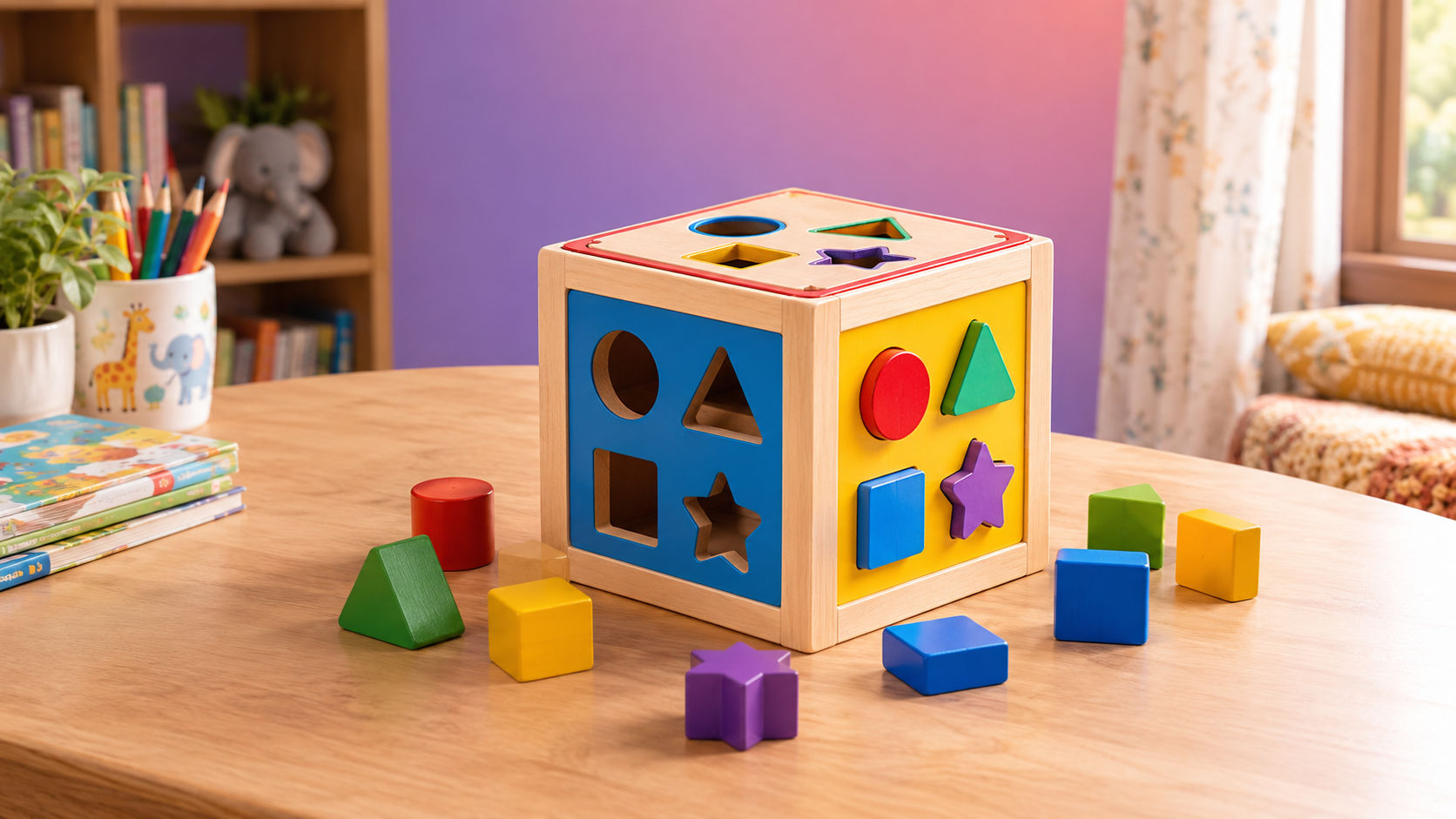
At 11 months, babies transition from crawling to standing—they need two push toys (₹450–600 each), one stacking set (₹300), a sensory ball (₹150), and a musical toy (₹400). This ₹1600 budget covers daily rotation in small flats and matches India Academy of Pediatrics motor development milestones.
Your 11-month-old is on the edge of a major milestone. Most babies at this age are crawling confidently, pulling themselves up on furniture, and cruising along the sofa—what paediatricians call the crawling-to-standing stage: the 6–12 month window when babies develop balance, hand strength, and spatial awareness. But not every toy actually works for this stage, and buying six "multi-purpose" toys wastes money and clogs your living room.
The budget here—₹1600 total—is designed around what really matters for an 11-month-old in an Indian home: durable toys that encourage standing practice, sensory exploration while crawling, and enough variety to rotate through the week without overwhelm. This article compares real products from Fisher-Price, Funskool, and Toyshine on what 11-month-olds actually use daily, what collects dust, and how to fit a serious toy setup in a 2BHK living room.
The 5-Toy Checklist for 11-Month Crawlers
- Push toy 1 (stable, slow-rolling): Teaches balance and coordination. Pick one that doesn't roll away too fast—a slow pusher prevents tumbles. Funskool's wooden walkers are the standard here because they stay upright and don't have sharp edges.
- Push toy 2 (toy with sounds/action): Motivates standing practice by offering something interesting at the other end. Pop-up pushers or toys with lights keep babies engaged longer than silent walkers.
- Stacking ring or block set: Develops hand-eye coordination and fine motor skills. Babies at this age can stack 2–3 blocks intentionally, not just knock towers down. Soft stacking sets prevent hand pinching.
- Sensory ball or textured play object: Crawlers grab, squeeze, and mouth toys still. Textured balls with different surfaces (ridges, bells, bumps) keep hands busy during floor play while parents handle quick household tasks.
- Musical or light toy: Encourages cause-and-effect play (press button → sound/light happens). Keeps older babies engaged during short supervised floor play, especially indoors on rainy days.
Which Toys Actually Get Used Daily vs. Left in the Corner?
Before spending, understand what your 11-month-old will actually reach for. Push toys are the most-used category—babies this age are obsessed with standing, so a walker they can push becomes a daily tool. Stacking sets come second; they hold attention for 5–10 minute bursts. Sensory balls fill gaps: when your baby is bored mid-morning or you're cooking, a textured ball or crinkle toy buys you 10 minutes of independent floor play.
Musical toys are the wildcard. Some 11-month-olds obsess over them; others press the button once and walk away. The budget here assumes one mid-range musical toy—enough to test if your baby engages, without overcommitting to an expensive option that may sit unused. Toys that do too much automatically (lights, sounds, motion without baby input) often bore older babies within weeks.
What doesn't work at this age: single-use toys, tiny choking hazards, toys that roll too far away (babies get frustrated chasing them), and soft toys with loose parts. IAP guidelines emphasize that toys for crawlers and pre-walkers must be large enough that babies cannot swallow them and free of detachable parts.
Budget Breakdown: ₹1600 Spread Across 5 Toys
| Category | Budget | Why This Amount |
|---|---|---|
| Push toy 1 (wood walker) | ₹500 | Funskool and Toyshine wooden walkers are ₹450–550 and last through 2–3 kids. |
| Push toy 2 (action toy) | ₹600 | Fisher-Price pushers with lights/sounds run ₹550–700 on Amazon.in. Worth the cost for daily use. |
| Stacking set | ₹300 | Silicone or wooden ring stackers, ₹250–350. Soft materials safer for hand pinching than plastic. |
| Sensory/textured ball | ₹150 | Toyshine or Funskool textured balls, ₹120–180. Often bundled with crinkle toys for value. |
| Musical toy | ₹400 | Entry-level Fisher-Price or Toyshine musical instruments, ₹350–450. Avoids premium brands for one toy. |
Best Push Toys for 11-Month Crawlers Under ₹600
The ideal push toy at this age rolls slowly (so your baby doesn't trip chasing it), has a wide base (won't tip easily), and—if possible—offers sensory feedback (sounds, lights, or texture). Funskool's wooden walkers meet all three criteria. Fisher-Price's Light-Up Crawler and Pop-Up Toy Pusher are the pricier option but worth it if your baby needs extra motivation to stand.
Why two push toys? Rotation. One stays in the living room during heavy use days; the other rotates in when interest dips. This stretches the lifespan of both and prevents boredom. An 11-month-old using the same walker every day may lose interest by month 13; switching every few days refreshes engagement.
Stacking & Sensory Play: What Develops Fine Motor Skills
At 11 months, babies can intentionally stack 2–3 objects and remove items from containers. A simple ring stacker with soft silicone rings is ideal—no hard plastic edges to pinch tiny fingers. Avoid complex stacking sets with 10+ pieces; they overwhelm this age group. Toyshine's silicone stacking rings or Funskool's wooden block sets keep play focused and safe.
Sensory balls complement stackers by keeping crawling-stage babies engaged during independent floor play. Textured surfaces—bumps, ridges, bells inside—trigger exploration and grasp development. A baby at this age will grab, squeeze, shake, and mouth toys repeatedly, so washable materials matter. Many sensory ball bundles under ₹200 include crinkle toys, teethers, and textured rattles—excellent value for variety without space cost.
Toy Rotation in Small Flats: Make ₹1600 Feel Like More
In a 2BHK, you cannot leave all five toys out daily. Rotation is essential. Store three toys in a low cabinet or basket; keep two in active play. Swap every 3–4 days. This strategy—used by parents across Delhi, Mumbai, and Bangalore—keeps baby interest fresh and your living room uncluttered. An 11-month-old doesn't remember toys left away for a week; when you bring a familiar toy back, it feels new again.
This also teaches your baby early cleanup habits. When you rotate toys, involve them: "We're putting the stacker away now. Let's get the walker." By 12 months, many babies copy this action, starting intentional tidying play.
What IAP and WHO Guidance Says
Motor Development (IAP): Babies aged 9–12 months should have daily opportunities for supported standing practice and crawling. Push toys that don't roll too fast actively support this milestone. Safety (WHO): Toys for babies under 12 months must be larger than a toilet paper roll (to prevent choking) and free of detachable small parts, lead paint, or rough edges.
When to See a Doctor
If your 11-month-old is not crawling, not showing interest in pulling to stand, or not grasping toys with purpose, mention this at the next paediatrician visit. Toy play is one indicator of motor development; delayed interest in toys can sometimes signal developmental delays worth early assessment. This is general information, not medical advice.
Our Top Picks

Funskool Wooden Walker with Wheels
- ✓ Wooden construction, smooth finish
- ✓ Slow-rolling wheels (prevents tipping)
- ✓ Age 9–12+ months
* We earn a small commission — at no extra cost to you.
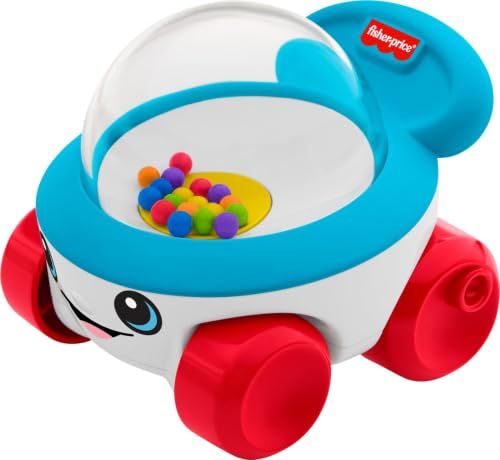
Fisher-Price Crawl Around Car Push Toy
- ✓ Light-up eyes, honking sound
- ✓ Compact, fits small flats
- ✓ Age 9–36 months
* We earn a small commission — at no extra cost to you.

Toyshine Silicone Ring Stacking Toy Set
- ✓ Soft silicone rings, no pinching risk
- ✓ Washable, BPA-free material
- ✓ Age 6+ months
* We earn a small commission — at no extra cost to you.

Funskool Textured Sensory Ball Bundle
- ✓ Multiple textured surfaces (bumps, ridges, bells)
- ✓ Lightweight, easy grip for crawlers
- ✓ Age 3+ months
* We earn a small commission — at no extra cost to you.

Fisher-Price Babys First Keyboard Musical Toy
- ✓ Press keys → sounds and lights
- ✓ Cause-and-effect play for 9–24 months
- ✓ Detachable microphone (improves engagement)
* We earn a small commission — at no extra cost to you.