
Best Baby Toys Under ₹1500 for 4–5 Month Olds: A 5-Piece Kit That Actually Works
A complete toy setup for 4–5 month babies costs ₹1,380–₹1,500 and includes five pieces: a soft cloth book (₹180), silicone teether set (₹250), wrist rattles (₹150), crinkle sensory toy (₹300), and black-white contrast cards (₹200). Each targets a specific skill—reaching, grasping, visual tracking, and mouthing—that emerges exactly at this stage.
Your 4–5 month old has just discovered their hands. They're tracking objects across the room, reaching toward anything within arm's length, and putting everything in their mouth. This is not random chaos—it's your baby's brain mapping motor control, vision, and sensory input all at once. The toys that matter now are nothing like what works at 6 months or beyond. Here's how to build a focused kit under ₹1,500 that supports these exact milestones without waste.
The 5-Piece Toy Kit: What to Buy and Why
- Soft Cloth Book (₹180)
Why this matters: At 4–5 months, your baby's vision is still developing—they see best at 15–20 cm distance and track movement more reliably than stationary objects. A soft cloth book with high-contrast images and crinkly pages gives them something to grab, mouth, and visually follow without risk. The cloth texture is safer than board books because babies are still exploring with their teeth. - Silicone Teether Set (₹250)
Why this matters: Drooling becomes intense around 4–5 months—this is not always a sign of early teething, but your baby's glands are simply maturing. Unlike plastic teethers, silicone is softer on emerging gums and easier to grip with developing hand strength. A set of 2–3 pieces in different shapes helps your baby understand cause-and-effect (grab, mouth, feel texture). - Wrist Rattles (₹150)
Why this matters: This is the stage when babies are discovering that their own limbs move in response to their brain. Wrist rattles amplify this feedback—every arm movement produces sound, which teaches cause-and-effect and keeps your baby engaged with their own body. The best designs have soft, machine-washable fabrics because everything goes in the mouth. - Crinkle Sensory Toy (₹300)
Why this matters: Multiple textures and sounds (crinkle, rattle, soft fabric) teach babies that objects have varied properties. At this age, your baby grasps toys inconsistently, so a lightweight crinkle toy keeps them engaged longer than a single-sensation rattle. Look for toys with no small parts, secure seams, and washable covers. - Black-White Contrast Cards (₹200)
Why this matters: Newborns see grayscale best until about 4 months, when color vision begins. Contrast cards bridge this gap—they're visually arresting (high black-white contrast), easy to hold or prop up, and free to rotate as your baby's focus develops. They cost almost nothing but support visual development reliably. According to IAP (Indian Academy of Pediatrics) guidelines, contrast and visual variety accelerate tracking ability between 4–6 months.
Total Kit Cost: ₹1,080–₹1,380 depending on brand and current Amazon.in pricing.
Top Brands for Budget Baby Toys in 2026
Fisher-Price dominates this price range with soft books (₹150–₹250) and teethers (₹200–₹400). Their designs prioritize safety over novelty, and products are widely available on Amazon.in with consistent pricing.
Sassy specializes in sensory toys and teethers (₹180–₹350). Their crinkle toys and silicone teethers score well for texture variety and durability, though some parents report higher shrinkage after washing.
R for Rabbit is an Indian brand offering wrist rattles and crinkle toys at ₹120–₹300. Their products are often endorsed for affordability, though review counts on Amazon.in are lower than Fisher-Price or Sassy.
LuvLap focuses on budget-friendly teethers and sensory toys (₹100–₹250). They're stocked heavily on Amazon.in and FirstCry, making them reliable for quick replacements if a toy gets lost or heavily used.
What NOT to Buy at 4–5 Months
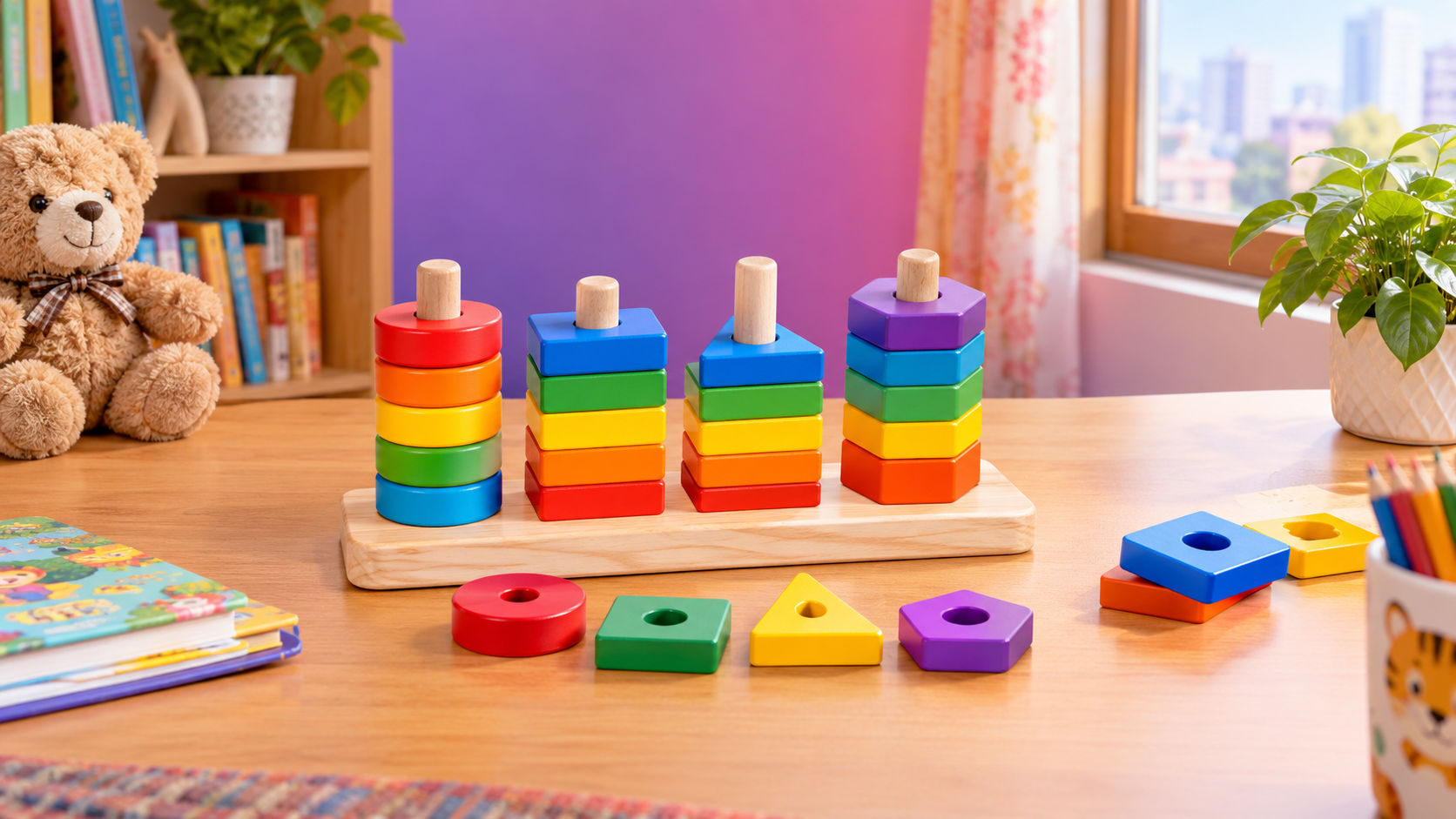
Skip toys requiring fine motor control: stacking rings, shape-sorters, and puzzle boards are for 8+ months when your baby can grasp intentionally and release on command. At 4–5 months, your baby's grasp is still reflexive—they clench whatever touches their palm, then lose interest. These toys create frustration, not learning.
Avoid toys with detachable small parts, even if labeled "age 4+." Your baby's hand-to-mouth reflex is hair-trigger right now, and choking risk is real. Stick to one-piece designs or items with securely sewn-on elements.
Skip electronic toys with preset music loops. They overstimulate at this stage and teach your baby nothing about cause-and-effect—the sound happens regardless of what your baby does. Simple rattles and crinkle toys are more educationally sound.
What Paediatricians Say
IAP recommends that 4–5 month olds need toys supporting three specific skills: hand-eye coordination (tracking and reaching), tactile exploration (safe mouthing), and cause-and-effect learning (movement = sound/sensation). Soft books, silicone teethers, and contrast cards tick all three boxes without overstimulation. Wrist rattles are particularly endorsed because they reinforce the baby's awareness of their own limbs—a critical developmental milestone.
Final Tip: Rotate toys every 3–4 days. A ₹1,500 kit used in rotation lasts longer than if all five toys are out at once. Your baby's novelty attention span at this age is about 2–3 minutes per toy; rotation keeps them engaging without needing to buy more.
Our Top Picks
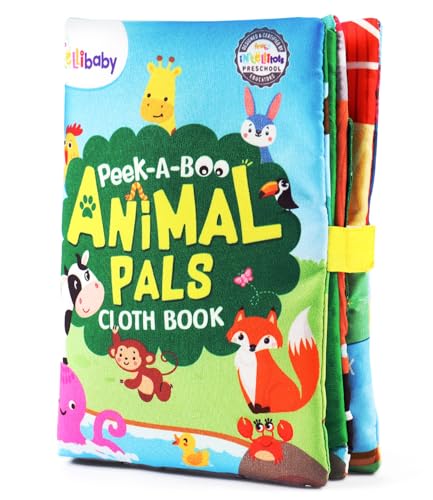
Fisher-Price Soft Cloth Book with Crinkle Pages
- ✓ Soft fabric safe for mouthing
- ✓ High-contrast images for visual development
- ✓ Crinkle and rattle sounds for sensory play
* We earn a small commission — at no extra cost to you.
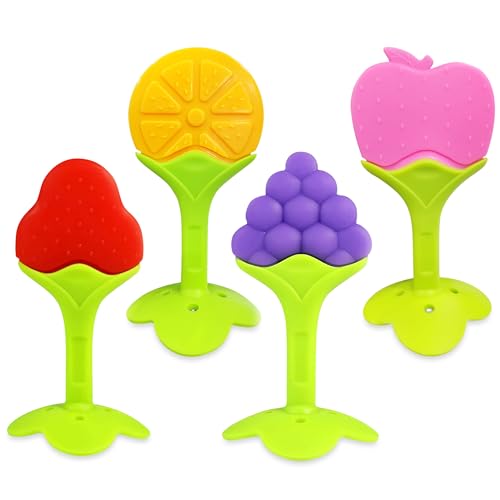
Sassy Silicone Teether Set (3-Pack)
- ✓ Food-grade silicone, BPA-free
- ✓ Three different shapes for exploration
- ✓ Easy grip for developing hand strength
* We earn a small commission — at no extra cost to you.
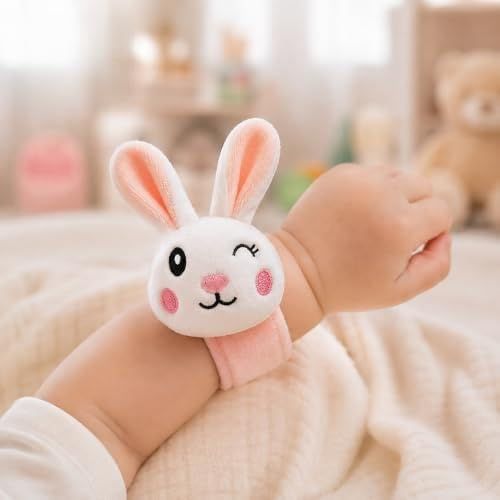
LuvLap Soft Wrist Rattles (Pair)
- ✓ Soft, washable fabric wrist bands
- ✓ Built-in rattle sound
- ✓ Secure Velcro closure, no small parts
* We earn a small commission — at no extra cost to you.
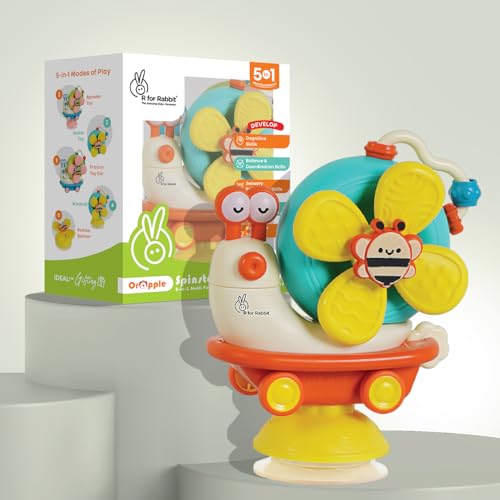
R for Rabbit Crinkle Sensory Toy with Multiple Textures
- ✓ Crinkle, rattle, and soft fabric textures
- ✓ Lightweight, easy to grip
- ✓ Removable, machine-washable cover
* We earn a small commission — at no extra cost to you.
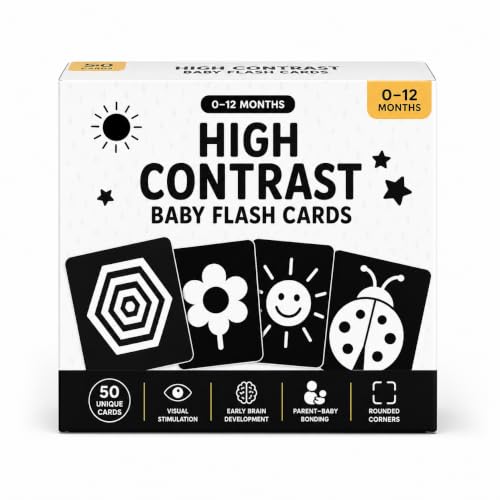
Fisher-Price Black-White Contrast Cards (Set of 12)
- ✓ High-contrast black-white patterns
- ✓ Supports visual development 4–6 months
- ✓ Durable cardstock, safe for mouthing
* We earn a small commission — at no extra cost to you.