
Toys for 18-24 Month Olds Under ₹700: 6 Budget Picks That Get Real Use
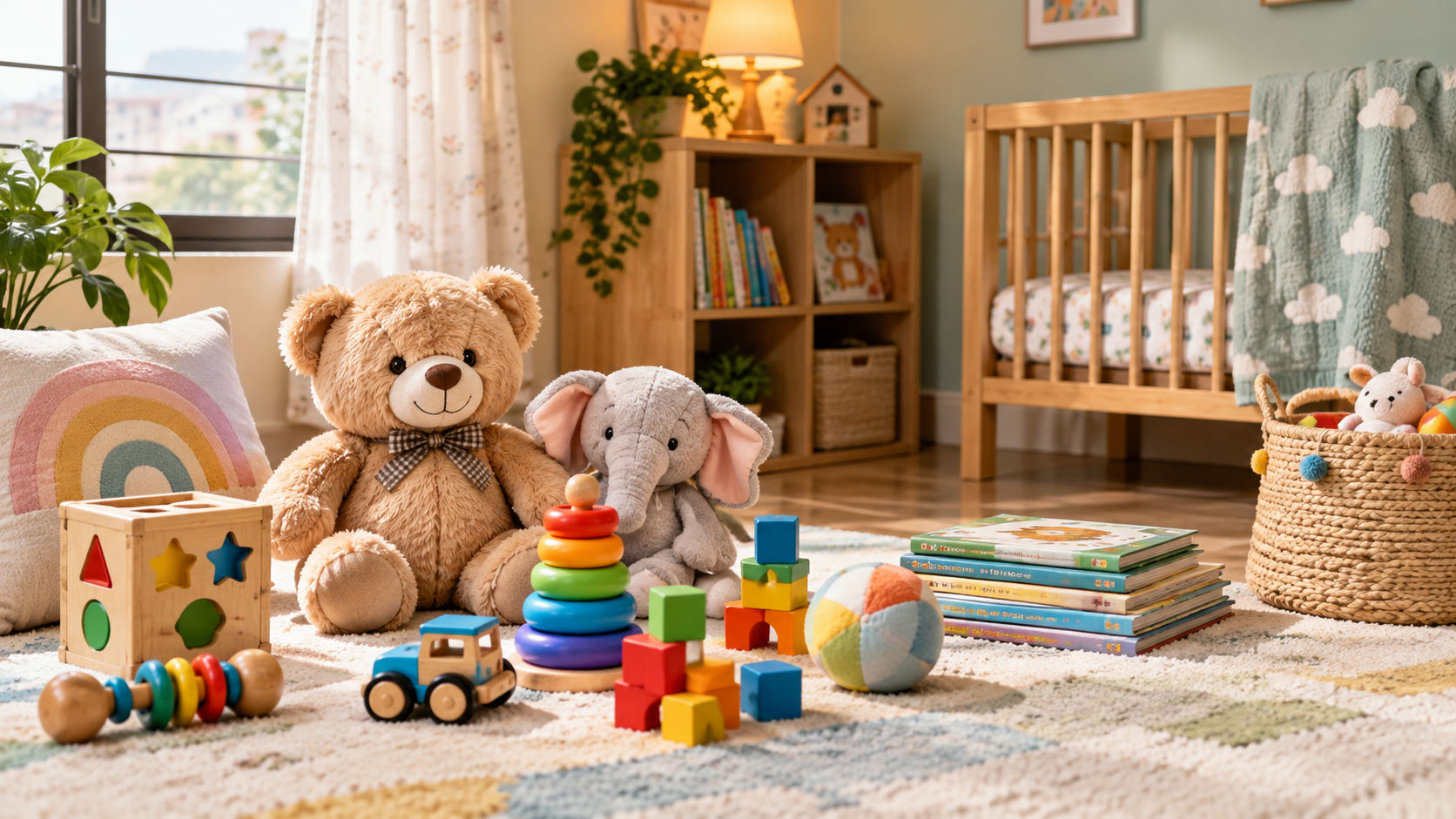
At 18–24 months, toddlers need toys that move (push toys, ₹600), sort (shape sorters, ₹450), and stack (rings, ₹300), plus sound toys (₹400) and picture books (₹350). Pretend play sets (₹700) work best after 20 months. Total starter set: ₹2,100–2,800.
If you're raising a toddler in a tier-2 city on a realistic budget, you've probably noticed that toy aisles feel designed for parents with deeper pockets. The good news: 18–24 month olds don't need expensive toys. They need toys that match what their brain is doing right now — and that often means the simpler, cheaper options win.
This guide breaks down toys for 18-24 month old budget India into six categories, each matched to what your toddler is actually developing at this age, with real Amazon.in prices and a buying order that keeps you from wasting money on premature purchases.
The 6-Toy Budget Checklist: What Each Age Actually Needs
- Push Toys (₹600–₹800): Your toddler is now steadier on their feet and wants to move things around. Push toys work whether they're walking confidently or still finding their balance. A good push toy doesn't fall apart after two months of Delhi summer or Bangalore humidity. Why this matters: this is the toy they'll use 3–5 times a day, so durability at this price point is non-negotiable.
- Shape Sorters (₹400–₹500): Between 18 and 24 months, hand-eye coordination clicks into place fast. A shape sorter teaches cause-and-effect (shape goes in, it disappears, they smile). Avoid the 10-piece versions; 3–4 shapes are enough and less frustrating. Why this matters: fewer pieces mean fewer lost parts and less daily cleanup.
- Stacking Rings (₹250–₹350): The quietest, simplest developmental toy. Rings teach size ordering without pressure or batteries. They're also the toy that travels easily — fits in any bag, works on any floor. Why this matters: at this price, buy two sets — one for home, one for grandparents' house.
- Sound and Music Toys (₹350–₹450): Toddlers this age are fascinated by cause-and-effect with sound. A toy xylophone or drum keeps them occupied without being overstimulating (unlike flash-heavy electronic toys). Why this matters: real musical play supports language and rhythm development; loud electronic junk doesn't.
- Picture Books (₹200–₹400 per book): By 20 months, many toddlers point at pictures and want words. Board books with one object per page (not cluttered scenes) hold attention better. Why this matters: you'll read these 50+ times; cheap paper falls apart after 10.
- Pretend Play Sets (₹600–₹800): Pretend play (playing house, cooking, shopping) emerges closer to 22–24 months. Simpler sets (5–6 piece kitchen or doctor kit) beat massive 50-piece versions. Why this matters: toddlers at 18 months ignore pretend toys; waiting 2–3 months gets you 10x the use for the same money.
Month-by-Month Buying Order: What to Buy When
Months 18–19 (First purchase window): Start with stacking rings (₹300) and a basic push toy (₹650). These two toys cover 80% of what a newly mobile, newly curious toddler needs. Add one simple board book (₹350).
Months 20–21 (Second window): Hand coordination is sharper now. Add a shape sorter (₹450) and a second picture book. This is also when you can test a sound toy (₹400) — if your toddler likes it, great; if not, you've only spent ₹400, not ₹1,200.
Months 22–24 (Final window): Pretend play toys now make sense. A 6-piece play kitchen or doctor set (₹700) will actually get used. Skip the 50-piece sets; your toddler will lose half the pieces and ignore most of them.
What to Skip at This Age (Save Your Money)
Large electronic activity centers (₹2,000–₹4,000) are flashy and take up half a room. At 18–24 months, your toddler uses maybe two or three features for a few weeks, then ignores it. Better: buy four smaller toys for the same price and rotate them weekly to keep novelty high.
Toys with small detachable pieces under ₹600 — if the price is too low, the pieces are too small or too loose. A stacking ring set that costs ₹250 is fine; a puzzle with tiny pegs for ₹180 is a choking risk and falls apart after 20 uses.
Branded character toys (Disney, cartoon figures). At this age, your toddler doesn't recognize them. A plain wooden car (₹150) holds their attention as long as a licensed character car (₹600). Save licensed toys for after age 3, when they actually ask for them by name.
Which Toys Get Maximum Use
Push toys consistently rank highest on real parent reviews on Amazon.in. A ₹600–₹700 wooden or plastic push walker gets daily use for 8–12 months, then gets passed on. That's roughly ₹5–₹9 per month of use — the best value in the toddler toy range.
Stacking rings are the quiet second place. Parents often buy these twice because they're small, durable, and work the same way at age 2 as at age 18 months. Buy once at ₹300 for home use; the longevity is excellent.
Board books get more use than any toy if you read regularly. One good board book (₹350) gets read 200+ times before age 3. That's ₹1.75 per read — negligible. Cheap thin-paper books tear after 30 reads; the upfront cost difference is real savings.
Sound toys see medium use. A xylophone or simple drum works for 4–6 months intensely, then resurfacing interest at age 3. Shape sorters have similar timelines — high interest for 2 months, then periodic use.
Pretend play sets vary wildly by child. Some 22-month-olds immediately understand play kitchen and use it daily; others ignore it for another year. Buy the smaller set (₹700) first. If your child loves it, add to it; if not, you've risked less money.
Budget Breakdown for Tier-2 City Parents
Tier-2 affordability means ₹2,000–₹3,000 is often the maximum for toys in a 6-month window. Here's a realistic split:
Starter set (₹1,600): Stacking rings (₹300) + push toy (₹650) + two board books (₹650).
Second set (₹900): Shape sorter (₹450) + sound toy (₹400) + one more book (₹350).
Optional, if budget allows (₹700): Pretend play set after month 22.
Total realistic spend: ₹2,500–₹3,200 over 6 months. This covers a child's developmental needs without waste.
What IAP Guidance Says About Play at This Age
The Indian Academy of Pediatrics emphasizes that play is how toddlers learn language, motor skills, and problem-solving between 18–24 months. Open-ended toys (blocks, rings, simple cause-and-effect toys) outperform screen-based or overstimulating electronics. Toys without small detachable pieces are mandatory — the IAP and WHO both flag choking hazards as a leading preventable injury in this age group.
When to See a Doctor
If your toddler shows no interest in toys, doesn't reach for objects, or doesn't respond to sounds, mention it at the next pediatric visit. This is general information, not medical advice — your pediatrician can assess developmental progress individually.
Our Top Picks
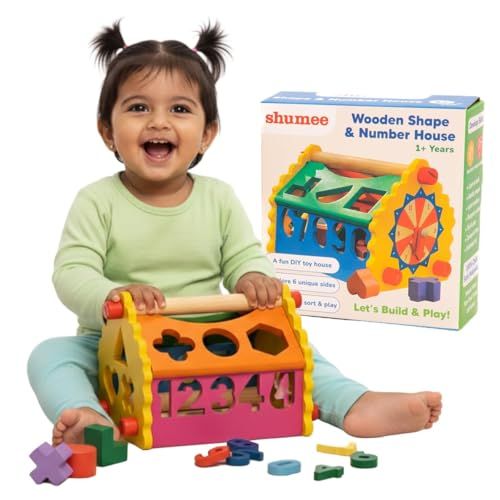
Shumee Wooden Push Walker with Shape Sorter
- ✓ 2-in-1 push toy and shape sorter
- ✓ Wooden construction, BIS certified
- ✓ Ages 18+ months
* We earn a small commission — at no extra cost to you.
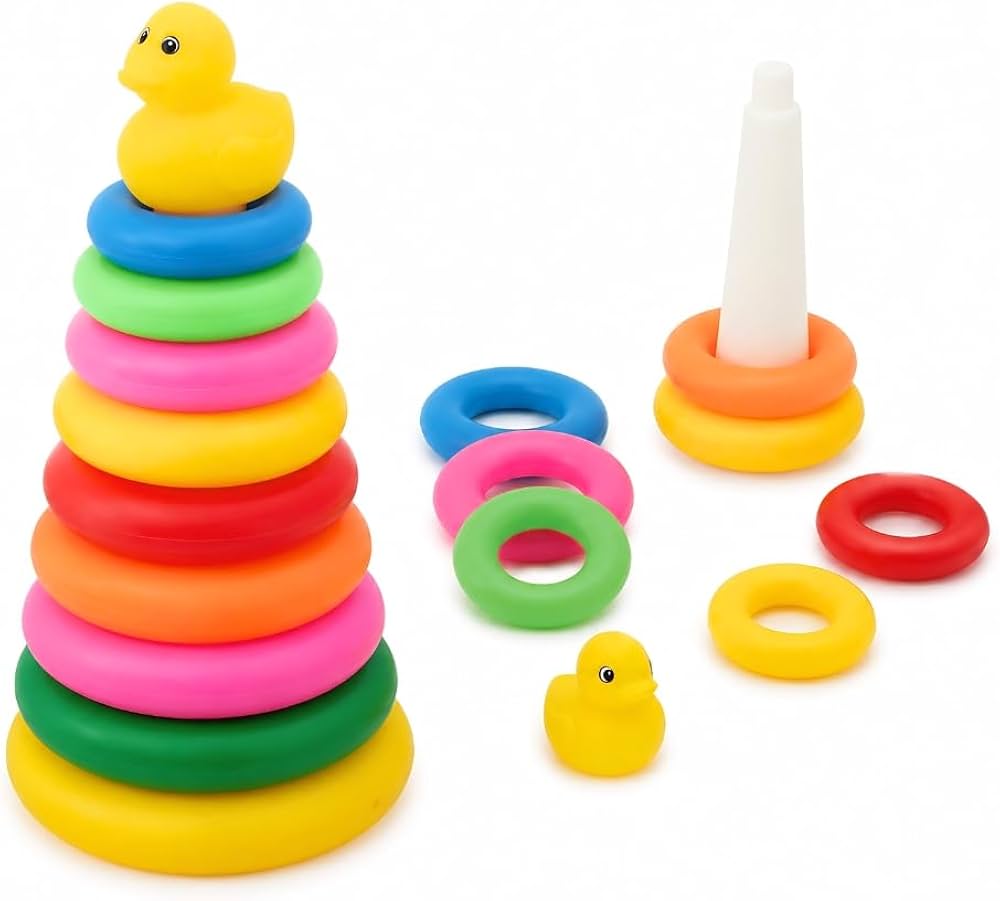
Babygo Stacking Rings Educational Toy
- ✓ 5 graduated plastic rings on wooden base
- ✓ No small detachable parts
- ✓ Lightweight and portable
* We earn a small commission — at no extra cost to you.

Toyshine Shape Sorter Cube with 6 Shapes
- ✓ 6 different colored shapes
- ✓ Plastic construction, easy to clean
- ✓ Suitable for 18-24 months
* We earn a small commission — at no extra cost to you.
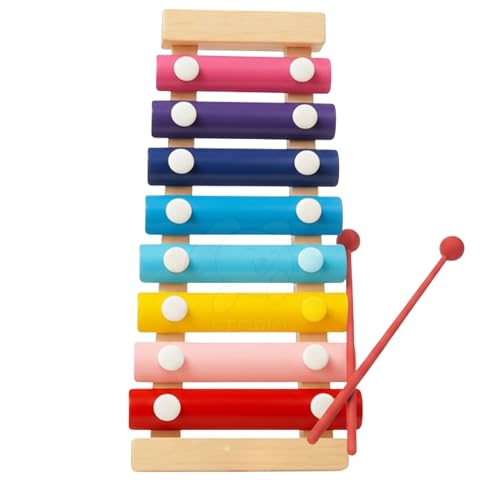
Shumee Wooden Xylophone 8-Note
- ✓ 8 metal notes, wooden frame
- ✓ Includes mallets
- ✓ Develops musical interest early
* We earn a small commission — at no extra cost to you.

Karadi Tales Picture Books Set (3 Board Books)
- ✓ Thick cardboard pages, tear-resistant
- ✓ Simple one-object-per-page design
- ✓ Indian illustrations and text
* We earn a small commission — at no extra cost to you.

Babygo Play Kitchen Set with Accessories (6-Piece)
- ✓ Plastic pretend play set with pots and utensils
- ✓ Compact design, no batteries
- ✓ Ages 20+ months recommended
* We earn a small commission — at no extra cost to you.