
Baby Swallowed Toy Piece: Choking vs Swallowing, When to Rush to Hospital
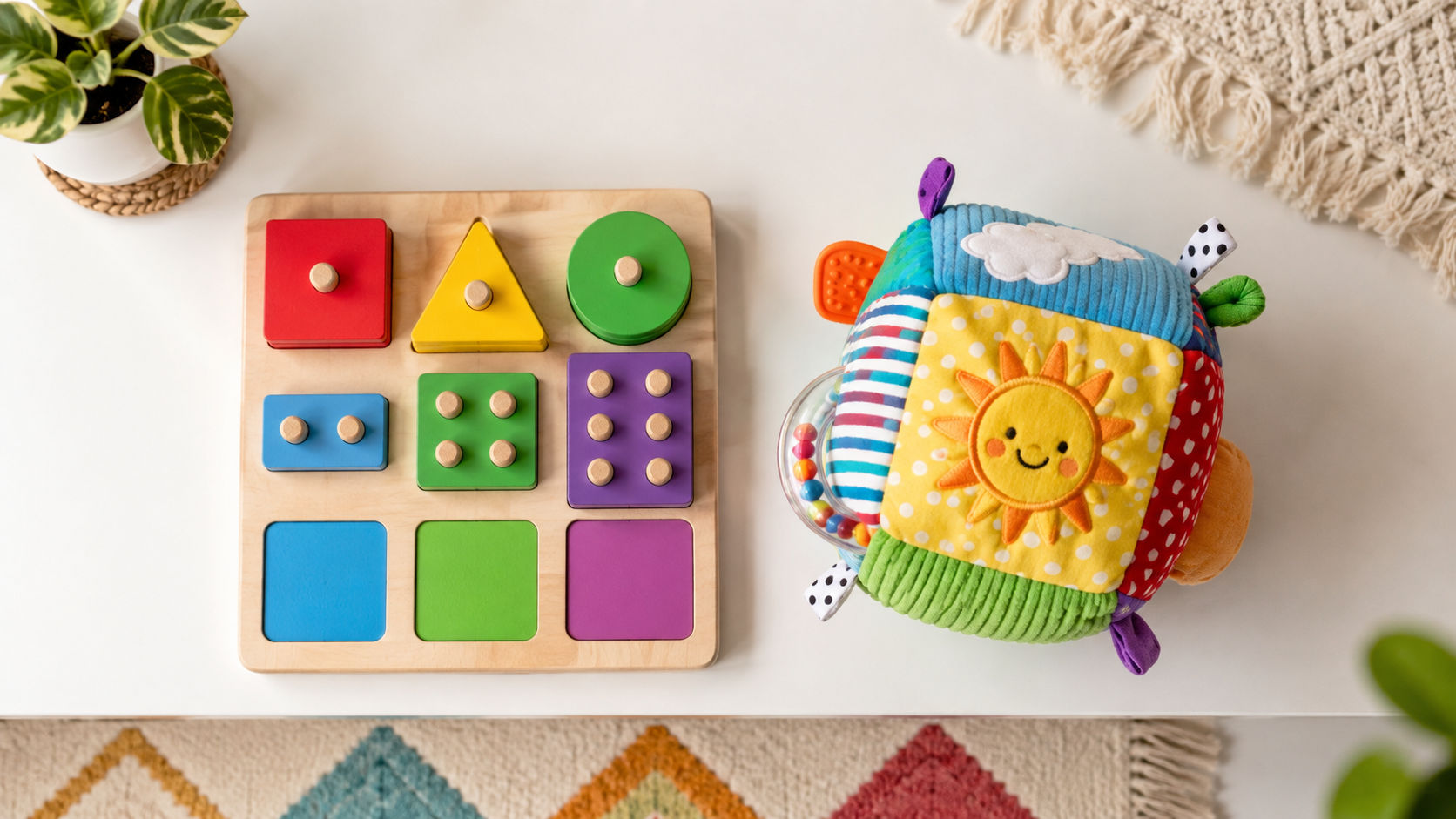
If your baby is choking (coughing, wheezing, unable to cry), start back blows and chest thrusts immediately and call 108. If your baby swallowed a toy piece but is breathing normally and acting fine, observe for choking signs over 24–48 hours, note what was swallowed, and contact your paediatrician for guidance before panic. Most small, smooth objects pass naturally within 4–6 weeks.
It happens in a blink — your 8-month-old is shaking a rattle, you turn away for 20 seconds, and suddenly you're watching her mouth closely, your heart in your throat. Did she just swallow a piece? Is she choking or is she fine? The panic is instant, but the next 60 seconds matter. This article walks you through exactly what to do, how to tell the difference between a truly dangerous moment and one that needs observation, what paediatricians actually say (spoiler: it's calmer than most parent forums), and most importantly, how to buy toys that don't break in the first place. We'll focus on rattles, stacking rings, and teethers under Rs 200 because these are the toys in most Indian homes, and we'll teach you what to check before your baby ever touches them.
Choking vs Swallowing: The Critical First 10 Seconds
This is the distinction that changes everything. Choking: your baby cannot breathe, cry, or cough — her airway is blocked. Swallowing: the object has passed down into her throat or stomach, the airway is clear, and she's breathing normally. One is a 108 call. One is a paediatrician call. You need to know which is which in seconds.
Signs of choking (act now): Gasping or wheezing sounds. Inability to cry — she opens her mouth but no sound comes out. Weak or no cough. Turning pale or bluish around the lips. Panic in her eyes. Drooling excessively. If you see any of these, do not wait. Start back blows and chest thrusts right now.
Signs of successful swallowing (observe, don't panic): Normal crying, coughing, or fussiness after the incident. Skin colour stays normal. She's able to saliva and swallow. Breathing sounds clear and normal. She may seem shaken or upset, but she's breathing. This child does not need 108 — she needs her paediatrician's guidance and your calm observation.
Immediate First Aid: What To Do in the First 5 Minutes
If she is choking: Place her face-down on your forearm, supporting her chin and jaw. Give 5 firm back blows between her shoulder blades using the heel of your hand. Then flip her onto her back (still on your forearm) and give 5 chest thrusts with two fingers just below the nipple line. Repeat until the object comes out or she starts coughing forcefully. Once she coughs, drools, or breathes, call 108 immediately and describe what happened. Do not assume she's fine — a partial blockage can worsen.
If she swallowed successfully: Stay calm (your baby reads your panic). Note exactly what she swallowed — material, size (use a coin for reference: is it smaller than a 5 Re coin?), shape, and when. Call your paediatrician within the hour. Do not induce vomiting. Keep her under observation. Most small, smooth objects (buttons, beads, small toy parts) pass naturally in 4–6 weeks without incident. Watch for signs of distress: sudden vomiting, abdominal pain, constipation, blood in stool, or difficulty breathing over the next 48 hours.
What paediatricians say about watchful waiting: According to IAP (Indian Academy of Pediatrics) guidelines, observation at home is standard for small, smooth, non-toxic objects that the baby swallowed (not aspirated into the lungs). Most pass in the stool within 1–4 weeks. You're not waiting for nothing — you're watching for the rare signs that something is actually stuck or causing injury.
Common Culprits: Why Rattles and Stacking Rings Break
The toy itself didn't fail by accident. It failed because manufacturers cut corners on glue, seams, or materials. Rattles under Rs 150 often use hot-melt glue that softens in warm mouths. Stacking rings from unbranded sellers use thin plastic that cracks under baby-strength pressure. Teethers with loose stitching come apart in days. You're not overreacting if you find a toy piece missing after your baby used it — that toy was already failing.
Look for toys with BIS certification (Bureau of Indian Standards IS 9873-1). This means the toy passed safety tests for material safety, small-part detachment, and paint toxicity. It's not a guarantee, but it dramatically reduces the risk. When you buy a rattle for Rs 180 from a seller with 4+ stars and 500+ reviews, the chances of it breaking in week one drop significantly. Cheap toys from unknown sellers with no reviews? That's when you get a plastic piece in your baby's mouth.
Before your baby touches any toy, spend 30 seconds inspecting: squeeze the rattle — does any seam flex or gap? Look at the stacking ring's base — is the glue already peeling at the corners? Check the teether's stitching — are threads loose or unraveling? If you see any of these, don't give the toy to your baby. Return it or discard it.
Prevention Checklist for 6–18 Month Crawlers
| What To Check | Every Week? | If It Fails, Action |
|---|---|---|
| Rattle seams and glue joints | Yes | Stop use immediately, return or bin |
| Stacking ring base for peeling glue | Yes | Stop use immediately |
| Teether stitching for loose threads | Yes | Stop use, hand-wash stitching or discard |
| Toy for visible cracks or chips | Yes | Stop use immediately |
| Small toy parts (wheels, eyes, beads) | Weekly | Remove or secure with waterproof epoxy |
| Toy paint for flaking or peeling | Weekly | Stop use — may contain lead |
Keep toys with broken parts out of reach until you can repair or discard them. A cracked rattle is not fine — it's a waiting incident. Wash and inspect all toys before giving them to your baby, especially second-hand toys from friends or cousins.
When To Go to the Hospital vs Observe at Home
Go to the ER immediately if: Your baby is choking (no air moving). Your baby swallowed a sharp object (glass, metal, a shard). Your baby swallowed a magnet (these can tear intestines). Your baby swallowed a button battery (extremely dangerous, causes chemical burns inside). Your baby is vomiting repeatedly after swallowing something. Abdominal pain that doesn't ease. Blood in stool. Fever above 100.4°F. Difficulty swallowing or drooling excessively after the incident.
Observe at home and call your paediatrician within 2 hours if: Your baby swallowed a small, smooth, non-toxic toy piece (plastic, rubber, felt). She is breathing normally, acting normally, and has no signs of distress. She can eat, drink, and swallow normally. You are certain about what she swallowed. Your paediatrician will often ask you to watch the stool over the next 1–4 weeks to confirm the object passes. Many parents never see it — it comes out and gets flushed.
What Paediatricians Say
Most swallowed toy pieces pass without incident, especially if they're smaller than a 5 Re coin and smooth (not sharp). The real risk is aspiration — the object going into the lungs instead of the stomach — which causes immediate coughing and distress. If your baby is breathing and coughing normally after swallowing, aspiration is unlikely. IAP recommends documentation of what was swallowed and observation for 48 hours; X-rays are rarely needed unless the object is radio-opaque (shows up on X-ray) or the baby shows signs of internal injury.
- Most small objects pass in 1–4 weeks without causing any symptoms.
- Sharp, magnetic, or battery objects are true emergencies — smooth plastic or rubber pieces are not.
Call your paediatrician, not Google. Your baby's history, size, and what was swallowed matter. A 6-month-old who swallowed a plastic bead is different from a 2-year-old who swallowed a marble. Trust your paediatrician's judgment over forum posts.
Our Top Picks
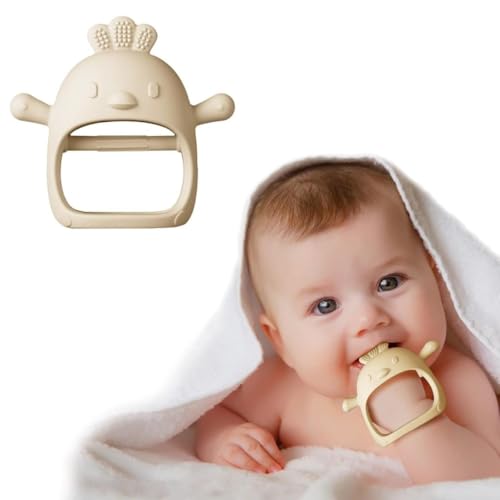
Mastela Teething Ring Rattle BPA-Free Soft Silicone
- ✓ BPA-free soft silicone with seamless grip design
- ✓ Easy to clean and dishwasher safe
- ✓ For 3+ months, teething and sensory play
* We earn a small commission — at no extra cost to you.
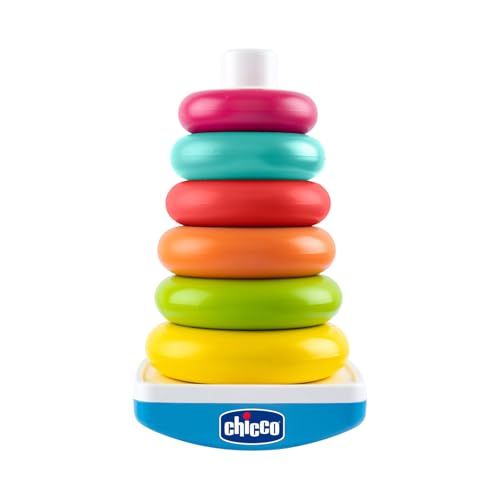
Chicco Stacking Ring Toy with Music and Lights
- ✓ Sturdy plastic base with tight-fitting stacking rings
- ✓ Musical sounds and light effects
- ✓ For 6+ months, tested for small-part detachment
* We earn a small commission — at no extra cost to you.
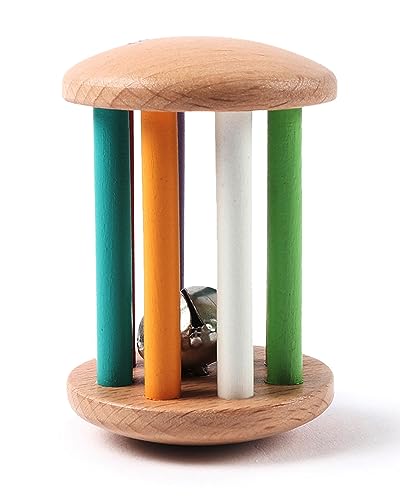
Babysafety Wooden Rattle with Natural Finish BIS Certified
- ✓ Natural wood, no paint or varnish — BIS certified
- ✓ Smooth edges and seamless joints, non-toxic finish
- ✓ For 6+ months, teething and grasp development
* We earn a small commission — at no extra cost to you.