
Toor Dal Khichdi for 9-Month Babies: Complete Recipe with Pressure Cooker Timing (2026)
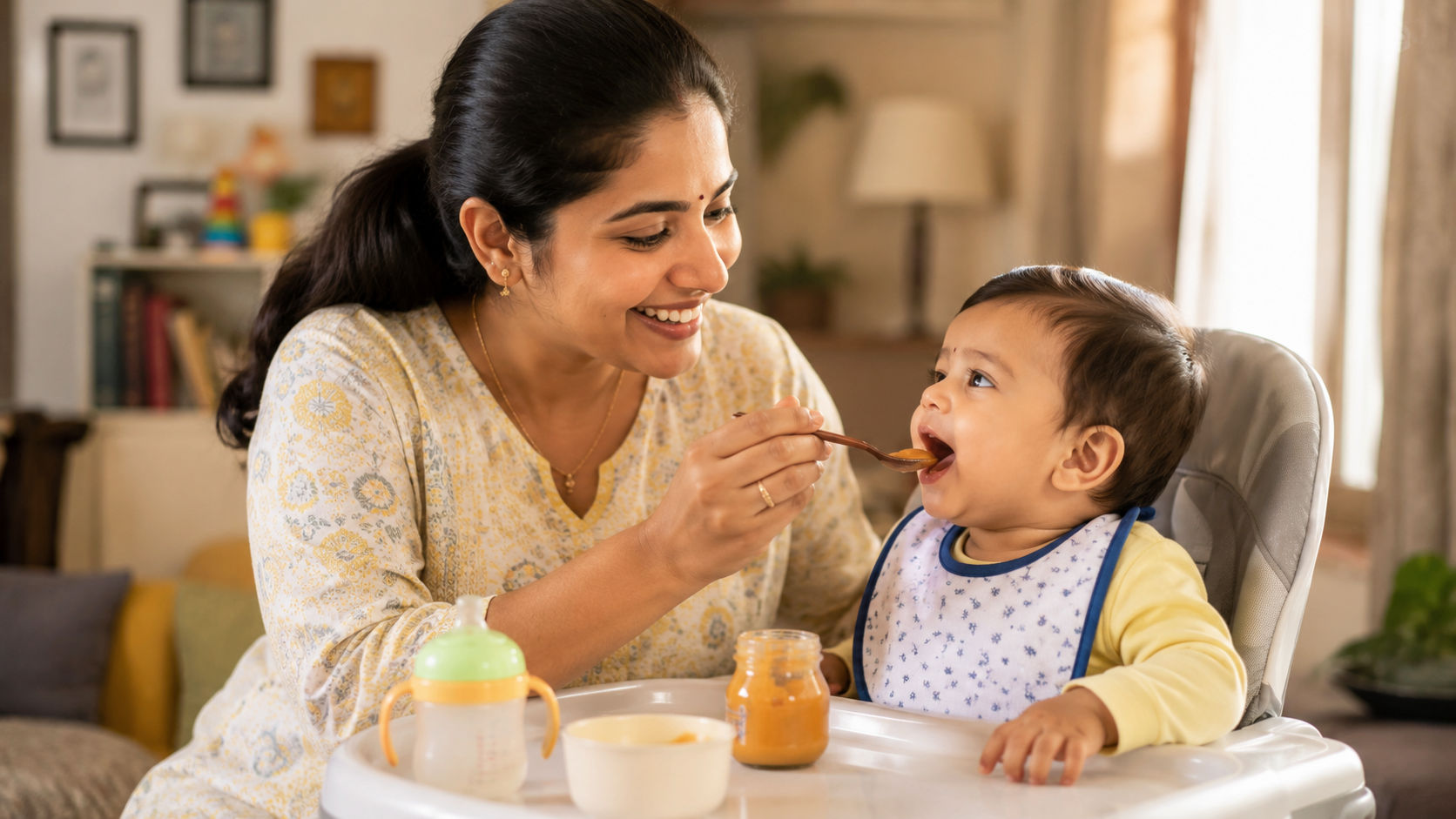
Toor dal khichdi is safe for 9-month-old babies and highly nutritious. Cook 2 tablespoons toor dal with 3 tablespoons rice and 150 ml water for 3 pressure cooker whistles, then mash to a soft, lumpy texture. Brands like Tata Sampann (₹180/kg) and 24 Mantra (₹210/kg) are commonly used by Indian parents for reliable quality.
Around 9 months, your baby's digestive system is ready to handle toor dal: a split yellow lentil rich in plant-based protein and iron, grown across South India (Tamil Nadu, Karnataka, Andhra Pradesh produce 70% of India's toor). If your little one has already tolerated moong dal khichdi at 6–7 months, toor dal is the natural next step—it's slightly earthier in flavour but equally gentle when cooked properly. The key is timing: three sharp whistles in your pressure cooker, not more. Undercooked toor dal can feel grainy and hard to chew at the gum-chewing stage; overcooked becomes mushy and loses its nutritional edge.
Parents across Mumbai, Bangalore, Delhi, and Pune rely on homemade khichdi as the foundation of early weaning because it combines carbohydrates (rice), protein (toor dal), and can be customised with ghee and vegetables. Store it for exactly 2 days in the fridge, and always reheat gently to preserve nutrients.
Why Toor Dal for 9-Month Babies?
Protein and iron balance is the short answer. Toor dal contains 25g of protein per 100g dried weight—more than moong dal—and provides non-haem iron crucial for babies whose iron stores from birth start depleting around 6 months. According to IAP (Indian Academy of Pediatrics) weaning guidelines (2024), introducing a variety of plant-based proteins between 8–10 months helps establish healthy gut diversity and prevents picker eating later.
Unlike moong dal, which is milder and lighter, toor dal has a slightly earthier taste that teaches your baby's palate early. It's also more shelf-stable: toor dal stored in an airtight container lasts 6–8 months, while moong dal begins losing freshness after 4 months. For families in tier-2 and tier-3 cities where fresh vegetable availability fluctuates seasonally, toor dal khichdi becomes a reliable, year-round base.
The timing to introduce toor dal matters. Start only after your baby has eaten moong dal without allergic reactions (rash, diarrhoea, vomiting) for at least 1–2 weeks. Toor dal is denser, so introducing it gradually—mixing a small portion into moong-based khichdi first—helps if your baby has a sensitive gut.
Recipe: Toor Dal Khichdi with Exact Pressure Cooker Steps
Ingredients for one serving (9–12 months):
- 2 tablespoons toor dal (soaked 30 minutes)
- 3 tablespoons rice (white rice for beginners, brown rice after 10 months)
- 150 ml water (adjust to 180 ml if using brown rice)
- 1 teaspoon ghee
- Pinch of salt (optional, only if no kidney concerns; check with paediatrician)
Step 1: Prep. Rinse toor dal and rice separately under running water 3–4 times until water runs clear. Soak the toor dal in water for 30 minutes (this reduces cooking time and makes it easier to digest). Drain and set aside.
Step 2: Load the pressure cooker. Use a small pressure cooker (brands like Prestige Svachh mini cooker, ₹1,899, are popular with parents cooking single portions). Add soaked toor dal, unsoaked rice, and 150 ml water. Stir once. Do NOT add salt yet—salt can toughen the dal if added before cooking.
Step 3: Cook for 3 whistles. Close the lid, bring to high heat, and count exactly 3 whistles. After the third whistle, reduce heat to low and simmer for 5 more minutes. This ensures the dal is fully soft but not mushy. Turn off heat and let the cooker depressurize naturally (do not open the lid immediately).
Step 4: Mash and texture. Open the cooker after 2 minutes of natural cooling. The mixture should look like a lumpy porridge, not a soup. If it's too thick, add 2–3 tablespoons of warm water and stir. If it's too watery, let it sit uncovered for 2 minutes to thicken slightly. This texture—soft but with small lumps—is perfect for 9-month gums that are beginning to chew.
Step 5: Temper with ghee. Heat 1 teaspoon pure cow's ghee in a small pan until it's warm (not smoking). Pour over the khichdi and stir well. Ghee adds fat-soluble vitamins A, D, E, and K, which aid brain development. Indian paediatricians commonly recommend ½–1 teaspoon ghee per meal for babies 9–12 months old.
Step 6: Cool and serve. Let the khichdi cool to 37–40°C (test with a clean finger inside your wrist—it should feel warm, not hot). Serve immediately in a stainless steel or BPA-free baby bowl (avoid plastic bowls for hot food to prevent chemical leaching).
Best Toor Dal Brands & Storage Tips
Tata Sampann Organic Toor Dal (₹180/kg on Amazon.in) is widely available and trusted by parents in Delhi, Pune, and Bangalore. It's sorted and polished, so you don't need to pick stones—a common concern with loose dal from local mandis. 24 Mantra Organic Toor Dal (₹210/kg) is another reliable choice, certified organic, and often recommended by nutritionists in tier-1 cities.
Storage: Keep cooked khichdi in a glass container (not plastic) in the refrigerator for maximum 2 days at 4°C. Reheat by adding 2–3 tablespoons water and warming gently on low flame or in a microwave (30 seconds, stir halfway). Never reheat khichdi more than twice—bacterial growth increases after the second reheating. Freeze khichdi for up to 1 week in ice-cube trays (each cube = 30 ml, perfect for portion control).
What Paediatricians Say
IAP weaning guidelines emphasise introducing diverse plant proteins between 8–10 months to prevent iron deficiency, common in exclusively breastfed Indian babies. Toor dal's high iron content (5.3 mg per 100g) makes it ideal. Pair it with vitamin C sources (citrus fruits, tomato) to improve iron absorption.
- Best time to introduce: After successful moong dal tolerance (1–2 weeks)
- Portion size at 9 months: 2–3 tablespoons, once daily initially, increasing to twice daily by 12 months
Common Questions About Toor Dal Khichdi
Can I add vegetables to toor dal khichdi? Yes, after 9 months you can add soft-cooked above-ground vegetables: lauki (bottle gourd), turai (ridge gourd), pumpkin, or peas. Add them in the last whistle to retain nutrients. Start with one vegetable at a time to monitor for allergies.
Is brown rice better than white rice for khichdi? Brown rice is more nutritious (higher fibre, lower glycemic index), but harder for 9-month gums. Introduce white rice until 10 months, then gradually mix in brown rice. By 12 months, you can use 100% brown rice.
What if my baby refuses toor dal khichdi? Toor dal tastes slightly bitter compared to moong. Mix 1 tablespoon toor dal with 1 tablespoon moong dal for the first 2–3 weeks to ease the transition. Gradually increase toor dal ratio. Some babies also prefer it with 1 teaspoon jaggery (gur), which aids digestion and is safe from 9 months.
Remember: consistency matters more than ingredients at this stage. Three whistles, lumpy texture, warm (not hot), served in a clean baby bowl—this simple routine ensures your 9-month-old gets reliable nutrition without fuss.
Our Top Picks
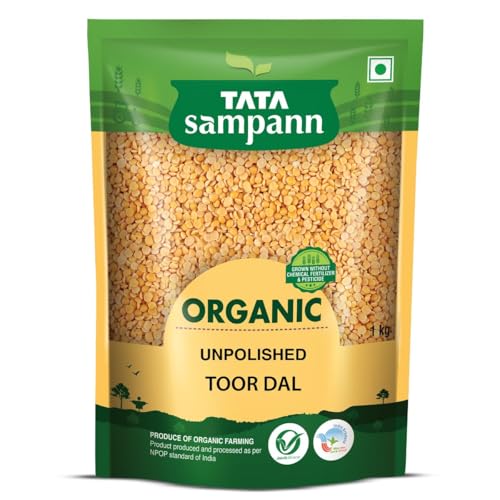
Tata Sampann Organic Toor Dal
- ✓ Organic certified
- ✓ No stones, pre-sorted
- ✓ 1 kg pack
* We earn a small commission — at no extra cost to you.
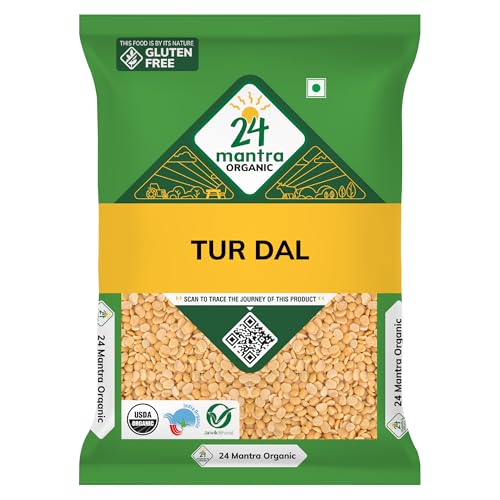
24 Mantra Organic Toor Dal
- ✓ USDA organic certified
- ✓ No chemical residue
- ✓ 500g pack
* We earn a small commission — at no extra cost to you.
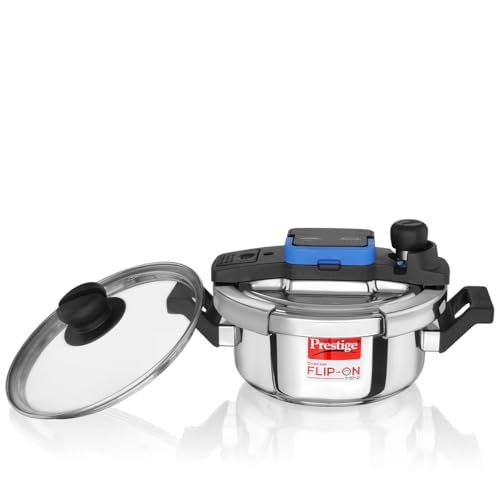
Prestige Svachh Mini Pressure Cooker 2L
- ✓ 2 litre capacity (perfect for baby portions)
- ✓ Induction + gas compatible
- ✓ Stainless steel body
* We earn a small commission — at no extra cost to you.
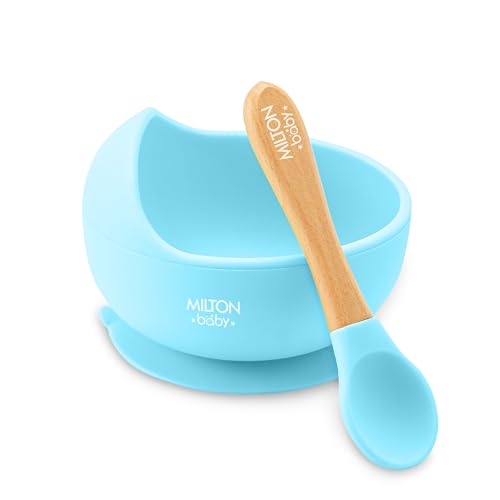
Babymoov Silicone Suction Bowl with Spoon
- ✓ BPA-free silicone
- ✓ Suction base (doesn't tip over)
- ✓ Temperature-safe to 120°C
* We earn a small commission — at no extra cost to you.
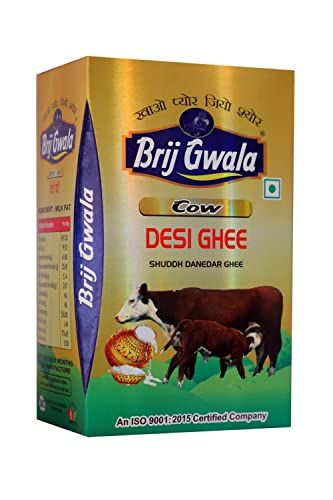
Ghee Kausar Cow's Ghee (Pure, No Additives)
- ✓ 100% pure cow's ghee
- ✓ No additives, no preservatives
- ✓ 500g pack
* We earn a small commission — at no extra cost to you.