
Does Teething Cause Loose Motion in Babies? What IAP Research Actually Shows
Teething does not directly cause loose motion. The timing coincides because both happen around 6–8 months—when babies start solids and explore with their hands. The real culprits are new food allergens, hand-to-mouth bacteria, and rotavirus season overlap. Most loose stools during teething are caused by these factors, not tooth eruption itself.
If your baby is teething and has loose stools, you're probably worried. The two happen so close together that it feels connected, doesn't it? Mitu from Bangalore told us last week: "My daughter started drooling and chewing everything, and three days later, her nappies were a mess. I thought teething was causing it." It's a common fear, but here's what the evidence actually shows.
What the Evidence Actually Shows
Let's cut straight to it: there is no documented causal link between tooth eruption and diarrhea. Diarrhea means loose or watery stools, usually caused by infection, food sensitivity, or dietary change. Teething is a physical milestone—your baby's teeth are pushing through the gum. One doesn't trigger the other.
The confusion happens because of timing. Around 6 months, babies start eating solids. That same window (5–8 months) is when first teeth typically erupt. Your baby is also grabbing everything, putting fingers and toys in their mouth constantly. Meanwhile, rotavirus season often peaks in winter in Indian cities. When loose stools happen during this period, parents naturally link it to teething. But the loose motion is almost always from one of these real causes:
- New foods causing sensitivity. Mango, papaya, or a new dal can trigger loose stools if introduced too quickly or if your baby has a mild sensitivity. The timing overlaps with first teeth, but the food caused it.
- Hand-to-mouth bacteria. Teething babies touch everything—the floor, the dog, the nappy pail, then their mouth. Bacteria like rotavirus or enterovirus spread this way, especially in homes without strict hand-washing routines.
- Rotavirus or other infections. Winter (October–February in North India, monsoon in coastal cities) is peak season for rotavirus. Many babies are exposed, and tooth eruption just happens to fall in that window.
- Dietary imbalance during transition. If your baby is eating fewer calories from breastmilk or formula because of solid foods, and the solids are too fibrous or too high in fat, loose stools can result.
What teething *does* cause: swollen gums, increased drooling, a desire to chew, mild fever (up to 38.5°C, not higher), and disrupted sleep. Loose motion is not on that list.
Why Gripe Water and Teething Powders Won't Help—and What Actually Does
Many parents reach for gripe water, teething powders, or numbing gels when loose motion appears during teething. The logic is: "The baby is teething, so teething remedies should help." But if loose motion is caused by food or infection, these won't address the real problem.
Gripe water (typically fennel, ginger, and sometimes alcohol) is marketed for colic and gas. It won't stop diarrhea caused by rotavirus or a new food. In fact, some formulations contain sugar or artificial ingredients that may worsen loose stools.
What *does* help:
- Chilled teethers (not frozen): A silicone teether kept in the fridge for 15 minutes numbs sore gums and gives safe relief. Brands like Pigeon and Nuby sell these for Rs. 149–399 on Amazon.in. Avoid mesh teethers filled with liquid—they can rupture and pose a choking risk.
- ORS (Oral Rehydration Solution) if loose stools persist: If your baby has more than 3–4 loose stools a day, the real risk is dehydration, not the loose motion itself. IAP guidelines recommend ORS (sachets cost Rs. 15–30) given in small, frequent sips using a cup or spoon—not a bottle, which can cause cramping. Brands like Electral and Oralyte are widely available.
- Gentle solids: If loose stools are food-related, pause new foods for 3–5 days and return to familiar ones: plain khichdi, curd, or mashed banana.
- Frequent breastfeeding or formula: Don't reduce milk feeds. They provide calories and immune protection your baby needs during this phase.
Numbing gels (benzocaine or lidocaine) are not recommended by IAP for babies under 2 years. They can numb the throat and interfere with swallowing. Stick with chilled teethers and gentle pressure from a clean finger instead.
The Real Timeline: When Teeth Come, When Solids Start, When Infections Peak
Here's where the confusion gets worse: these three events overlap, and most Indian parents only know about teething.
First teeth typically erupt between 6 and 8 months, though some babies start as early as 4 months or as late as 12 months—both are normal. Around the same time (usually by 6 months), IAP guidelines recommend introducing solids if your baby shows readiness signs: sitting up with minimal support, losing the tongue-thrust reflex, and showing interest in food. Rotavirus peaks in winter (November–February in most of India), and many babies are exposed by their first winter.
If your baby has loose stools at 6 months while teething and eating new foods during rotavirus season, three things are happening at once. The loose motion is almost certainly from solids or infection, not from the tooth pushing through the gum. Understanding this helps you respond correctly instead of waiting for teething remedies to work on a problem they can't solve.
Red Flags: When Loose Motion During Teething Needs a Doctor
Not all loose stools are simple. Here are the signs that warrant a visit to your paediatrician:
- Blood or mucus in the stool: This suggests bacterial infection (e.g., shigella) or intestinal inflammation, not just loose stools from a new food.
- More than 6–8 stools per day for more than 3 days: Persistent diarrhea causes dehydration fast in babies. Check for sunken fontanelle (soft spot), dark urine, or lethargy.
- Fever above 38.5°C: Teething causes mild fever; anything higher suggests infection.
- Vomiting or refusing feeds: Teething doesn't cause vomiting. This points to gastroenteritis or intolerance.
- Signs of dehydration: No wet nappy for 6+ hours, dry mouth, extreme drowsiness.
This is general information, not medical advice. If you're unsure, call your paediatrician—that's what they're there for.
What IAP and WHO Guidance Says
Indian Academy of Pediatrics (IAP) 2026 guidelines: Teething is a normal developmental milestone and does not cause systemic illness, including diarrhea. Loose stools during teething should be investigated for actual causes: dietary, infectious, or allergic.
WHO guidance: Rotavirus vaccination (RotaTeq or Rotavac, given at 6, 10, and 14 weeks) is the most effective prevention against rotavirus diarrhea, which often occurs in the same age window as teething.
Safer Alternatives to Consider During Teething and Loose Motion
If your baby is teething and has loose stools, focus on what actually helps:
- Silicone teether (chilled, not frozen): Rs. 200–350. Pigeon or Nuby on Amazon.in. Provides safe gum relief.
- ORS packets: Rs. 15–30 per sachet. Electral or Oralyte. Use if loose stools continue beyond 3 days or show signs of dehydration.
- Plain, familiar foods: Khichdi made with rice and moong dal, curd, mashed banana. Avoid new foods until stools normalize.
- Breastmilk or formula: Continue as normal. Don't reduce feeds thinking it will help; your baby needs the calories and immune support.
Skip gripe water, teething powders, and benzocaine gels. They address the wrong problem and can introduce unnecessary ingredients.
Our Top Picks
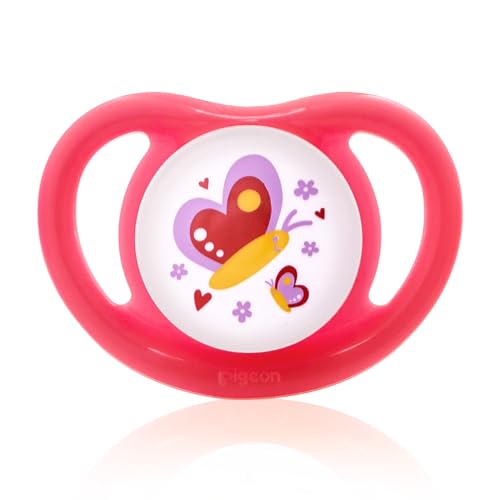
Pigeon Silicone Teether
- ✓ BPA-free silicone
- ✓ Refrigerator-safe (chill 15 mins, do not freeze)
- ✓ Textured surfaces for gum massage
* We earn a small commission — at no extra cost to you.

Electral ORS Sachet (Pack of 5)
- ✓ WHO-approved formula
- ✓ Contains glucose and electrolytes
- ✓ Mix with boiled water as directed
* We earn a small commission — at no extra cost to you.
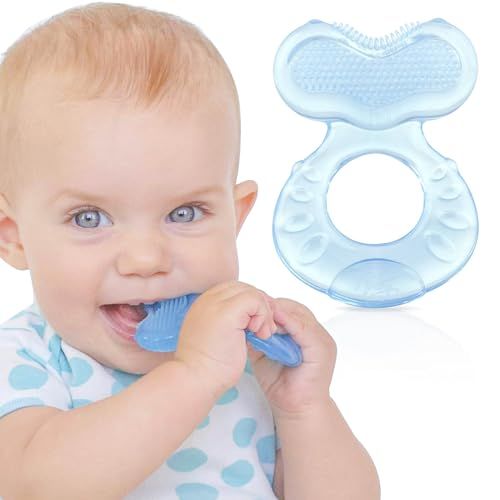
Nuby Silicone Teether Ring
- ✓ Soft silicone with grip handle
- ✓ Freezer-safe (not recommended; chill instead)
- ✓ Textured nubs for relief
* We earn a small commission — at no extra cost to you.