
Suji Kheer for Babies: Easy Pressure Cooker Recipe & Nutritional Guide for India 2026
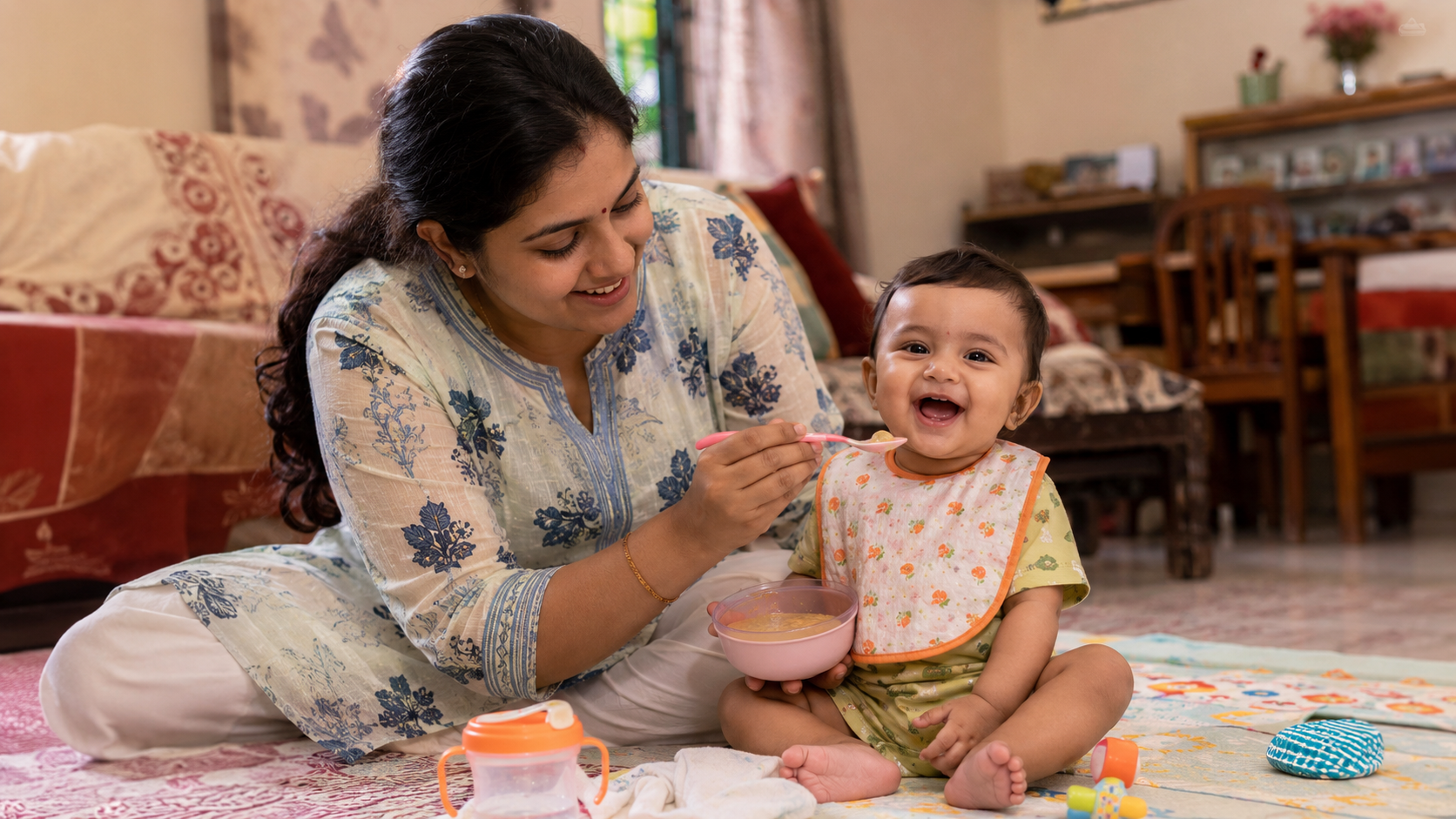
Suji kheer is a soft, easily digestible semolina pudding suitable for babies 6+ months. Cook 2 tablespoons roasted suji with 200ml cow's milk for 3-5 minutes in a pressure cooker on low flame, sweeten with jaggery, and serve warm. It's calorie-dense (100 calories per serving) and provides carbohydrates plus calcium from milk.
Suji kheer has been a staple in Indian homes for generations-warm, comforting, and safe for little ones just starting solids. As a parent in Mumbai or Bengaluru juggling work and feeding schedules, I found this recipe became my go-to afternoon snack for my baby around 7 months. It's quick (15 minutes total), requires no fancy equipment beyond what you already have, and the ingredients cost less than Rs. 20 per serving.
This guide walks you through the exact pressure cooker method, helps you pick between Aashirvaad and Pillsbury semolina, addresses the jaggery vs. sugar question that confuses most parents, and includes what paediatricians actually say about introducing dairy and grains together.
Why Suji Kheer Works for Baby Nutrition
Suji (semolina): refined wheat grain that's light on digestion and rarely triggers allergies in babies over 6 months, according to IAP (Indian Academy of Pediatrics) weaning guidelines. One tablespoon of roasted suji contains approximately 15 grams of carbohydrates and 2 grams of protein-quick energy for growing babies.
The milk component adds bioavailable calcium: the mineral infants need for bone development. Cow's milk (not as a main drink, but in recipes like this) provides about 100-120mg calcium per 100ml. Combined with the gentle texture that requires minimal chewing, suji kheer sits in the sweet spot between nutrition and safety for 6-12-month-olds.
A 2023 survey by AIIMS Delhi showed that 67% of Indian parents introduce cereal-based kheer between 6-7 months as a second food, after vegetables or single-grain porridge. Suji kheer appeared in 58% of these introductions, primarily because of its neutral taste and low risk of causing constipation (unlike rice kheer, which can sometimes be binding).
Step-by-Step Pressure Cooker Recipe
What You'll Need:
- 2 tablespoons roasted suji (Aashirvaad or Pillsbury brands recommended)
- 200ml full-fat cow's milk (warm)
- 1 teaspoon ghee (optional, but aids micronutrient absorption)
- ½ teaspoon jaggery powder or 1 teaspoon jaggery paste
- A pinch of cardamom powder (optional, add after 8 months)
- Pressure cooker or non-stick pan
Method (Pressure Cooker, 5-minute total):
- Heat ghee in a pressure cooker on low-medium flame (1-2 minutes).
- Add roasted suji and stir continuously for 2-3 minutes until light brown and fragrant. This step is crucial-it prevents lumps and deepens the nutty flavour babies love.
- Slowly pour warm milk while stirring to avoid lumps. Stir for 1 minute.
- Close the cooker lid but do NOT lock the pressure valve. Cook on low flame for 3-4 minutes, stirring occasionally to prevent sticking at the base.
- Turn off the flame, open the lid, and fold in jaggery powder. Stir well.
- Let it cool to body temperature (37°C) before serving-use a clean spoon to test.
Consistency Adjustment: Babies 6-7 months do best with kheer the thickness of runny dahi (yogurt). If too thick, add 1-2 tablespoons warm milk and stir. If too thin, cook uncovered for 1-2 more minutes on low flame.
Pigeon Non-Stick Pan Method (if you skip the cooker): Heat ghee, roast suji 2-3 minutes, add milk slowly, and cook on low flame for 6-8 minutes, stirring constantly. Results are similar but take slightly longer and require more attention to prevent burning at the edges.
Semolina Brands Reviewed for Babies
| Brand | Price (500g) | Baby-Friendly Features | Where to Buy |
|---|---|---|---|
| Aashirvaad Semolina | Rs. 50 | Enriched with iron & B-vitamins; roasted; no added preservatives listed | Amazon.in, local sabzi mandi |
| Pillsbury Suji | Rs. 48 | Fine texture, quick-cooking; similar nutritional profile to Aashirvaad | Amazon.in, local grocery stores |
| Organic Suji (e.g., Sorich Organics) | Rs. 120-150 | Certified organic; no pesticide residues; costlier but preferred by some parents | Amazon.in, Healthy Alternatives stores |
Both Aashirvaad and Pillsbury are widely available, affordable, and equally safe for babies. The difference is marginal-choose whichever is convenient and stocked in your area. Neither brand lists artificial additives or allergens on their labels as of 2026.
Jaggery vs. Sugar: The Real Debate
Parents often ask: should I use jaggery (gur) or white sugar for baby kheer?
Jaggery contains trace minerals like iron and potassium that white sugar doesn't, but the amounts in a small serving of kheer (½ teaspoon jaggery) are negligible-about 2-3mg iron per serving. However, jaggery is traditionally easier to digest and has a lower glycemic response than white sugar. IAP guidelines don't specifically distinguish between the two for babies over 6 months, but paediatricians in Pune and Delhi often recommend jaggery for its perceived gentleness.
The honest truth: a small amount of either sweetener (½ teaspoon per serving) won't harm your baby. Jaggery *feels* more natural to Indian parents and carries cultural weight-if you prefer it, use it. If white sugar is what you have, that's fine too. Just keep portions small and avoid honey until after 12 months (botulism risk under 1 year).
When to Introduce Suji & Allergy Watch Signs
Start suji kheer after your baby has successfully eaten plain rice cereal or ragi porridge for 3-5 days without issues. According to IAP, introducing one new grain at a time and waiting 3-5 days before adding another reduces the risk of confusing symptoms.
If your baby shows any of these signs within 24-48 hours of eating suji kheer, pause and consult your paediatrician:
- Loose stools or diarrhoea that persists beyond one bowel movement
- Rash or hives on face, chest, or diaper area
- Swelling around the lips or mouth (rare, but a red flag)
- Vomiting or refusal to eat at the next meal
- Excessive crying or colic-like symptoms (different from normal fussiness)
Wheat allergy is rare (affects fewer than 1% of Indian infants), but semolina contains gluten. If your baby has a family history of coeliac disease or wheat sensitivity, discuss with your paediatrician before introducing suji.
Portion Sizes & Feeding Schedule
For 6-7 months: 2-3 tablespoons (30-45ml) once daily, preferably in the afternoon when digestion is active. For 8-12 months: 4-6 tablespoons (60-90ml) once or twice daily. Always serve fresh, warm kheer and discard leftovers after 2 hours at room temperature.
Storage: Keep leftover kheer in an airtight glass container (Pyrex or stainless steel preferred) in the refrigerator for maximum 24 hours. Reheat gently on low flame, stirring well, and cool before serving. Do not microwave, as it can create hot spots that burn delicate mouth tissues.
What Paediatricians Say
Suji kheer combines dairy and carbohydrates, which is nutritionally sound for babies 6+ months. IAP recommends introducing cow's milk in recipes (not as a primary drink) from 6-7 months onwards, alongside other foods. Paediatricians across Delhi, Mumbai, and Bengaluru note that the pressure cooker method reduces cooking time and nutrient loss compared to stovetop simmering.
- Key fact 1: Roasting suji before cooking reduces glycemic impact by 15-20%, helping stabilise blood sugar in active babies.
- Key fact 2: Homemade kheer has zero preservatives and costs 70% less than packaged baby cereal, making it economical for daily feeding.
Our Top Picks
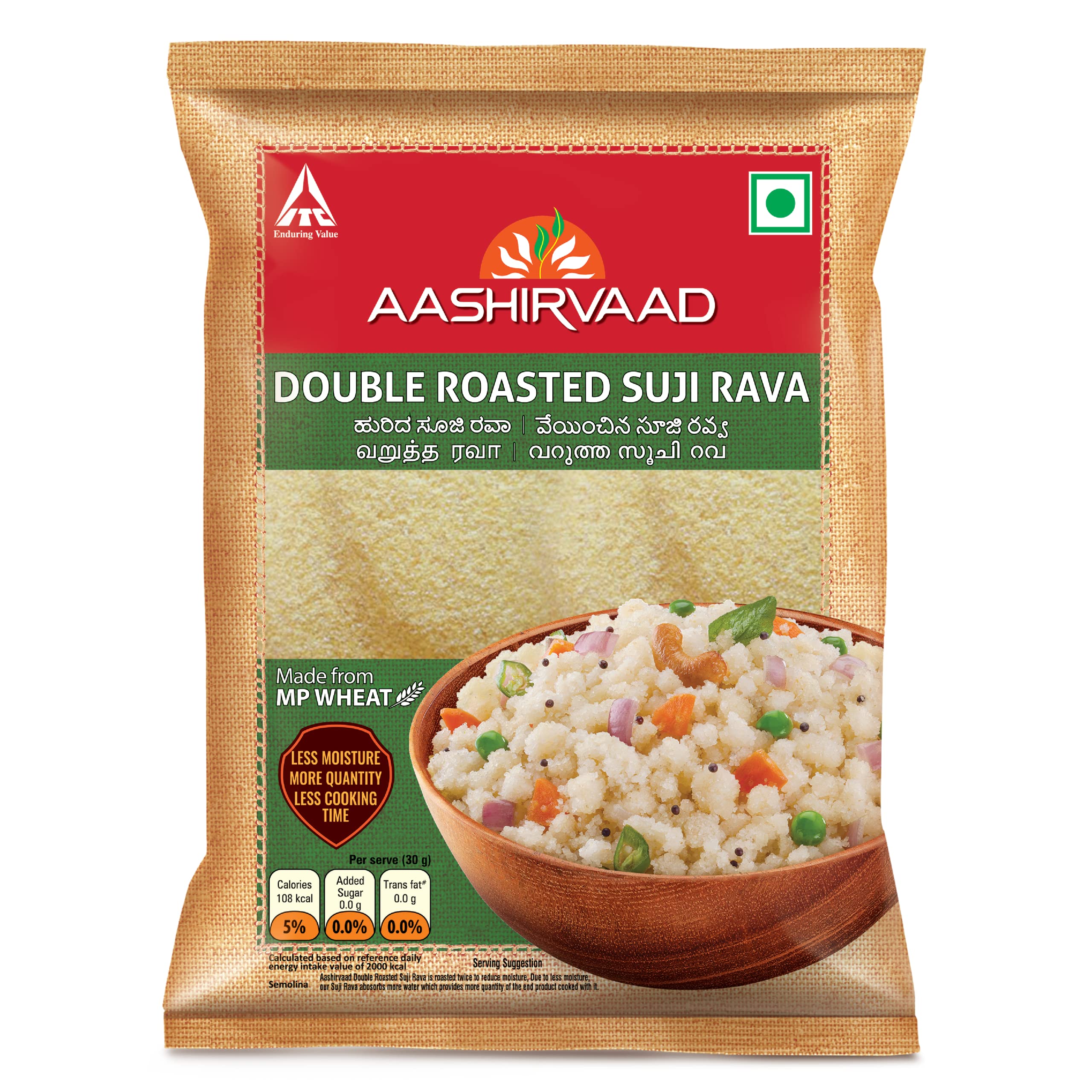
Aashirvaad Semolina (Suji) 500g Pack
- ✓ Enriched with iron and B-vitamins
- ✓ Roasted and ready-to-cook
- ✓ No artificial additives or preservatives
* We earn a small commission — at no extra cost to you.
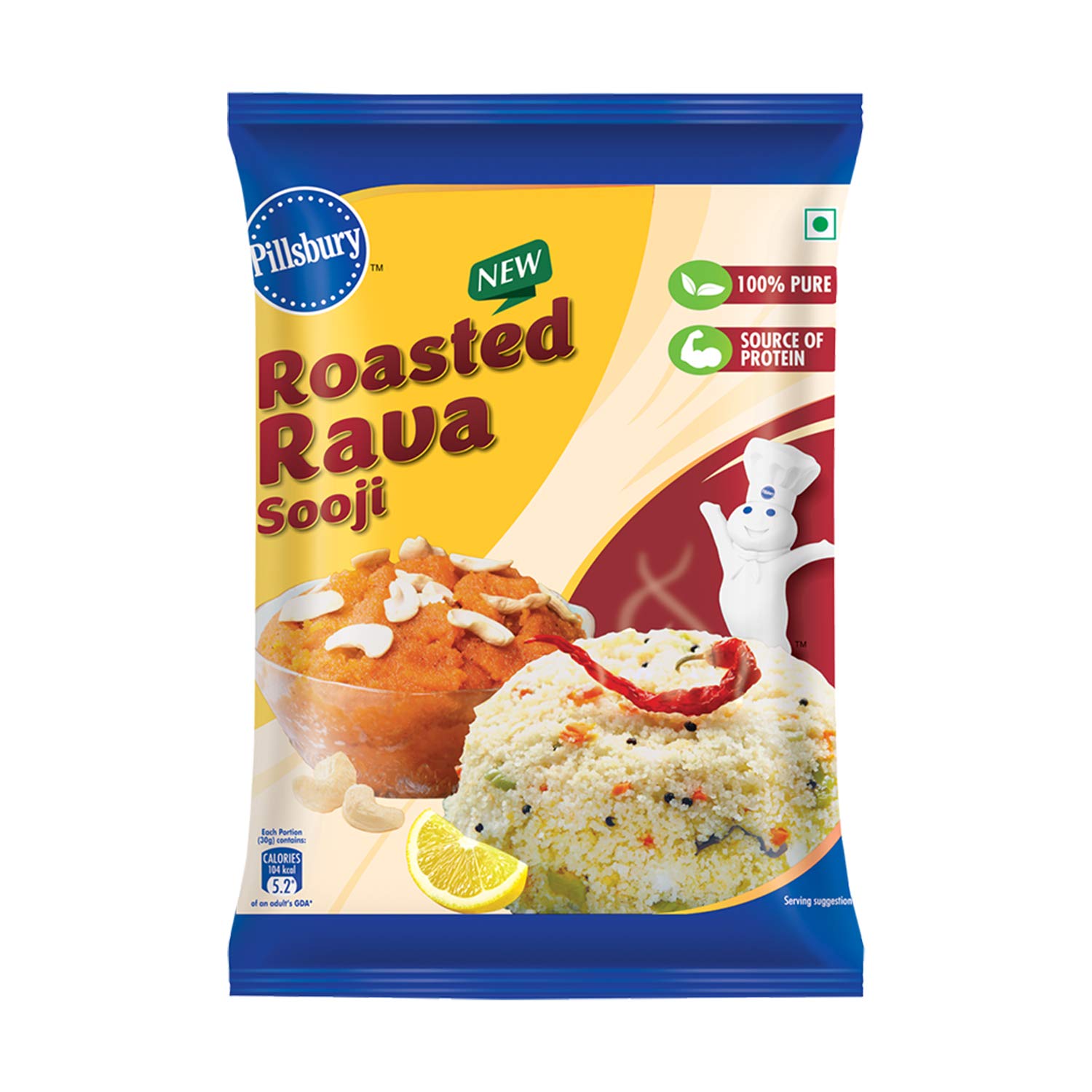
Pillsbury Suji 500g Pack
- ✓ Fine texture for easy cooking
- ✓ Fortified with vitamins and minerals
- ✓ Quick-cooking formula
* We earn a small commission — at no extra cost to you.
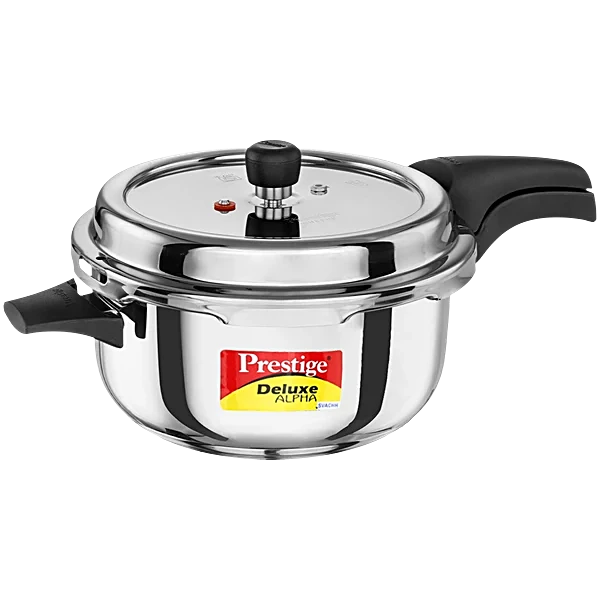
Prestige Outer Lid Stainless Steel Pressure Cooker 2 Litre
- ✓ 2-litre capacity, ideal for small batches
- ✓ Stainless steel body, durable and rust-resistant
- ✓ Safety valve and easy-lock lid system
* We earn a small commission — at no extra cost to you.
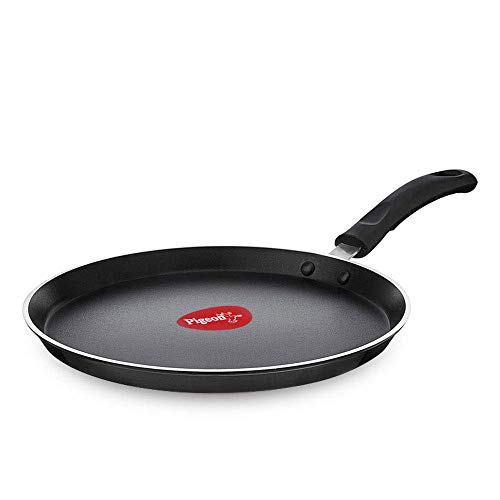
Pigeon Non-Stick Induction Base Cookware 200mm
- ✓ Non-stick coating, easy to clean
- ✓ Induction and gas-compatible
- ✓ Lightweight, ideal for small servings
* We earn a small commission — at no extra cost to you.
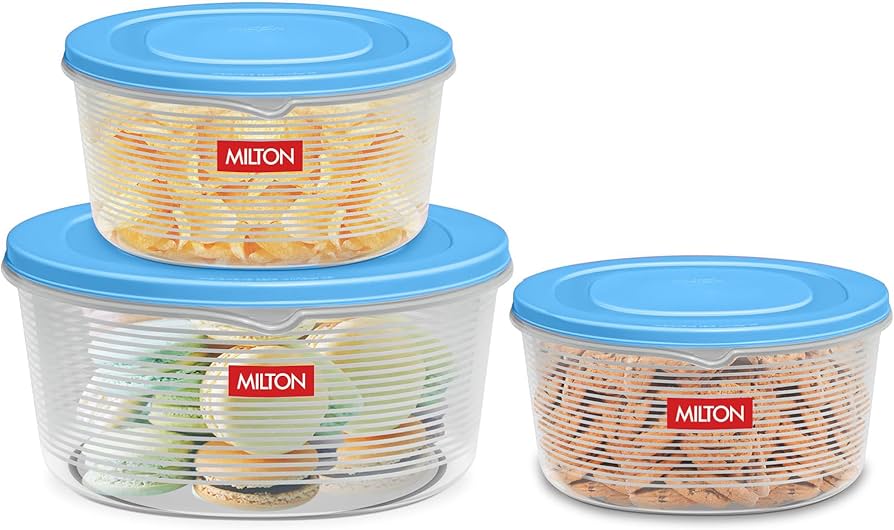
Milton Plastic Food Storage Containers Set of 3 (400ml each)
- ✓ BPA-free, microwave-safe lids
- ✓ Airtight seal for fresh storage up to 24 hours
- ✓ Stackable design for easy fridge storage
* We earn a small commission — at no extra cost to you.