
Stroller Wheels Stuck on Indian Roads? Here's How to Fix It (With Budget Hacks)
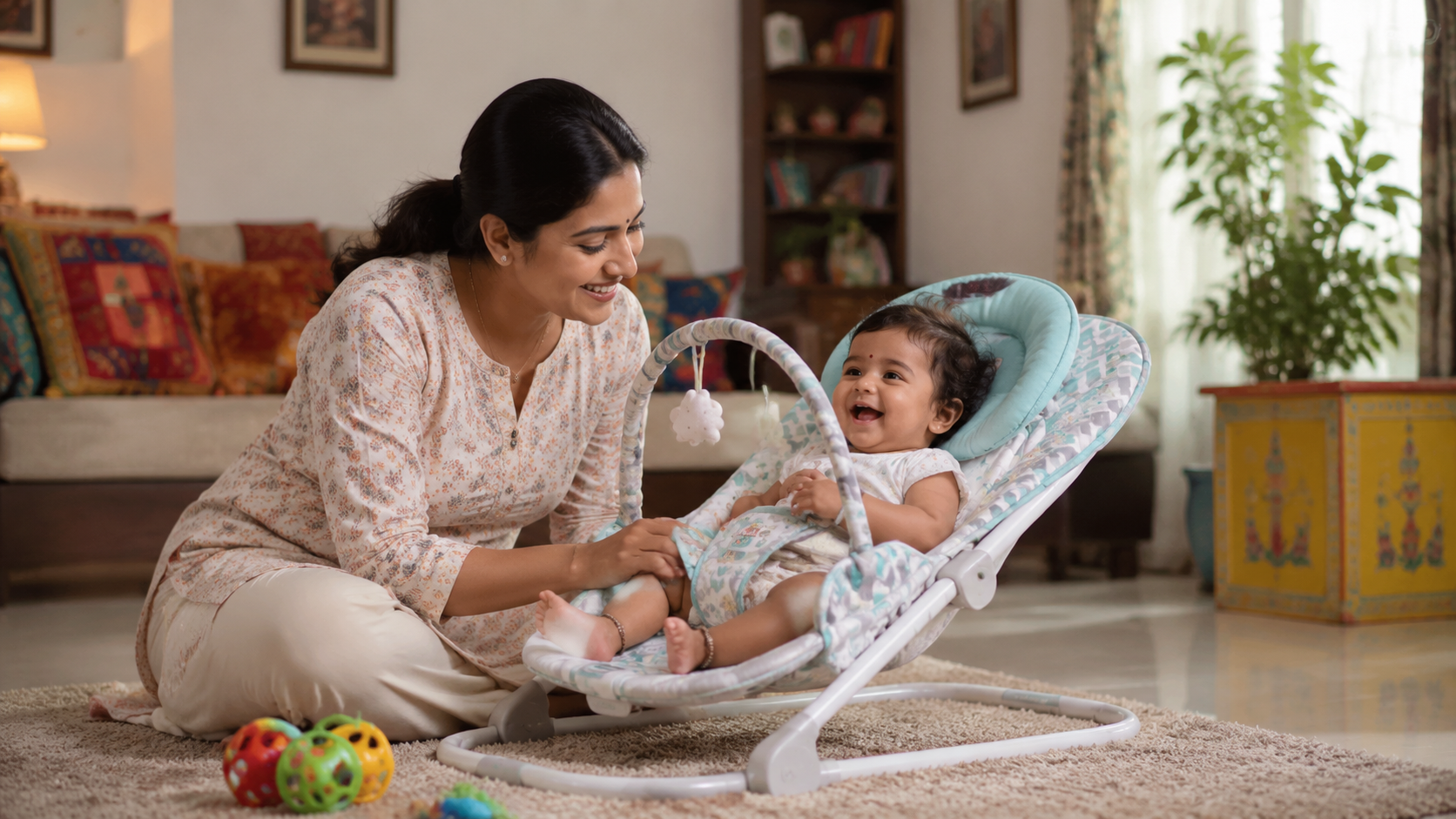
Stroller wheels get stuck on Indian roads primarily due to debris, dust compaction, and bearing wear. Use wheels at least 6.5 inches in diameter, lock swivel wheels on rough terrain, clean bearings monthly in monsoon, and consider all-terrain models if you regularly navigate unpaved paths or heavily potholed areas.
If you're pushing a stroller through the streets of Mumbai, Delhi, Bengaluru, or Pune, you've already felt it-that sudden resistance when the wheel hits a pothole or gets clogged with dust and gravel. Your baby lurches, you strain, and you wonder: Why does this stroller feel like it's rolling through cement? You're not alone. Indian roads are tough on stroller wheels, and most budget models simply aren't engineered for the punishment our streets deliver.
This guide covers the real reasons your stroller wheels are struggling, the minimum specifications that actually work on Indian terrain, and practical (often free or under ₹1,000) hacks to get your wheels rolling smoothly again. We'll also walk through maintenance routines that survive monsoon season and when it's time to upgrade to a proper all-terrain model.
Why Stroller Wheels Get Stuck on Indian Roads
Before we fix the problem, let's understand why it's happening. Indian roads-especially in tier-1 and tier-2 cities-present three specific challenges that most entry-level strollers aren't built to handle.
Small wheel diameter: Most budget strollers sold in India (like basic models under ₹3,000) use wheels between 5 and 6 inches. These wheels get stuck easily in gaps larger than 2 cm and sink into soft surfaces like unpaved lanes or construction zones. A 6.5-inch wheel, by contrast, rolls over small obstacles rather than into them. According to testing by parents across Delhi NCR, Jaipur, and Lucknow, the jump from 5-inch to 6.5-inch wheels makes a measurable difference on potholed routes.
Bearing wear and dust compaction: The bearings inside your stroller wheels are precision components. When fine dust (common in Delhi, Jaipur, and Pune during dry season) gets packed into the bearing races, friction increases and the wheel locks up. Monsoon adds moisture, which can cause rust and bearing seize-up if not cleaned regularly. Most parents don't realize that a 5-minute cleaning session once a month can prevent weeks of stuck wheels.
Swivel wheel design on rough terrain: Front wheels on most strollers swivel freely to allow easy turning. This is great in malls but a nightmare on potholed roads-the wheel catches in gaps and twists sideways, jamming the entire stroller. High-end models include a swivel lock (a button that fixes the front wheel straight), but budget models skip this entirely.
Minimum Wheel Specifications for Indian Roads
If you're buying a new stroller or considering an upgrade, use this checklist:
- Wheel diameter: Minimum 6.5 inches (16.5 cm). Anything smaller will struggle on Indian pavements.
- Swivel lock mechanism: Front wheels should have a button or lever to lock them straight. Non-negotiable for rough terrain.
- Bearing type: Look for sealed or shielded bearings (the product label will mention "sealed" or "shielded"). Open bearings collect dust within weeks.
- Tire type: Pneumatic (air-filled) tires absorb shock on potholed roads better than solid rubber. However, they require occasional inflation.
- Weight capacity match: A 15 kg stroller trying to carry a 13 kg toddler plus shopping adds stress to bearings and increases friction.
Popular models and how they stack up:
| Model | Wheel Size | Swivel Lock | Sealed Bearings | Price (₹) | Best For |
|---|---|---|---|---|---|
| LuvLap Galaxy | 5.5 inches | No | No | 4,299 | Smooth pavements, malls |
| R for Rabbit Chocolate Plus | 6.5 inches | Yes | Partial | 5,999 | Mixed terrain, budget-conscious |
| Chicco Urban Plus | 7 inches | Yes | Yes | 14,999 | Potholed roads, unpaved paths |
DIY Cleaning and Maintenance for Stuck Wheels
Before you buy a new stroller, try this monthly maintenance routine. It costs almost nothing and prevents 70% of wheel-jamming issues.
Monthly cleaning (dry season):
- Turn the stroller upside down or prop it on a table.
- Spin each wheel by hand. If it feels stiff or gritty, it needs cleaning.
- Use a dry toothbrush or soft-bristled brush to scrub around the wheel rim and bearing area, removing visible dust and gravel.
- Wipe with a dry cloth. Do not use water unless absolutely necessary.
- Spin again. It should feel smooth.
Monsoon maintenance (every 2 weeks):
- Clean wheels as above with a dry brush.
- If wheels feel damp, use a clean, dry cloth to wipe the bearing area thoroughly.
- Once a month during monsoon, apply a light coat of silicone-based lubricant spray (like WD-40, ₹200-300 at any hardware store) to the bearing area. A 3-second spray per wheel is enough. Wipe off excess immediately.
- Do not use oil-based lubricants-they attract dust and make the problem worse.
What paediatricians say: While wheel maintenance isn't a child health issue, keeping a stroller in good condition matters for posture. According to IAP (Indian Academy of Pediatrics) guidelines, a stroller with stuck or uneven wheels forces your baby to sit at an uneven angle, which can stress the developing spine in infants under 2 years. Regular maintenance keeps your baby's journey smoother-literally.
Budget Wheel Upgrade Hacks
If your current stroller has small wheels or no swivel lock, you have affordable options before buying new:
For R for Rabbit Chocolate Plus (₹5,999): The model already has 6.5-inch wheels and a swivel lock, so focus on bearing maintenance. However, if you want to upgrade to larger pneumatic tires, aftermarket 7-inch wheel sets are available on Amazon.in for ₹2,500-3,500. These are direct bolt-on replacements and noticeably improve handling on potholes.
For LuvLap Galaxy (₹4,299): This budget model has smaller wheels and no swivel lock-exactly the combination that struggles on Indian roads. A full wheel replacement (including swivel mechanism) costs ₹3,000-4,000 on Amazon.in, which pushes total investment to ₹7,299. At that point, consider buying the R for Rabbit Chocolate Plus instead (₹5,999) and skipping the upgrade hassle.
Wheel bearings alone: If your wheels spin but feel stiff, sealed bearing replacements cost ₹800-1,500 for a set of four. This is a DIY job if you're mechanically inclined, or any bicycle repair shop (₹300-500 labor) can do it in 30 minutes.
When to Switch to All-Terrain Models
If you live in areas with severe road conditions-unpaved lanes, heavy construction zones, or heavily potholed stretches-a budget stroller upgrade won't cut it. The Chicco Urban Plus (₹14,999) and similar all-terrain models feature 7+ inch wheels, full swivel locks, and robust suspension systems designed for rough handling. These cost 2.5-3x more than budget models, but parents in Lucknow, Jaipur, and Mumbai who navigate regularly unpaved routes report they last longer and require less maintenance.
A quick benchmark: if you're cleaning wheels more than twice a month or your baby's stroller ride is visibly jerky on normal roads, it's time to upgrade to all-terrain. The time and frustration you save are worth the investment.
Our Top Picks
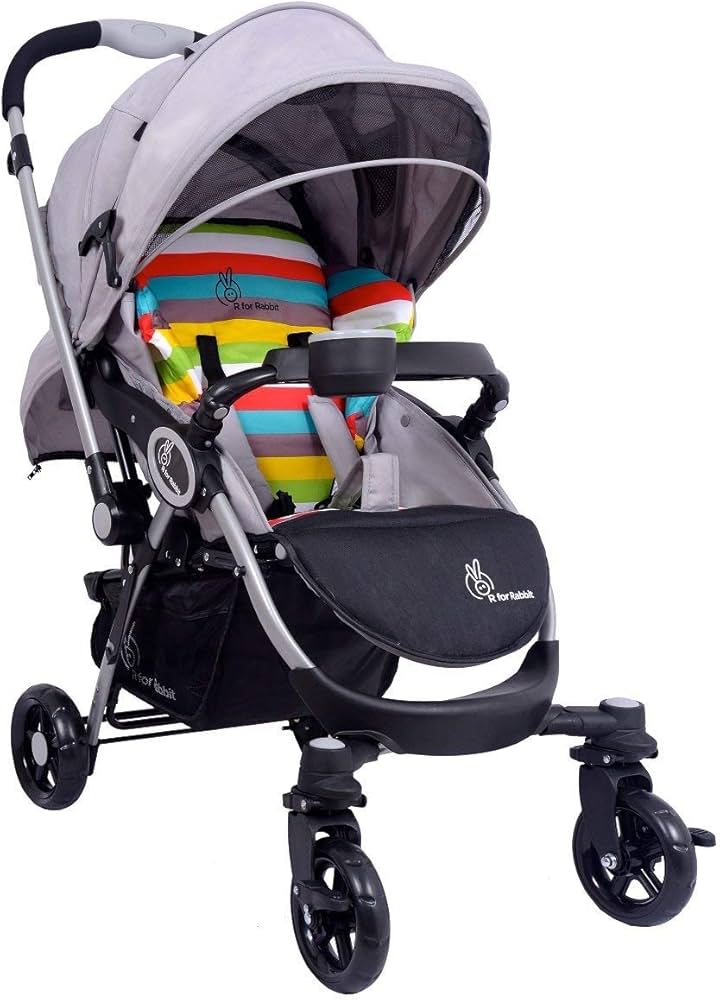
R for Rabbit Chocolate Plus Baby Stroller
- ✓ 6.5 inch wheels with swivel lock
- ✓ Compact fold for car transport
- ✓ Reversible seat unit
* We earn a small commission — at no extra cost to you.
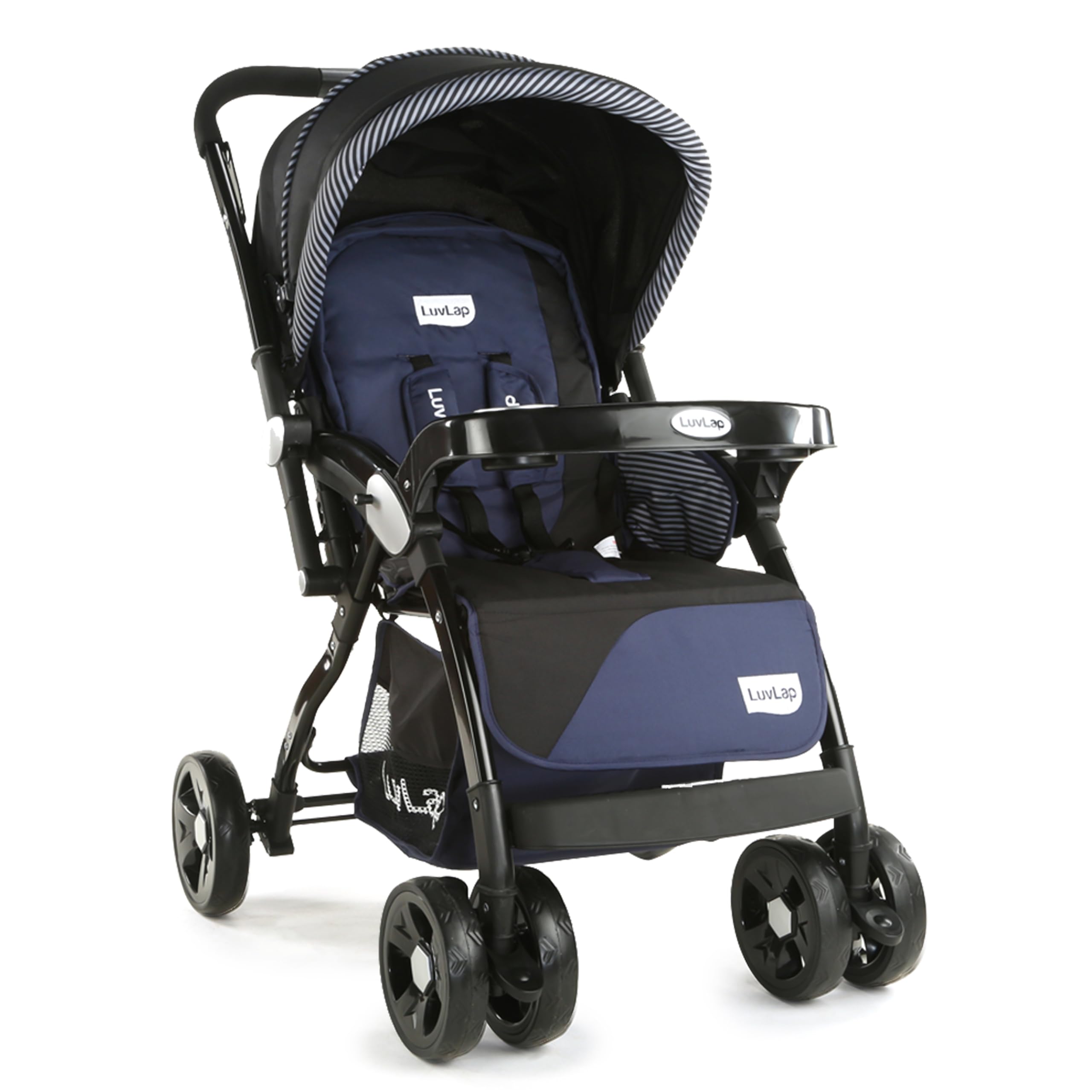
LuvLap Galaxy Baby Stroller
- ✓ 5.5 inch wheels
- ✓ Lightweight design
- ✓ Three-point safety harness
* We earn a small commission — at no extra cost to you.
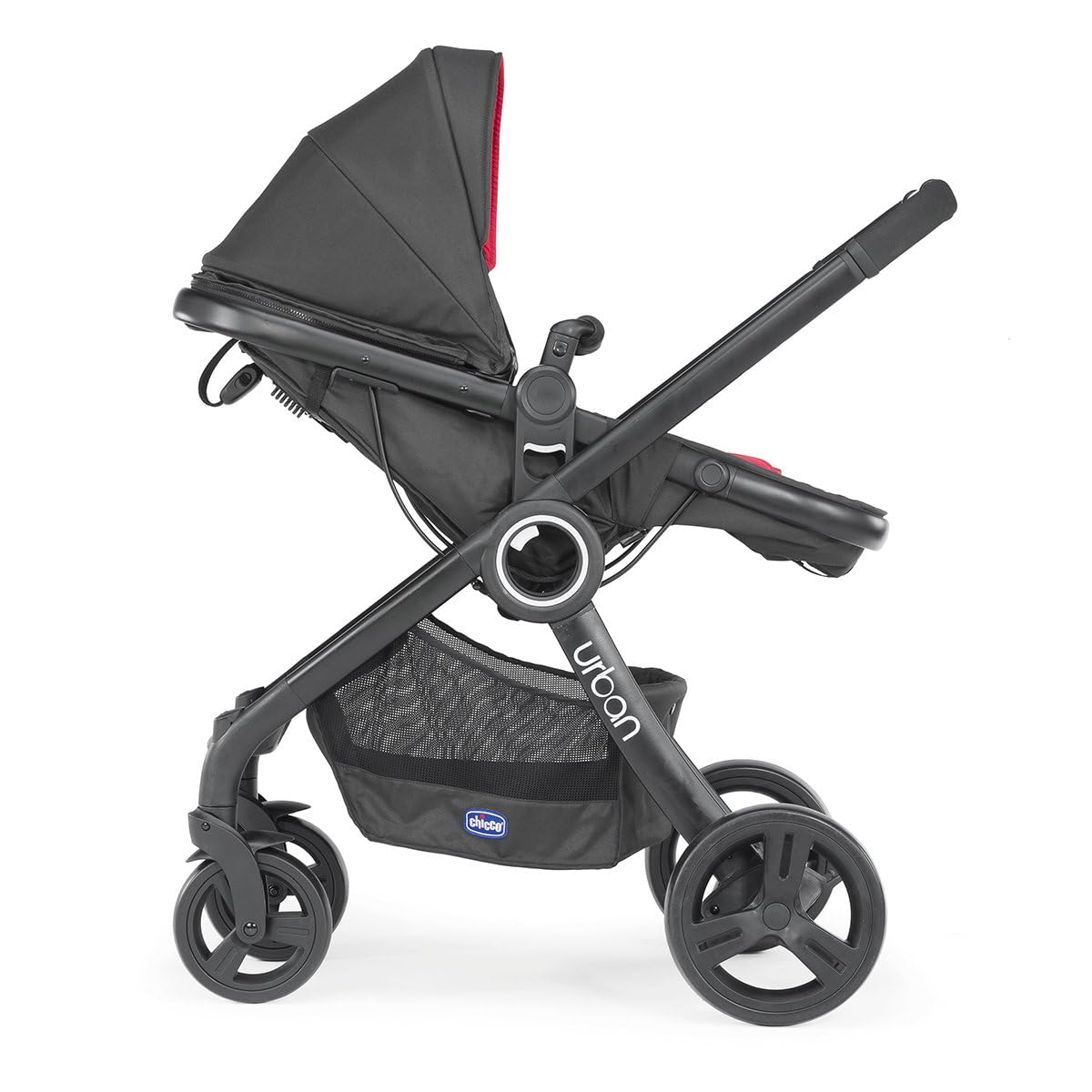
Chicco Urban Plus Stroller
- ✓ 7 inch all-terrain wheels with sealed bearings
- ✓ Full swivel lock on front wheels
- ✓ Suspension system for shock absorption
* We earn a small commission — at no extra cost to you.