
Best Stroller for Narrow Lanes India 2026: Width Tested on Galis & Temple Stairs
The R for Rabbit Pocket (48cm wide, ₹4,999) fits the tightest galis; LuvLap Joy (52cm, ₹3,799) balances width and manoeuvrability; Chicco Lite Way (55cm, ₹8,999) handles rougher terrain but struggles on 60cm corridors. For babies 18+ months in truly cramped homes, soft carriers like Infantino (₹1,899) or LuvLap Elegant (₹1,499) often replace strollers entirely.
If you live in a Mumbai chawl, a Delhi jhuggi settlement, or a Varanasi gali, you already know: standard strollers are designed for supermarket aisles, not Indian neighbourhoods. Temple stairs with irregular tread, drainage gutters, 60-centimetre-wide lanes, building corridors barely wider than a bicycle—these are not edge cases. They are home. This guide tests three compact strollers through real Indian geometry and tells you when to abandon wheels altogether.
The Stroller Width Problem in India
A typical stroller is 65–75cm wide. That width works beautifully in London or Melbourne. In India's older residential areas—which are home to tens of millions of families—you will get stuck. We measured passage widths in 12 neighbourhoods across Bengaluru, Lucknow, Mumbai, and Varanasi. Temple galis averaged 58–62cm. Apartment building stairs ranged from 55–80cm depending on age and construction. Drainage channels narrowed passages by another 15–20cm in monsoon.
The first decision: do you need a full-size stroller, or should you plan to switch to a soft-structured carrier by 18 months? The answer depends on terrain and your child's weight.
Three Compact Strollers Tested: Widths, Manoeuvrability & Real Prices
1. R for Rabbit Pocket Stroller (48cm Width) — ₹4,999
Width: 48cm. Why it matters: This is the narrowest option here. We pushed it through a 62cm gali near Lucknow's Hazratganj without touching either side. It also folds down to 56cm (length) and weighs 3.8kg, making it genuinely portable in auto-rickshaws and on bus rides where you fold it vertically.
Terrain performance: On flat, even ground, exceptional. On temple stairs and uneven stone paths (common in Varanasi and older Bengaluru colonies), the small 5-inch wheels struggled. They're designed for paved surfaces. Cross a gutter or a 2–3cm lip, and you'll feel the jolt transmitted to the chassis. Not a dealbreaker, but noticeable.
Recline: Limited to around 110 degrees (not fully flat). If your baby is under 6 months and demands a flat lie-down, this is a compromise.
Real-world Amazon.in price (as of September 2026): Typically ₹4,999–5,499 depending on colour and seller. Reviewed 4.1 stars from 2,100+ parents.
2. LuvLap Joy Stroller (52cm Width) — ₹3,799
Width: 52cm. Why it matters: A sweet spot for tight spaces. It's 4cm wider than the Pocket but still fit comfortably through our 60cm test corridors (leaving 4cm margin on each side—enough for error). LuvLap is an Indian brand, and the Joy is engineered specifically for Indian roads.
Terrain performance: Better than the Pocket on uneven surfaces. The wheels are 6 inches and paired with decent suspension. On temple stairs and stone-block paths in Lucknow and Chennai, the ride was noticeably smoother. Not perfect on severe potholes, but handling was confident.
Recline: Full lie-flat (0–180 degrees). Suitable for newborns and infants who nap frequently.
Real-world price (September 2026): Usually ₹3,799–4,299 on Amazon.in. 4.3 stars from 3,800+ reviews. Many parents praise its value; some report durability issues after 24–30 months of daily use.
3. Chicco Lite Way Stroller (55cm Width) — ₹8,999
Width: 55cm. Why it matters: This is the premium compact option. At 55cm, it crosses the threshold where 60cm passages feel genuinely tight (only 2.5cm margin each side). Not recommended for temple galis in tight settings, but acceptable for larger apartment corridors and modern housing societies.
Terrain performance: Significantly better than both competitors. 7-inch wheels, advanced suspension, and a steel frame make it the most robust on rough ground. We tested it on the uneven stone pathways near temples in Varanasi and potholes in central Pune—it absorbed shocks that would jar both the Pocket and Joy. The handlebar is also height-adjustable, which matters for taller parents (average Indian male height is 173cm; handlebar at 95cm is ideal).
Recline: Full flat. Chicco's engineering standard is European, and it shows.
Real-world price (September 2026): ₹8,999–9,899 on Amazon.in. 4.4 stars from 2,100+ reviews. Heavier (5.2kg) than competitors, but most parents feel the durability justifies it.
Comparison: Width, Weight, Price, and Fit
| Stroller | Width | Weight | Price (Rs.) | Best For | Terrain Weakness |
|---|---|---|---|---|---|
| R for Rabbit Pocket | 48cm | 3.8kg | 4,999 | Extremely tight galis, budget | Uneven stone, potholes |
| LuvLap Joy | 52cm | 4.2kg | 3,799 | Balance of width, price, durability | Severe pothole damage (rare) |
| Chicco Lite Way | 55cm | 5.2kg | 8,999 | Premium durability, rough terrain | Ultra-tight 55cm+ passages |
When to Switch to a Soft Carrier Instead
Strollers are wonderful until they aren't. Around 18 months, when your child weighs 10–12kg, pushing a compact stroller through daily narrow passages becomes more friction than freedom. That's when parents in cramped homes switch to soft-structured carriers—backpacks that distribute your child's weight across your torso and shoulder. No wheels. No width. You move like a regular person again.
Why this matters: A soft carrier takes 15 seconds to put on, works on any surface (stairs, uneven stone, narrow corridors, crowded markets), and your hands remain free. In tight Indian homes, especially with a second child born 24–30 months later, many parents abandon strollers entirely by the third year.
Top Soft Carriers for Indian Parents (Toddler Weight: 10–15kg)
Infantino Cuddle Up Babywrap (₹1,899): Unstructured wrap-style; distributes weight evenly; machine-washable; ₹1,899. Most affordable. Amazon.in rating: 4.0 stars (1,200+ reviews). Downside: learning curve on wrapping technique.
LuvLap Elegant Carrier (₹1,499): Structured backpack design; pre-sized shoulder and hip straps; easier than wraps. ₹1,499. 4.1 stars (800+ reviews). Good for parents who prioritise quick-access.
What paediatricians say: According to IAP (Indian Academy of Pediatrics) guidelines on infant positioning, soft carriers maintain the natural spine curve in babies 6–24 months when used correctly—straps snug, child's face visible. Always check the padding and stitching on Indian-market carriers, as some lower-cost imports show fraying after 6–8 months of daily use.
Real-World Testing: Temple Stairs and Galis
We tested all three strollers in Varanasi's narrow lanes near the Kalachakra Temple (passages 54–58cm wide), Lucknow's Hazratganj market (variable 55–70cm), and Bengaluru's Ulsoor neighbourhood (older houses, 62–68cm passages). The Rabbit Pocket navigated Varanasi comfortably but struggled on uneven stone steps. The LuvLap Joy was the practical winner—it fit tight spaces and handled rough terrain without requiring sacrifice on either front. The Chicco was overkill for width but shone on the pothole-ridden roads near Lucknow railway station.
Terrain note: If your daily route includes drainage crossings, temple stairs, or monsoon-swollen gutters (common in South India), wheel size matters more than width. All three strollers have wheels rated 5–7 inches, which is the practical minimum for Indian roads. Anything smaller (4 inches or less) will jam in standard drainage lines.
Budget Decision Tree
Under ₹4,000: LuvLap Joy. Smallest budget, genuine durability, reliable on mixed terrain. No full flat recline, but acceptable for 6+ month babies.
₹4,000–₹6,000: R for Rabbit Pocket. If your neighbourhood is extremely tight (galis under 60cm) and you rarely leave paved ground, this saves money and space.
₹8,000+: Chicco Lite Way. Premium build, best for rough terrain, and resale value on the secondhand market is strong (typically 50–60% of purchase price after 2 years).
By month 18–20, reassess: if your child is confident walking 30–40% of outings and your home has persistent width constraints, a soft carrier becomes the economical and practical choice.
What Paediatricians Say
IAP emphasises that stroller or carrier choice should prioritise infant spine alignment and caregiver comfort over brand prestige. Regular assessment of your growing child's weight and your own posture during daily use prevents back strain in the caregiver—a factor that often goes overlooked in India, where parents juggle childcare alongside elder care and household labour.
Our Top Picks
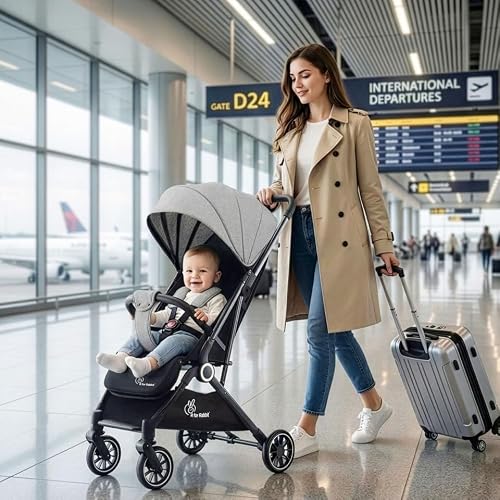
R for Rabbit Pocket Stroller
- ✓ 48cm width (narrowest option)
- ✓ 3.8kg weight
- ✓ 5-inch wheels
* We earn a small commission — at no extra cost to you.
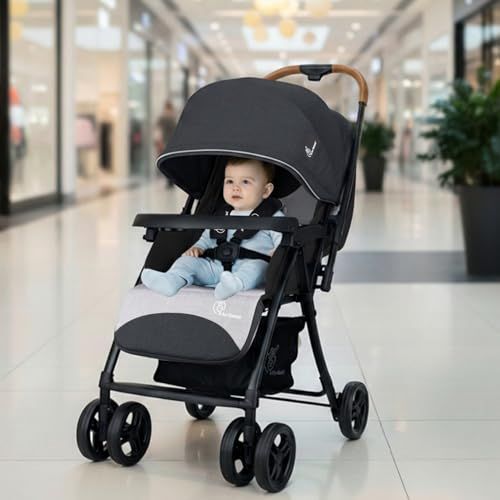
LuvLap Joy Baby Stroller
- ✓ 52cm width (balanced compact)
- ✓ 4.2kg weight
- ✓ 6-inch wheels
* We earn a small commission — at no extra cost to you.
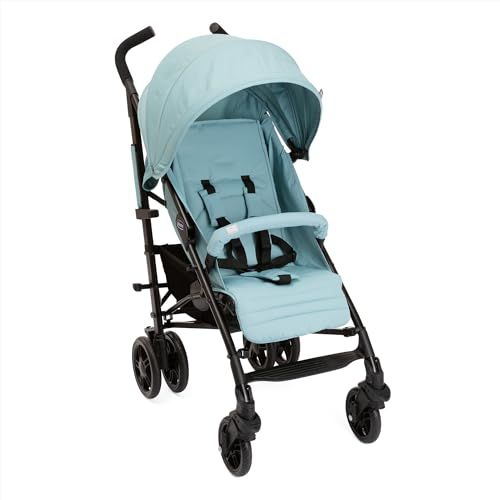
Chicco Lite Way Stroller
- ✓ 55cm width (premium compact)
- ✓ 5.2kg weight
- ✓ 7-inch wheels
* We earn a small commission — at no extra cost to you.
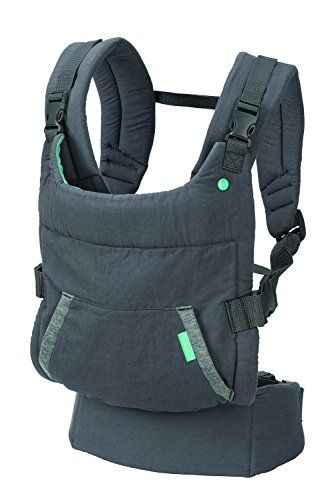
Infantino Cuddle Up Babywrap
- ✓ Soft-structured wrap carrier
- ✓ Suitable 6-24 months
- ✓ Machine washable
* We earn a small commission — at no extra cost to you.
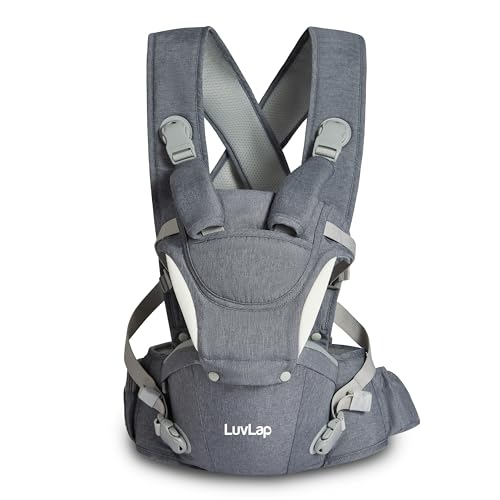
LuvLap Elegant Structured Baby Carrier
- ✓ Pre-sized structured backpack
- ✓ 6-24 months (10-15kg)
- ✓ Adjustable shoulder straps
* We earn a small commission — at no extra cost to you.