
Stroller Fabric Tears on Indian Roads: How to Fix & Prevent Damage

Stroller fabric tears from potholes and rough Indian roads can be fixed with iron-on fabric patches (₹80–150) for small tears or basic sewing kits (₹120–300) for larger damage. Prevention is better: choose strollers with 600D polyester fabric instead of 300D, use protective covers like LuvLap or R for Rabbit, and prioritise models with shock-absorber wheels and reinforced seams.
If you live in Pune, Delhi, Mumbai, or Bengaluru and own a stroller, you've probably seen it happen: a sudden jolt into a pothole, a collision with an autorickshaw, or a scrape against a metal gate, and suddenly there's a rip in your stroller's fabric. It's annoying, it looks shabby, and you worry it'll get worse. The good news? Most tears aren't permanent, and there are real ways to prevent them. Let me walk you through the fixes and the smarter long-term choices.
The most popular budget-friendly options to repair tears are iron-on fabric patches (available on Amazon.in for ₹80–150), basic sewing repair kits (₹120–300), and reinforcement adhesive strips. For protection going forward, stroller covers and rain guards do more than just shield from weather—they actually protect the fabric from road abrasion and sharp impacts.
Why Stroller Fabric Tears Happen on Indian Roads
Let's be honest: Indian roads are rough. Potholes in Delhi can swallow a wheel, Pune's uneven pavements catch stroller feet, and Mumbai's cramped streets mean constant scrapes against walls and gates. The fabric on most budget strollers is typically 300D polyester: a lightweight weave rated at 300 denier (a measure of thread thickness). When a stroller hits a pothole hard or gets pressed against a rough surface, that thin fabric just tears.
The real culprits are three: impact from jolts (potholes, speed bumps, kerb drops), friction damage (dragging across concrete, gate scratches), and manufacturing weak points (poor seam reinforcement, fabric defects). Most parents don't realise that the cheaper the stroller, the lower the denier count of the fabric—and the lower the resistance to tearing.
DIY Repair Methods: What Actually Works
Iron-on fabric patches are your fastest fix for small tears (up to 3–4 cm). These stick-on patches use heat-activated adhesive and require only a household iron. Heat the patch to the back of the tear, press for 10–15 seconds, and it's sealed. Cost: ₹80–150 on Amazon.in. Brands like Pidilite and generic craft suppliers sell reliable ones. The catch: patches don't stretch, so they're visible and can feel stiff on fabric that moves.
Hand-sewing or basic repair kits are better for durable fixes. Kits (₹120–300) include needle, thread, and simple instructions. A basic whip-stitch or ladder-stitch closes the tear without bulk. If the tear is fraying badly, apply a small dab of fabric glue around the edges first, let it dry, then stitch. This takes 20–30 minutes but looks neater and lasts longer than patches.
Reinforcement adhesive strips (₹150–250) are like wide tape—they're applied to the underside of the tear, pressing the fabric together without visible damage on top. These are gentler on fabric that flexes, and they're reusable if the stroller cover is removable. Popular brands on Amazon.in include Fevicol fabric glue and generic fabric repair tapes.
For tears larger than 5 cm or tears in seams, hand repair is risky. Many parents in Bengaluru and Delhi have reported success taking strollers to local tailors (₹150–400 labour charge) for professional stitching, especially if the fabric is washable.
Prevention: Fabric Type, Covers & Shock Absorption
The real win is not letting tears happen in the first place. When choosing or protecting a stroller, focus on three factors: fabric thickness, protective covers, and suspension.
Fabric denier matters. 600D polyester is the sweet spot for Indian roads—it's twice as thick as 300D, resists abrasion much better, and costs only slightly more. Brands like Mee Mee, LuvLap, and R for Rabbit's premium range use 600D or higher. When buying a new stroller, always check the fabric spec on Amazon.in's product details or the brand's website. A 600D fabric tear is rare; 300D tears are almost inevitable after 12–18 months of daily use on Indian roads.
Protective covers are underrated. The LuvLap Stroller Cover (₹349) or R for Rabbit Rain Cover (₹599) do triple duty: they shield from sun, rain, and road abrasion. A cover acts as a sacrificial layer—it gets scratched and dirty, not your stroller fabric. Parents in Pune and Mumbai report that covers reduce visible wear by 60–70%. They're washable, durable, and pay for themselves in extended stroller life.
Shock-absorber wheels matter. Strollers with multi-axle or suspension-based wheel systems (found on models from brands like Mee Mee Superb Stroller and R for Rabbit Rabit Plus) distribute impact across multiple points instead of jarring the fabric. This isn't just comfort for baby—it's structural protection. Wheels absorb jolts; fabric doesn't tear as easily.
What Paediatricians Say
What Paediatricians Say
While fabric tears aren't a direct infant safety issue, they matter: exposed stitching or foam padding can snag on baby's clothing, and a damaged stroller may have compromised suspension, affecting ride quality. IAP (Indian Academy of Pediatrics) recommends regular equipment checks for safety and hygiene. A torn stroller cover is also more likely to collect dust and bacteria—especially during monsoon months in coastal cities. Regular inspection and prompt repair prevent these secondary issues.
Stroller Fabric Comparison Table
| Fabric Type | Denier | Tear Resistance | Typical Price Impact | Best For Indian Roads? |
|---|---|---|---|---|
| 300D Polyester | 300 | Low—tears easily from impact or friction | Base price (₹3,000–6,000) | No—expect tears within 12–18 months |
| 600D Polyester | 600 | High—resists abrasion and mild impacts | +₹800–1,500 | Yes—lasts 3+ years with normal use |
| Nylon Blend (600D+) | 600+ | Very High—most durable option | +₹1,500–2,500 | Yes—premium, lasts 4+ years |
Choosing 600D over 300D is not a luxury—it's a practical investment for parents in tier-1 and tier-2 Indian cities. The ₹800–1,500 upfront difference pays back within a year when your stroller isn't falling apart.
Our Top Picks
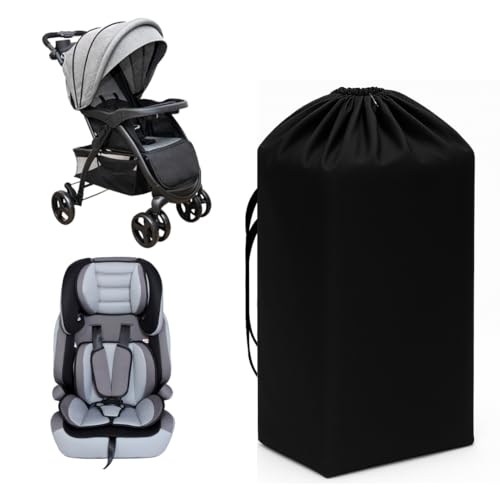
LuvLap Stroller Cover
- ✓ Protective mesh fabric shield
- ✓ Universal fit for most stroller models
- ✓ Washable and reusable
* We earn a small commission — at no extra cost to you.
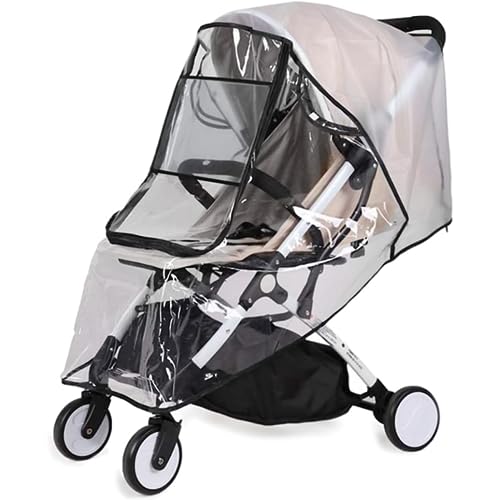
R for Rabbit Rain Cover for Stroller
- ✓ 600D polyester reinforced fabric
- ✓ Waterproof and dust-resistant
- ✓ Fits R for Rabbit and most universal stroller models
* We earn a small commission — at no extra cost to you.
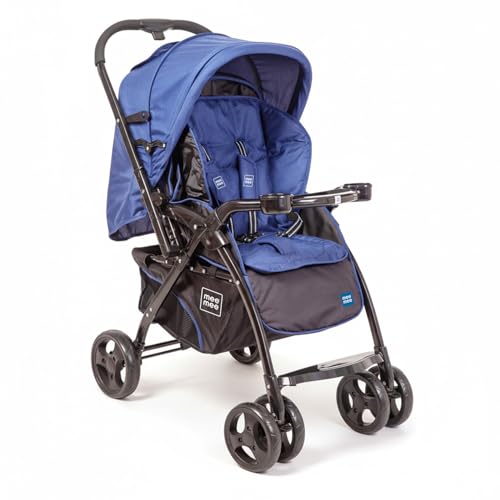
Mee Mee Stroller with Shock Absorber Wheels
- ✓ 600D polyester fabric with reinforced seams
- ✓ Dual suspension shock-absorber wheels
- ✓ Lightweight aluminium frame
* We earn a small commission — at no extra cost to you.
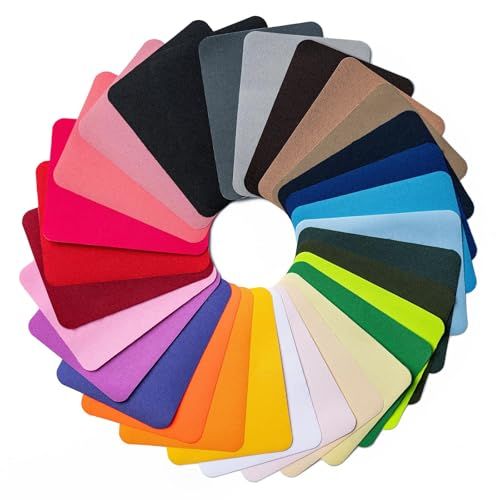
Generic Fabric Repair Iron-On Patches (5 pack)
- ✓ Self-adhesive heat-activated patches
- ✓ Multiple sizes included (5-8 cm patches)
- ✓ Works on polyester and cotton fabrics
* We earn a small commission — at no extra cost to you.
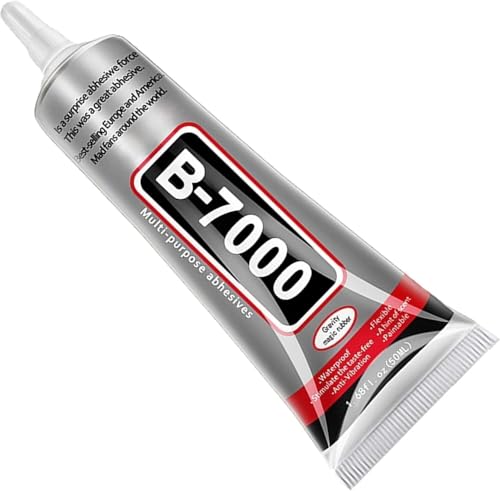
Fevicol Fabric Glue Repair Kit
- ✓ Waterproof fabric adhesive for durable bonds
- ✓ Includes brush applicator
- ✓ Cures in 24 hours, machine washable after 48 hours
* We earn a small commission — at no extra cost to you.
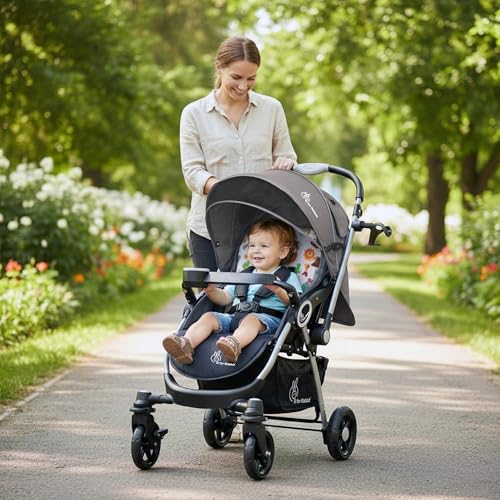
R for Rabbit Rabit Plus Stroller
- ✓ Premium 600D+ nylon blend fabric
- ✓ Suspension-based wheel system for shock absorption
- ✓ Reinforced seams at stress points, 3-year durability on Indian roads
* We earn a small commission — at no extra cost to you.