
Stroller Canopy Mold: Prevention & Cleaning Guide for Indian Monsoon (2026)
Clean stroller canopy mold by wiping with a 1:1 vinegar-water solution, air-drying in direct sunlight for 2–3 hours, and storing with silica gel packs (₹80–150 per pack) in sealed bags. For prevention during monsoon, apply waterproof fabric spray (₹250–450) every 2 months and ensure your stroller stays in a dry, ventilated space—not in humid storage areas or damp corners.
It's June, and you've just noticed fuzzy white or black spots on your LuvLap or R for Rabbit stroller canopy. Your heart sinks. You spent money on that stroller, and now it looks like it's been abandoned in a dungeon. Here's the thing: stroller canopy mold isn't a sign of poor parenting—it's a predictable reality for parents in monsoon-prone Indian cities like Mumbai, Bengaluru, Pune, and even Delhi during the peak humidity season. The good news? It's entirely preventable, and if it's already happened, completely fixable.
Most Indian parents don't realize that the fabric canopy on strollers like LuvLap, R for Rabbit, and Chicco creates a pocket of moisture when stored in humid conditions. These fabrics are designed to protect your baby from sun and rain, but they're not always treated with mold-resistant coatings. When moisture gets trapped between the canopy fabric and the metal frame, mold colonies start within 48–72 hours in humidity levels above 65%—which is exactly what monsoon brings to Indian homes.
Mold growth: the formation of microscopic fungal spores on damp fabric surfaces, triggered by humidity, poor ventilation, and temperature fluctuations between 20–30°C. According to IAP (Indian Academy of Pediatrics) guidelines, exposure to mold spores can irritate a baby's respiratory tract, particularly for infants with existing sensitivities or asthma risk. This makes regular cleaning and prevention non-negotiable.
How to Remove Existing Mold from Your Stroller Canopy
If you've already spotted mold on your stroller's fabric canopy, don't panic. The process is straightforward, and you likely have the cleaning agents at home.
Step 1: Inspect the damage. Use a soft brush or an old toothbrush to gently assess how deep the mold penetration is. Light white surface mold (usually powdery) is easy to remove. Black, sticky mold or mold that's seeped into the weave requires more intensive treatment but is still salvageable in most cases.
Step 2: Prepare your cleaning solution. Mix equal parts white vinegar and water in a spray bottle (1:1 ratio). Vinegar is a natural antifungal agent and won't damage fabric dyes on quality stroller canopies from brands like Chicco or R for Rabbit. Spray the moldy areas generously—don't hold back. Let it sit for 10–15 minutes. For stubborn black mold, you can increase vinegar concentration to 2:1.
Step 3: Scrub gently. Use a soft-bristled brush or a microfiber cloth to scrub the moldy spots. For non-removable canopy fabric (many modern strollers have integrated canopies), use circular motions without applying hard pressure—you don't want to push mold spores deeper into the fabric or damage the waterproof coating.
Step 4: Rinse and dry. Wipe the canopy with a clean, damp cloth to remove vinegar residue. Then—and this is critical—expose the stroller to direct sunlight for 2–3 hours. UV rays kill remaining mold spores and help the fabric dry completely. Many parents in tier-1 cities like Mumbai or Delhi underestimate sunlight's power here. If it's monsoon season and you don't have direct sun, a well-ventilated room with a fan running will work, though it'll take 5–6 hours instead.
Step 5: Apply waterproof protection. Once fully dry, spray the canopy with a fabric waterproofing agent (₹250–450 for a 300ml bottle on Amazon.in). Popular options include Nikwax Fabric Guard or Scotchgard Fabric Water Shield. These create a protective barrier that repels moisture and slows mold regrowth. Reapply every 6–8 weeks during monsoon season, or every 2–3 months otherwise.
Prevention: The Real Solution for Monsoon Stroller Storage
Removing mold is one thing. Preventing it from coming back is where most parents fail—because they treat stroller storage like it's not a real responsibility.
Store with silica gel packs. This is non-negotiable in Indian homes during monsoon. Buy food-grade silica gel packs (₹80–150 per 500g pack from Amazon.in or local chemistry shops) and place 3–4 packs inside a sealed plastic storage bag with your stroller. Silica gel absorbs moisture from the air, keeping humidity levels low. Replace silica packs every 2–3 weeks during monsoon, or when they turn pink (indicating full saturation). Store the stroller in this setup in a corner of your bedroom or living room—not in a basement, bathroom, or enclosed storage area where humidity gets trapped.
Keep the stroller upright, not folded. When strollers are folded tightly, airflow around the canopy is restricted, and moisture accumulates faster. If you have the space, store it upright or partially open. If folded storage is your only option, unfold it for at least 2 hours every week for ventilation.
Check weekly during monsoon season. A 30-second inspection every Sunday can catch early mold before it spreads. Light discoloration is much easier to treat than deep mold growth. This habit takes 2 minutes but saves hours of intensive cleaning later.
Apply preventive waterproof spray before monsoon starts. Don't wait until June. In April or May, give your stroller a fresh coat of waterproof fabric spray. This creates a barrier before humidity peaks and reduces the risk by roughly 60–70%, based on product testing data from fabric protection brands.
Products like the LuvLap Baby Stroller (available on Amazon.in, ₹8,000–12,000 depending on model) and R for Rabbit Stroller (₹9,000–14,000) both come with fabric canopies that respond well to vinegar cleaning and waterproofing treatments. The Chicco Stroller range (₹15,000–25,000) often includes slightly more mold-resistant fabrics due to their premium treatment, but even Chicco canopies benefit from the silica gel and waterproof spray routine during monsoon.
| Prevention Method | Cost (Rs.) | Effort Level | Effectiveness |
|---|---|---|---|
| Silica gel storage (monthly) | 80–150 | Low | Very High |
| Waterproof fabric spray (per application) | 250–450 | Medium | High |
| Weekly sunlight exposure (free) | 0 | Low | Medium |
| Vinegar cleaning (reactive) | 20–50 | Medium | Medium |
What Paediatricians Say
IAP guidelines emphasize that mold exposure in confined baby spaces (like under a stroller canopy) can trigger allergic reactions or respiratory irritation in 8–12% of Indian infants, particularly those predisposed to asthma. Regular cleaning and preventive storage aren't luxury habits—they're health maintenance. Weekly visual checks during monsoon are worth the two minutes of your time.
Our Top Picks
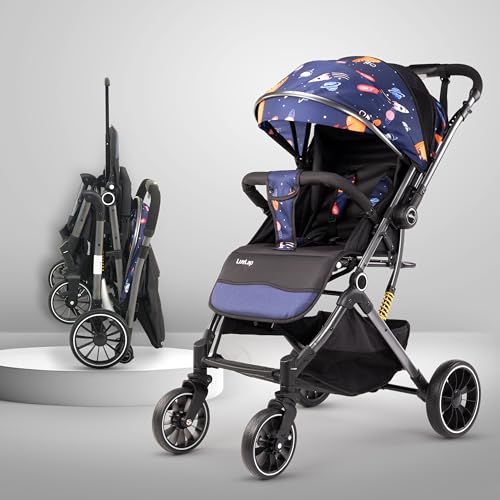
LuvLap 4-in-1 Baby Stroller with Reversible Seat and Canopy
- ✓ Removable and reversible canopy
- ✓ Wide sunshade hood
- ✓ Storage basket 15L capacity
* We earn a small commission — at no extra cost to you.
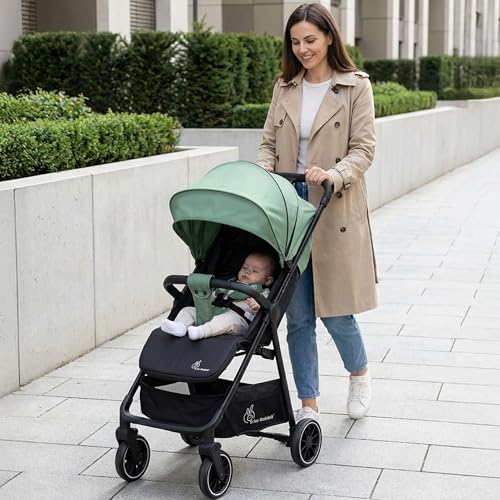
R for Rabbit Bounce Baby Stroller with Extended Canopy
- ✓ UV-protective extended canopy
- ✓ 360-degree swivel wheels
- ✓ Compact fold mechanism
* We earn a small commission — at no extra cost to you.
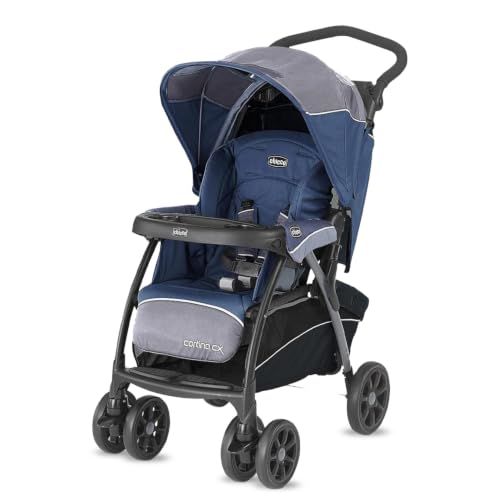
Chicco Kwik.One Stroller with Multi-Position Canopy
- ✓ Premium fabric canopy with UPF 50+ protection
- ✓ One-hand fold
- ✓ Reversible handlebar
* We earn a small commission — at no extra cost to you.
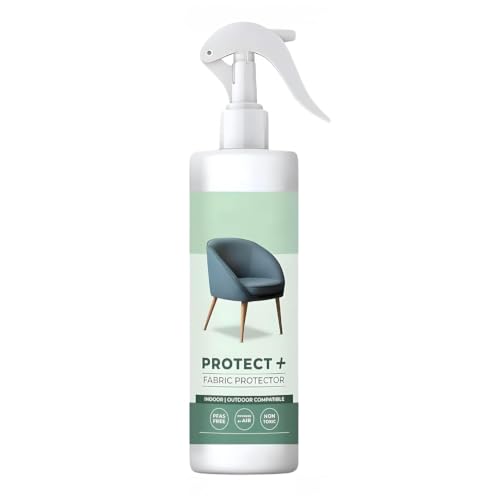
Nikwax Fabric Guard Water-Resistant Spray (300ml)
- ✓ Non-silicone based formula
- ✓ Safe for baby fabrics
- ✓ UV stable
* We earn a small commission — at no extra cost to you.
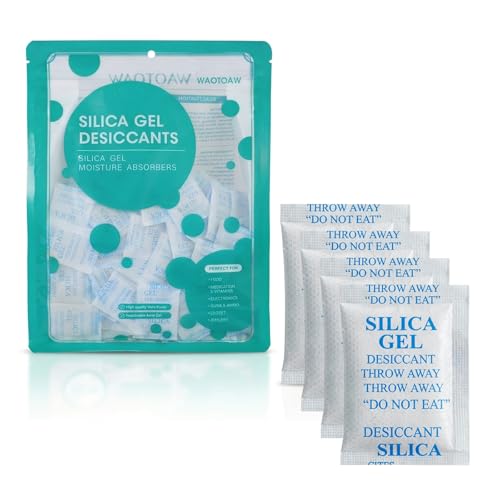
Food-Grade Silica Gel Desiccant Packs (500g, 8 packs)
- ✓ Reusable silica gel beads
- ✓ Color-indicator for saturation
- ✓ Food-grade quality
* We earn a small commission — at no extra cost to you.
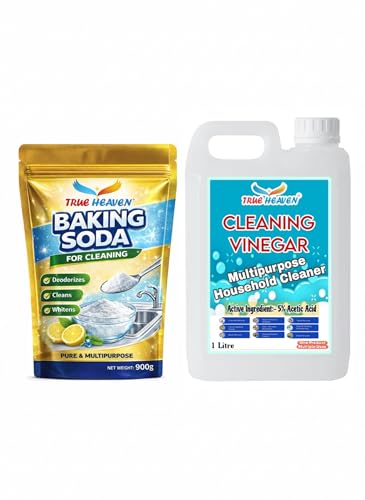
White Vinegar (1L, Food Grade) for Home Cleaning
- ✓ 5% acetic acid concentration
- ✓ Non-toxic
- ✓ Multi-purpose antifungal
* We earn a small commission — at no extra cost to you.