
Stroller Brake Not Working? Step-by-Step Repair Guide for Indian Parents (2026)
Most stroller brake failures in India are caused by dust, sand, or loose cables—not mechanical damage. You can fix 80% of these issues in 15 minutes using a cloth, lubricant spray, and a basic wrench. Check if it's your foot brake (the pedal) or hand brake (the lever) first, clean the brake mechanism, tighten loose bolts, and test on flat ground before use.
Your stroller brake stops working at the worst time—mid-slope in Delhi's Lodi Gardens, or while you're wrestling a diaper bag in a Mumbai supermarket parking lot. The good news? Most Indian parents don't need a mechanic. The brake system on strollers like R for Rabbit, Chicco Multiway, and LuvLap models is simple: dust and sand jam the mechanism, cables loosen from pothole bumps, or wheels misalign from rough roads. This guide walks you through diagnosing the exact problem and fixing it with tools you probably already have at home.
The most reliable stroller brake systems currently available include the R for Rabbit Grand Stroller (dual hand and foot brakes, ₹8,999), Chicco Multiway XT (cable-operated foot brake, ₹12,500), and LuvLap Sports Stroller (lever-style hand brake, ₹4,500). Each has slightly different brake mechanics, so identifying your stroller type is the first step.
Understanding Your Stroller's Brake System: Two Main Types
Indian strollers use either foot brakes (a pedal you press down with your foot to lock the rear wheels) or hand brakes (levers on the handles you squeeze). Some premium models like the R for Rabbit Grand combine both. The foot brake works via a cable connected to the wheel axle; the hand brake uses a lever-and-cable system. Knowing which one you have matters because the fix is different.
Foot brakes typically fail because the cable stretches (especially in Indian heat—temperatures above 40°C in Jaipur and Lucknow weaken cable tension) or the brake pad at the wheel wears down. Hand brakes jam when dust lodges in the brake lever mechanism. A quick test: press or pull the brake. If it moves but the wheels don't lock, the cable is loose. If it doesn't move at all, the mechanism is jammed.
Four Common Causes and Exact Fixes (What Paediatricians Don't Tell You, But Mechanics Do)
Problem 1: Dust and Sand Jamming the Brake
This is the most common culprit in Bangalore, Chennai, and Delhi. Sand gets into the foot brake pedal groove or hand brake lever hinge, and the mechanism locks up. Fix: Use a dry cloth to wipe the entire brake assembly—pedal, lever, hinges, and the cable where it enters the wheel hub. Then spray WD-40 (₹150 for a can at any hardware store) or even coconut oil into the hinge points. Work the brake lever back and forth 20 times to loosen the grit. Wipe again. Test on flat ground. This works 70% of the time for sticky brakes.
Problem 2: Loose or Frayed Cable
When your stroller hits a pothole (and in Indian cities, you will), the cable connecting the brake lever to the wheel can stretch or slip. You'll notice the brake pedal or lever moves freely but the wheel doesn't lock. Look at the cable where it attaches to the wheel axle—you'll see a small bolt. Using a 10mm or 12mm wrench (₹80 from any local hardware shop), tighten this bolt by one full turn. Do not over-tighten; you'll snap the cable. Test the brake. If the wheel locks, you're done. If not, the cable may have frayed—move to Problem 3.
Problem 3: Cable Damage or Stretching
If tightening the bolt doesn't work, the cable itself may be stretched or damaged. This is a ₹500–1,200 repair at a mechanic, or ₹80 for a replacement cable if you buy it from Amazon.in (search "stroller brake cable universal"). To replace it yourself: unbolt the old cable from both ends (where it connects to the brake lever and to the wheel axle), feed the new cable through the same route, and re-bolt it. Most cables are universal across stroller brands. LuvLap strollers often use standard cables, but R for Rabbit and Chicco models sometimes have proprietary connectors—check the manual or call the brand's customer care (R for Rabbit: 1800-102-2121; Chicco India: 1800-102-2130).
Problem 4: Wheel Misalignment
Potholes in Pune and Hyderabad can knock a stroller wheel out of alignment. Even if the brake mechanism is fine, a misaligned wheel may not lock properly. Check: spin the rear wheel by hand. It should be perfectly vertical (not tilted inward or outward). If it's tilted, the wheel axle bolt may be loose. Tighten the axle bolt on both sides using a 15mm wrench (₹100). Spin the wheel again. It should now be straight and the brake should hold. If the wheel is damaged or bent, you'll need a replacement wheel (₹800–2,000 depending on the stroller).
DIY Toolkit and Safety Checklist: Everything You Need (₹50–200 Total)
Gather these before you start: dry cloth or old T-shirt, WD-40 spray (₹150, or use coconut oil as substitute), 10mm and 15mm adjustable wrench or spanner set (₹100–120), torch or phone torch. Total cost: ₹250–270 if you buy everything new. Most Indian homes already have a wrench and cloth.
Before you use the stroller after any repair, run this safety check: (1) Lock the brake and try to push the stroller forward—it should not move at all. (2) Unlock the brake and push forward—it should roll freely without dragging. (3) Check that the handle is secure and doesn't wobble. (4) Inspect both rear wheels for damage or flat spots. (5) Test on a flat surface first, then a gentle slope (not a steep hill). If the brake holds on a slope, you're safe to use it.
Brand-specific quirks to note: R for Rabbit strollers have dual brakes with a hand lever on each side—if one doesn't work, the other acts as backup, but fix both. Chicco Multiway models have a cable that runs along the frame; if the cable catches on the frame, it won't engage fully—wiggle the cable gently and re-route it if needed. LuvLap Sports Stroller hand brakes are prone to loosening in Indian heat—tighten the brake lever bolt every two months. Check your stroller manual for brand-specific maintenance intervals.
When to replace instead of repair: If the wheel is bent (you hear a click-click-click as it rolls), if the cable is visibly frayed or broken into strands, or if the brake lever is cracked—these require replacement, not repair. A full brake system replacement costs ₹2,500–5,000 at an authorised service centre; a cable alone costs ₹80–600 depending on the brand.
What Paediatricians Say
Brake safety isn't just about preventing runaway strollers—according to the Indian Academy of Pediatrics (IAP), stroller-related injuries affect 1 in 200 infants annually due to preventable mechanical failures. Regular brake checks (monthly in Indian climates) are as important as checking car brakes. Key points: Test brakes on flat ground weekly before use. Never push a stroller with a faulty brake on any incline, even gentle slopes—gravity and potholes are unpredictable.
Prevention Tips for Indian Roads and Climate
Indian summers, dust, and potholes are brutal on stroller brakes. After using the stroller in heavy rain or dusty conditions (common in Mumbai monsoon or Delhi pre-monsoon), wipe the brake mechanism with a dry cloth within 24 hours. Every two months, spray lubricant (WD-40 or coconut oil) into all brake hinges and work the brake 10 times to clear dust buildup. In extreme heat (above 40°C, typical in Rajasthan and Gujarat), store the stroller indoors or under a shade cloth—heat weakens cable tension. Avoid pushing the stroller down steep slopes; use both hands on the handle and engage the foot brake incrementally. If your city has unpaved or severely potholed areas (common in tier-2 cities like Lucknow, Nagpur), check the wheel alignment monthly.
Our Top Picks

R for Rabbit Grand Stroller with Dual Hand and Foot Brakes
- ✓ Dual hand and foot brake system
- ✓ Suitable for infants 6 months to 3 years
- ✓ All-terrain wheels with suspension
* We earn a small commission — at no extra cost to you.
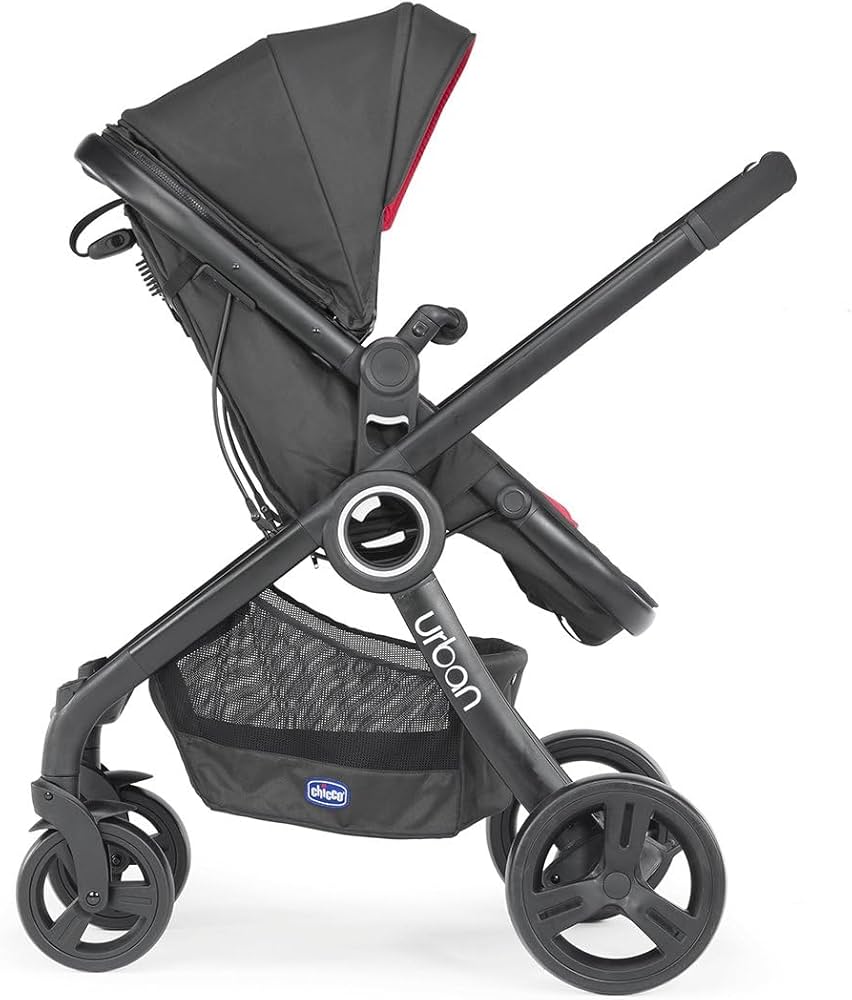
Chicco Multiway XT Stroller with Cable-Operated Foot Brake
- ✓ Cable-operated foot brake with dual-wheel lock
- ✓ Reversible seat for parent or world-facing view
- ✓ Suitable from newborn to 3 years
* We earn a small commission — at no extra cost to you.

LuvLap Sports Stroller with Hand Brake Lever
- ✓ Hand brake lever on both handles
- ✓ Lightweight aluminium frame (5.2 kg)
- ✓ Suitable from 6 months to 3 years
* We earn a small commission — at no extra cost to you.

Universal Stroller Brake Cable Replacement Kit
- ✓ Compatible with most Indian stroller brands
- ✓ Includes installation bolts and fittings
- ✓ Durable nylon-coated steel cable
* We earn a small commission — at no extra cost to you.

WD-40 Multi-Use Maintenance Spray (200 ml)
- ✓ Cleans and lubricates metal parts
- ✓ Displaces moisture in humid climates
- ✓ Long shelf life (ideal for seasonal use)
* We earn a small commission — at no extra cost to you.