
Spinach Moong Dal Soup for 10-Month Babies: 10-Minute Pressure Cooker Recipe with Iron-Boost Tips
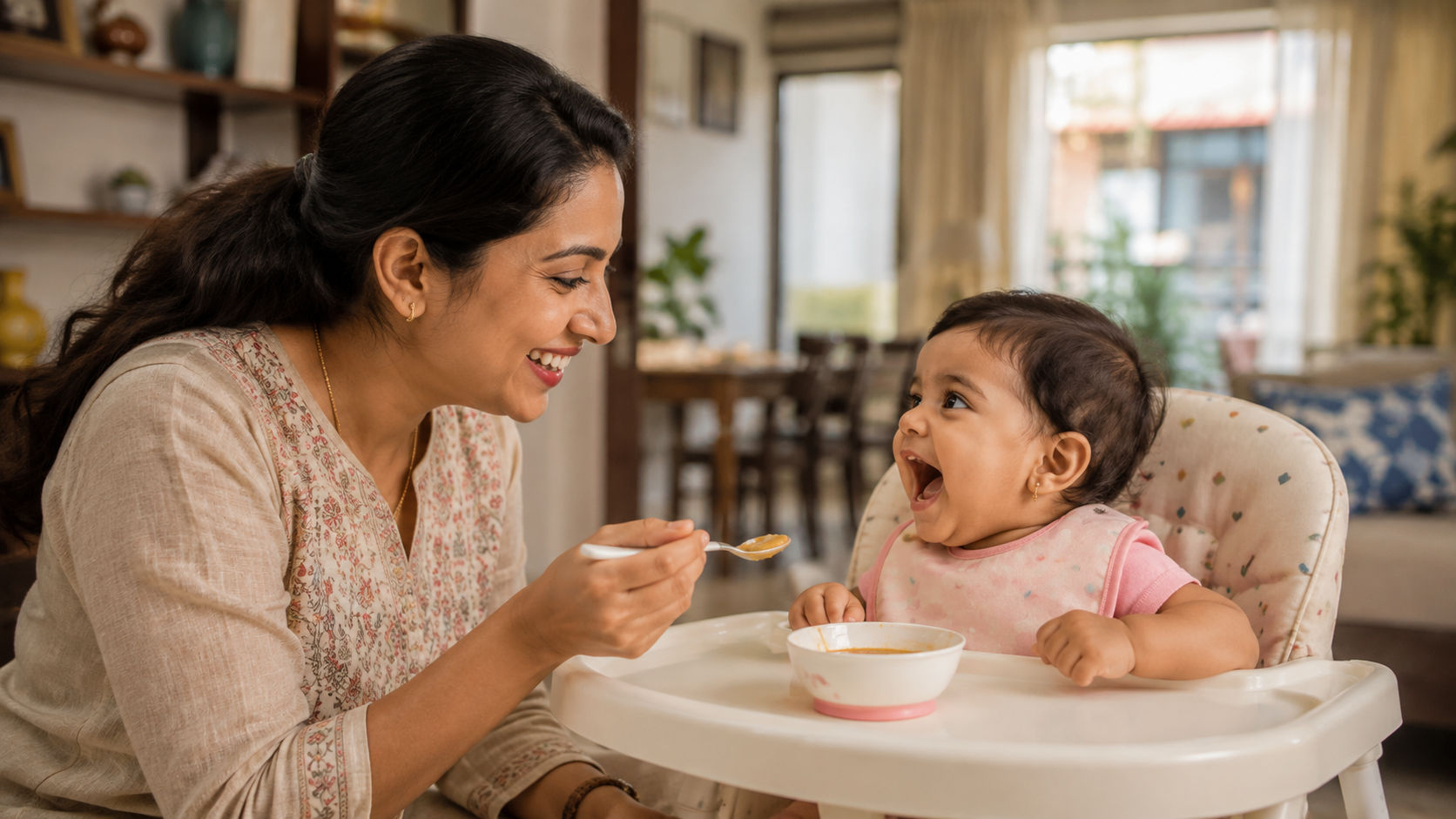
Spinach moong dal soup for 10-month babies takes 10 minutes in a pressure cooker: 2 tbsp split moong dal, 4-5 fresh spinach leaves, 1 tsp ghee, pinch jeera, water. Pressure cook for 2 whistles, then hand-blend to your baby's preferred consistency. Pair with a small serving of fruit (banana, papaya) or citrus juice for better iron absorption.
By 10 months, your baby is ready for thicker, more flavourful foods—and spinach moong dal soup ticks every box for Indian households. It's soft, iron-rich, quick to make, and built around two ingredients every Indian pantry stocks. Unlike generic baby food blogs, this recipe includes the pairing rule paediatricians actually recommend, realistic brand names from your local grocery aisle, and exactly how to freeze it without waste.
Why Spinach and Moong Dal Together?
Split moong dal (moong tadka): a soft, easily-digestible lentil that's been fed to Indian babies for generations. At 10 months, your baby's stomach can handle lentils without the bloating that whole moong sometimes causes. The split version breaks down faster—especially in a pressure cooker.
Spinach: contains iron, but here's what most baby food blogs get wrong. Raw spinach iron isn't absorbed well by babies—it needs vitamin C to unlock it. That's where the pairing rule comes in.
According to IAP (Indian Academy of Pediatrics) iron-absorption guidelines, pairing iron-rich plant foods with vitamin C sources increases absorption by up to 300%. A few drops of orange juice, mashed banana (which has some vitamin C), or a squeeze of lime juice after the soup cools transforms this from "just another dal" into a meal that actually builds iron stores.
This matters because at 10 months, iron from breast milk alone isn't enough—babies need food sources. Split moong dal gives you 2.5-3g of iron per 100g cooked; paired correctly, your baby gets it.
10-Minute Pressure Cooker Recipe: Step-by-Step
What you need:
- 2 tbsp split moong dal (about 20g), rinsed once
- 4-5 fresh spinach leaves (about 10g), washed twice in running water
- 1 tsp pure ghee
- 1 pinch jeera (cumin seeds)—optional, improves digestion
- 1 cup water (adjust for consistency later)
- Salt: just a tiny pinch if you use it at all (many parents skip it entirely for under-1 babies)
Steps:
- Rinse and prep (1 minute): Rinse the split moong dal under running water until water runs clear. This removes dust and reduces cooking time. Wash spinach leaves twice—soil particles can hide in creases. Pat dry with a clean cloth.
- Toast for flavour (1 minute, optional): Heat ghee in your cooker on low flame. Add jeera—it'll crackle in 10 seconds. Add the rinsed dal and stir for 30 seconds. This is optional but Indian babies digest dal better when it's lightly toasted. Skip if your cooker is fragile.
- Add water and spinach (1 minute): Pour 1 cup water into the cooker. Tear spinach leaves roughly and add them. Stir once.
- Pressure cook (2 whistles, about 5-6 minutes): Close the cooker lid. Once the weight rocks and steam hisses, start counting. Two whistles is enough for split moong dal to turn into mush. Turn off the stove and let pressure release naturally for 1-2 minutes before opening.
- Blend to consistency (2-3 minutes): Open the cooker carefully. The dal should be falling apart. If it's still grainy, add 2-3 tbsp warm water and mash with a fork or hand blender. For 10-month-olds with a few teeth, leave it slightly chunky (not smooth paste). For babies new to lumps, blend smooth.
- Pair with vitamin C (serve): Let cool slightly. Stir in a few drops of fresh orange juice, mashed ripe banana, or a tiny squeeze of lime. This step is non-negotiable if you want iron absorption. Serve warm.
Total active time: under 10 minutes. Hands-off cooking time: 6 minutes.
Iron Absorption: The Pairing Rule Paediatricians Actually Use
Spinach is iron-rich but spinach iron (non-haem iron) needs help to absorb. Vitamin C is the key. A 2023 AIIMS study on Indian infant weaning found babies introduced to iron-rich foods paired with citrus sources showed measurably better haemoglobin levels at 12 months versus those fed dal alone.
Practical pairing options for 10-month-olds:
- Orange juice: 2-3 tbsp freshly squeezed, mixed into cooled soup
- Mashed banana: 1-2 tbsp stirred in (adds creaminess, slight sweetness, some vitamin C)
- Lime juice: 2-3 drops only—not a flavour, just enough to unlock iron
- Papaya pulp: 1-2 tbsp mashed ripe papaya, mixed in after cooling
Do not skip this step thinking it's optional. The whole point of spinach is iron; without vitamin C pairing, you're serving expensive spinach water.
Organic Dal & Spinach Brands: What to Buy
Not all split moong dal is the same. Pesticide residues in lentils are a real concern for parents—especially at this age when immune systems are still building. Here are the organic brands Indian parents actually trust and find at local supermarkets:
Split Moong Dal:
- Tata Sampann Organic Split Moong Dal (500g): Rs 95–110 on Amazon.in. Consistently tested below pesticide thresholds. Fine texture, cooks soft. Most reliable for budget-conscious households.
- 24 Mantra Organic Moong Dal (500g): Rs 110–140. Slightly coarser than Tata Sampann but excellent flavour. ECOCERT certified. Parents report slightly better taste when paired with ghee.
- Nature's Basket Organic Moong Dal Split (500g): Rs 135–165. Premium option. Smallest residue reports. If budget allows, this is the first choice for sensitive babies.
Spinach (Fresh vs Powder for Off-Season):
Fresh spinach from your vegetable vendor is best if available (Oct-Mar in most cities). But off-season (Apr-Sep), spinach quality drops and availability gets spotty. Organic spinach powder bridges the gap without waste:
- Pro Nature Organic Spinach Powder (100g): Rs 180–220 on Amazon.in. Made from freeze-dried spinach, no additives. 1 tbsp powder = about 10g fresh spinach. Lasts 6 months, no spoilage, zero pesticide concerns. Many parents keep a jar year-round.
- Farm Naturelle Organic Spinach Powder (50g): Rs 145–180. Smaller pack, good for testing. If your baby tolerates it, upgrade to the 100g.
Ghee: Any pure desi ghee works—Amul, Britannia, or local vendor ghee. Avoid blended or clarified butter. 1 tsp per batch is enough.
Storage: Freeze Smart, No Waste
This recipe makes about 3/4 cup soup—enough for one meal. But pressure cooking in small batches is inefficient. Cook a double batch (4 tbsp dal, 8-10 spinach leaves, 2 cups water) and freeze:
- Ice-cube tray method (best): Pour cooled soup into clean silicon ice-cube trays. Each cube = roughly 30-35ml. Freeze for 3-4 hours, then pop into a labelled freezer zip-lock bag. Lasts 8 weeks.
- Portion bottles: Small 50ml glass jars or Tupperware containers, filled and frozen. Thaw in warm water, not microwave (retains more nutrients).
- Shelf life: Refrigerator (covered, glass only): 2 days. Freezer: 8 weeks if stored airtight.
Thawing: Place frozen cubes in a small bowl and sit it in warm water for 5 minutes, or reheat gently in a saucepan on low flame. Never boil—excessive heat breaks down whatever iron is left.
Consistency Tweaks for Your Baby
Every 10-month-old is different. If your baby has been eating mashed foods for a month, they're ready for slight lumps. If this is their first creamy soup:
- Too thick? Add warm water or breast milk (2-3 tbsp at a time) and stir.
- Too thin? Cook uncovered on low heat for 2-3 minutes to reduce water, or add 1 tbsp powdered dal (moong besan) and stir.
- Lumpy but should be smooth? Use a hand blender or push through a fine sieve.
Consistency should be pourable but coat a spoon—like thick soup, not purée.
Allergen Watch & Safety
Moong dal allergies are rare but possible. If this is your baby's first legume exposure, introduce one small spoon on a day when you're home and can watch for 2-3 hours. Signs: rash, vomiting, loose stools within 2 hours. If any occur, skip moong for 1-2 weeks and try again.
Spinach and oxalates: Spinach contains oxalates, which in very high amounts can interfere with calcium absorption. At 10 months, offering spinach 2-3 times weekly (not daily) avoids this entirely. Pair with calcium-rich foods: curd, paneer, or cow's milk in the meal.
Pesticide risk: Non-organic spinach grown in India sometimes tests above safe residue limits, especially in off-season imports. Organic spinach or the powder option eliminates this concern.
What Paediatricians Say
IAP recommends iron-fortified foods or plant iron paired with vitamin C from 6 months onwards. Spinach moong dal ticks both boxes. Pressure-cooked dal is easier to digest than boiled lentils, reducing bloating risk. One key: introduce each ingredient separately first (moong dal at 6 months, spinach at 7 months) before mixing, to rule out sensitivities.
Our Top Picks

Tata Sampann Organic Split Moong Dal
- ✓ 500g pack
- ✓ Certified organic, pesticide-free
- ✓ Split moong, cooks in 2-3 whistles
* We earn a small commission — at no extra cost to you.
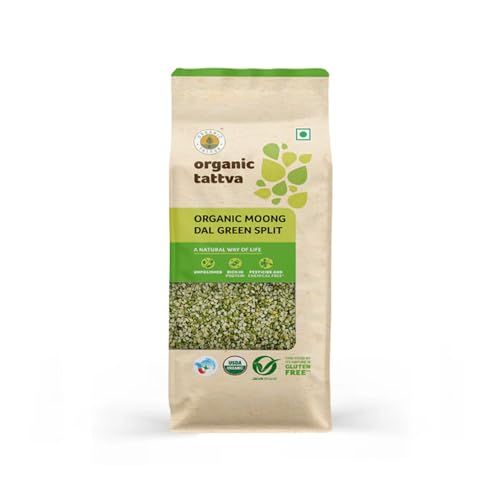
24 Mantra Organic Moong Dal Split
- ✓ 500g pack
- ✓ ECOCERT certified organic
- ✓ Higher protein, fine texture
* We earn a small commission — at no extra cost to you.

Pro Nature Organic Spinach Powder
- ✓ 100g freeze-dried spinach
- ✓ Zero pesticides, certified organic
- ✓ 1 tbsp = 10g fresh spinach
* We earn a small commission — at no extra cost to you.