Spinach Khichdi Recipe for 9-Month Babies: Pressure Cooker Method + Nutritional Breakdown

Spinach khichdi is a simple iron and folate-rich baby food made by pressure cooking spinach, moong dal, and rice in a 1:1:2 ratio with water. Cook for 3 whistles in 15 minutes, blend to your baby's texture preference, and add ghee. It's suitable for babies 7 months and older, stores for max 24 hours in the fridge, and can be given 3-4 times a week as part of a varied diet.
When my son turned 9 months, I noticed his paediatrician in Delhi was particular about iron-rich foods. Spinach khichdi became our household staple - it's soft enough for a beginner eater, tastes mild (almost no flavour battles), and packs more nutrition than plain dal-rice. Unlike store-bought baby foods, you control exactly what goes in, and the pressure cooker method cuts prep time to under 20 minutes. Spinach khichdi: a one-bowl meal combining leafy greens, plant-based protein, and carbs in proportions that meet IAP (Indian Academy of Pediatrics) weaning guidelines for 7-12 month-olds. This guide walks you through the exact ratio, ingredient picks, cooking method, and storage so you get it right the first time.
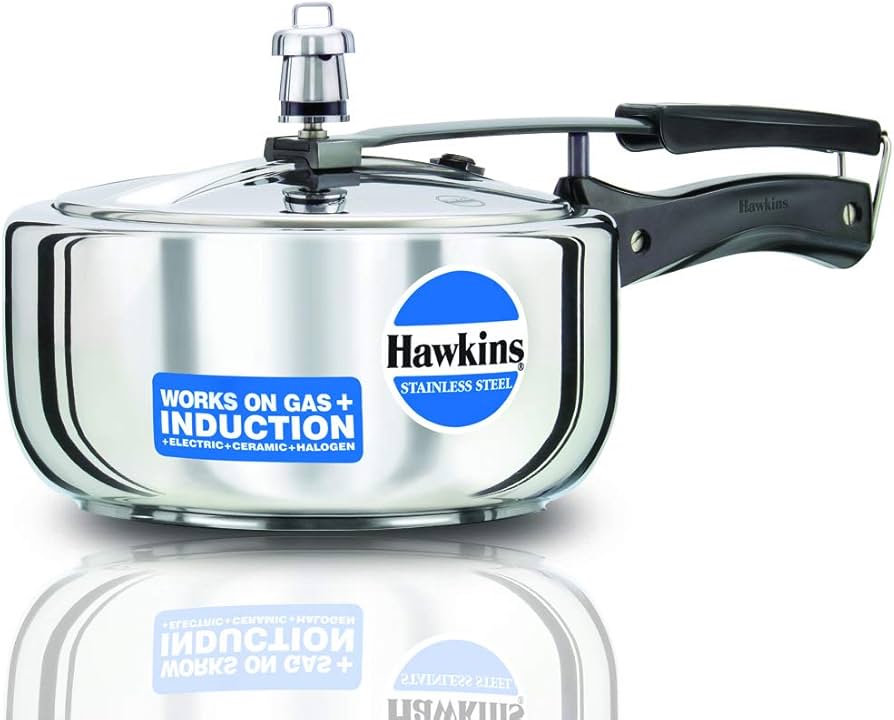
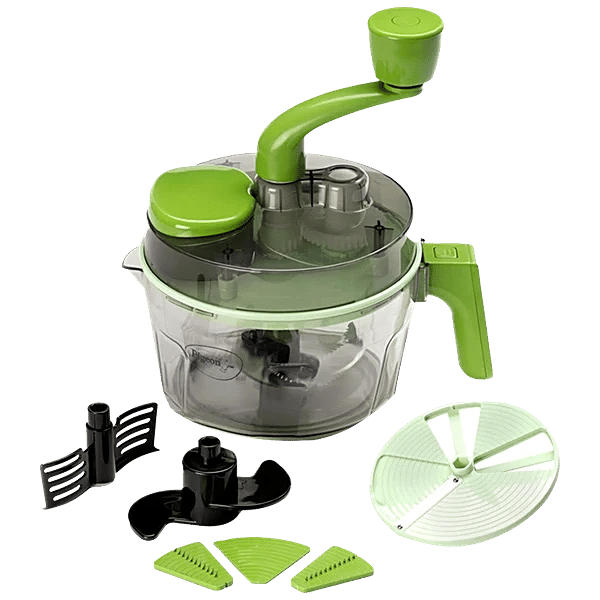
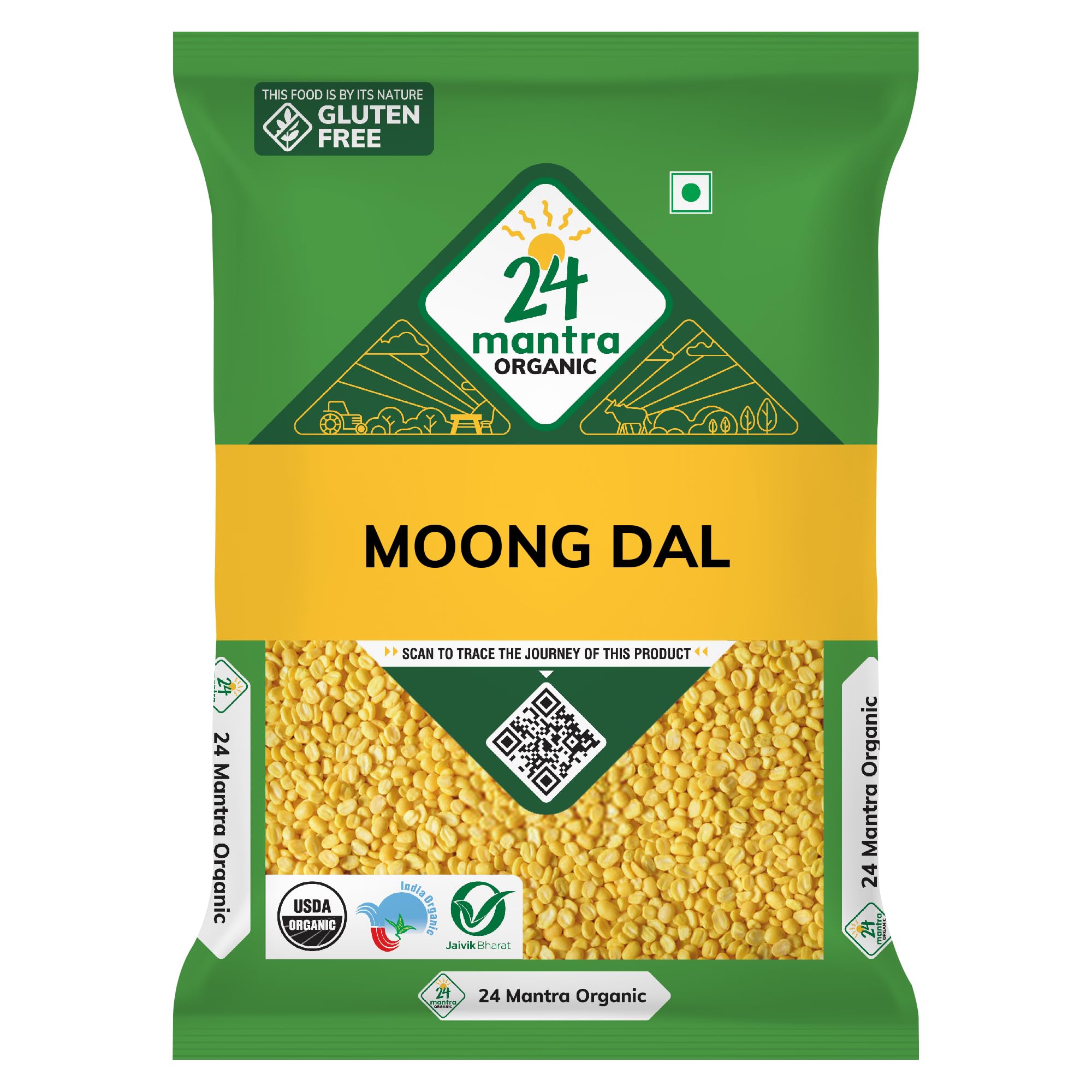
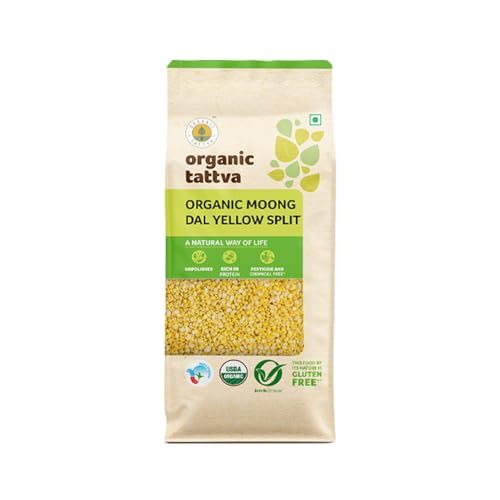
The easiest way to get this right is with the right tools and ingredients on hand. Popular organic moong dal brands like 24 Mantra (around Rs. 120 for 500g on Amazon.in), Tattva (Rs. 95 for 500g), and Rajdhani offer trusted quality. For the pressure cooker, a Hawkins stainless steel 3-litre model (Rs. 1,800-2,200) is standard in most Indian homes, and a Pigeon chopper (Rs. 300-500) makes blending textures effortless. Let's break down how to make this nutrient-dense meal at home.
Spinach Khichdi Recipe: Pressure Cooker Method (15 Minutes)
Ingredient Ratio (one serving for 9-month baby):
Spinach (palak): 1 cup (roughly 80-100g, washed and chopped)
Moong dal (yellow, split): 1/4 cup (40g)
Rice (basmati or regular white): 1/2 cup (80g)
Water: 1.5 cups
Ghee: 1/2 teaspoon (add after cooking)
Salt: pinch (optional, consult your paediatrician if baby is under 12 months)
Step-by-Step Instructions:
- Prep the ingredients: Rinse moong dal 2-3 times under running water until water runs clear. Rinse rice separately. Wash spinach thoroughly under running water - most spinach sold in Mumbai, Bangalore, and Delhi markets carries soil residue, so this step is critical. Chop spinach into small pieces.
- Load the pressure cooker: Add rinsed moong dal, rice, and chopped spinach to the cooker vessel. Pour 1.5 cups of water. Stir briefly so nothing sticks to the base.
- Pressure cook: Close the lid, set the pressure cooker to medium-high heat, and cook for 3 full whistles. This takes roughly 12-15 minutes. Once the third whistle sounds, turn off heat and let the cooker depressurize naturally for 5 minutes before opening.
- Check texture: Open the cooker carefully. The mixture should look like a thick porridge - all grains soft, no hard bits. If it looks watery, it will thicken as it cools.
- Blend to desired texture: For babies 7-9 months, use a Pigeon chopper or immersion blender to puree the khichdi completely smooth. For babies 10-12 months, you can leave it slightly lumpy (coarse texture). Never add extra water - the khichdi should hold together when scooped with a spoon.
- Add ghee: Stir in 1/2 teaspoon of ghee once the khichdi has cooled to warm (test temperature on your wrist first). Ghee aids fat-soluble vitamin absorption, which IAP guidelines highlight as important for babies under 12 months.
- Serve immediately. If making in bulk, portion into ice cube trays (each cube = 30-40ml) and freeze for up to 2 weeks.
Nutritional Breakdown: Why Spinach Khichdi Works
This recipe isn't random - the combination targets three nutrients that babies often lack in the first year:
| Nutrient | Amount per Serving (approx.) | Why It Matters for Babies 7-12 Months |
|---|---|---|
| Iron | 2-2.5 mg (plant-based) | Prevents anaemia; spinach is highest among Indian leafy greens. Pair with vitamin C (not in this recipe) to boost absorption. |
| Folate | 80-100 mcg | Supports brain development and cell division; critical during rapid growth phase (7-12 months). |
| Protein | 4-5g (from moong dal) | Moong dal is easier to digest than other lentils; IAP recommends 11-14g protein per day for this age. |
| Carbs | 20-25g (from rice) | Provides sustained energy; white rice is gentler on digestion than brown rice at this stage. |
What paediatricians say: According to IAP feeding guidelines (2024), plant-based iron in khichdi is enhanced by pairing it with sources of vitamin C - orange juice or papaya in a separate serving can boost iron absorption by up to 300%. However, the spinach-dal-rice base alone meets 40-50% of a 9-month-old's daily iron needs, making it a reliable rotation food.
Best Organic Moong Dal Brands for Baby Khichdi
Moong dal quality matters - poor-quality dal has stones, discolouration, or starch residue. For babies under 12 months, I recommend certified organic brands available on Amazon.in:
- 24 Mantra Organic Moong Dal: Rs. 120 for 500g. Widely available in Tier 1 cities. Free from pesticides; packaging includes batch number for traceability.
- Tattva Organic Moong Dal: Rs. 95 for 500g. Slight cost advantage; available on Amazon.in with good review ratings (4.5+ stars).
- Rajdhani Moong Dal (non-organic): Rs. 70 for 500g. If organic isn't accessible in your area, Rajdhani is a trusted budget alternative with minimal broken grains.
Avoid loose dal from general stores if possible - it's harder to verify freshness for baby food. Buy in 500g packs and use within 3 months of purchase.
Storage & Texture Guide
Refrigerator storage: Spinach khichdi keeps for a maximum of 24 hours in an airtight container in the fridge. After 24 hours, discard. Do not store longer - leafy greens oxidise and lose nutrient value quickly.
Freezer storage: Freeze in ice cube trays (30-40ml per cube). Each cube thaws in 5 minutes under warm water or on low microwave heat. Frozen khichdi stays fresh for up to 2 weeks.
Texture by age:
7-8 months: Blend completely smooth, consistency like yoghurt.
9-10 months: Slightly thicker, very fine lumps acceptable.
11-12 months: Leave coarse texture, encourage self-feeding with a spoon.
When to add ghee: Always add ghee after cooking and cooling. Never cook ghee with spinach - heat destroys some fat-soluble vitamins. A 1/2 teaspoon per serving is the right amount; more will make the khichdi too rich for a small stomach.