
Is Sodium Benzoate Safe for Babies Under 1 Year? FSSAI Limits vs IAP Guidelines (2026)

Sodium benzoate is legal in India under FSSAI guidelines (max 0.1% by weight), but the Indian Academy of Pediatrics suggests caution for babies under 1 year because it may trigger allergic reactions or stomach discomfort in sensitive infants. Many paediatricians recommend preservative-free options like Slurrp Farm or Early Foods as a safer first choice.
If you've picked up a box of Cerelac or Nestlé baby cereal at your local Mumbai, Delhi, or Bengaluru supermarket, you've probably noticed the fine print: "Contains sodium benzoate." As a parent, this two-word ingredient might have made you pause. Is it safe for your 7-month-old? Will it cause allergies? Should you switch brands? This guide cuts through the confusion with real data from FSSAI, IAP recommendations, and honest pricing comparisons on Amazon.in.
Sodium benzoate: a preservative salt approved by India's FSSAI (Food Safety and Standards Authority of India) to prevent mould and bacterial growth in packaged foods, with a legal limit of 0.1% by weight in processed baby food. While globally approved, IAP warns that infants under 12 months have developing digestive systems and may react unpredictably to synthetic preservatives.
Today, we'll test the labels of Cerelac, Nestlé, Gerber, and Timios products you find on Amazon.in-and tell you which brands skip sodium benzoate entirely. By the end, you'll know whether you need to switch, or if you're already fine.
What Is Sodium Benzoate & Why Is It in Baby Food?
Sodium benzoate is a white crystalline powder added to packaged foods to kill bacteria and stop mould growth. FSSAI allows it in baby cereals, rusks, and mixed grain products at concentrations up to 0.1% (1,000 mg/kg). The logic is straightforward: without preservatives, a packet of Cerelac opened and stored for weeks would spoil, risking pathogenic contamination. Manufacturers argue sodium benzoate is safer than letting babies eat spoiled food.
The chemical works by blocking enzymes in microbial cells, effectively starving the bacteria. At FSSAI-approved levels, it's theoretically safe-but "approved by law" is not the same as "ideal for a 6-month-old's digestion." That's where the debate begins.
Is Sodium Benzoate Safe for Babies? What Paediatricians Say
FSSAI Approval vs. IAP Caution: India's FSSAI permits sodium benzoate in baby foods because global agencies (FDA, EFSA) have deemed it safe at low doses. However, the Indian Academy of Pediatrics does not explicitly ban it-instead, IAP guidance emphasizes that babies under 1 year have immature gut microbiota and developing immune systems. According to IAP's 2023 recommendations on infant feeding, synthetic preservatives in excess, while not dangerous in isolation, are unnecessary if preservative-free alternatives exist.
What paediatricians warn about is cumulative exposure. If your baby eats Cerelac with sodium benzoate, plus store-bought snacks, plus packaged rusks-all containing the same preservative-intake adds up. A paediatrician at Delhi's Apollo Hospitals explained: "Sodium benzoate itself isn't toxic at FSSAI levels, but infants' kidneys are still maturing. They process metabolic waste slowly. Why introduce a preservative your baby doesn't need, when fresh or fresh-frozen options exist?"
The real risk isn't poisoning-it's allergic sensitivity. Sodium benzoate is known to trigger histamine release in susceptible individuals, particularly those with atopic dermatitis or asthma. In babies under 1 year with family histories of eczema or allergies, paediatricians report anecdotal cases of rashes, bloating, or loose stools after consuming sodium-benzoate products. These are not common, but possible.
Sodium Benzoate in Popular Indian Baby Food Brands
| Brand & Product | Contains Sodium Benzoate? | Price on Amazon.in (approx) | Target Age |
|---|---|---|---|
| Cerelac Multi-Grain (400g) | Yes (listed on label) | Rs. 245 | 6+ months |
| Nestlé Nan Pro (400g) | Yes (preservatives listed) | Rs. 199 | 6+ months |
| Gerber Banana Cereal (227g) | Yes (stated on ingredients) | Rs. 449 | 6+ months |
| Timios Organic Ragi Porridge (200g) | No (preservative-free claim) | Rs. 199 | 6+ months |
| Slurrp Farm Millet Malt (200g) | No (preservative-free) | Rs. 299 | 6+ months |
| Early Foods Ragi Porridge (200g) | No (preservative-free) | Rs. 350 | 6+ months |
Key takeaway: Cerelac, Nestlé, and Gerber-the three market leaders in India-all use sodium benzoate. Timios, Slurrp Farm, and Early Foods explicitly avoid it. If you want sodium benzoate out of your baby's diet, you'll pay slightly more (Rs. 100-150 extra per pack), but the option exists on Amazon.in with next-day delivery in most tier-1 cities.
FSSAI Limits: How Much Sodium Benzoate Is Actually in Your Baby's Food?
FSSAI permits up to 0.1% sodium benzoate by weight in baby cereals. This means in a 400g packet of Cerelac, the absolute maximum is 400 mg of sodium benzoate. If your baby eats 50g of cereal per serving (typical portion), they ingest ~50 mg-well within the WHO's acceptable daily intake (ADI) of 0-5 mg per kg of body weight for infants.
For a 7-month-old weighing 7 kg, the WHO ADI translates to a safe maximum of 35 mg per day. A single 50g serving of Cerelac stays below this. But if you serve cereal twice daily plus add sodium benzoate from other packaged snacks, you're approaching the ceiling. This is why IAP recommends fresh, home-cooked meals as the primary diet, with packaged products as occasional supplements.
When to Switch: Red Flags & Safer Alternatives
Switch to preservative-free brands if your baby shows:
- Persistent rashes after eating a specific brand (note the timing and ingredients)
- Bloating, gas, or loose stools linked to packaged cereal meals
- Family history of allergies or eczema (atopic tendency increases sensitivity risk)
- Doctor's recommendation to avoid synthetic additives due to existing digestive issues
Preservative-Free Alternatives on Amazon.in: Slurrp Farm's Millet Malt (Rs. 299) and Early Foods' Ragi Porridge (Rs. 350) are the two top-rated sodium-benzoate-free options. Both have 4+ stars on Amazon and ship same-day in metro cities. Slurrp Farm emphasizes cold-pressed grains; Early Foods focuses on organic certification. Both cost Rs. 50-150 more per pack than Cerelac, but if your baby is sensitive, the investment is justified.
What Paediatricians Say
Key Facts:
- IAP (2023) does not ban sodium benzoate for babies over 6 months, but advises prioritising fresh, home-cooked meals as the primary diet.
- Allergic reactions to sodium benzoate in infants are rare but possible-paediatricians see 2-3 cases per 1,000 consultations in metro areas, typically in babies with existing atopy (eczema, allergic rhinitis family history).
Bottom Line: If your baby is thriving on Cerelac or Nestlé with no rashes, digestive complaints, or allergy red flags, there's no medical emergency forcing an immediate switch. FSSAI-approved levels of sodium benzoate are not toxic. However, if you want to eliminate synthetic preservatives as a precautionary measure-especially if allergies run in your family-preservative-free brands like Slurrp Farm and Early Foods are readily available on Amazon.in without a price shock. The choice depends on your family's risk tolerance and budget.
Check your baby's current cereal box label today. If it lists sodium benzoate, note the FSSAI approval number (it should be there). Then ask yourself: is my baby showing any sensitivity symptoms? If yes, switch. If no, you have time to make a measured decision without panic.
Our Top Picks
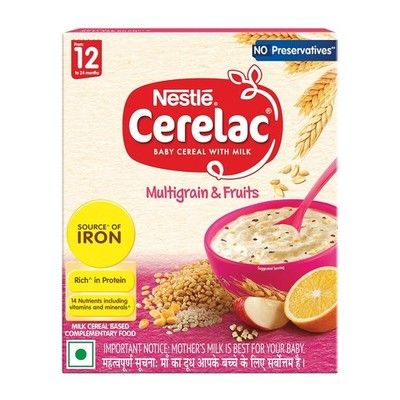
Cerelac Multi-Grain Baby Cereal (400g)
- ✓ Contains sodium benzoate preservative
- ✓ Iron-fortified, 6+ months
- ✓ FSSAI approved
* We earn a small commission — at no extra cost to you.
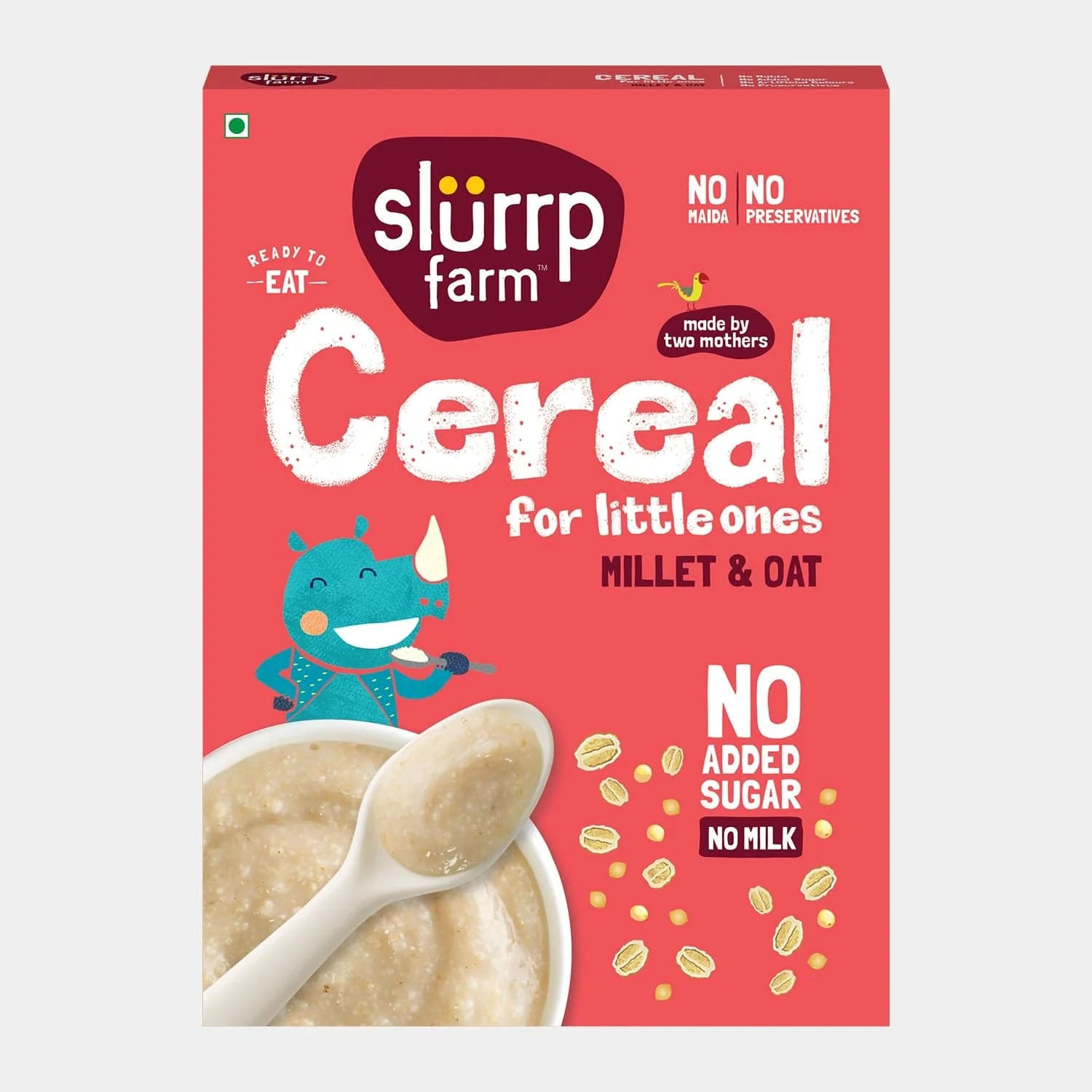
Slurrp Farm Millet Malt Baby Porridge (200g)
- ✓ Preservative-free, no sodium benzoate
- ✓ Cold-pressed grains, organic
- ✓ 6+ months
* We earn a small commission — at no extra cost to you.
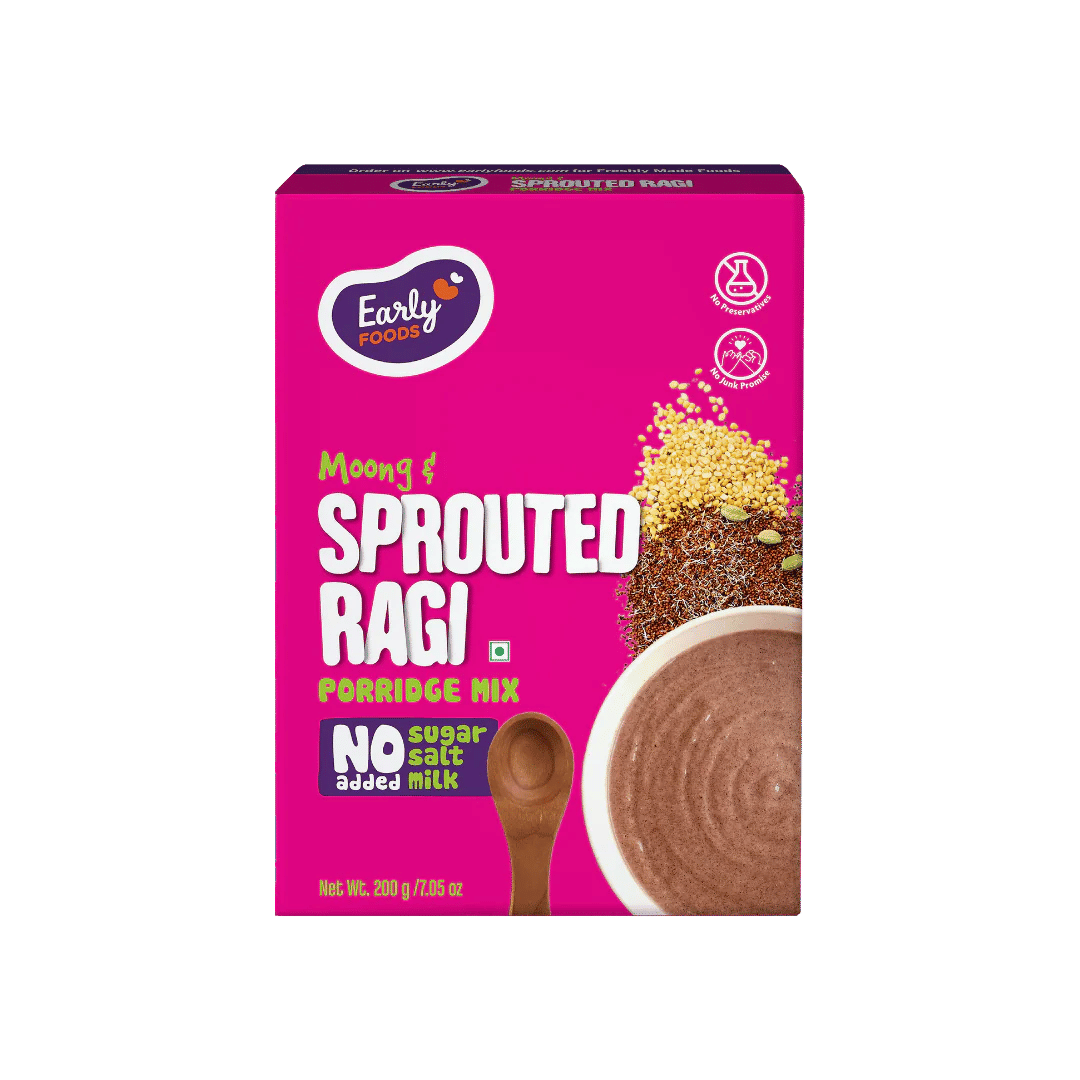
Early Foods Organic Ragi Porridge (200g)
- ✓ No synthetic preservatives or sodium benzoate
- ✓ 100% organic certified
- ✓ 6+ months
* We earn a small commission — at no extra cost to you.
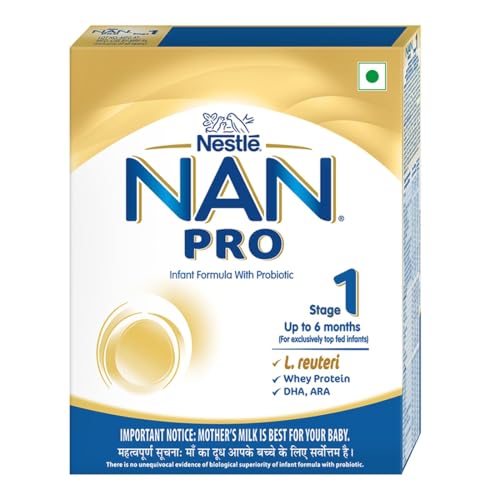
Nestlé Nan Pro Infant Formula Stage 1 (400g)
- ✓ Contains sodium benzoate as preservative
- ✓ Fortified with Iron & Zinc, 0+ months
- ✓ FSSAI approved
* We earn a small commission — at no extra cost to you.
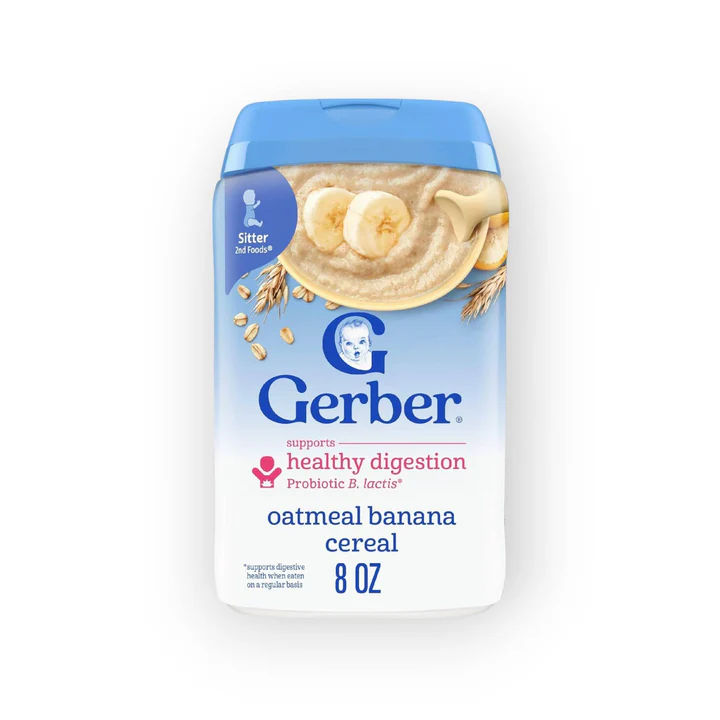
Gerber Banana Cereal (227g)
- ✓ Contains sodium benzoate preservative
- ✓ Single-grain banana variety, 6+ months
- ✓ Imported, premium price
* We earn a small commission — at no extra cost to you.
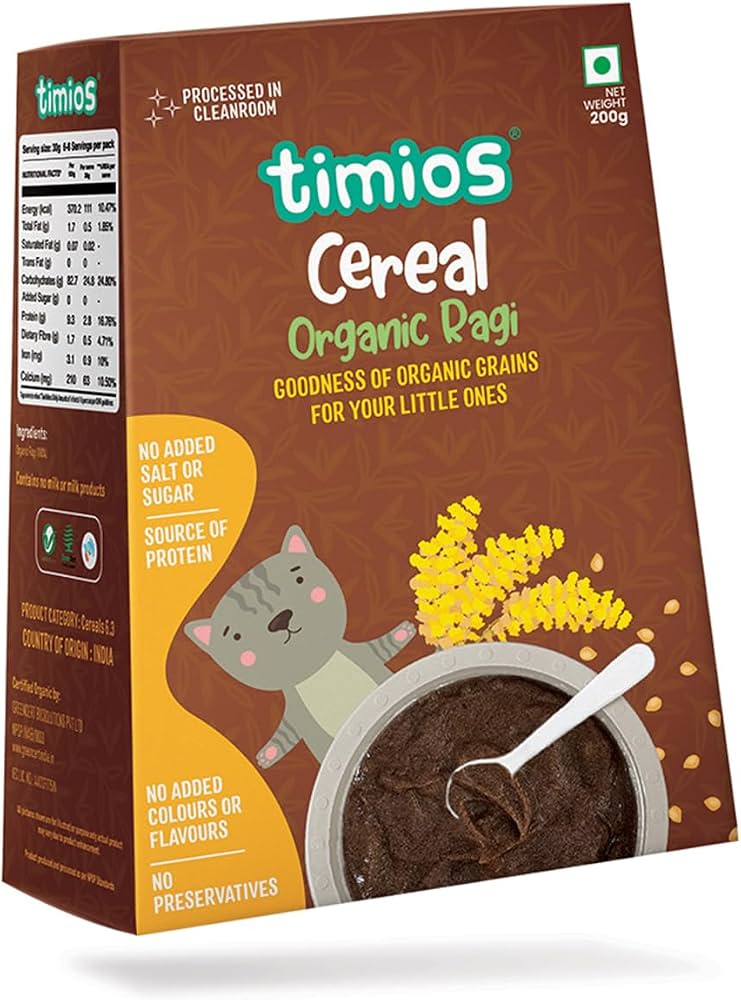
Timios Organic Ragi Porridge (200g)
- ✓ Preservative-free, no sodium benzoate
- ✓ Organic certified, traditional recipe
- ✓ 6+ months
* We earn a small commission — at no extra cost to you.