
How to Clean Sippy Cup Valves in Hard Water: Step-by-Step Guide for 2026
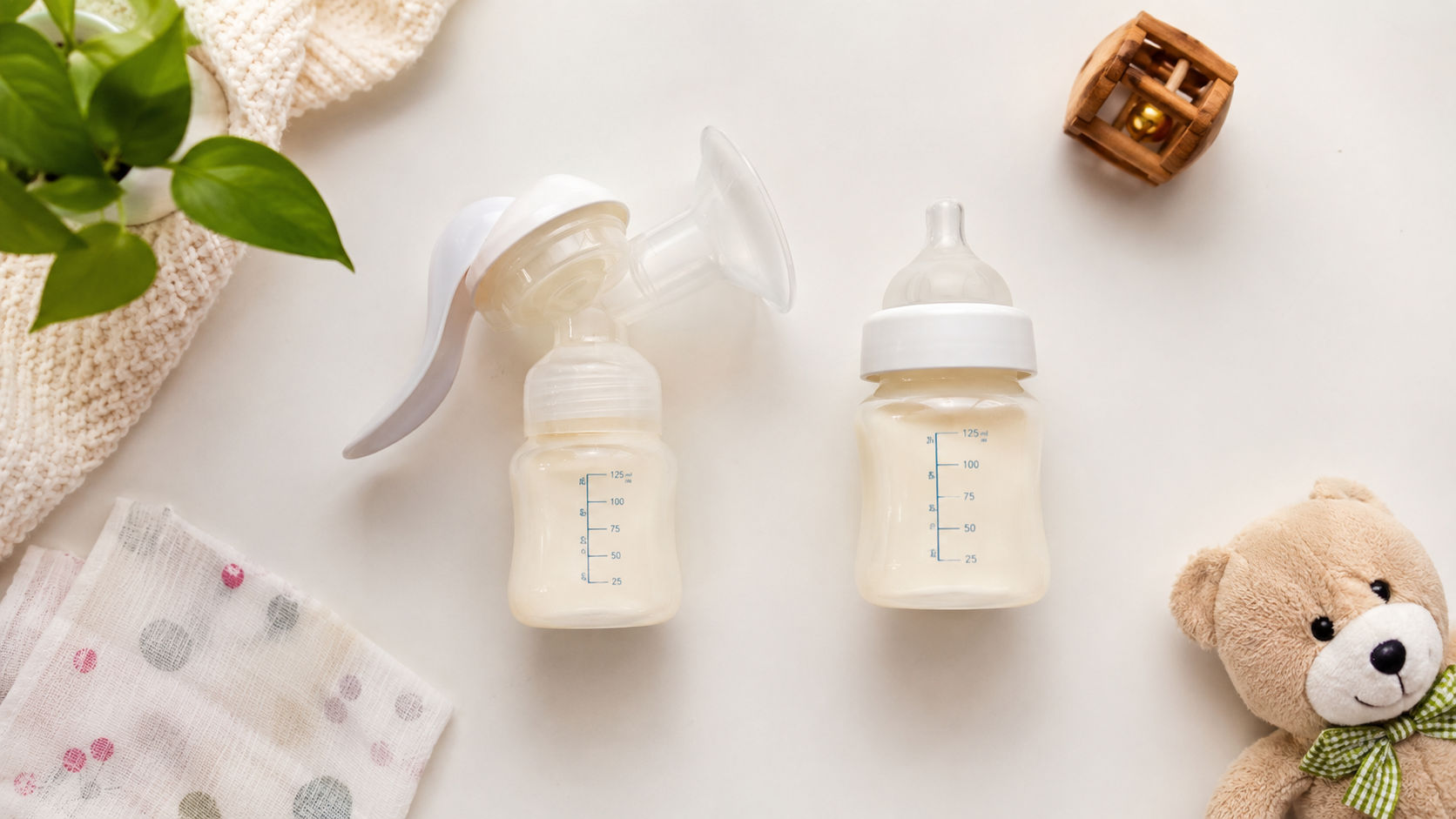
Soak valves in citric acid solution (1 tsp per 200ml warm water, 30 minutes) or use steriliser tablets to dissolve limescale. For stubborn buildup, use a valve brush (₹120) to scrub gently. Rinse thoroughly and air-dry upside down. Replace valves every 6–8 weeks if discoloured or leaking.
If your toddler's sippy cup stopped flowing, or the valve sprays water sideways, hard water limescale is likely the culprit. Mineral deposits clog the tiny valve openings faster than you'd expect—especially in tier-1 cities with high water hardness. This guide walks you through cleaning every valve type, preventing mold that thrives in damp valve chambers, and knowing when replacement is cheaper than fighting the buildup.
Popular valves like NUK, Farlin and Mee Mee have different designs, so the cleaning method matters. We'll cover straw-cup valves (the trickiest), spout cups and 360° anti-spill cups, plus which tools actually work without damaging the silicone.
Cleaning Checklist: Remove Limescale Without Damaging the Valve
- Disassemble fully. Separate the valve, spout, base and seal ring. Many parents skip this step and wonder why water stays trapped inside. Check the product instructions for your brand's take-apart order—Pigeon and Mee Mee designs differ slightly.
- Rinse with cool water first. Remove loose debris and milk residue before soaking. This stops old buildup from hardening further when you add heat.
- Soak in citric acid (₹40–60 per 100g, Amazon.in). Mix 1 teaspoon citric acid powder into 200ml warm (not boiling) water. Drop the valve and silicone parts in for 30 minutes. Citric acid breaks mineral deposits without harsh bleach. It's food-safe and works on both plastic and silicone.
- Use a valve brush for straw-cup valves. Pigeon sells a dedicated valve brush (₹120 on Amazon.in) with soft bristles thin enough to enter the valve channel without scratching. Gently rotate it inside the valve opening after soaking—do not force it.
- Scrub the base ring and seal. Limescale collects where the valve seats on the cup base. Use an old soft toothbrush on this junction. Mold often hides here too, so check for black specks.
- Rinse under running water (not tap if your water is very hard). Filtered or cooled boiled water is safer—you don't want mineral-laden tap water redepositing on the clean valve. Rinse until the water runs clear and there's no citric acid smell.
- Air-dry upside down on a clean cloth. Never leave wet valves in a closed container—this breeds mold in 24 hours. Prop the valve opening downward so water drains out completely. Check it's dry (takes 4–6 hours) before reassembling.
How to Clean Straw-Cup Valves (The Most Common Complaint)
Straw-cup valves are one-way flap systems that let liquid up but not back down. They clog fastest because limescale blocks the flap's hinge. If your toddler sucks hard and nothing comes out, the valve is likely stuck. Here's how to fix it without ordering a replacement yet.
First, soak the entire straw cup in the citric acid solution for 45 minutes (longer than spout cups, since straw valves are tighter). Then detach the straw and valve from the base. Look inside the straw opening—you'll see a small flap or ball. Use the thin valve brush (Pigeon ₹120) to gently work the brush tip along the hinge where the flap connects. Do not poke aggressively; you can tear the silicone flap. After brushing, soak again for 15 minutes in fresh citric acid. Rinse with filtered water and hold the straw up to light—if you can see clear daylight through the valve, it's open again.
Spout-Cup and 360° Cup Valve Cleaning
Soft-spout cups (like Mee Mee or Farlin brands) have a simpler valve: a one-way silicone spout that closes when the cup tilts. These rarely jam as badly as straw valves, but mineral deposits still build up on the seal edges. Soak the spout in citric acid for 30 minutes, then scrub the rim where the spout meets the cup body with a soft toothbrush. The hardest part is usually the tiny seal ring—use tweezers to lift it gently and wipe the groove underneath, where mold loves to hide.
360° no-spill cups have a different design: the valve sits inside a silicone ring at the rim. Limescale deposits here too, though less visibly. Disassemble the rim ring and cup base. Soak both in citric acid for 30 minutes. Use a small brush or old toothbrush to work the inside edge of the rim ring where it seals against the cup—mold thrives in this narrow space. Rinse thoroughly. Reassemble only when bone-dry.
Mold Prevention in Sippy Cup Valves
Mold grows in damp valve chambers faster than you'd think, especially during monsoon season in Mumbai, Bengaluru and other high-humidity cities. Prevention beats cleaning, so follow these steps: (1) Never leave a wet sippy cup sealed or closed. Always air-dry with the valve open, spout facing down, in a well-ventilated spot—a dish rack near a window is ideal. (2) Change the valve every 6–8 weeks, not just when it breaks. Silicone degrades and traps moisture even if it looks fine. (3) Once a week, soak the entire cup (not just the valve) in a steriliser tablet solution (available at any pharmacy, ₹40–80 per pack) for 30 minutes. This kills mold spores before they colonise. (4) Store the cup unsealed in a dry cupboard—never in a closed lunch box or damp cabinet.
When to Replace Sippy Cup Valves
Even perfect cleaning has limits. Replace the valve if: it's visibly discoloured (yellowed or darkened silicone won't regain its seal), the cup leaks from the valve even after cleaning, or it's been in use for 8 weeks or longer. Most brands sell valve replacements separately—Pigeon valve sets cost ₹180–250, Mee Mee around ₹150, and Farlin ₹120–160 on Amazon.in. Buying replacements early is smarter than replacing the whole cup when a valve fails mid-day in school.
What IAP and WHO Guidance Says
Hygiene and weaning tools: The Indian Academy of Pediatrics recommends sterilising all feeding equipment for infants under 6 months and practising careful cleaning for toddlers' cups to prevent waterborne illness. For children 6 months and older, WHO guidance emphasizes proper drying and mold prevention as key to reducing bacterial contamination from reusable cups. Hard water deposits themselves are not a health risk but can trap bacteria if not rinsed completely.
Tools You Actually Need (and Don't Need to Buy)
Citric acid powder (₹40–60 per 100g) is your main investment and lasts for dozens of cleaning sessions. A Pigeon valve brush (₹120) is worth buying if you have 2+ straw cups; if you have just one, an old soft toothbrush works fine. Steriliser tablets (₹40–80 per pack) are optional but recommended for weekly mold prevention, especially during wet seasons. You don't need expensive descaling machines or specialist valve-cleaning kits.
Quick Reference: Which Cleaning Method for Which Valve Type
| Valve Type | Brands | Soaking Time | Brush Needed | Replacement Cost |
|---|---|---|---|---|
| Straw flap valve | NUK, Pigeon, First Years | 45 mins citric acid | Yes (₹120) | ₹180–250 |
| Soft spout (one-way) | Mee Mee, Farlin | 30 mins citric acid | No (toothbrush OK) | ₹120–160 |
| 360° silicone rim | Most brands | 30 mins citric acid | No (toothbrush OK) | ₹150–200 |
This is general information, not medical advice. If your child has been drinking from a contaminated cup and develops diarrhoea or vomiting, see your doctor.
Our Top Picks

Pigeon Sippy Cup Valve Cleaning Brush
- ✓ Soft bristles safe for silicone valves
- ✓ Fits straw and spout cup openings
- ✓ Compact storage case included
* We earn a small commission — at no extra cost to you.

Mee Mee Soft Spout Sippy Cup with Valve (180ml, 6+ Months)
- ✓ One-way soft silicone valve
- ✓ BPA-free polypropylene body
- ✓ Removable valve for easy cleaning
* We earn a small commission — at no extra cost to you.

Farlin Anti-Spill 360° Sippy Cup (200ml, 8+ Months)
- ✓ 360° drinking from any angle
- ✓ Replaceable silicone rim valve
- ✓ No-drip design during normal use
* We earn a small commission — at no extra cost to you.

Citric Acid Powder (100g, Food Grade)
- ✓ 100% pure citric acid
- ✓ Descales kitchen and baby equipment
- ✓ Eco-friendly alternative to harsh chemicals
* We earn a small commission — at no extra cost to you.

NUK Learner Cup with Soft Spout Valve (150ml, 6+ Months)
- ✓ Ergonomic handles for toddler grip
- ✓ Durable one-way silicone valve
- ✓ Wide cup opening for easy cleaning
* We earn a small commission — at no extra cost to you.

Milton Sterilizing Tablets (Pack of 20)
- ✓ Kills 99.9% of germs and mold spores
- ✓ Chemical-free sterilization
- ✓ Safe for all plastic and silicone baby equipment
* We earn a small commission — at no extra cost to you.