Selenium Deficiency in Babies: IAP Guidelines, Symptoms & Indian Food Sources (2026)
Selenium deficiency in babies can cause slow growth, weak immunity, and thyroid dysfunction. Most Indian babies get adequate selenium from breast milk and common foods like oats, wheat, lentils, and dairy-supplementation is only needed if diagnosed by a paediatrician through blood testing. Normal serum selenium levels in infants are 70-150 ng/mL according to IAP micronutrient standards.
When your baby isn't growing as expected, falls sick frequently, or seems lethargic, the first thought is usually iron or zinc. But selenium-a trace mineral many Indian parents have never heard of-plays just as quiet a role in your child's immunity, thyroid function, and overall development. I learned this the hard way when my son's paediatrician flagged slow weight gain at 9 months, and after ruling out obvious deficiencies, we discovered selenium was the missing piece. This guide walks you through what selenium actually does, how to spot deficiency in Indian babies, and how to prevent it through your everyday kitchen.
Selenium is a trace mineral: a nutrient needed in tiny amounts (micrograms, not milligrams) that acts as a cofactor in antioxidant enzymes, protecting cells from oxidative stress and supporting thyroid hormone production. According to IAP (Indian Academy of Pediatrics) 2026 micronutrient guidelines, adequate selenium intake is essential from 6 months onwards when babies start solids, though breast milk alone provides sufficient amounts for infants under 6 months in most cases.
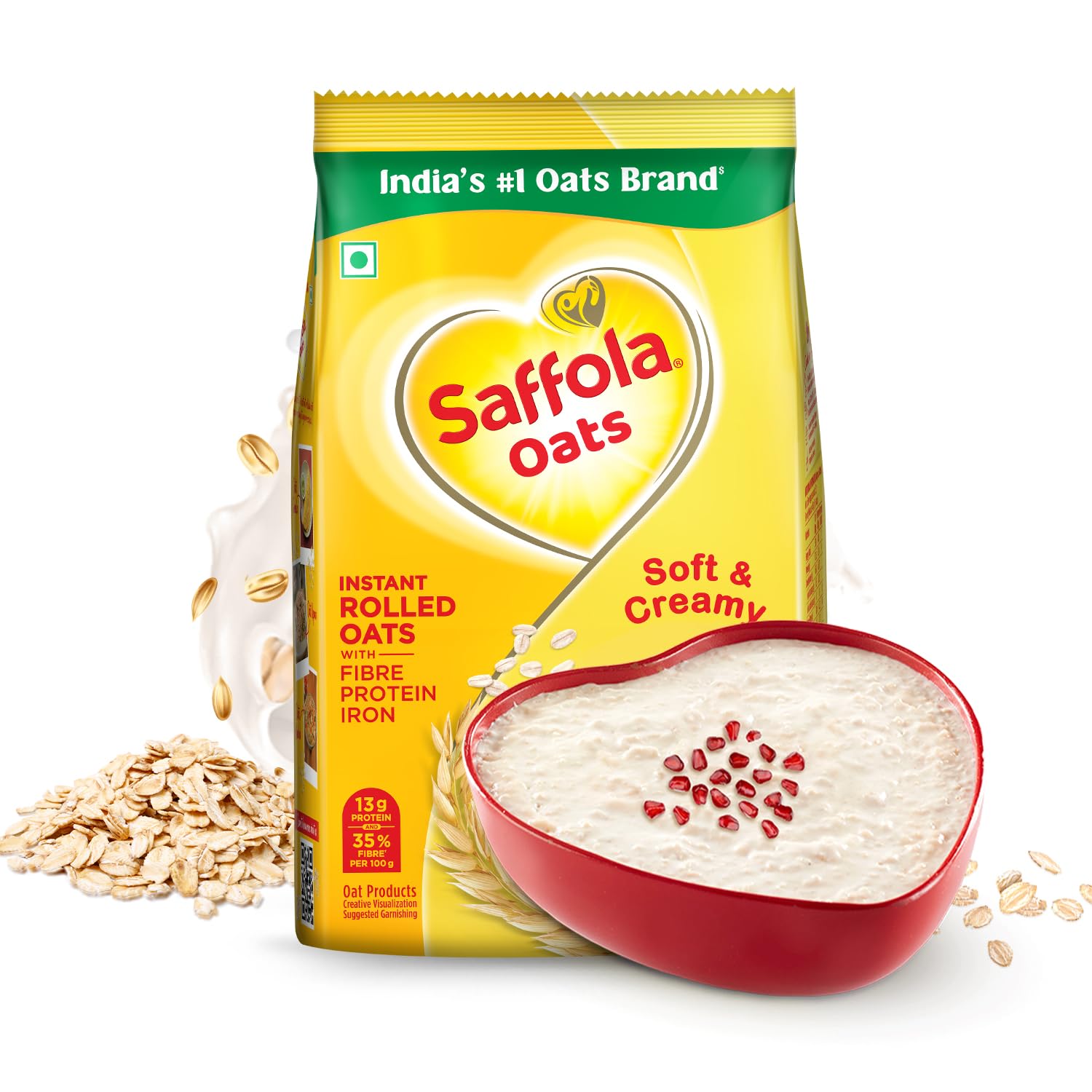
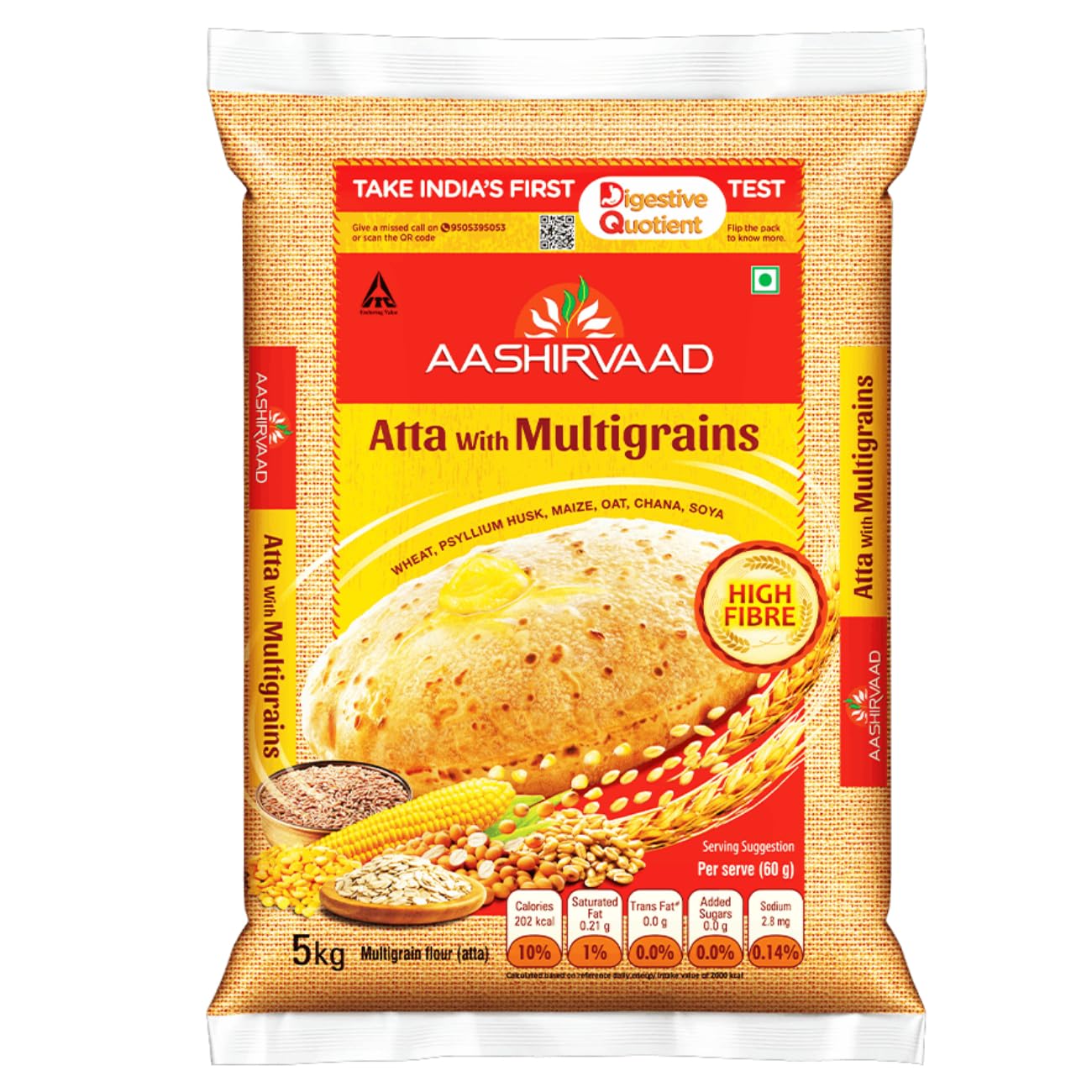
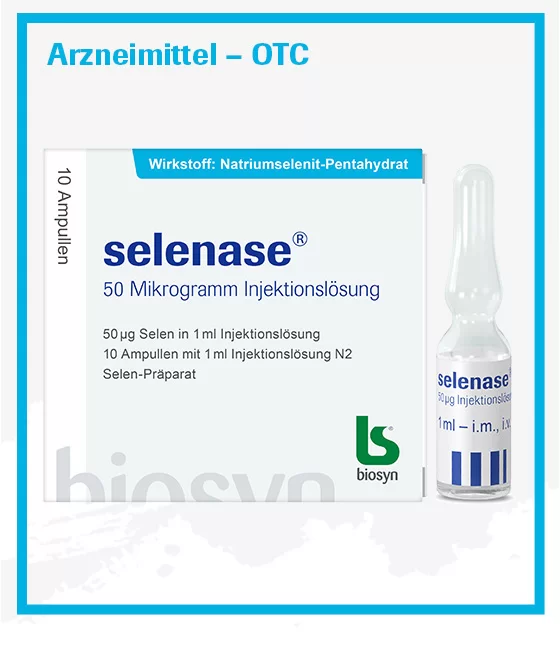
Let me talk about some of the most trusted foods and supplements that help prevent and manage selenium deficiency. Saffola Organic Oats, fortified whole-wheat atta like Aashirvaad Multigrain, Britannia Milk Protein fortified dairy, and clinically recommended drops like Selenase are options many Indian parents use-though most babies never need drops if their diet includes diverse whole grains, lentils, and dairy.
Symptoms of Selenium Deficiency in Babies & Toddlers
Selenium deficiency often goes unnoticed because symptoms are subtle and overlap with other nutritional gaps. If your baby is 6-24 months and you notice any combination of these, mention it at your next paediatrician visit:
- Slow growth and weight gain: Baby falls consistently below their growth curve or gains less than 100g per week after 6 months.
- Weak immunity and frequent infections: Recurrent respiratory infections, delayed recovery, or chronic diarrhoea despite adequate nutrition.
- Thyroid dysfunction: Raised TSH levels, lethargy, or goitre (rare in India due to iodised salt, but selenium supports iodine utilisation).
- Hair and skin changes: Hair becomes brittle or falls out excessively; nails show white spots or become soft.
- Muscle weakness: Baby seems floppy, takes longer to sit up or walk, or shows poor muscle tone.
- Cognitive delays: Slower speech development, reduced alertness, or delayed milestones (though this is multifactorial).
In severe cases (very rare in India), selenium deficiency can trigger Keshan disease: a viral cardiomyopathy affecting the heart-but this occurs almost exclusively in geographic regions with severely depleted soil selenium, like parts of China. India's soil selenium levels are moderate, so clinical deficiency is uncommon unless a baby has malabsorption or an extremely restricted diet.
Testing & Normal Ranges: What Paediatricians Check
Your paediatrician won't order a selenium test routinely-it's only flagged if your baby has unexplained growth lag, recurrent infections, or other micronutrient deficiencies. Testing is simple: a blood sample (usually taken from the same heel prick or vein puncture as other tests) is sent to a lab that measures serum selenium concentration.
According to IAP standards and WHO guidance (2025-2026), normal serum selenium ranges for infants and toddlers are:
- Adequate: 70-150 ng/mL
- Marginal: 50-69 ng/mL (supplementation may be considered)
- Deficient: Below 50 ng/mL (supplementation recommended)
If your baby's levels come back marginal or low, your paediatrician will first suggest dietary changes-adding more selenium-rich foods-before prescribing drops. Supplementation with Selenase or similar drops (typically ₹250-400 per bottle) is reserved for diagnosed deficiency.
Selenium in Indian Vegetarian Foods for 6-24 Months
The good news: preventing selenium deficiency is straightforward with common Indian foods. Here's a realistic breakdown of what to include from 6 months onwards:
| Food Category | Best Indian Options | Selenium Content (per 100g) | How to Include |
|---|---|---|---|
| Whole Grains | Fortified wheat atta (Aashirvaad, Pillsbury), oats (Saffola), ragi, dalia | 20-35 mcg | Porridge, roti, upma from 6 months; increase portions at 12+ months |
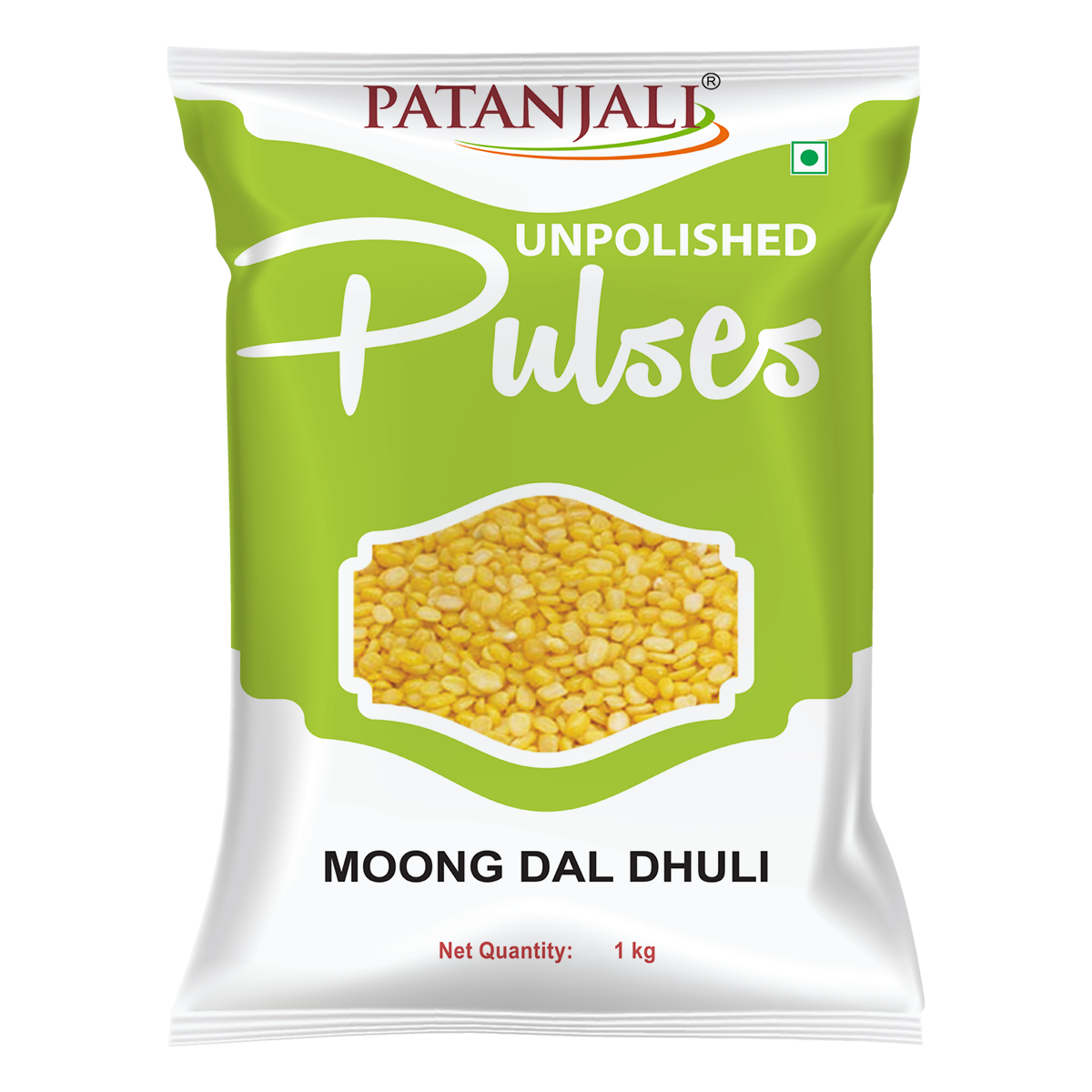
| Lentils & Dals | Moong dal, masoor dal, toor dal, chana dal | 8-12 mcg | Khichdi, dal soup (strained for 6-9 months), dal pieces from 12 months |
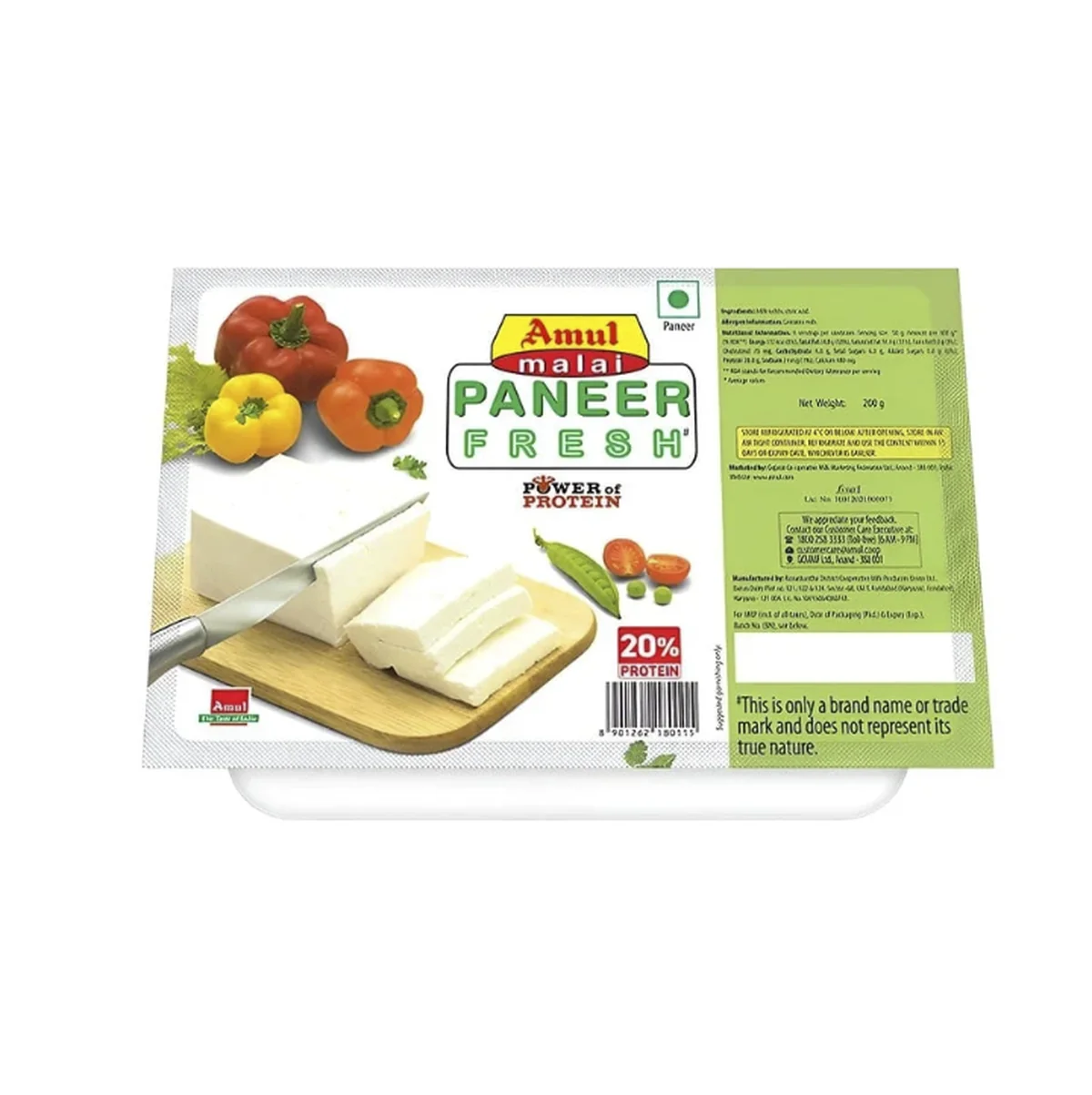
| Dairy | Cow's milk, paneer, curd, ghee, butter | 15-20 mcg (milk), 5-8 mcg (paneer) | Breast milk + cow's milk from 12 months; paneer cubes from 12+ months; curd daily |
| Nuts & Seeds | Cashews (soaked), almonds (blanched & ground), sesame seeds | 30-40 mcg | Ground into paste, mixed into porridge from 10 months (if no nut allergies) |
A simple daily example for a 12-month-old: morning oat porridge (50g oats = ~10 mcg selenium) + lunch khichdi with moong dal (20g moong = ~3 mcg) + midday curd (100g = ~6 mcg) + evening roti with paneer (30g paneer = ~3 mcg). That's roughly 22 mcg-well above the IAP recommended 15 mcg per day for 7-12 months.
Important cooking note: Selenium bioavailability (how much your baby actually absorbs) improves when selenium-rich foods are paired with vitamin C and cooked gently. Boiling lentils and then discarding water reduces selenium by 10-15%; steaming or pressure-cooking preserves it better. Pairing ragi porridge with a small spoon of mango puree or a splash of orange juice enhances absorption, though this isn't critical if your baby eats consistently.
Differentiate from Zinc & Iron Deficiency
Selenium, zinc, and iron deficiency can look similar on the surface-slow growth, poor immunity, diarrhoea-but each requires different foods and supplements. Don't self-diagnose. Your paediatrician will typically check all three if deficiency is suspected:
- Iron deficiency: Causes pale skin, lethargy, and poor concentration. Fixed with fortified cereals, dals, and spinach-curd combinations. Not relevant to this article's dietary rules.
- Zinc deficiency: Causes rashes around mouth and nappy area, diarrhoea, alopecia (hair loss). Fixed with pumpkin seeds, lentils, and dairy.
- Selenium deficiency: Causes muscle weakness, thyroid issues, and recurrent infections without a rash. Fixed with whole grains, dals, and nuts.
Most Indian babies are adequate in selenium if they're eating a mixed diet of grains, lentils, and dairy. Zinc and iron are far more common gaps, especially if your baby is vegetarian or breastfed beyond 12 months without complementary foods.
What Paediatricians Say
IAP guidelines (2026) emphasise that selenium supplementation is not routine in India because soil-based deficiency is rare. Routine screening happens only for failure to thrive, recurrent infections, or visible thyroid enlargement. If diagnosed, paediatricians typically recommend dietary intervention first (adding 2-3 servings of selenium-rich foods daily) before prescribing Selenase drops at 2-5 mcg/kg/day.
Supplementation: When & Why
If your paediatrician confirms low serum selenium, Selenase (sodium selenate oral drops) is the standard prescription in India. Each drop delivers approximately 2-5 micrograms. Cost ranges from ₹250-400 per 10mL bottle, available on Amazon.in and chemists nationwide. Duration is typically 2-3 months, followed by retesting. However, never give drops without a confirmed diagnosis-excess selenium can be toxic, causing brittle nails, hair loss, and neurological symptoms.