
Sattu for Babies: Homemade Recipe, Packaged Brands & Summer Cooling Benefits (2026)

Sattu for babies-roasted gram flour porridge-is a cooling, protein-rich food suitable from 8 months onward. Make it in 5 minutes using a pressure cooker with milk and water, or buy organic packaged sattu from 24 Mantra or Conscious Food. Always cool before serving, watch for choking hazards by mashing thoroughly, and use ripe banana as a natural sweetener instead of jaggery.
If you're a parent in Delhi, Mumbai, Bengaluru, or any Indian city managing your baby through hot summers, sattu for babies is likely on your radar-or should be. This traditional roasted gram flour is deeply embedded in North and Central Indian parenting culture, and for good reason. Sattu is light, easy to digest, naturally cooling, and packed with plant-based protein that supports growth during the weaning phase. Unlike heavier porridges, sattu doesn't sit heavy in the stomach during heat, making it ideal for 8-month-olds and older who struggle with digestion in summer months.
The two main ways Indian parents approach sattu are: making it fresh at home by roasting chickpea flour (besan) and grinding it into powder, or buying ready-made organic sattu packets. Both approaches are safe when done correctly-but there are texture tricks, contamination risks during homemade roasting, and brand differences that matter. Let me walk you through this honestly, as a parent who's made sattu in a Delhi summer kitchen and also tested the packaged versions from Amazon.in.
Homemade Sattu: 5-Minute Pressure Cooker Method
The simplest, safest way to make sattu at home starts with either store-bought chickpea flour (besan) or raw chickpeas you roast yourself. If buying packaged besan, you're already done with the roasting step-just use it directly. If roasting raw chickpeas, spread them on a dry pan over medium heat for 8-10 minutes, stirring constantly until they turn golden and release a nutty smell. Let cool completely, then grind in a food processor like the Philips HL1631 (₹3,295 on Amazon.in) until powder-fine. Store in an airtight container.
Once you have sattu powder ready, the cooking is quick:
- 1 tbsp sattu powder + 100 ml milk + 50 ml water (adjust ratio for thicker or thinner consistency)
- Mix sattu powder with a little cold milk first to remove lumps-this step prevents hard balls forming during cooking
- Add boiling water and milk, stir well
- Transfer to pressure cooker, 1 whistle on high heat, release pressure naturally (roughly 5 minutes total)
- Pour into a bowl, cool to body temperature (test on your wrist), then feed
The consistency should be thick enough that a spoon stands in it but soft enough that a baby can swallow without choking. If your baby is 8-9 months old, aim for a porridge thicker than dosa batter. By 10-11 months, you can make it slightly thinner.
One safety note: when roasting chickpeas at home, never leave them unattended. Homemade roasting can create dust particles if not roasted evenly-some chickpeas may remain slightly raw. Grinding in a food processor like the Philips HL1631 helps create uniform powder, reducing this risk. Store-bought besan is safer because it's already roasted and processed, but it may contain additives depending on the brand.
Packaged Sattu Brands: What You're Actually Getting
Two brands dominate Amazon.in for organic sattu: 24 Mantra Organic and Conscious Food. Here's what matters to parents:
| Brand | Pack Size & Price (2026) | Label Claims | Best For |
|---|---|---|---|
| 24 Mantra Organic | 500g, ₹120 | USDA/India Organic certified, no additives listed | Budget-conscious parents, trusted FSSAI registration |
| Conscious Food | 500g, ₹145 | Organic certified, cold-ground (claims lower nutrient loss) | Parents prioritizing gentle processing |
| Homemade (besan roasted) | per kg, ₹80-100 | Complete control, freshness guaranteed | Time-available parents who enjoy kitchen prep |
Both packaged brands list only one ingredient: roasted chickpea flour (sattu). Neither brand lists added sugar, salt, or preservatives on their Amazon.in product pages. 24 Mantra Organic holds a 4.1-star rating from 890+ reviews on Amazon.in as of June 2026, with parents noting it has a clean, mild taste. Conscious Food sits at 3.9 stars from 340+ reviews, with some parents reporting a slightly stronger roasted flavor-preference depends on whether your baby likes pronounced nuttiness.
The price difference (₹120 vs ₹145 per 500g) is negligible for most families. The practical choice comes down to availability in your city and your baby's taste preference. Both last about 2-3 months if stored in airtight containers away from moisture.
Protein, Fiber & Digestion: The Summer Cooling Angle
Here's why sattu matters nutritionally. Per 100g of roasted chickpea flour (sattu), you get roughly:
- 11-12g protein-crucial for 8+ month olds entering rapid growth phase
- 6-7g dietary fiber-aids digestion and prevents summer constipation, common in heat
- 3-4g healthy fats
- Low glycemic index-releases energy slowly, no sugar crashes
Unlike rice porridge or wheat cereal, sattu's high fiber content makes it a natural digestive aid during hot months when babies eat less and dehydration risk is higher. IAP (Indian Academy of Pediatrics) 2024 guidelines recommend introducing legume-based foods from 7-8 months, with sattu listed as a safe starter legume when introduced gradually.
The cooling property is real, though not clinically proven in infants-it's based on traditional Ayurvedic principle that sattu has a cooling effect on the body. Many parents in Mumbai and other coastal cities report babies digest sattu better than wheat or rice during monsoon and summer months.
Natural Sweetening: Why Banana, Not Jaggery
Jaggery is traditionally added to sattu, but for babies under 12 months, honey and jaggery both pose botulism risk (rare but serious). A ripe, mashed banana does the job beautifully:
- Naturally sweet-no added sugars
- Adds creaminess to the porridge
- Provides potassium and additional fiber
- Easier to digest when mashed properly
Mash banana very fine with a fork until no lumps remain, then stir into cooled sattu. If your baby is 8-9 months, aim for less banana (½ teaspoon) to avoid overwhelming the sattu flavor. By 10-11 months, 1 teaspoon is fine.
Choking Prevention & Safe Serving
Sattu is naturally low-choking-risk because it's a porridge, not a solid chunk. But three precautions matter:
- Consistency check: It should be thicker than milk but thinner than yogurt. If it's too thick, your baby can't swallow safely.
- Cool to body temperature: Never feed hot sattu. Cool for at least 10 minutes, test on your inner wrist, and wait until it feels just warm or room temperature.
- Watch for lumps: Before serving, run the sattu through a sieve or mash it with the back of a spoon to break any hard particles. This is especially critical if roasted at home.
When to introduce sattu: From 8 months onward, start with 2-3 teaspoons mixed with breast milk or formula for familiarity. By 9-10 months, increase to 2-3 tablespoons per feeding. Most babies tolerate sattu well, but watch for loose stools (increase water ratio) or constipation (rare, but sattu's fiber can have opposite effects in some babies).
What Paediatricians Say
IAP guidelines classify sattu as a safe, age-appropriate legume-based complementary food from 7-8 months onward. Paediatricians in India commonly recommend sattu for summer months specifically because it's light, cooling, and protein-dense without being heavy. The only caution: introduce gradually (not as a first food), and monitor stools for consistency changes. No added jaggery or honey under 12 months.
Our Top Picks
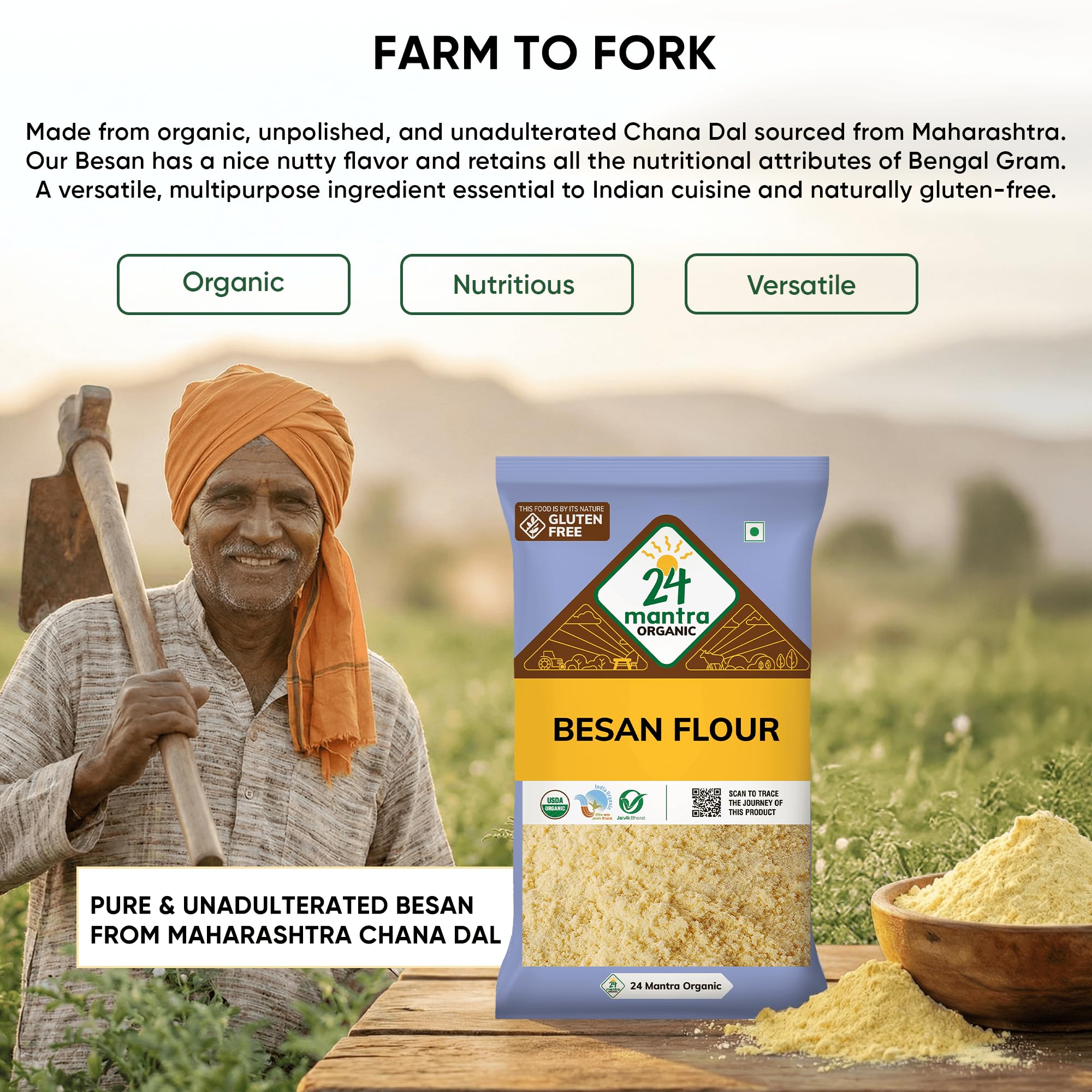
24 Mantra Organic Chickpea Flour (Sattu) - 500g
- ✓ USDA Organic certified
- ✓ No additives or preservatives listed
- ✓ 500g pack, stores 2-3 months
* We earn a small commission — at no extra cost to you.
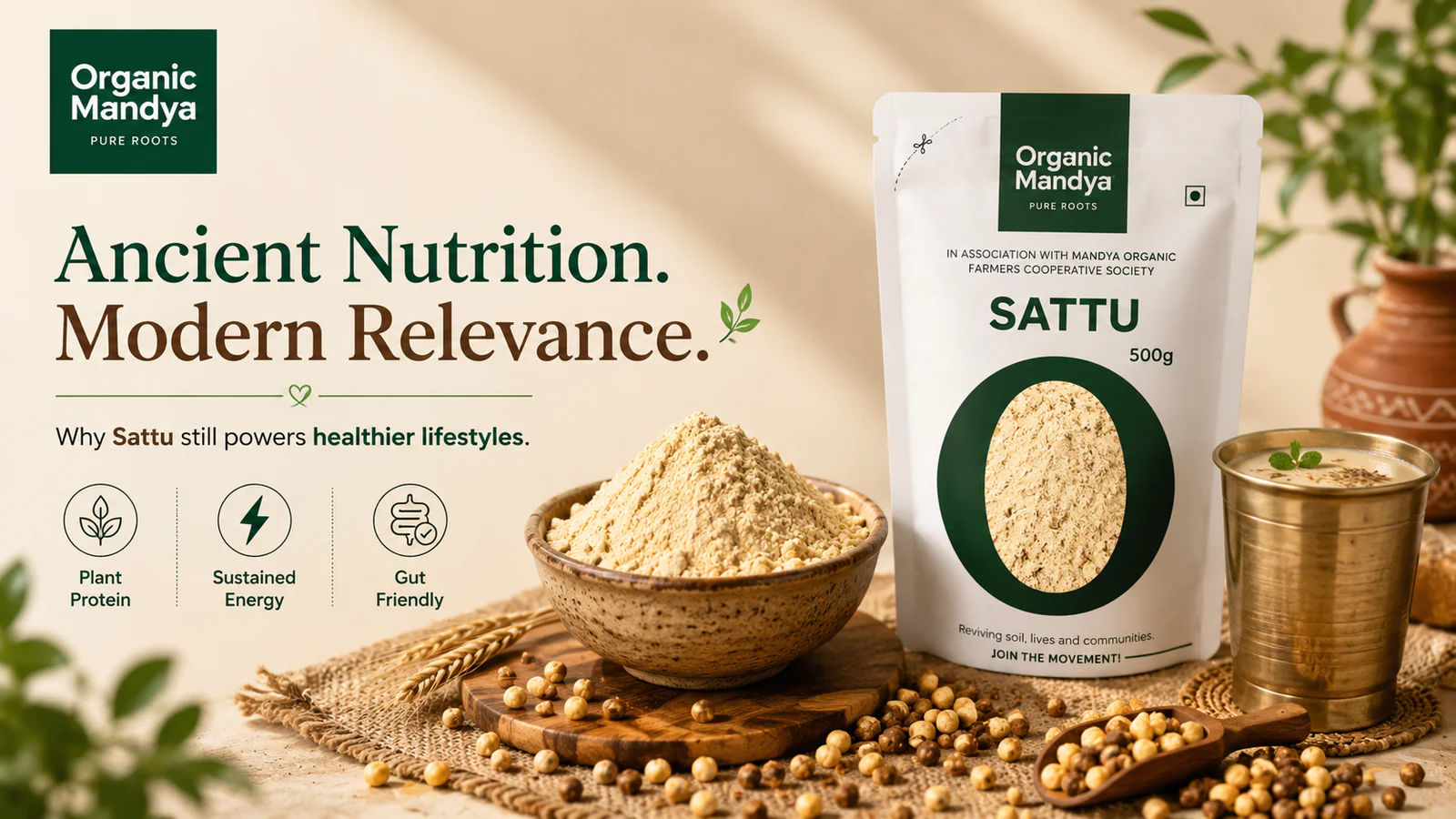
Conscious Food Organic Sattu (Roasted Chickpea Flour) - 500g
- ✓ Organic certified, cold-ground processing
- ✓ Single ingredient: roasted chickpeas
- ✓ No sugar, salt, or additives
* We earn a small commission — at no extra cost to you.
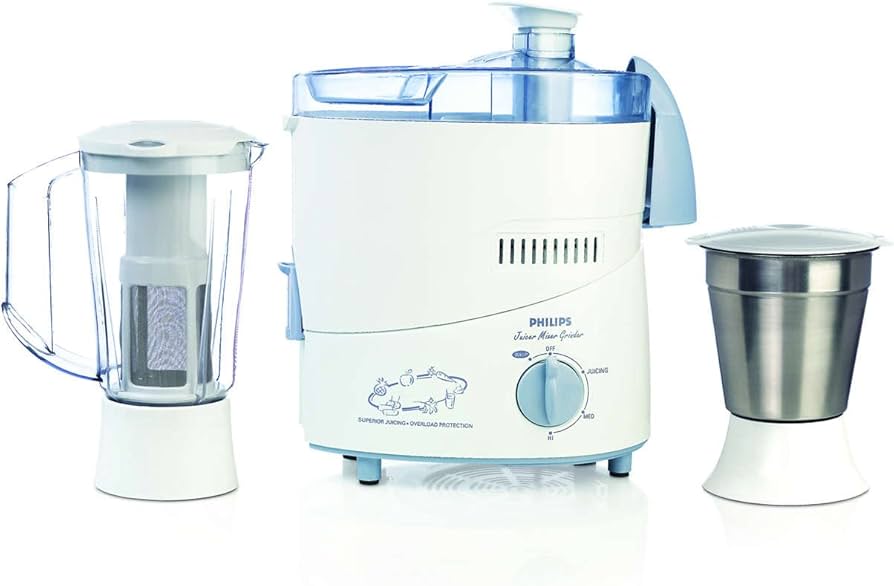
Philips HL1631 Food Processor - 500W
- ✓ 500W motor, suitable for grinding dry spices and roasted chickpeas
- ✓ Multiple attachments for wet/dry grinding
- ✓ Capacity: 1L, suitable for home sattu powder prep
* We earn a small commission — at no extra cost to you.